

 Ver en contexto
 Enviar
 Compartir
 Detalles

 Descargar
 Similares
 Radiografía
 Presentación de diapositivas
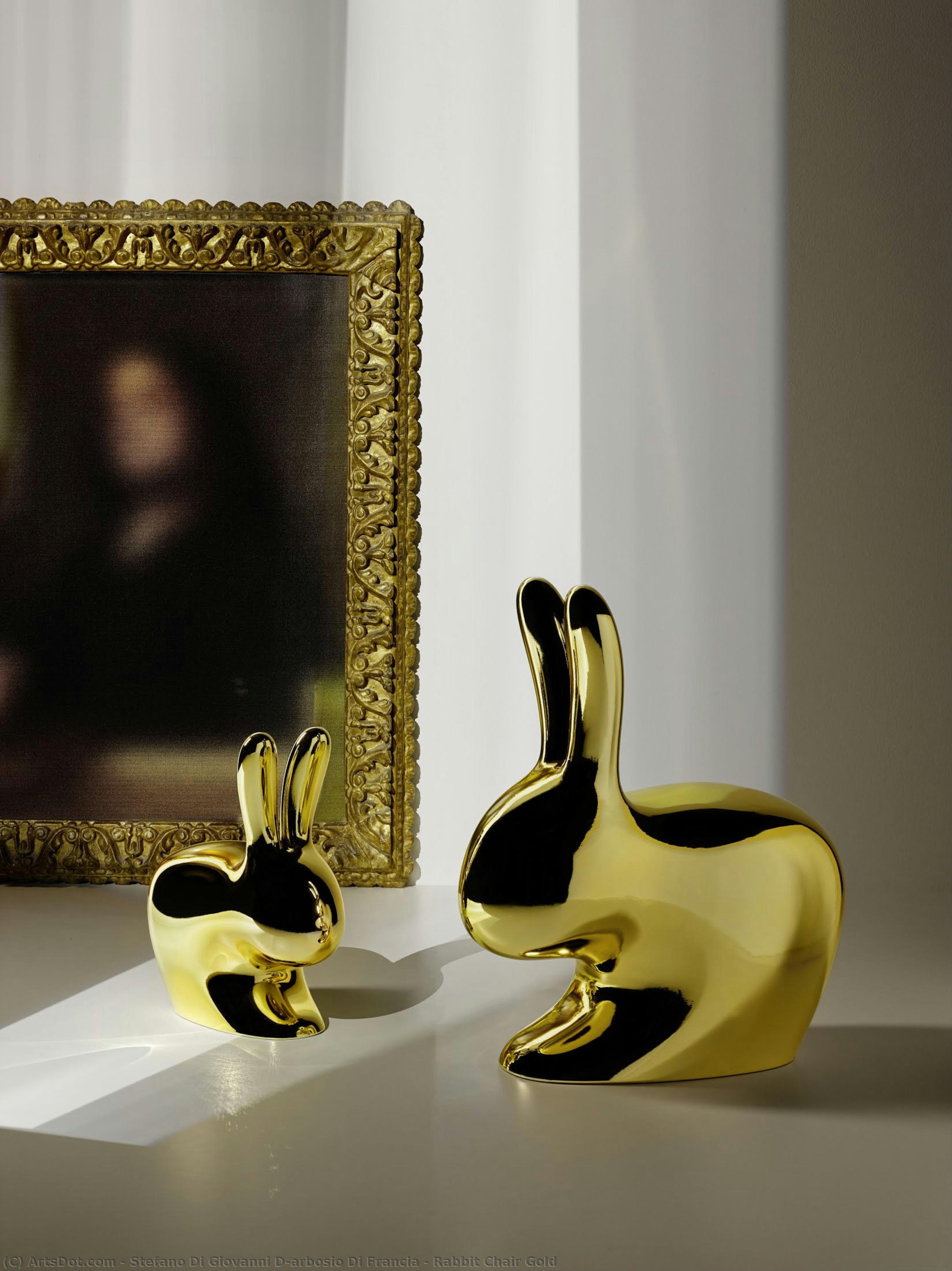
Rabbit Chair Gold


 Ver más
Reproducción al óleo hecha a mano
Óleo sobre lienzo pintado a mano en el tamaño y marco de su elección, realizado por encargo por nuestros artistas. ( Comprar impresión Comprar imagen)




































Elija entre nuestros tamaños predefinidos que respetan las proporciones originales de la obra.

Puede ingresar sus propias dimensiones para adaptarse a un marco o espacio específico. Si el tamaño seleccionado no coincide con las proporciones de la imagen original, recortaremos la obra o extenderemos la pintura con elementos adicionales pintados a mano. Se le enviará una maqueta digital para su aprobación antes de comenzar la producción.
Tenga en cuenta que la vista previa en pantalla no refleja el recorte o la extensión reales. Solo la maqueta mostrará con precisión la composición final.
Si bien existen tamaños personalizados, recomendamos seleccionar una dimensión de la lista predefinida para preservar las proporciones originales.
Tras realizar el pedido, el equipo de ArtsDot.com enviará un correo electrónico al cliente para solicitar instrucciones y proporcionarle una vista previa del boceto.
Envío a todo el mundo () en 3-4 semanas en lugar de las 5 semanas estándar. (27 agosto). Sin comprometer la calidad.

Envío exprés gratuito a todo el mundo

Lienzo de lino de alta calidad

Seguro de envío total

Garantía de reembolso de impuestos aduaneros

Garantía de fidelidad cromática exacta

Política de devolución de 60 días (solo por defectos)

Garantía de devolución del 100% del dinero

Descuento por cantidad
 La opción de vidrio solo está disponible en tamaños inferiores a 110 cm.

Rabbit Chair Gold
Técnica de reproducción
Dimensiones de la reproducción
-


Precio total final
$ 263
Descripción de la obra
Obras relacionadas










Biografía del artista
Stefano di Giovanni d'Arbosio di Francia: A Master of International Gothic
Stefano da Verona, also known as Stefano di Giovanni d’Arbosio di Francia, stands as a beacon of artistic innovation during the nascent fifteenth century—a testament to the vibrant cultural exchange occurring across Northern Italy. Born around 1379 in Verona – the son of Jean d'Arbois, a French painter who had skillfully navigated the complexities of Gian Galeazzo Visconti’s court after securing commissions from Philip II of Burgundy – Stefano’s formative years were indelibly marked by the artistic currents emanating from Burgundian art and the meticulous artistry of illuminated manuscripts. His initial artistic education unfolded under the watchful guidance of Michelino da Besozzo, whose profound influence would shape Stefano's stylistic trajectory for decades to come.Early Life & Training: The Visconti Court’s Embrace
Jean d'Arbois’s patronage proved invaluable, affording Stefano unparalleled access to the intellectual dynamism characteristic of Visconti’s court—a crucible where artistic experimentation flourished. Pavia swiftly became Stefano’s workshop city, fostering a collaborative environment wherein he honed his skills alongside fellow illuminators. These formative years instilled in him not merely technical proficiency but also an understanding of humanist ideals and the burgeoning interest in classical scholarship that would permeate Renaissance thought. The meticulous techniques absorbed from Besozzo—particularly those pertaining to tempera glazing and pigment preparation—would become foundational elements of Stefano’s distinctive visual language.Stylistic Influences: Echoes of Fouquet & Martini
Stefano’s artistic output is undeniably rooted in the International Gothic style—a movement that captivated Europe around 1400, bridging the gap between Byzantine grandeur and Northern European realism. This stylistic fusion prioritized opulent decoration alongside painstaking detail, mirroring the aesthetic sensibilities championed by luminaries such as Jean Fouquet and Simone Martini. Stefano's compositions resonate with a palpable sense of elegance and refinement, reflecting the influence of these masters—particularly their masterful use of color palettes and their penchant for portraying figures imbued with psychological depth. The delicate drapery folds and expressive facial expressions characteristic of Martini’s portraits find echoes in Stefano’s own depictions of nobility and piety.Notable Works: Symbolism & Technique – A Virtuoso's Palette
Stefano’s prolific artistic output spanned a remarkable spectrum of subjects—religious iconography, aristocratic portraits, and lavish decorative panels—demonstrating versatility and technical mastery that cemented his reputation as one of Verona’s foremost painters. Among his most celebrated achievements are “Scolapasta 3 in metallo smaltao bianco,” a breathtaking exemplar of gilded enamel technique. The intricate floral motifs interwoven with shimmering gold leaf exemplify Stefano's command of decorative artistry, capturing the splendor and luminosity favored by Visconti’s court. Similarly impressive is "Rabbit Chair Gold," an opulent depiction reflecting the aristocratic tastes of his patrons—a testament to Stefano’s ability to translate visual concepts into tangible beauty. “Magic Bunny,” perhaps Stefano’s most evocative work, powerfully conveys narrative emotion through symbolic imagery—a masterful demonstration of how art could communicate profound spiritual truths.Legacy & Historical Significance: Verona's Artistic Soul
Stefano da Verona’s contribution to the artistic heritage of Verona is undeniable. His paintings continue to inspire admiration for their exquisite craftsmanship and enduring beauty—a legacy that extends far beyond his lifetime. He stands as a pivotal figure in the transition from Medieval art styles to Renaissance aesthetics, embodying the spirit of innovation and refinement that characterized this transformative period. Stefano’s work serves as an invaluable window into the cultural milieu of fifteenth-century Italy—a testament to the enduring power of artistic vision to capture both the grandeur of its time and the timeless beauty of human experience. Sources:- Google Arts & Culture: https://artsandculture.google.com/entity/stefano-da-verona/m0gvrpv7
- The Metropolitan Museum of Art: https://www.metmuseum.org/art/collection/search/770595
- ArtsDot: https://www.wga.hu/bio/s/stefano/biograph.html
Stefano Da Verona
Italia
Datos clave
- Artistic Movement Or Style: International Gothic
- Artists Or Movements Influenced By This Artist: ['Michelino da Besozzo']
- Artists Who Influenced This Artist: ["Jean d'Arbois"]
- Date Of Birth: ca. 1379
- Full Name: Stefano di Giovanni d'Arbosio di Francia
- Nationality: Italian
- Notable Artworks:
- Scolapasta 3 in metallo smaltao bianco
- Rabbit Chair Gold
- Magic Bunny
- Place Of Birth: Verona, Italy

