

 Ver en contexto
 Enviar
 Compartir
 Detalles

 Descargar
 Similares
 Radiografía
 Presentación de diapositivas
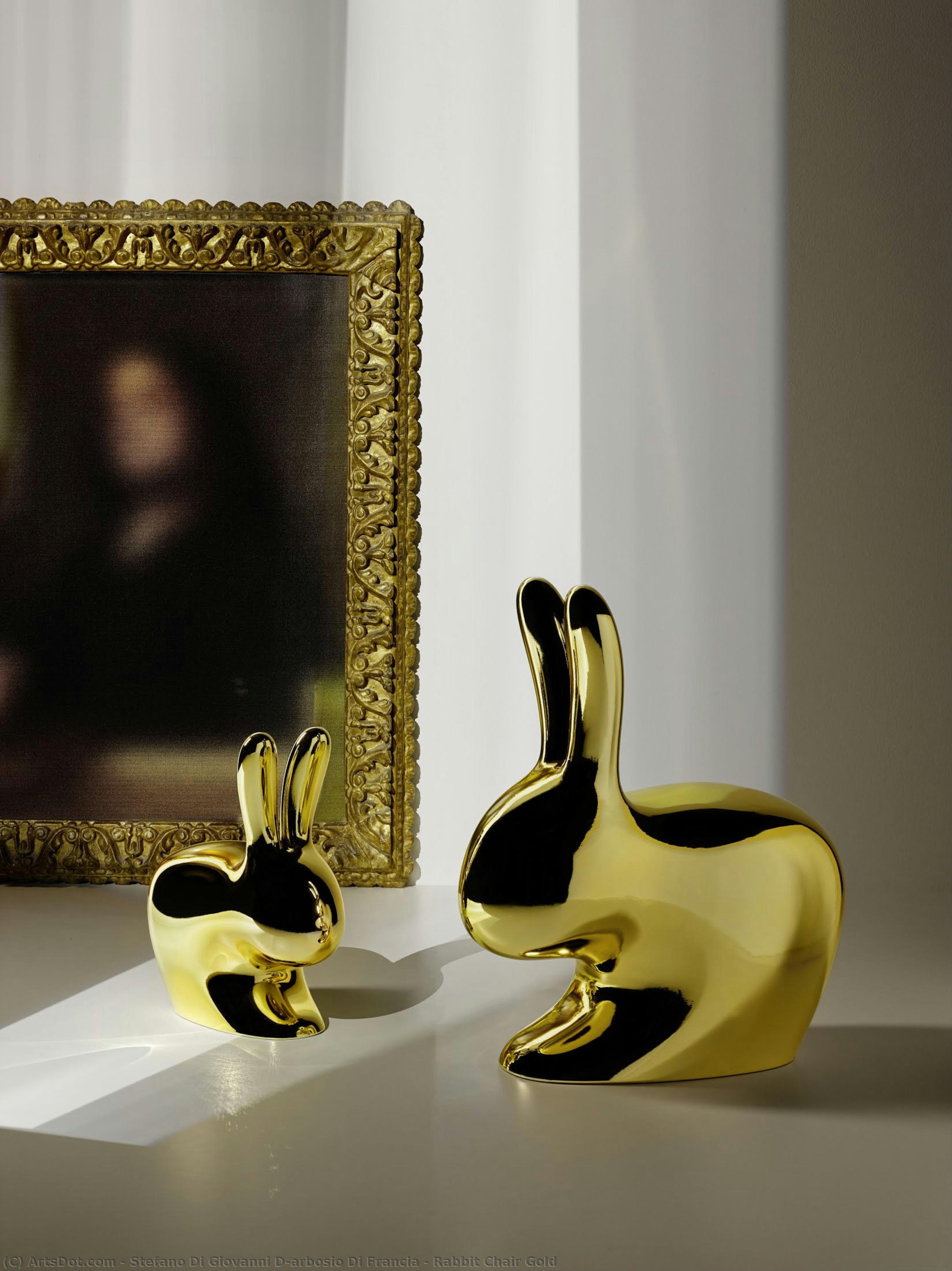
Rabbit Chair Gold


 Ver más
Adquiera una imagen digital de alta resolución y optimizada, muy superior a la vista previa en línea.
Cada archivo es preparado meticulosamente por nuestros especialistas internos mediante el uso de herramientas avanzadas y un experto retoque manual. Nos aseguramos de que cada imagen posea una claridad excepcional, una precisión cromática impecable y un detalle minucioso.
El archivo final se entrega por correo electrónico en un plazo de 72 horas, optimizado para su uso inmediato en entornos profesionales, editoriales y de impresión. Esta es la misma calidad en la que confían los estudios de diseño, las editoriales y las galerías de primer nivel.
Imagen Digital
Descarga un archivo de alta resolución para exhibición personal, impresión y proyectos creativos. ( Comprar impresión Comprar pintura hecha a mano)
Incluido en cada pedido de imágenes digitales
Entrega digital experta, garantizada.
Al elegir ArtsDot.com, no solo está adquiriendo una imagen; está recibiendo una obra de arte digital mejorada profesionalmente, elaborada con precisión y respaldada por una garantía de satisfacción. Esto es todo lo que incluye su pedido, automáticamente:

Entrega rápida por email
Recibirá su archivo de imagen digital en alta resolución por correo electrónico en un plazo de 72 horas tras realizar su pedido, listo para su uso inmediato.

Archivo digital optimizado por IA
Su obra de arte se optimiza profesionalmente mediante herramientas avanzadas de IA y edición manual, garantizando el máximo detalle, claridad y precisión cromática.

Reenvío gratuito de por vida
¿Has borrado o perdido tu archivo por error? No te preocupes: te lo volveremos a enviar en cualquier momento, sin coste adicional.

Sin gastos de importación, siempre
Disfrute de su obra de arte al instante sin aduanas, aranceles ni gastos de envío; las descargas digitales siempre están libres de impuestos.

Garantía de fidelidad de color
Garantizamos que su imagen digital refleje los colores originales con la mayor fidelidad posible, mediante el uso de herramientas profesionales y gestión del color.

Garantía de satisfacción de 60 días
Si no está satisfecho con su imagen digital, la revisaremos o le reembolsaremos el 100% en un plazo de 60 días, sin preguntas.

100% Garantía de devolución de dinero
¿No está satisfecho? Obtenga un reembolso completo dentro de los 60 días posteriores a la recepción de su archivo digital, sin necesidad de explicaciones.

Descuentos por pedidos grandes
Compra 3 imágenes, ahorra 10% - Compra 5, ahorra 15% - Compra 10+, ahorra 20%. Ideal para proyectos creativos, galerías y agencias.
Descripción del coleccionable
Obras relacionadas










Biografía del artista
Stefano di Giovanni d'Arbosio di Francia: A Master of International Gothic
Stefano da Verona, also known as Stefano di Giovanni d’Arbosio di Francia, stands as a beacon of artistic innovation during the nascent fifteenth century—a testament to the vibrant cultural exchange occurring across Northern Italy. Born around 1379 in Verona – the son of Jean d'Arbois, a French painter who had skillfully navigated the complexities of Gian Galeazzo Visconti’s court after securing commissions from Philip II of Burgundy – Stefano’s formative years were indelibly marked by the artistic currents emanating from Burgundian art and the meticulous artistry of illuminated manuscripts. His initial artistic education unfolded under the watchful guidance of Michelino da Besozzo, whose profound influence would shape Stefano's stylistic trajectory for decades to come.Early Life & Training: The Visconti Court’s Embrace
Jean d'Arbois’s patronage proved invaluable, affording Stefano unparalleled access to the intellectual dynamism characteristic of Visconti’s court—a crucible where artistic experimentation flourished. Pavia swiftly became Stefano’s workshop city, fostering a collaborative environment wherein he honed his skills alongside fellow illuminators. These formative years instilled in him not merely technical proficiency but also an understanding of humanist ideals and the burgeoning interest in classical scholarship that would permeate Renaissance thought. The meticulous techniques absorbed from Besozzo—particularly those pertaining to tempera glazing and pigment preparation—would become foundational elements of Stefano’s distinctive visual language.Stylistic Influences: Echoes of Fouquet & Martini
Stefano’s artistic output is undeniably rooted in the International Gothic style—a movement that captivated Europe around 1400, bridging the gap between Byzantine grandeur and Northern European realism. This stylistic fusion prioritized opulent decoration alongside painstaking detail, mirroring the aesthetic sensibilities championed by luminaries such as Jean Fouquet and Simone Martini. Stefano's compositions resonate with a palpable sense of elegance and refinement, reflecting the influence of these masters—particularly their masterful use of color palettes and their penchant for portraying figures imbued with psychological depth. The delicate drapery folds and expressive facial expressions characteristic of Martini’s portraits find echoes in Stefano’s own depictions of nobility and piety.Notable Works: Symbolism & Technique – A Virtuoso's Palette
Stefano’s prolific artistic output spanned a remarkable spectrum of subjects—religious iconography, aristocratic portraits, and lavish decorative panels—demonstrating versatility and technical mastery that cemented his reputation as one of Verona’s foremost painters. Among his most celebrated achievements are “Scolapasta 3 in metallo smaltao bianco,” a breathtaking exemplar of gilded enamel technique. The intricate floral motifs interwoven with shimmering gold leaf exemplify Stefano's command of decorative artistry, capturing the splendor and luminosity favored by Visconti’s court. Similarly impressive is "Rabbit Chair Gold," an opulent depiction reflecting the aristocratic tastes of his patrons—a testament to Stefano’s ability to translate visual concepts into tangible beauty. “Magic Bunny,” perhaps Stefano’s most evocative work, powerfully conveys narrative emotion through symbolic imagery—a masterful demonstration of how art could communicate profound spiritual truths.Legacy & Historical Significance: Verona's Artistic Soul
Stefano da Verona’s contribution to the artistic heritage of Verona is undeniable. His paintings continue to inspire admiration for their exquisite craftsmanship and enduring beauty—a legacy that extends far beyond his lifetime. He stands as a pivotal figure in the transition from Medieval art styles to Renaissance aesthetics, embodying the spirit of innovation and refinement that characterized this transformative period. Stefano’s work serves as an invaluable window into the cultural milieu of fifteenth-century Italy—a testament to the enduring power of artistic vision to capture both the grandeur of its time and the timeless beauty of human experience. Sources:- Google Arts & Culture: https://artsandculture.google.com/entity/stefano-da-verona/m0gvrpv7
- The Metropolitan Museum of Art: https://www.metmuseum.org/art/collection/search/770595
- ArtsDot: https://www.wga.hu/bio/s/stefano/biograph.html
Stefano Da Verona
Italia
Breves datos
- Artistic Movement Or Style: International Gothic
- Artists Or Movements Influenced By This Artist: ['Michelino da Besozzo']
- Artists Who Influenced This Artist: ["Jean d'Arbois"]
- Date Of Birth: ca. 1379
- Full Name: Stefano di Giovanni d'Arbosio di Francia
- Nationality: Italian
- Notable Artworks:
- Scolapasta 3 in metallo smaltao bianco
- Rabbit Chair Gold
- Magic Bunny
- Place Of Birth: Verona, Italy

