

 Ver en contexto
 Enviar
 Compartir
 Detalles

 Descargar
 Similares
 Radiografía
 Presentación de diapositivas
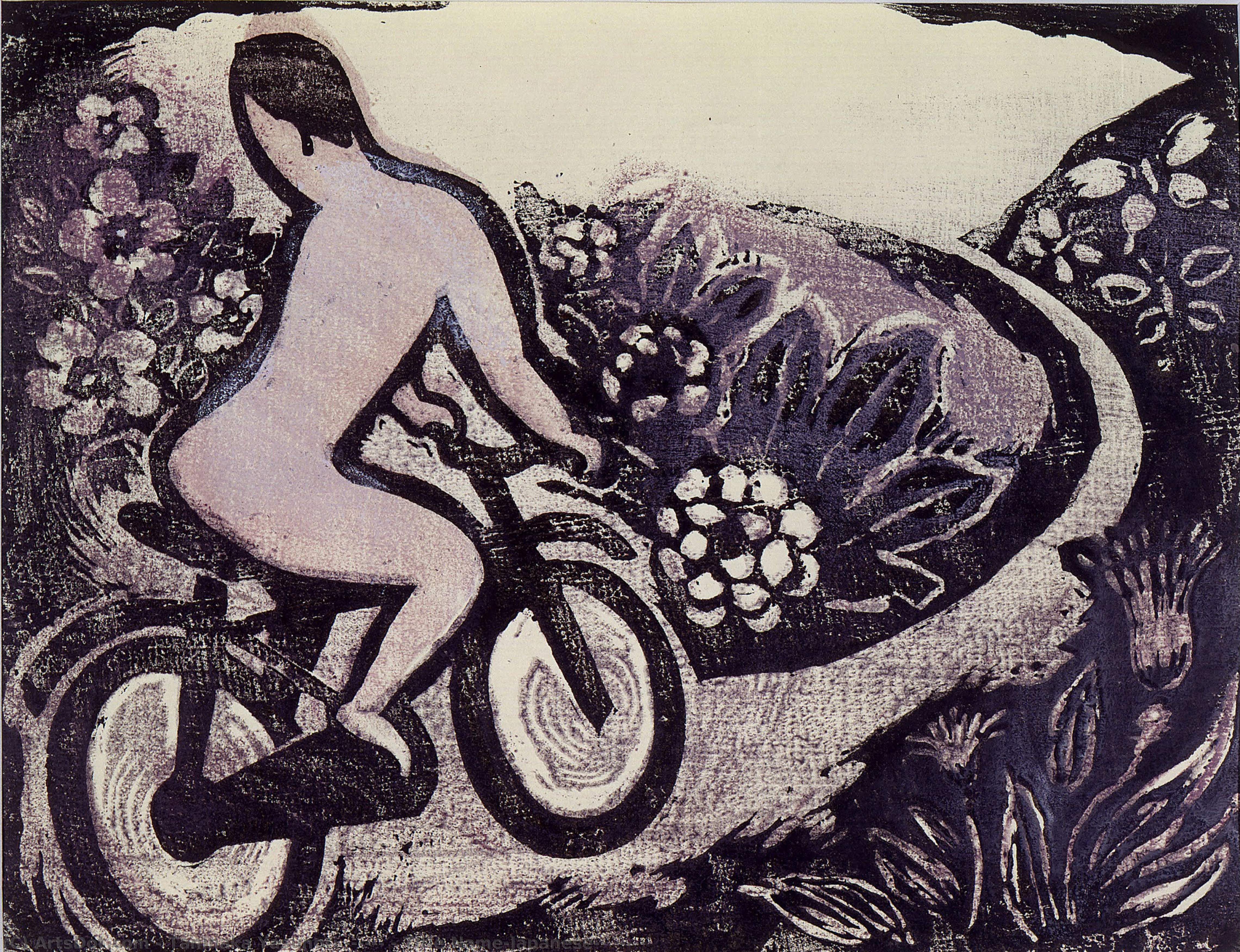
Title Name(Japanese): 春の自転車
 26.0 x 20.0 cm
 Ver más
Reproducción al óleo hecha a mano
Óleo sobre lienzo pintado a mano en el tamaño y marco de su elección, realizado por encargo por nuestros artistas. ( Comprar impresión Comprar imagen)




































Elija entre nuestros tamaños predefinidos que respetan las proporciones originales de la obra.

Puede ingresar sus propias dimensiones para adaptarse a un marco o espacio específico. Si el tamaño seleccionado no coincide con las proporciones de la imagen original, recortaremos la obra o extenderemos la pintura con elementos adicionales pintados a mano. Se le enviará una maqueta digital para su aprobación antes de comenzar la producción.
Tenga en cuenta que la vista previa en pantalla no refleja el recorte o la extensión reales. Solo la maqueta mostrará con precisión la composición final.
Si bien existen tamaños personalizados, recomendamos seleccionar una dimensión de la lista predefinida para preservar las proporciones originales.
Tras realizar el pedido, el equipo de ArtsDot.com enviará un correo electrónico al cliente para solicitar instrucciones y proporcionarle una vista previa del boceto.
Envío a todo el mundo () en 3-4 semanas en lugar de las 5 semanas estándar. (3 septiembre). Sin comprometer la calidad.

Envío exprés gratuito a todo el mundo

Lienzo de lino de alta calidad

Seguro de envío total

Garantía de reembolso de impuestos aduaneros

Garantía de fidelidad cromática exacta

Política de devolución de 60 días (solo por defectos)

Garantía de devolución del 100% del dinero

Descuento por cantidad
 La opción de vidrio solo está disponible en tamaños inferiores a 110 cm.

Title Name(Japanese): 春の自転車
Técnica de reproducción
Dimensiones de la reproducción
-


Precio total final
$ 263
Obras relacionadas



![[girl On A Bycicle Seen From Behind] — José María Eguren Rodríguez, Symbolism](/media/artworks/images-thumb/70/4a/704a0c865298659f9706427590037d70.jpg)


Biografía del artista
Introduction to Taninaka Yasunori
Taninaka Yasunori (谷中安規) was a Japanese printmaker born in Nara Prefecture in 1897 and tragically perished in Tokyo in 1946 during the final days of World War II. He stands as a pivotal figure within the *sosaku hanga* movement—a revolutionary artistic endeavor that championed uncompromising individual expression and rejected the conventional collaborative framework prevalent in traditional *ukiyo-e*. This movement, born from the ashes of Western Impressionism, sought to liberate Japanese printmaking from rigid conventions, prioritizing intuition and emotional resonance above meticulous craftsmanship. Yasunori’s formative years were marked by profound personal hardship—his mother succumbed to illness shortly after his birth, leaving him orphaned at a young age. His father relocated to Korea in 1903, establishing a modest food store in Gyeongju, where Taninaka spent his childhood amidst the vibrant cultural landscape of Korean society. Despite these challenging circumstances, he pursued education diligently, attending Tokyo Buzan School (豊山派), a Buddhist institution affiliated with the Shingon sect—though he was forced to withdraw due to financial constraints and debilitating illness. His bohemian existence continued thereafter, characterized by itinerant labor, solitary pursuits, and occasional episodes of intense creativity—a paradoxical blend of melancholy and fervent artistic fervor.Artistic Style and Themes
Taninaka’s distinctive style emerged from his engagement with the *sosaku hanga* movement's core tenets: a rejection of collaborative production and an unwavering commitment to conveying subjective experience. He primarily focused on capturing the essence of Tokyo’s *shitamachi*—the city’s working-class district—during the turbulent 1930s, reflecting the anxieties and aspirations of ordinary Japanese citizens amidst escalating political tensions. His prints eschewed elaborate ornamentation or narrative complexity, favoring instead stark compositions dominated by monochrome palettes—often muted shades of grey—that conveyed profound emotional depth. A hallmark of Taninaka’s oeuvre is his masterful depiction of landscapes imbued with dreamlike qualities—particularly his celebrated *hakubyō* scroll prints featuring panoramic views of the Sumida River and its environs. These works exemplify the movement's fascination with capturing fleeting moments of beauty and conveying intangible sensations—a deliberate departure from the idealized representations favored by earlier artistic traditions. His meticulous attention to detail—captured through subtle gradations of tone and texture—served as a testament to his technical prowess and unwavering dedication to artistic vision.Notable Works
Among Taninaka’s most enduring achievements are several prints that encapsulate the spirit of *sosaku hanga*, demonstrating both stylistic innovation and thematic exploration. “版画集 5 冥想氏” (Print Set No. 5 Meditation), exemplifies his ability to distill complex emotions into deceptively simple visual forms—a technique honed through years of disciplined practice. Similarly, “春の自転車”(Riding Bicycle in Spring) portrays a young woman traversing a blossoming cherry blossom grove—a scene rendered with breathtaking sensitivity and imbued with symbolic resonance—reflecting the movement’s preoccupation with capturing idealized beauty and conveying profound psychological insight. Furthermore, Taninaka's contribution to *ukiyo-e* extends beyond landscape depictions; he skillfully illustrated plays by Hyakken Uchida, notably “ Osama no Senaka/ The King’s Back,” utilizing a series of thirteen woodcuts that captured the drama and pathos of theatrical performance—a testament to his versatility as an artist. His exploration of themes such as memory, solitude, and existential contemplation cemented his reputation as one of Japan's most introspective printmakers.Artistic Movement: Sosaku Hanga
The *sosaku hanga* movement represented a watershed moment in Japanese art history—challenging established conventions and ushering in an era of unprecedented artistic freedom. Rejecting the hierarchical structure of traditional *ukiyo-e*, where artisans specialized in distinct roles—carver, printer, publisher—the movement championed a holistic approach to printmaking, prioritizing the artist’s singular vision above all else. Influenced by European Expressionism and Impressionism, *sosaku hanga* artists sought to convey subjective experience through bold color palettes and evocative imagery—a deliberate rejection of academic formalism. Taninaka Yasunori's embrace of this movement solidified his place among Japan’s artistic luminaries—demonstrating a profound understanding of its philosophical underpinnings and technical innovations. His legacy continues to inspire contemporary artists, underscoring the enduring power of *sosaku hanga* as a vehicle for conveying emotion and exploring the complexities of human consciousness.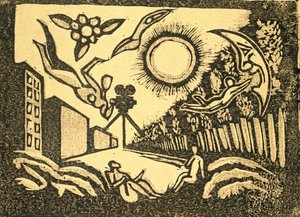
谷中安規
1897 - 1946 , 日本
Datos clave
- Artistic Movement Or Style: Sōsaku-hanga
- Artists Who Influenced This Artist: ['Onchi Yoshio']
- Date Of Birth: 1897
- Date Of Death: 1946
- Full Name: Taninaka Yasunori
- Nationality: Japonesa
- Notable Artworks:
- 版画集 5 冥想氏
- 春の自転車
- Woman
- Place Of Birth: Nara Prefecture, Japón

