

 Ver en contexto
 Enviar
 Compartir
 Detalles

 Descargar
 Similares
 Radiografía
 Presentación de diapositivas
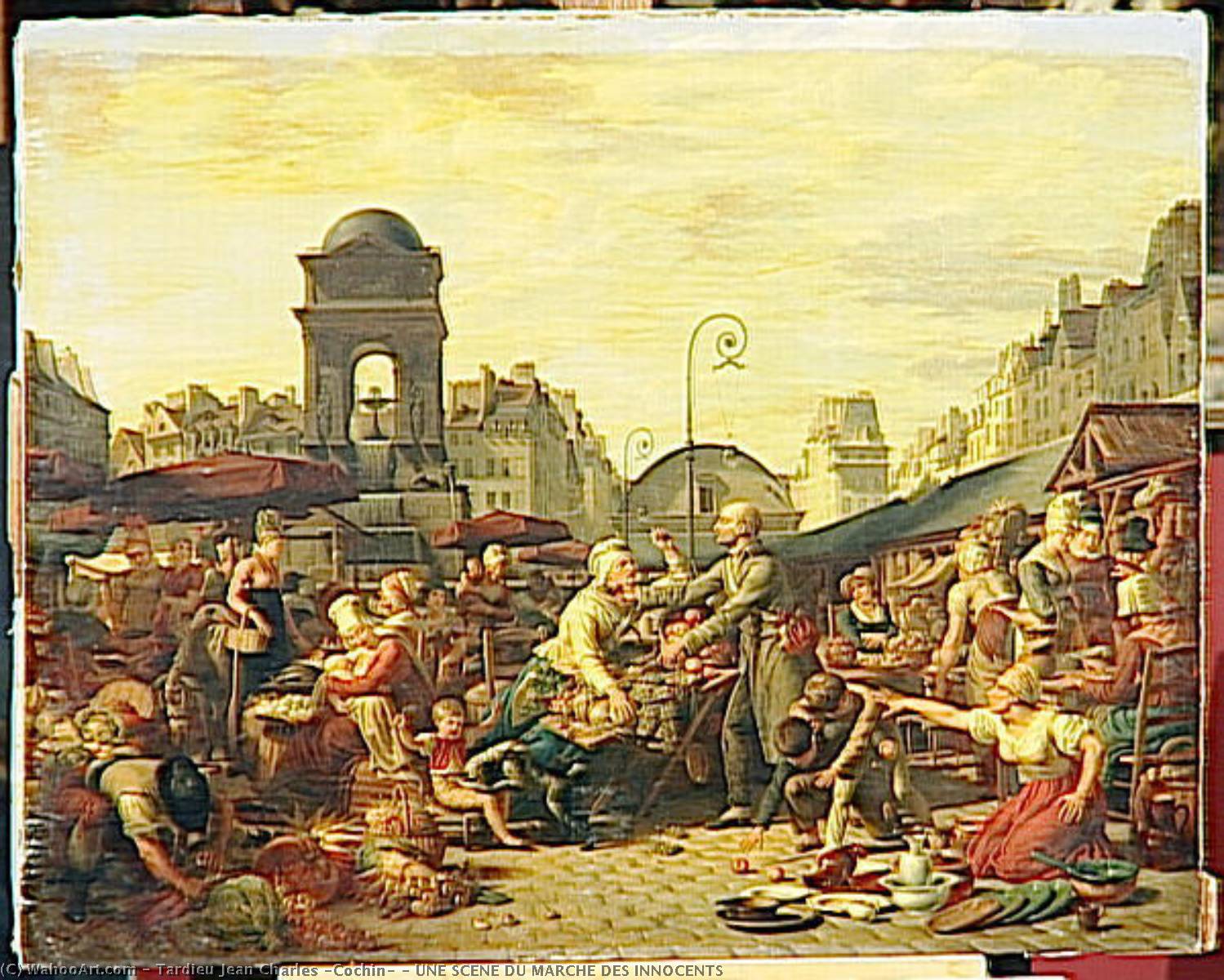
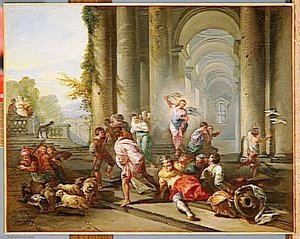
UNE SCENE DU MARCHE DES INNOCENTS


 Ver más
Adquiera una imagen digital de alta resolución y optimizada, muy superior a la vista previa en línea.
Cada archivo es preparado meticulosamente por nuestros especialistas internos mediante el uso de herramientas avanzadas y un experto retoque manual. Nos aseguramos de que cada imagen posea una claridad excepcional, una precisión cromática impecable y un detalle minucioso.
El archivo final se entrega por correo electrónico en un plazo de 72 horas, optimizado para su uso inmediato en entornos profesionales, editoriales y de impresión. Esta es la misma calidad en la que confían los estudios de diseño, las editoriales y las galerías de primer nivel.
Imagen Digital
Descarga un archivo de alta resolución para exhibición personal, impresión y proyectos creativos. ( Comprar impresión Comprar pintura hecha a mano)
Incluido en cada pedido de imágenes digitales
Entrega digital experta, garantizada.
Al elegir ArtsDot.com, no solo está adquiriendo una imagen; está recibiendo una obra de arte digital mejorada profesionalmente, elaborada con precisión y respaldada por una garantía de satisfacción. Esto es todo lo que incluye su pedido, automáticamente:

Entrega rápida por email
Recibirá su archivo de imagen digital en alta resolución por correo electrónico en un plazo de 72 horas tras realizar su pedido, listo para su uso inmediato.

Archivo digital optimizado por IA
Su obra de arte se optimiza profesionalmente mediante herramientas avanzadas de IA y edición manual, garantizando el máximo detalle, claridad y precisión cromática.

Reenvío gratuito de por vida
¿Has borrado o perdido tu archivo por error? No te preocupes: te lo volveremos a enviar en cualquier momento, sin coste adicional.

Sin gastos de importación, siempre
Disfrute de su obra de arte al instante sin aduanas, aranceles ni gastos de envío; las descargas digitales siempre están libres de impuestos.

Garantía de fidelidad de color
Garantizamos que su imagen digital refleje los colores originales con la mayor fidelidad posible, mediante el uso de herramientas profesionales y gestión del color.

Garantía de satisfacción de 60 días
Si no está satisfecho con su imagen digital, la revisaremos o le reembolsaremos el 100% en un plazo de 60 días, sin preguntas.

100% Garantía de devolución de dinero
¿No está satisfecho? Obtenga un reembolso completo dentro de los 60 días posteriores a la recepción de su archivo digital, sin necesidad de explicaciones.

Descuentos por pedidos grandes
Compra 3 imágenes, ahorra 10% - Compra 5, ahorra 15% - Compra 10+, ahorra 20%. Ideal para proyectos creativos, galerías y agencias.
Obras relacionadas
Biografía del artista
A Legacy of Grandeur: The Life and Art of Jean-Charles Tardieu
In the turbulent yet magnificent era spanning the Napoleonic Empire and the Bourbon Restoration, few artists captured the shifting tides of French identity as effectively as Jean-Charles Tardieu. Known to many as Tardieu-Cochin, he was a painter whose brush danced between the dramatic shadows of the Baroque tradition and the disciplined clarity of Neoclassicism. Born in Paris on September 3, 1765, Tardieu was not merely an observer of history but a descendant of it; his lineage was deeply rooted in the prestigious world of French engraving. As the son of Jacques-Nicolas Tardieu and the grandson of the celebrated Nicolas-Henri Tardieu, he grew up surrounded by the meticulous precision of the King's engravers, a heritage that undoubtedly informed his profound respect for detail and anatomical accuracy.
Tardieu’s artistic evolution was shaped by a rigorous academic foundation. While early influences from the Baroque movement—likely through studies under Jean-Baptiste Camille Bouchardy—instilled in him a love for dynamic composition and emotional depth, his formal training under Jean-Bapiste Regnault anchored him in the prestigious Neoclassical style. This period of his life was marked by both struggle and triumph; though he narrowly missed the prestigious Grand Prix de Rome, his achievement of the second prize in 1790 signaled his arrival as a formidable talent in the Parisian art scene. His work began to reflect a unique synthesis: the sweeping, theatrical energy of the old masters blended with the rational, idealized beauty championed by contemporaries like Jacques-Louis David.
Mastery of History and the Royal Canvas
The true brilliance of Tardieu lay in his ability to transform historical narratives into living, breathing spectacles. He was a master of the tableau, creating large-scale works that did more than just document events—they celebrated them. His repertoire was vast, ranging from sweeping historical chronicles to intimate portraits and serene landscapes. During the reigns of Napoleon, Louis XVIII, and Charles X, Tardieu became a preferred chronicler for the French state. Much of his most significant output was commissioned by the government, destined for the most hallowed halls of French power, including the palaces of Versailles, Saint-Cloud, Fontainebleau, and Compiègne.
His technical prowess allowed him to navigate various genres with ease:
- Historical Narratives: Works such as Henri IV devant Paris showcased his ability to capture the gravity of political turning points through dramatic lighting and complex figure arrangements.
- Religious and Mythological Subjects: Drawing from his Baroque roots, he utilized expressive brushwork to imbue sacred scenes with a sense of divine movement and human emotion.
- Landscape and Genre Painting: In his later years, Tardieu turned toward the more tranquil realms of nature and everyday life, as seen in vibrant depictions like Une Scène du Marché des Innocents, where he captured the rhythmic pulse of Parisian commerce.
Historical Significance and Enduring Impression
Beyond the mere aesthetic beauty of his canvases, Tardieu’s work serves as a vital visual record of a France in transition. To look upon a Tardieu painting is to witness the tension between the old world of monarchical splendor and the new era of imperial ambition. His ability to secure commissions for major cathedrals, such as those in Rouen, Nîmes, and Lons-le-Saulnier, speaks to a level of trust and recognition that few artists of his generation achieved. He was an artist who could speak to both the crown and the church, bridging the gap between secular glory and spiritual devotion.
As he moved through the decades, his style matured into a sophisticated realism, characterized by a meticulous attention to texture and light that made his figures appear almost tactile. Though he passed away in Paris on April 3, 1830, leaving behind a legacy of works that continue to grace the halls of France's greatest museums, his impact remains. Jean-Charles Tardieu stands as a quintessential artist of his age—a painter who took the fragmented pieces of a changing nation and wove them into a cohesive, grand, and enduring tapestry of French art history.
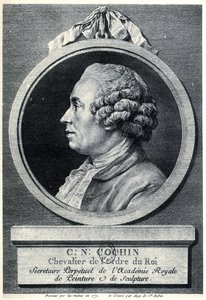
tardieu jean charles (cochin)
1765 - 1830

