 Ver en contexto
 Enviar
 Compartir
 Detalles

 Descargar
 Similares
 Radiografía
 Presentación de diapositivas
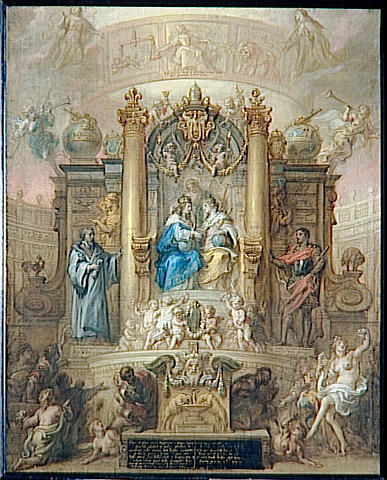
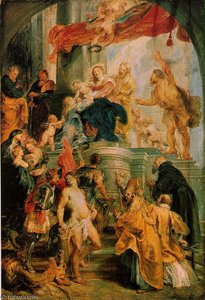
L'ALLIANCE DE LA FRANCE ET DE L'ESPAGNE


 Ver más
Reproducción al óleo hecha a mano
Óleo sobre lienzo pintado a mano en el tamaño y marco de su elección, realizado por encargo por nuestros artistas. ( Comprar impresión Comprar imagen)




P118B $10

P118H $10

P118W $10

P438Z $10

P508JH $12

P508YH $12

P805H $10

P805Z $10

P919BZ $10

P919G $10

P919XJ $10

P959ZH $10

P968JZ $12

W106C $8

W218G $10

W218JH $8

W218Y $10

W307PJ $10

W316G $10

W316PJ $8

W316Y $10

W398PJ $8

W4111J $10

W500HY $15

W500JH $15

W692G $12

W849H $8

W940BG $15

W953PJ $8




Elija entre nuestros tamaños predefinidos que respetan las proporciones originales de la obra.

Puede ingresar sus propias dimensiones para adaptarse a un marco o espacio específico. Si el tamaño seleccionado no coincide con las proporciones de la imagen original, recortaremos la obra o extenderemos la pintura con elementos adicionales pintados a mano. Se le enviará una maqueta digital para su aprobación antes de comenzar la producción.
Tenga en cuenta que la vista previa en pantalla no refleja el recorte o la extensión reales. Solo la maqueta mostrará con precisión la composición final.
Si bien existen tamaños personalizados, recomendamos seleccionar una dimensión de la lista predefinida para preservar las proporciones originales.
Tras realizar el pedido, el equipo de ArtsDot.com enviará un correo electrónico al cliente para solicitar instrucciones y proporcionarle una vista previa del boceto.
Envío a todo el mundo () en 3-4 semanas en lugar de las 5 semanas estándar. (5 septiembre). Sin comprometer la calidad.

Envío exprés gratuito a todo el mundo

Lienzo de lino de alta calidad

Seguro de envío total

Garantía de reembolso de impuestos aduaneros

Garantía de fidelidad cromática exacta

Política de devolución de 60 días (solo por defectos)

Garantía de devolución del 100% del dinero

Descuento por cantidad
 La opción de vidrio solo está disponible en tamaños inferiores a 110 cm.

L'ALLIANCE DE LA FRANCE ET DE L'ESPAGNE
Técnica de reproducción
Dimensiones de la reproducción
-


Precio total final
$ 488
A Tapestry of Alliance: Van Thulden’s “L’Alliance de la France et de l’Espagne”
Theodoor van Thulden's "L'Alliance de la France et de l'Espagne," painted around 1659, is more than a historical depiction; it’s a meticulously crafted allegory of power, diplomacy, and the burgeoning unity between two European giants. This monumental work, now residing within the esteemed collection of the Louvre Museum in Paris, offers a captivating glimpse into the Baroque era’s penchant for dramatic storytelling and opulent visual language. Van Thulden, deeply influenced by the dynamism of Peter Paul Rubens, masterfully blends Flemish realism with Italianate grandeur, creating an image that is both formally impressive and emotionally resonant.
The scene unfolds within a richly appointed architectural setting – a vast, tiered space reminiscent of a royal palace or grand hall. A central throne dominates the composition, flanked by imposing figures representing France and Spain. These aren’t merely portraits; they are embodiments of their respective nations, radiating an aura of authority and strength. Above them, a complex structure of columns, arches, and decorative elements—a veritable cascade of ornamentation—elevates the scene towards a celestial realm, suggesting divine sanction for this alliance. Below, a vibrant throng of putti (cherubic infants), allegorical figures, and what appear to be historical or mythological characters swirl around the central axis, creating a layered narrative that invites prolonged contemplation.
A Symphony of Color and Light
Van Thulden’s palette is a testament to Baroque richness – a harmonious blend of deep blues, shimmering golds, creamy whites, and muted earth tones. The dominant use of gold isn't merely decorative; it serves to highlight key elements—the throne, the figures, and the architectural details—drawing the viewer’s eye and emphasizing their importance. The background employs softer pastel hues – delicate pinks and yellows – which create an ethereal atmosphere, contrasting sharply with the more grounded tones of the foreground. The artist skillfully manipulates light and shadow to sculpt forms, adding depth and volume to the scene. A warm, directional glow emanates from behind the central figures, lending them a sense of divine presence or regal importance, while strategically placed shadows define their musculature and drapery.
Decoding the Allegory: Symbolism in Detail
“L’Alliance de la France et de l'Espagne” is replete with symbolic elements that enrich its meaning. The throne itself represents power, authority, and the stability of the alliance. The putti, often associated with love, joy, and prosperity, are scattered throughout the scene, suggesting a future of abundance and happiness for both nations. The presence of shields and banners—emblazoned with the emblems of France and Spain—further reinforces the theme of unity and mutual defense. Beyond these readily apparent symbols, subtle details hint at deeper meanings – perhaps referencing specific treaties or events that solidified the alliance. The overall emotional tone is one of grandeur, celebration, and political significance, reflecting the momentous occasion it depicts.
Technique and Artistic Legacy
Van Thulden’s masterful technique showcases his command of oil painting on canvas. He employs a layered approach, building up color gradually to create depth and volume. Brushwork is generally refined, suggesting a skilled hand and meticulous attention to detail. The artist skillfully utilizes glazing techniques to achieve subtle color transitions and luminous effects, particularly in the drapery and architectural elements. The flattened perspective, characteristic of Baroque art, contributes to the overall sense of drama and grandeur. This painting stands as a prime example of Van Thulden’s ability to seamlessly blend Flemish realism with Italianate influences, resulting in a visually stunning and intellectually stimulating work of art.
Further Exploration
- Useful Links: ArtsDot.com - Theodoor Van Thulden
- Wikipedia: Wikipedia - Theodoor van Thulden
- Louvre Museum: Louvre Museum - L'Alliance de la France et de l’Espagne
- Joconde: Joconde - L'Alliance de la France et de l’Espagne
Obras relacionadas



Biografía del artista
Early Life and Training
Theodoor van Thulden, a pivotal figure in the Dutch Baroque movement, was born on August 9, 1606, in ‘s-Hertogenbosch, North Brabant – a region steeped in artistic tradition. His lineage provided an immediate connection to the world of art; his father, an *orfèvre* (a skilled artisan specializing in goldsmithing and decorative arts), engaged in the lucrative textile trade, while his mother descended from another family of *orfèvres*. This familial background instilled within young Theodoor a deep appreciation for craftsmanship and visual aesthetics. His artistic journey commenced under the tutelage of Abraham van Blyenbergh, a respected master painter residing in the same city, beginning around 1622. Van Blyenbergh’s workshop provided Theodoor with a foundational education in painting techniques, perspective, and composition – essential building blocks for his future endeavors. This early training laid the groundwork for his distinctive style, characterized by its elegant restraint and classical sensibilities.Artistic Career and Influences
Van Thulden's career truly blossomed upon achieving master status within the St. Luke’s Guild in Antwerp in 1627. This prestigious recognition marked a significant step forward, signifying his professional independence and allowing him to operate as an independent artist. However, it was his close association with Peter Paul Rubens that profoundly shaped his artistic development. Rubens, arguably the most influential painter of the era, exerted a powerful influence on Van Thulden’s style, evident in the latter's use of muted colors, balanced compositions, and a preference for brown tones – elements characteristic of the Flemish Baroque tradition. The collaboration between the two artists extended beyond mere mentorship; they frequently worked together on ambitious projects, including the elaborate decorations for the joyous entry of Cardinal-Infante Ferdinand into Antwerp in 1635. This monumental undertaking showcased Van Thulden’s ability to execute large-scale paintings with meticulous detail and a deep understanding of Rubens's artistic vision. Notably, Van Thulden also spent time in France between 1631 and 1633, an experience that exposed him to the Mannerist style prevalent at the Fontainebleau court. While he absorbed elements of this trend, particularly through his copying of frescoes by Francesco Primaticcio and Niccolò dell’Abbate, he skillfully integrated these influences into his own unique artistic vocabulary.Notable Works and Collaborations
Van Thulden's oeuvre encompasses a diverse range of subjects, including mythological scenes, allegorical compositions, village festivals, wedding celebrations, portraits, and religious altarpieces. One of his most celebrated works is “Triumph der Galathea” (1659), now housed in the Picture Gallery Sanssouci in Potsdam, Germany. This monumental painting exemplifies Van Thulden’s mastery of Baroque techniques – dynamic movement, dramatic lighting, and a carefully orchestrated interplay of figures. His collaboration with Rubens on the decorations for the triumphal entry of Cardinal-Infante Ferdinand stands as another testament to their artistic synergy. Beyond these grand projects, Van Thulden produced numerous smaller works that offer valuable insights into his artistic development and stylistic preferences. His paintings often depict scenes of everyday life in Dutch villages, capturing the charm and vitality of rural communities. The Museo del Prado in Madrid holds three significant paintings by Van Thulden: “El descubrimiento de la púrpura” (The Discovery of Purple), "Orfeo y los animales" (Orpheus and the Animals) – a collaborative masterpiece with Frans Snyders – and “Apolo persiguiendo a Dafne” (Apollo Pursuing Daphne).Museum Collections and Historical Significance
Van Thulden’s works are held in several prominent museums around the world, including the Rijksmuseum in Amsterdam, which boasts an impressive collection of prints, drawings, and photographs by him and his contemporaries. The “Triumph der Galathea” remains a cornerstone of the museum's Baroque holdings. Furthermore, exploring the art of St. Joriskerk in Amersfoort, Netherlands, provides a deeper understanding of Dutch artistic traditions and influences during this period. Van Thulden’s legacy extends beyond his individual works; he played a crucial role in shaping the development of Dutch Baroque painting, bridging the gap between Flemish influence and emerging national styles. His elegant compositions, refined color palettes, and skillful rendering of human figures continue to resonate with art lovers today, solidifying his place as one of the most important artists of the 17th century. His paintings offer a window into a vibrant era of artistic innovation and cultural exchange, reflecting both the grandeur of the Habsburg court and the everyday realities of Dutch society.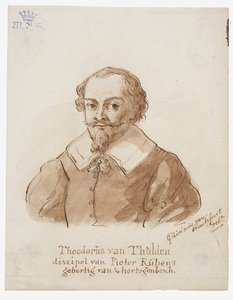
Teodoro van Thulden
1606 - 1669 , Países Bajos
Datos clave
- Artistic Movement Or Style: Barroco
- Artists Or Movements Influenced By This Artist: ['Barroco Flemeco']
- Artists Who Influenced This Artist: ['Rubens']
- Date Of Birth: 9 de agosto de 1606
- Date Of Death: 1669
- Full Name: Theodoor van Thulden
- Nationality: Flemeco
- Notable Artworks:
- Triumph Galathea
- Venus Adonis
- Antiochus Stratonice
- Place Of Birth: Den Bosch, Países Bajos
Artículos relacionados

Rembrandt van Rijn: Las 25 Obras Maestras que Definen un Genio | Arte, Historia y Decoración
Descubre las 25 obras maestras de Rembrandt van Rijn, el genio del barroco holandés. Explora su historia, técnica y simbolismo en retratos icónicos como 'La Ronda Nocturna'. Encuentra reproducciones de arte exclusivas para decorar tu hogar con ArtsDot.com.
Sir Anthony van Dyck: Courtly Portraiture & the Shaping of Baroque Identity
Explore the life & legacy of Sir Anthony van Dyck, the leading court painter of his era. Discover his innovative portraiture, Baroque masterpieces, and investment potential for discerning collectors. Learn more at ArtsDot.

Los 10 Maestros del Barroco Holandés: Obras que Definen una Época | ArtsDot
Descubre los 10 imprescindibles del Barroco holandés: Rembrandt, Vermeer y más. Explora la historia, técnica y belleza de estas obras maestras. Reproducciones de arte en ArtsDot.com para decorar tu hogar con elegancia.

The Dramatic Flourish: Exploring the Baroque Movement's Enduring Legacy in Art History
Explore the dramatic world of Baroque art! Discover iconic artists like Caravaggio & Rubens, defining techniques, and its lasting impact on art history. Expert insights for collectors & enthusiasts at ArtsDot.

Barroco Sublime: 10 Obras Maestras que Definieron una Época |
Descubre las 10 obras maestras del Barroco que marcaron una época. Caravaggio, Bernini y Velázquez cobran vida en . Reproducciones de arte de calidad museo para decorar tu hogar con elegancia. ¡Explora la colección online!