

 Ver en contexto
 Enviar
 Compartir
 Detalles

 Descargar
 Similares
 Radiografía
 Presentación de diapositivas
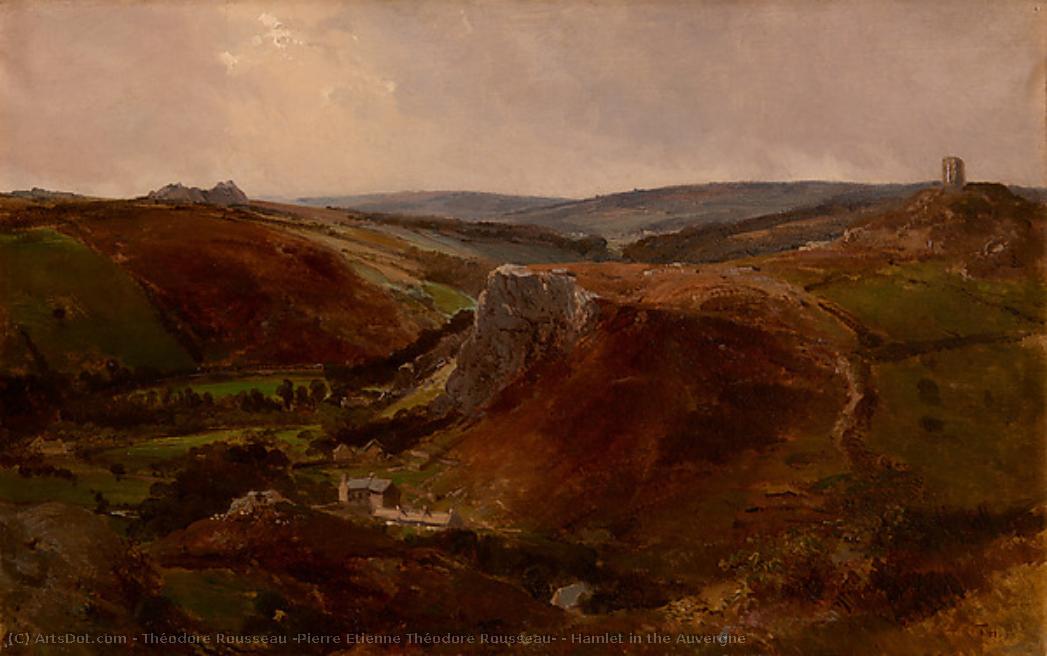
Hamlet in the Auvergne
 Acrylic On Canvas
- WallArt
- Barbizon School
 1830
1830 35.0 x 53.0 cm
 Museo Metropolitano de Arte
 Ver más
Adquiera una imagen digital de alta resolución y optimizada, muy superior a la vista previa en línea.
Cada archivo es preparado meticulosamente por nuestros especialistas internos mediante el uso de herramientas avanzadas y un experto retoque manual. Nos aseguramos de que cada imagen posea una claridad excepcional, una precisión cromática impecable y un detalle minucioso.
El archivo final se entrega por correo electrónico en un plazo de 72 horas, optimizado para su uso inmediato en entornos profesionales, editoriales y de impresión. Esta es la misma calidad en la que confían los estudios de diseño, las editoriales y las galerías de primer nivel.
Imagen Digital
Descarga un archivo de alta resolución para exhibición personal, impresión y proyectos creativos. ( Comprar impresión Comprar pintura hecha a mano)
Incluido en cada pedido de imágenes digitales
Entrega digital experta, garantizada.
Al elegir ArtsDot.com, no solo está adquiriendo una imagen; está recibiendo una obra de arte digital mejorada profesionalmente, elaborada con precisión y respaldada por una garantía de satisfacción. Esto es todo lo que incluye su pedido, automáticamente:

Entrega rápida por email
Recibirá su archivo de imagen digital en alta resolución por correo electrónico en un plazo de 72 horas tras realizar su pedido, listo para su uso inmediato.

Archivo digital optimizado por IA
Su obra de arte se optimiza profesionalmente mediante herramientas avanzadas de IA y edición manual, garantizando el máximo detalle, claridad y precisión cromática.

Reenvío gratuito de por vida
¿Has borrado o perdido tu archivo por error? No te preocupes: te lo volveremos a enviar en cualquier momento, sin coste adicional.

Sin gastos de importación, siempre
Disfrute de su obra de arte al instante sin aduanas, aranceles ni gastos de envío; las descargas digitales siempre están libres de impuestos.

Garantía de fidelidad de color
Garantizamos que su imagen digital refleje los colores originales con la mayor fidelidad posible, mediante el uso de herramientas profesionales y gestión del color.

Garantía de satisfacción de 60 días
Si no está satisfecho con su imagen digital, la revisaremos o le reembolsaremos el 100% en un plazo de 60 días, sin preguntas.

100% Garantía de devolución de dinero
¿No está satisfecho? Obtenga un reembolso completo dentro de los 60 días posteriores a la recepción de su archivo digital, sin necesidad de explicaciones.

Descuentos por pedidos grandes
Compra 3 imágenes, ahorra 10% - Compra 5, ahorra 15% - Compra 10+, ahorra 20%. Ideal para proyectos creativos, galerías y agencias.
The Soul of the Forest: Théodore Rousseau’s *Hamlet in the Auvergne*
Théodore Rousseau's 1830 painting, *Hamlet in the Auvergne*, isn’t merely a landscape; it’s a profound meditation on humanity’s relationship with nature and the quiet dignity of rural life. Nestled within the rugged folds of central France’s Auvergne region—a land of dramatic cliffs and swelling hills—the scene unfolds as if from a high vantage point, capturing a small, unassuming hamlet clinging to the base of a formidable precipice. Rousseau, a pivotal figure in the Barbizon School, eschewed the polished idealism of academic painting, instead embracing a directness and emotional honesty that resonated deeply with his contemporaries. This work exemplifies his core philosophy: to paint not just what he saw, but how he felt about what he saw—a sentiment powerfully expressed through the subtle shifts in light, texture, and color.
Rousseau’s technique is characterized by a remarkable sensitivity to atmosphere. He employs loose, expressive brushstrokes – a hallmark of the Barbizon style – that capture the essence of the landscape rather than meticulously rendering every detail. The palette is muted yet vibrant, dominated by earthy browns, greens, and greys, punctuated by flashes of blue sky and the warm ochre of the stone buildings. Notice how he uses *sfumato*, a technique borrowed from Leonardo da Vinci, to soften edges and create an almost hazy effect, lending the scene a sense of timelessness and mystery. The composition itself is carefully balanced, drawing the eye through the layered hills and towards the distant hamlet, creating a feeling of both intimacy and vastness.
A Moment in Time: Context and Inspiration
The Auvergne region held a particular significance for Rousseau. He spent several summers sketching in this area, drawn to its raw beauty and the simple lives of its inhabitants. This excursion wasn’t simply a commissioned task; it was a deeply personal journey of discovery. As he himself described, the landscape ignited within him an intense emotional response—a desire to capture not just the physical appearance of the region but also the spirit of its people and the profound connection between humanity and the natural world. The painting reflects this intimate engagement with the subject matter, conveying a sense of quiet contemplation and reverence.
The historical context is equally important. Rousseau’s work emerged during a period of significant social and artistic change in France. The Romantic movement was challenging traditional artistic conventions, emphasizing emotion, imagination, and the beauty of nature. Artists like Rousseau were rejecting the rigid rules of the *Académie des Beaux-Arts* and seeking inspiration directly from the natural world. The painting can be seen as a response to the growing urbanization and industrialization of France, a yearning for a simpler, more authentic way of life—a sentiment that resonated powerfully with audiences at the time.
Symbolism and Emotional Resonance
Beyond its picturesque beauty, *Hamlet in the Auvergne* is rich in symbolic meaning. The isolated hamlet represents resilience and self-sufficiency – a small community finding harmony within a challenging environment. The steep cliffs symbolize both obstacles and opportunities—a reminder of humanity’s vulnerability but also its capacity for endurance. The muted colors evoke a sense of melancholy and introspection, reflecting the artist's own feelings about the relationship between man and nature. There is an underlying current of solitude, yet also a feeling of peace and contentment.
Rousseau masterfully captures this emotional complexity through his use of light and shadow. The diffused sunlight filtering through the clouds creates a sense of mystery and drama, while the shadows deepen the sense of isolation and contemplation. The painting invites viewers to step into the scene, to feel the cool breeze on their skin and hear the quiet murmur of the village below. It’s not simply a depiction of a landscape; it's an invitation to connect with something deeper—a shared experience of beauty, solitude, and the enduring spirit of humanity.
A Legacy in Reproduction
Today, *Hamlet in the Auvergne* stands as a testament to Rousseau’s artistic vision. ArtsDot offers meticulously crafted hand-painted reproductions that faithfully capture the essence of this iconic work. Each reproduction is created by skilled artists using traditional techniques and archival quality materials, ensuring that you can enjoy the beauty and emotional depth of this masterpiece for generations to come. Whether adorning a wall in your home or serving as a focal point in a commercial space, a ArtsDot reproduction of *Hamlet in the Auvergne* will bring a touch of rustic charm and timeless elegance to any setting.
Obras relacionadas

Biografía del artista
Théodore Rousseau: The Soul of the Forest
Étienne Pierre Théodore Rousseau (1812-1867) stands as a cornerstone of French Barbizon School painting, an artistic movement that championed realism and celebrated the grandeur of rural landscapes. Born in Paris to a bourgeois family, Rousseau’s early life was marked by a father who initially resisted his son's passion for art – a sentiment that ultimately softened as he witnessed Rousseau’s unwavering dedication to his craft. This familial support proved crucial as Rousseau navigated the turbulent waters of Parisian artistic circles and faced repeated rebuffs from the Salon authorities, institutions notoriously resistant to avant-garde ideas.Early Training & Influences
Rousseau's initial artistic education was modest, yet he quickly demonstrated exceptional talent. Recognizing his aptitude, his father encouraged him to pursue painting seriously, prioritizing it over business ventures. He absorbed influences from artists like Jean-François Millet and Eugène Delacroix, whose depictions of peasant life and dramatic landscapes respectively instilled in him a profound appreciation for capturing the essence of nature. Millet’s meticulous attention to detail—particularly in portraying human figures within rural settings—served as an inspiration for Rousseau's own approach to composition and characterization. Similarly, Delacroix’s expressive brushwork and masterful use of color encouraged Rousseau to experiment with bolder techniques while maintaining a steadfast commitment to conveying emotional depth.The Barbizon School & Artistic Philosophy
Rousseau’s artistic vision centered on portraying the natural world with uncompromising accuracy. Rejecting idealized representations favored by Romanticism, he embraced the Barbizon aesthetic – characterized by muted colors, sketchy brushwork, and a focus on atmospheric perspective—to convey the emotional impact of landscapes. He believed that art should serve as a conduit for observing and understanding nature, mirroring its sublime beauty. This conviction drove him to spend countless hours outdoors, meticulously studying the subtleties of light and shadow, texture and color, striving to capture not merely what he saw but also what he felt—a profound reverence for the untamed wilderness and its inherent spirituality.Rousseau’s Artistic Output
Rousseau's artistic output is distinguished by an extraordinary range of subjects, predominantly focused on forests and rural scenes. However, he wasn't merely documenting the visual appearance of these environments; he sought to convey their spiritual significance—the feeling of awe and reverence inspired by encountering untamed wilderness. Works like “Les Chênes d’Apremont” exemplify his masterful technique, demonstrating a remarkable ability to render textures and tonal variations with astonishing subtlety. The painting captures the dappled sunlight filtering through dense foliage, creating an immersive experience for the viewer. Rousseau achieved considerable fame during his lifetime, securing commissions from prominent patrons and exhibiting regularly at the Salon. Among his most celebrated paintings are “The Great Oaks of the Vieux Bas-Breau,” a monumental depiction of ancient trees bathed in golden light; "View of the Puy de Dome and Royat," showcasing a breathtaking sunset over the volcanic peaks of France; and “La Grenouillère” – a poignant portrayal of a picnic scene on the Loire River, imbued with melancholic beauty. Despite facing considerable hardship and criticism throughout his career, Rousseau persevered in his artistic pursuits until his untimely death in 1867. His legacy extends far beyond the canvases he created; he established a tradition of landscape painting that continues to inspire artists today. Théodore Rousseau remains revered as one of France’s greatest painters—a champion of natural beauty and an enduring symbol of Romantic idealism transformed into unwavering artistic conviction.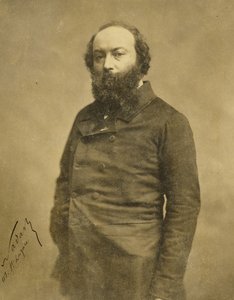
Théodore Rousseau
1812 - 1867 , Francia
Breves datos
- Artistic Movement Or Style: Escuela de Barbizon
- Artists Who Influenced This Artist:
- Jean-François Millet
- Eugène Delacroix
- Date Of Birth: 15 abril de 1812
- Date Of Death: 22 diciembre de 1867
- Full Name: Étienne Pierre Théodore Rousseau
- Nationality: Francés
- Notable Artworks:
- Les Chênes d’Apremont
- La descente des vaches
- Place Of Birth: París, Francia

