

 Ver en contexto
 Enviar
 Compartir
 Detalles

 Descargar
 Similares
 Radiografía
 Presentación de diapositivas
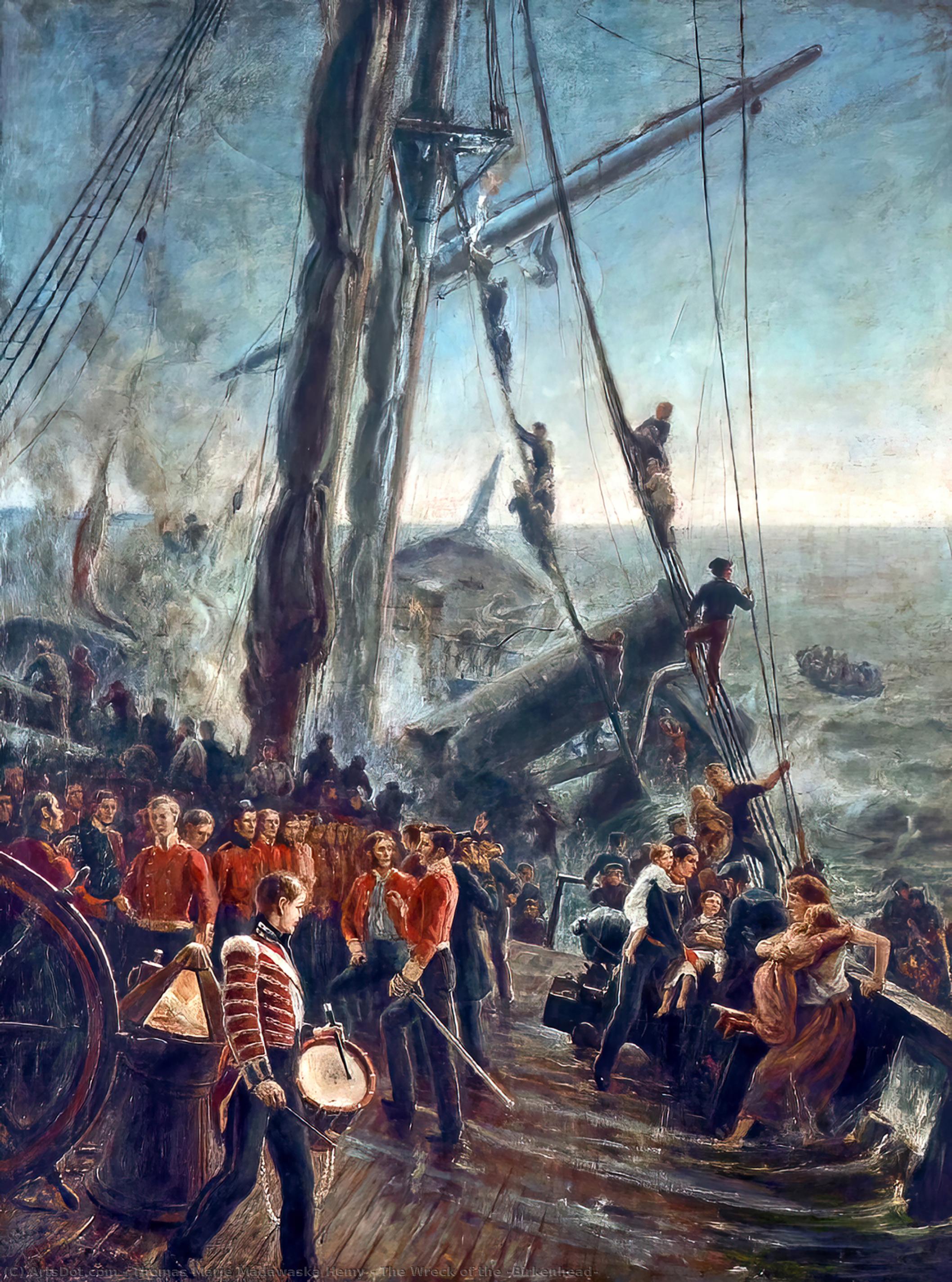
The Wreck of the 'Birkenhead'
 Romanticism
 1922
1922 119.0 x 91.0 cm
 Ver más
Giclée / Impresión de arte
Impresiones giclée o en lienzo de calidad de museo con producción rápida y opciones de acabado flexibles. ( Comprar pintura hecha a mano Comprar imagen)




































Elija entre nuestros tamaños predefinidos que respetan las proporciones originales de la obra.

Puede introducir sus propias dimensiones para adaptarse a un marco o espacio específico. Si el tamaño seleccionado no coincide con las proporciones de la imagen original, recortaremos la obra de arte o extenderemos la imagen con un borde con efecto espejo o de color sólido. Se enviará una maqueta digital para su aprobación antes de que comience la producción.
Tenga en cuenta que la vista previa en pantalla no refleja el recorte o la extensión real. Solo la maqueta mostrará con precisión la composición final.
Aunque existen tamaños personalizados, recomendamos seleccionar una dimensión de la lista predefinida para preservar las proporciones originales.
Envío a todo el mundo () en 2 semanas en lugar de las 4/5 semanas estándar. (29 agosto)

Envío exprés gratuito a todo el mundo

Lienzo de lino de alta calidad

Seguro de envío total

Garantía de reembolso de impuestos aduaneros

Garantía de fidelidad cromática exacta

Política de devolución de 60 días (solo por defectos)

Garantía de devolución del 100% del dinero

Descuento por cantidad
 La opción de vidrio solo está disponible en tamaños inferiores a 110 cm.

The Wreck of the 'Birkenhead'
Giclée / Impresión de arte
Dimensiones de la reproducción
-


Precio total final
$ 62
Obras relacionadas

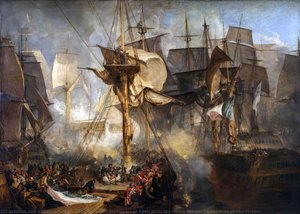

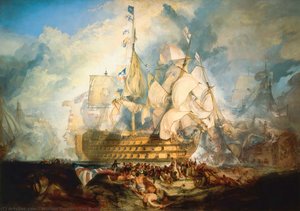
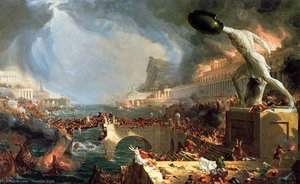

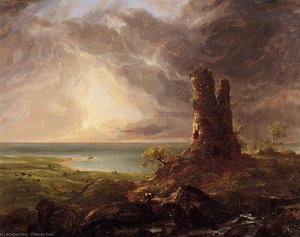
Biografía del artista
Thomas Marie Madawaska Hemy: A Pioneer of Maritime Painting
Thomas Marie Madawaska Hemy (1852-1937) stands as a remarkable figure in British art history, particularly celebrated for his contribution to maritime painting and his enduring legacy as one of Sunderland’s most prominent artists. Born into a large family amidst the burgeoning industrial landscape of Newcastle upon Tyne, Hemy's artistic journey began with formative studies under Verlat in Antwerp—a pivotal experience that instilled in him a profound appreciation for Flemish artistic traditions and techniques. This early exposure would profoundly shape his distinctive style, characterized by meticulous detail and atmospheric realism.- Early Life & Education: Hemy’s upbringing fostered a deep connection to the sea – Sunderland, where he resided throughout his life, being a port city steeped in maritime history—a connection that would become central to his artistic vision. His formal training honed his skills and provided him with invaluable knowledge of composition and color theory.
- Influences & Artistic Style: Hemy’s style drew heavily from the Impressionist movement, particularly artists like Jules Bastien Lepage and Frederic Leighton, who championed capturing fleeting moments of light and emotion. However, unlike many Impressionists, Hemy maintained a disciplined approach to technique—a meticulous attention to detail that distinguished him from his contemporaries.
- Notable Works: Hemy’s oeuvre encompasses a diverse range of subjects, but he is best remembered for his dramatic depictions of shipwrecks and maritime scenes—most notably “The Burning of the Kent” (1890) and “Women and Children First” (1893). These paintings exemplify his masterful command of color and brushwork, conveying both the grandeur of the ocean and the harrowing realities of maritime disasters.
- Recognition & Legacy: Hemy’s artistic achievements garnered considerable acclaim during his lifetime—he was elected into the Royal Academy in 1873—solidifying his position as a respected artist within the British art community. Today, his paintings reside in prestigious institutions such as Sunderland Art Gallery and Laing Art Gallery, ensuring that his contribution to maritime painting continues to inspire admiration and scholarly study.
The Burning of the Kent: A Masterpiece of Dramatic Narrative
“The Burning of the Kent” stands as Hemy’s most iconic achievement—a monumental canvas that captures the harrowing spectacle of a naval disaster with breathtaking precision and emotional intensity. Commissioned by Sunderland Borough Council, the painting depicts the sinking of the East Indiaman Kent off Cape Trafalgar in 1852—a pivotal moment in British naval history during the Crimean War. Hemy’s depiction is not merely a visual record; it's an immersive experience for the viewer—transporting them to the scene of devastation, where flames engulf the ship and sailors struggle valiantly against overwhelming odds.- Composition & Technique: The painting’s composition skillfully guides the eye across the canvas—emphasizing the chaos and terror of the sinking vessel. Hemy employed a technique characterized by layered brushstrokes—creating a palpable sense of movement and texture that captures the flickering flames and billowing smoke.
- Symbolism & Emotional Impact: Beyond its technical brilliance, “The Burning of the Kent” resonates with profound symbolic significance—representing not only the tragedy of maritime loss but also the courage and resilience of human spirit in the face of adversity. Hemy’s masterful portrayal evokes a visceral response from the viewer—stirring empathy for the sailors involved and conveying the overwhelming power of nature.
- Historical Context: The painting's creation coincided with a period of intense national pride—fueled by Britain’s victory at Trafalgar—and it served as a poignant reminder of the sacrifices made in defense of the Empire. Its enduring popularity testifies to its ability to transcend time and place—capturing the essence of human experience in a way that continues to captivate audiences today.
Beyond Kent: Exploring Hemy’s Diverse Artistic Interests
While “The Burning of the Kent” undoubtedly cemented Hemy's reputation as a maritime artist, his artistic endeavors extended beyond this singular masterpiece—demonstrating a remarkable breadth of talent and curiosity. He pursued diverse subjects—including landscapes, portraits, and genre scenes—reflecting an engagement with the multifaceted realities of Victorian life. His meticulous attention to detail—a hallmark of his style—characterized all of his works—regardless of subject matter.- Landscape Painting: Hemy’s landscapes—particularly those depicting the Northumberland Coast—were imbued with a characteristic atmospheric quality—capturing the subtle nuances of light and color that conveyed the beauty and grandeur of the natural world.
- Portraiture: He produced numerous portraits—often commissioned by prominent figures in Sunderland society—demonstrating his skill in capturing likenesses while conveying psychological depth.
- Genre Scenes: Hemy’s genre paintings—depicting everyday life—provided insights into the social customs and traditions of Victorian Britain—offering a glimpse into the lives of ordinary people.
Concluding Reflections: An Artist's Enduring Influence
Thomas Marie Madawaska Hemy passed away in 1937—leaving behind an impressive body of work that continues to inspire admiration and scholarly study. His legacy extends beyond his artistic achievements—he served as a respected figure within the Sunderland art community—promoting artistic excellence and fostering appreciation for visual culture. Today, his paintings reside in prestigious institutions—Sunderland Art Gallery and Laing Art Gallery—ensuring that his contribution to British art history remains vibrant and relevant—a testament to the enduring power of artistic vision and meticulous craftsmanship.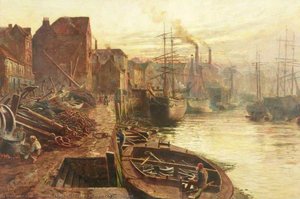
Datos clave
- Artistic Movement Or Style: Victorian Art
- Artists Or Movements Influenced By This Artist: ['Romanticism']
- Artists Who Influenced This Artist: ['Bernard Benedict Hemy']
- Date Of Death: 1937
- Full Name: Thomas Marie Madawaska Hemy
- Nationality: British
- Notable Artworks:
- The Burning of the Kent
- Old Sunderland
- Women and Children First
- Place Of Birth: Newcastle upon Tyne, England
Artículos relacionados
Romantic Realism's Finest: 10 Masterpieces for Your Home | ArtsDot
Explore 10 defining masterpieces of Romantic Realism! Discover Courbet, Millet & Daumier's powerful paintings—capturing emotion and social realities. Find museum-quality reproductions for your home at ArtsDot.com.

The Enduring Legacy of Oil on Canvas: Technique, History & Aesthetic Impact
Explore the rich history & techniques of oil painting – from Renaissance masters to Impressionism. Discover pigments, layering methods, and why this timeless medium endures. Expert insights for artists & art enthusiasts.

El Óleo sobre Lienzo: Historia, Técnica y la Persistencia de un Medio Artístico Atemporal
Descubre la historia y técnica del óleo sobre lienzo. Explora reproducciones fieles hechas a mano, personalización artística y consejos de expertos con ArtsDot. ¡Colecciona arte con confianza!

The Enduring Power of Painting: A Historical & Contemporary Exploration of Form and Emotion
Explore the rich history & enduring techniques of oil painting with ArtsDot. Discover masterpieces, learn about art collecting, and find authentic handmade reproductions crafted by skilled artists.

El Legado Duradero del Óleo sobre Lienzo: Técnica, Historia y Práctica Contemporánea
Descubre la historia y técnica del óleo sobre lienzo. Explora reproducciones fieles hechas a mano, personalización artística y consejos de expertos con .

