 Ver en contexto
 Enviar
 Compartir
 Detalles

 Descargar
 Similares
 Radiografía
 Presentación de diapositivas
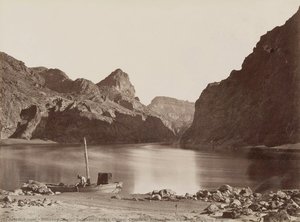
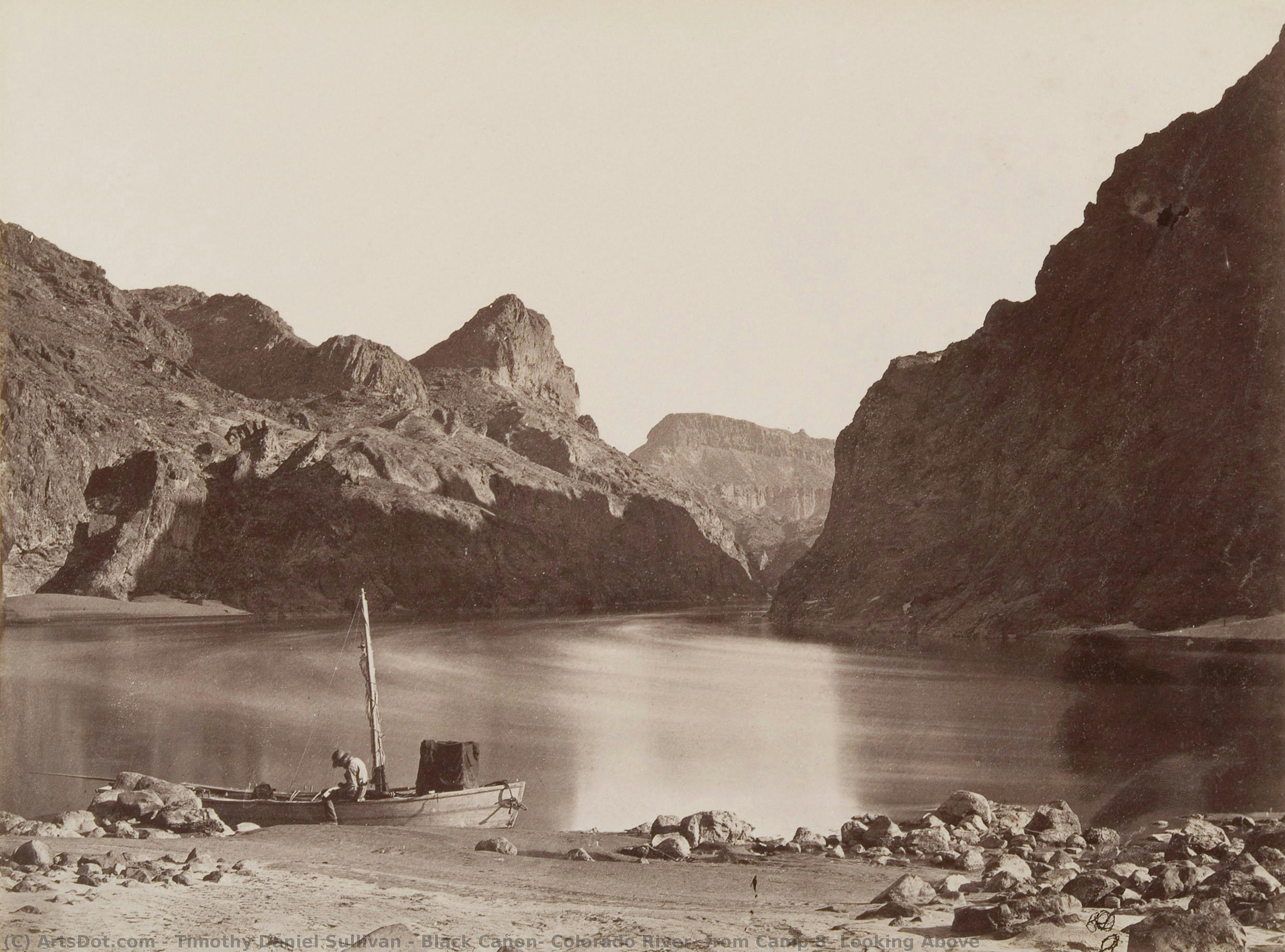
Cañón Negro, Río Colorado desde Camp 8, Mirando Arriba
 Acrílico sobre lienzo
- Arte de pared
- Tonalist Landscape
 1871
1871 27.0 x 20.0 cm
 Amon Carter Museo de Arte Estadounidense
 Ver más
Reproducción al óleo hecha a mano
Óleo sobre lienzo pintado a mano en el tamaño y marco de su elección, realizado por encargo por nuestros artistas. ( Comprar impresión Comprar imagen)




P118B $10

P118H $10

P118W $10

P438Z $10

P508JH $12

P508YH $12

P805H $10

P805Z $10

P919BZ $10

P919G $10

P919XJ $10

P959ZH $10

P968JZ $12

W106C $8

W218G $10

W218JH $8

W218Y $10

W307PJ $10

W316G $10

W316PJ $8

W316Y $10

W398PJ $8

W4111J $10

W500HY $15

W500JH $15

W692G $12

W849H $8

W940BG $15

W953PJ $8




Elija entre nuestros tamaños predefinidos que respetan las proporciones originales de la obra.

Puede ingresar sus propias dimensiones para adaptarse a un marco o espacio específico. Si el tamaño seleccionado no coincide con las proporciones de la imagen original, recortaremos la obra o extenderemos la pintura con elementos adicionales pintados a mano. Se le enviará una maqueta digital para su aprobación antes de comenzar la producción.
Tenga en cuenta que la vista previa en pantalla no refleja el recorte o la extensión reales. Solo la maqueta mostrará con precisión la composición final.
Si bien existen tamaños personalizados, recomendamos seleccionar una dimensión de la lista predefinida para preservar las proporciones originales.
Tras realizar el pedido, el equipo de ArtsDot.com enviará un correo electrónico al cliente para solicitar instrucciones y proporcionarle una vista previa del boceto.
Envío a todo el mundo () en 3-4 semanas en lugar de las 5 semanas estándar. (24 agosto). Sin comprometer la calidad.

Envío exprés gratuito a todo el mundo

Lienzo de lino de alta calidad

Seguro de envío total

Garantía de reembolso de impuestos aduaneros

Garantía de fidelidad cromática exacta

Política de devolución de 60 días (solo por defectos)

Garantía de devolución del 100% del dinero

Descuento por cantidad
 La opción de vidrio solo está disponible en tamaños inferiores a 110 cm.

Cañón Negro, Río Colorado desde Camp 8, Mirando Arriba
Técnica de reproducción
Dimensiones de la reproducción
-


Precio total final
$ 263
Descripción de la obra
Una Vista Imponente al Corazón del Desierto Occidental
El paisaje capturado en esta fotografía sepia de Timothy Daniel Sullivan ofrece una experiencia visual que trasciende el tiempo, invitando al espectador a contemplar la fuerza bruta y la belleza silenciosa del oeste americano. Realizada en 1871 durante la Expedición Oeste del Meridiano Ciento Octavo del Departamento de Guerra Estadounidense, esta obra maestra artística no solo documenta un lugar específico – el Cañón Negro cerca del río Colorado desde Camp 8 – sino que también proyecta una profunda reflexión sobre la condición humana frente a la naturaleza indómita. La composición meticulosa enfatiza las paredes verticales del cañón, dominadas por roca desnuda y coronadas por montañas majestuosas, creando una sensación de profundidad impresionante que guía el ojo hacia lo infinito. Una pequeña embarcación con un único ocupante añade un elemento humano al escenario natural, subrayando la escala del paisaje y ofreciendo una perspectiva íntima sobre la exploración científica y aventurera de la época victoriana. La iluminación suave y difusa contribuye a una atmósfera sombría pero armoniosa, reforzando el carácter simbólico de la imagen. El estilo artístico empleado por Sullivan se caracteriza por la tonalismo, un movimiento que buscaba transmitir emociones y estados psicológicos mediante tonos suaves y ricos en matices. Esta tendencia estética refleja una sensibilidad artística común entre los artistas estadounidenses de principios del siglo XX, quienes rechazaban el brillo excesivo del impresionismo para abrazar una expresión más introspectiva y emocionalmente resonante. Los detalles cuidadosamente observados en la roca desnuda y el reflejo del agua revelan un compromiso con la precisión técnica que era esencial para la fotografía albúmina de ese período. La textura áspera de las paredes rocosas y la superficie ondulada del agua se representan con maestría mediante el proceso albúmina, que involucró aplicar una capa fina de huevo blanco sobre papel sensibilizado a la luz antes de exponerlo al sol y desarrollar la imagen con productos químicos especiales. Este método de impresión permitió obtener tonos ricos y complejos que capturaban la esencia del paisaje con una fidelidad excepcional. Además, las líneas fuertes y angulares que definen los bordes de las paredes rocosas y montañas refuerzan la sensación de estabilidad y grandeza, mientras que las formas geométricas dominadas por triángulos y rectángulos crean un equilibrio visual armonioso. En definitiva, esta fotografía no solo representa un lugar físico sino también una condición emocional: la soledad contemplativa ante la magnitud del universo natural. El Cañón Negro simboliza la resistencia frente a los desafíos de la vida cotidiana y ofrece una invitación a abrazar la belleza silenciosa y poderosa del mundo exterior. Una pieza esencial para comprender el espíritu artístico y científico del siglo XIX, esta obra sigue inspirando admiración y reflexión en aquellos que buscan conectar con la esencia misma de la naturaleza humana.Obras relacionadas

Biografía del artista
early life and career
Timothy Daniel Sullivan, born May 29, 1862, in the impoverished Five Points district of New York City—a crucible of immigrant culture and urban hardship—lived a life profoundly shaped by both political ambition and artistic inclination. His father, Daniel O. Sullivan, emigrated from County Kerry, Ireland, seeking opportunity in America’s burgeoning industrial landscape. Catherine Connelly, his mother, instilled in him a strong moral compass rooted in her Irish Catholic faith. From these formative influences emerged a man destined for prominence within Tammany Hall, New York City's dominant political machine—a figure whose influence extended across decades and whose legacy continues to resonate today. Sullivan’s early career began as an apprentice photographer’s assistant at Mathew Brady’s Fulton Street gallery, immersing him in the burgeoning field of pictorial journalism and exposing him to the revolutionary techniques of daguerreotyping. This experience would prove invaluable when he joined Alexander Gardner's photographic studio, marking the start of his collaboration with one of America’s foremost Civil War photographers. Recognizing the transformative potential of photography as a tool for documenting history and shaping public opinion, Sullivan embraced this medium wholeheartedly—a decision that would define much of his artistic output.artistic pursuits
Despite his towering physique and commanding presence—epitomized by nicknames like “Dry Dollar,” “Big Feller,” and eventually “Big Tim”—Sullivan harbored a secret passion for art that belied the stereotype of the brutish politician. While biographical records concerning his artistic endeavors remain scarce, evidence suggests he possessed considerable talent and was deeply attuned to the aesthetic currents of his time. Sullivan’s artistic style aligns closely with the tonalist movement—a trend gaining traction in late 19th-century America that prioritized atmospheric effects and subdued color palettes over dramatic contrasts. Artists like George Caleb Bingham and Frederic Church championed this approach, seeking to convey emotion and psychological depth through landscapes rendered in muted hues and hazy tones. Sullivan’s paintings often depict scenes from New York City's underbelly—the Bowery and Lower East Side—capturing the gritty realities of urban life with remarkable sensitivity. These canvases offer a poignant glimpse into the social conditions of the era, reflecting the anxieties and aspirations of ordinary people grappling with rapid industrialization and immigration pressures. Although few Sullivan artworks have achieved widespread recognition in major museums, they stand as testament to his artistic vision—a quiet counterpoint to his formidable political career.influence and collaborators
Sullivan’s artistic journey was inextricably linked to collaborations with fellow photographers and artists who shared his commitment to documenting the American experience. Notably, he worked alongside Alexander Gardner during the Civil War, producing a series of photographs that captured pivotal moments in the conflict—from Fort Walker to Gettysburg—and documented the suffering endured by Union soldiers. These images were published in Gardner’s Photographic Sketch Book of the War, establishing Sullivan as one of America's foremost visual chroniclers of the era. Furthermore, he befriended Clarence King, a geologist and fellow Ruskinian group member who championed the integration of art into scientific inquiry—a conviction that profoundly shaped Sullivan’s artistic sensibilities. Together, they explored the grandeur of the American West, producing evocative landscapes that celebrated its natural beauty while simultaneously conveying a sense of awe and wonder.major achievements
Sullivan's political career culminated in his tenure as Governor General of New York from 1894 to 1902—a position he held with unwavering dedication and shrewd pragmatism. During this period, he spearheaded legislative initiatives aimed at bolstering organized labor rights and advancing women’s suffrage—demonstrating a commitment to social justice that transcended partisan divides. Perhaps his most enduring legacy rests upon the Sullivan Act of 1894—a landmark gun control law that significantly curtailed access to firearms in New York City—reflecting his conviction that safeguarding public safety demanded proactive measures. Beyond these legislative accomplishments, Sullivan’s influence extended across various spheres of civic life—from vaudeville theaters and nickelodeons to athletic clubs—solidifying his reputation as a multifaceted figure who shaped the cultural landscape of New York City during its transformative decades.historical significance
Timothy Daniel Sullivan remains an enigmatic yet undeniably important figure in American history—a man whose artistic pursuits served as a counterbalance to his political ambitions and whose legacy continues to inspire debate and reflection. His photographs offer invaluable insights into the social conditions of the Civil War era and the burgeoning American West—capturing not only visual splendor but also profound emotional resonance. As an advocate for labor rights and women’s suffrage, Sullivan championed progressive ideals that challenged prevailing societal norms—leaving an indelible mark on the trajectory of American reform movements. Ultimately, Sullivan's story exemplifies the complexities inherent in navigating personal passions alongside civic responsibilities—a narrative that underscores the enduring fascination with this remarkable man and his contribution to shaping the nation's cultural heritage.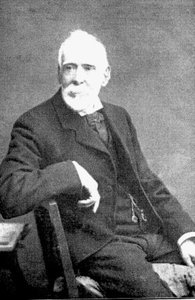
Timothy Daniel Sullivan
1862 - 1913 , Estados Unidos
Datos clave
- Artistic Movement Or Style: Tonalismo
- Artists Or Movements Influenced By This Artist: ['Hudson River School']
- Artists Who Influenced This Artist: ['Thomas Moran']
- Date Of Birth: Mayo 29, 1862
- Date Of Death: Marzo 31, 1914
- Full Name: Timothy Daniel Sullivan
- Nationality: Americano
- Notable Artworks: ['La Vieja']
- Place Of Birth: Nueva York Ciudad, Estados Unidos
Artículos relacionados

Las 10 Pinturas Más Famosas Dominadas por el Negro | Arte y Decoración
Descubre las 10 pinturas más impactantes dominadas por el negro. Explora obras maestras de Rembrandt, Goya y Rothko, su historia y significado. Encuentra reproducciones de arte exclusivas para transformar tu hogar en .
Las 10 Obras Maestras Dominadas por el Negro Marsella: Arte y Decoración
Descubre las 10 pinturas más famosas dominadas por el negro marsella. Explora la historia, técnica y simbolismo de obras maestras del expresionismo alemán, gótico y arte moderno. Reproducciones de museos en .

Monochrome Visions: Exploring the Aesthetic & Historical Significance of Black & White Photography
Explore the rich history & artistic power of black and white photography. From early techniques to iconic masters like Ansel Adams, discover why monochrome continues to captivate art lovers today. Expert insights for collectors.

Los 10 Maestros de la Fotografía Documental: Obras que Cambiaron el Arte y la Decoración
Descubre los 10 iconos de la fotografía documental que cambiaron el arte. Explora las historias detrás de obras maestras de Dorothea Lange, Robert Capa y más. Reproducciones de alta calidad para decorar tu hogar con arte atemporal en .
Los 10 Cuadros Más Famosos Dominados por el Negro Marfil: Arte y Decoración
Descubre los 10 cuadros más impactantes dominados por el negro marfil. Explora la historia de Rembrandt, Van Gogh y otros maestros del arte clásico y moderno. Encuentra reproducciones de alta calidad para tu hogar en