 Ver en contexto
 Enviar
 Compartir
 Detalles

 Descargar
 Similares
 Radiografía
 Presentación de diapositivas
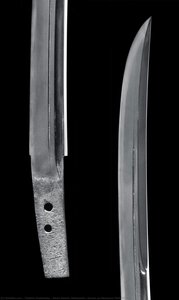
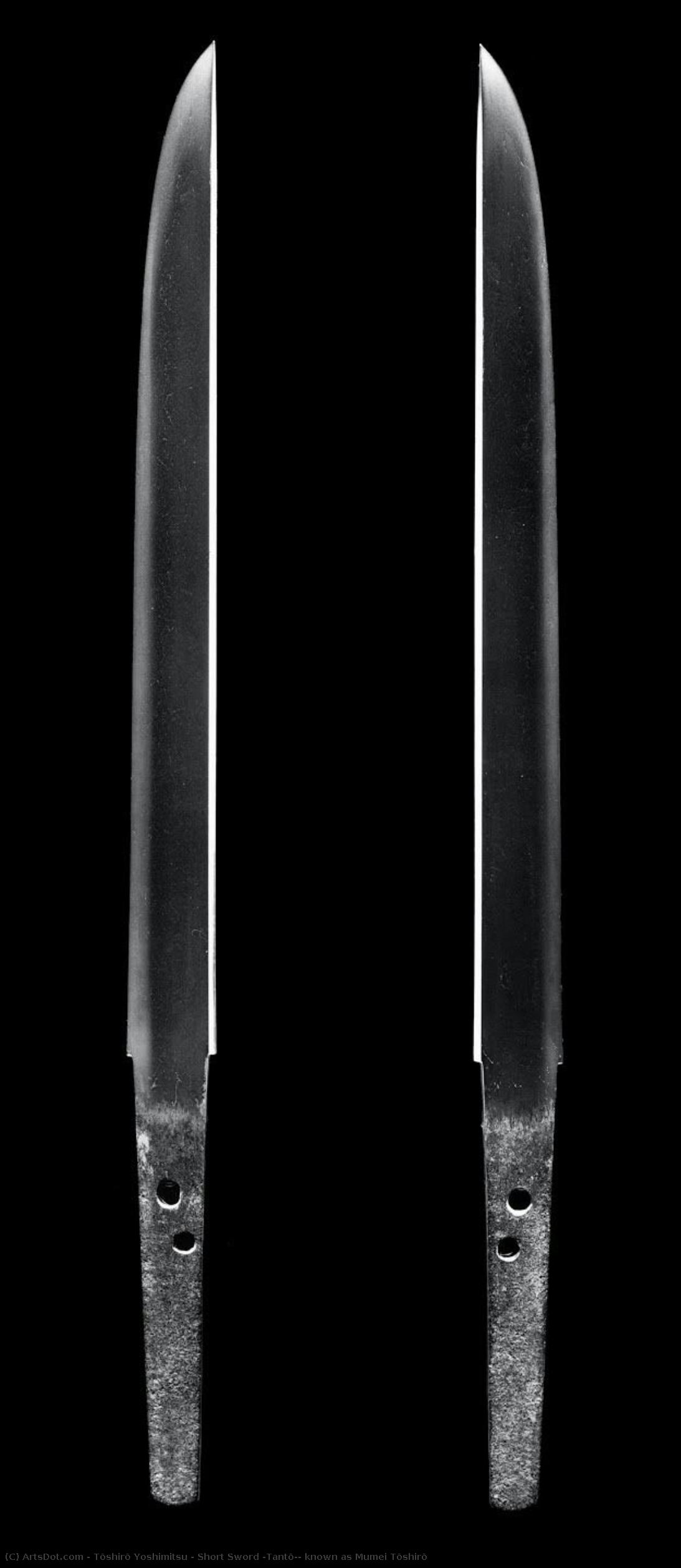
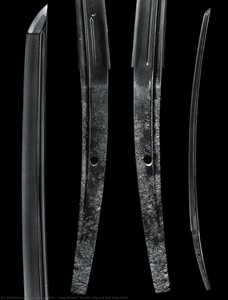
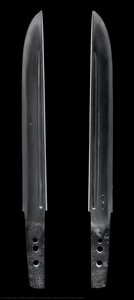
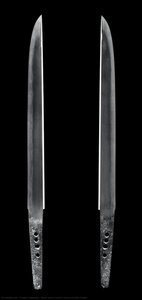
Short Sword (Tantō), known as Mumei Tōshirō


 Ver más
Adquiera una imagen digital de alta resolución y optimizada, muy superior a la vista previa en línea.
Cada archivo es preparado meticulosamente por nuestros especialistas internos mediante el uso de herramientas avanzadas y un experto retoque manual. Nos aseguramos de que cada imagen posea una claridad excepcional, una precisión cromática impecable y un detalle minucioso.
El archivo final se entrega por correo electrónico en un plazo de 72 horas, optimizado para su uso inmediato en entornos profesionales, editoriales y de impresión. Esta es la misma calidad en la que confían los estudios de diseño, las editoriales y las galerías de primer nivel.
Imagen Digital
Descarga un archivo de alta resolución para exhibición personal, impresión y proyectos creativos. ( Comprar impresión Comprar pintura hecha a mano)
Incluido en cada pedido de imágenes digitales
Entrega digital experta, garantizada.
Al elegir ArtsDot.com, no solo está adquiriendo una imagen; está recibiendo una obra de arte digital mejorada profesionalmente, elaborada con precisión y respaldada por una garantía de satisfacción. Esto es todo lo que incluye su pedido, automáticamente:

Entrega rápida por email
Recibirá su archivo de imagen digital en alta resolución por correo electrónico en un plazo de 72 horas tras realizar su pedido, listo para su uso inmediato.

Archivo digital optimizado por IA
Su obra de arte se optimiza profesionalmente mediante herramientas avanzadas de IA y edición manual, garantizando el máximo detalle, claridad y precisión cromática.

Reenvío gratuito de por vida
¿Has borrado o perdido tu archivo por error? No te preocupes: te lo volveremos a enviar en cualquier momento, sin coste adicional.

Sin gastos de importación, siempre
Disfrute de su obra de arte al instante sin aduanas, aranceles ni gastos de envío; las descargas digitales siempre están libres de impuestos.

Garantía de fidelidad de color
Garantizamos que su imagen digital refleje los colores originales con la mayor fidelidad posible, mediante el uso de herramientas profesionales y gestión del color.

Garantía de satisfacción de 60 días
Si no está satisfecho con su imagen digital, la revisaremos o le reembolsaremos el 100% en un plazo de 60 días, sin preguntas.

100% Garantía de devolución de dinero
¿No está satisfecho? Obtenga un reembolso completo dentro de los 60 días posteriores a la recepción de su archivo digital, sin necesidad de explicaciones.

Descuentos por pedidos grandes
Compra 3 imágenes, ahorra 10% - Compra 5, ahorra 15% - Compra 10+, ahorra 20%. Ideal para proyectos creativos, galerías y agencias.
Obras relacionadas
Biografía del artista
The Enigmatic Blades of Tōshirō Yoshimitsu
Tōshirō Yoshimitsu, a name whispered with reverence among connoisseurs of Japanese swordsmanship, stands as one of the most celebrated smiths of the Kamakura period (1185-1333). Unlike many artisans whose lives are shrouded in detailed documentation, Yoshimitsu’s story is pieced together from the blades themselves – their exceptional quality and distinctive characteristics serving as his enduring biography. He flourished in Kyoto, a center of artistic and cultural refinement, belonging to the esteemed Awataguchi school, a lineage known for its innovative techniques and dedication to forging swords of unparalleled beauty and strength.
A Legacy Forged in Steel
Yoshimitsu’s precise origins remain somewhat elusive. He is believed to have been either a disciple of Norikuni or Kuniyoshi, both prominent smiths within the Awataguchi tradition. This school distinguished itself by moving away from the more traditional methods prevalent at the time, embracing a new aesthetic that prioritized elegance and refinement alongside formidable cutting power. The Kamakura period was an era defined by the rise of the samurai class and their increasing demand for superior weaponry. Yoshimitsu responded to this need with exceptional skill, becoming particularly renowned for his mastery of short swords – the wakizashi and tanto. These blades were not merely weapons; they were symbols of status, artistry, and personal honor.
The Artistry of ‘Toshiro’
What truly sets Yoshimitsu apart is the unique quality that earned him his nickname, “Toshiro.” This designation refers to a specific characteristic found in his blades: an exceptionally thick cross-section. While seemingly subtle, this feature imparted remarkable strength and resilience to the swords, making them highly prized by warriors. Beyond this defining trait, Yoshimitsu’s work is characterized by a dynamic hamon – the temper line that reveals the blade's hardened edge – often displaying a complex interplay of patterns. His forging technique resulted in a fine grain structure (hada) and a lustrous polish, further enhancing the aesthetic appeal of his creations. He was not simply crafting swords; he was creating works of art imbued with both power and grace.
Influence and Historical Context
Yoshimitsu’s influence extended far beyond his own lifetime. His blades became highly sought after by powerful figures, including Toyotomi Hideyoshi, the unifier of Japan in the late 16th century. Hideyoshi, a passionate collector of exceptional swords, counted Yoshimitsu among his “Three Great Masters,” alongside Masamune and Yoshihiro. This recognition cemented Yoshimitsu’s place in Japanese sword history. The fact that blades attributed to him were listed in prestigious catalogues like the Kyōho meibutsu chō – a compendium of Japan's most famous swords compiled in the early 18th century – speaks volumes about his enduring reputation. The rediscovery of previously lost works, such as the katana once held by the Konoe family, continues to fuel scholarly interest and admiration for his artistry.
A Lasting Symbol of Japanese Craftsmanship
Today, Tōshirō Yoshimitsu’s blades are treasured heirlooms, residing in museums and private collections around the world. They represent not only the pinnacle of Kamakura-period swordsmithing but also a profound understanding of materials, technique, and aesthetic principles. His legacy extends beyond the physical beauty of his creations; it embodies the spirit of Japanese craftsmanship – a dedication to perfection, an unwavering pursuit of excellence, and a deep respect for tradition. The study of Yoshimitsu’s work offers invaluable insights into the cultural values and artistic sensibilities of medieval Japan, ensuring that his name will continue to be revered by collectors and scholars for generations to come.