 Ver en contexto
 Enviar
 Compartir
 Detalles

 Descargar
 Similares
 Radiografía
 Presentación de diapositivas
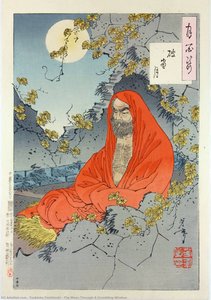
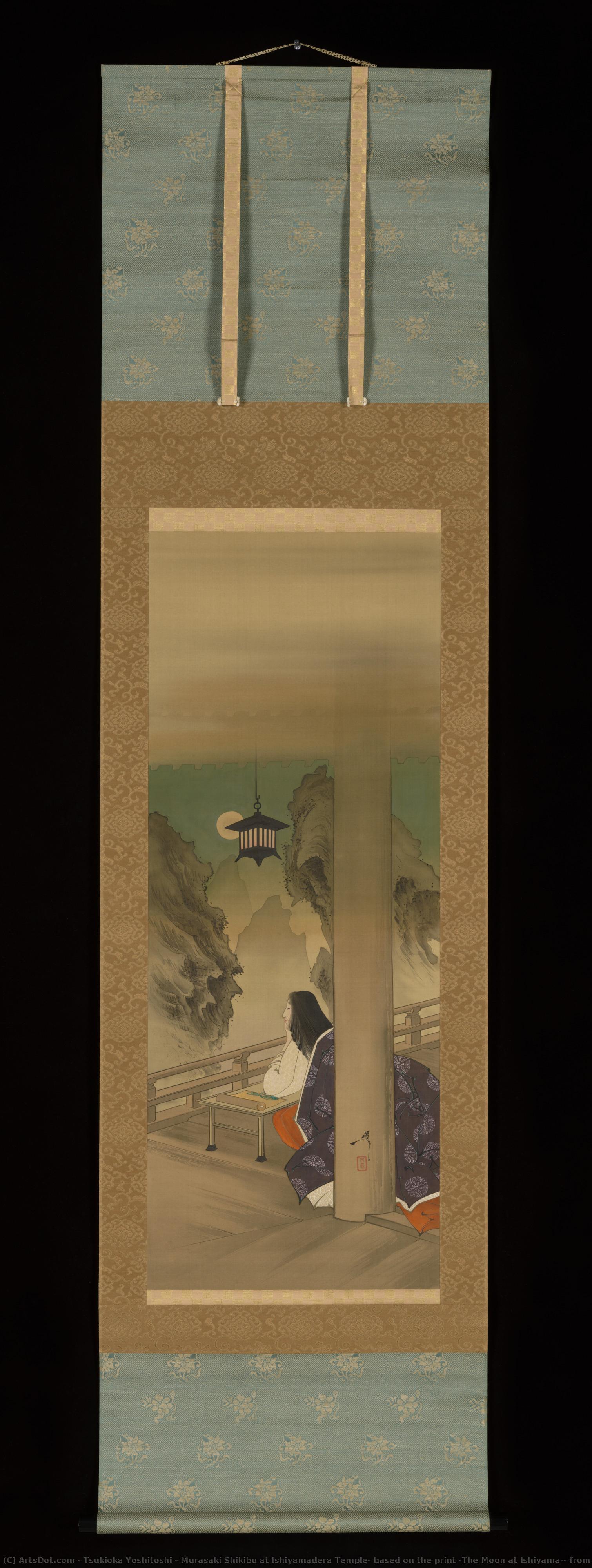
Murasaki Shikibu at Ishiyamadera Temple, based on the print “The Moon at Ishiyama,” from the series One Hundred Aspects of the Moon (Tsuki hyakushi: Ishiyama no tsuki)
 Painting
- Ukiyo-e
 1892
1892- 19th Century
 105.0 x 41.0 cm
 Ver más
Giclée / Impresión de arte
Impresiones giclée o en lienzo de calidad de museo con producción rápida y opciones de acabado flexibles. ( Comprar pintura hecha a mano Comprar imagen)




P118B $10

P118H $10

P118W $10

P438Z $10

P508JH $12

P508YH $12

P805H $10

P805Z $10

P919BZ $10

P919G $10

P919XJ $10

P959ZH $10

P968JZ $12

W106C $8

W218G $10

W218JH $8

W218Y $10

W307PJ $10

W316G $10

W316PJ $8

W316Y $10

W398PJ $8

W4111J $10

W500HY $15

W500JH $15

W692G $12

W849H $8

W940BG $15

W953PJ $8




Elija entre nuestros tamaños predefinidos que respetan las proporciones originales de la obra.

Puede introducir sus propias dimensiones para adaptarse a un marco o espacio específico. Si el tamaño seleccionado no coincide con las proporciones de la imagen original, recortaremos la obra de arte o extenderemos la imagen con un borde con efecto espejo o de color sólido. Se enviará una maqueta digital para su aprobación antes de que comience la producción.
Tenga en cuenta que la vista previa en pantalla no refleja el recorte o la extensión real. Solo la maqueta mostrará con precisión la composición final.
Aunque existen tamaños personalizados, recomendamos seleccionar una dimensión de la lista predefinida para preservar las proporciones originales.
Envío a todo el mundo () en 2 semanas en lugar de las 4/5 semanas estándar. (26 agosto)

Envío exprés gratuito a todo el mundo

Lienzo de lino de alta calidad

Seguro de envío total

Garantía de reembolso de impuestos aduaneros

Garantía de fidelidad cromática exacta

Política de devolución de 60 días (solo por defectos)

Garantía de devolución del 100% del dinero

Descuento por cantidad
 La opción de vidrio solo está disponible en tamaños inferiores a 110 cm.

Murasaki Shikibu at Ishiyamadera Temple, based on the print “The Moon at Ishiyama,” from the series One Hundred Aspects of the Moon (Tsuki hyakushi: Ishiyama no tsuki)
Giclée / Impresión de arte
Dimensiones de la reproducción
-


Precio total final
$ 62
Descripción de la pieza
A Moment of Literary Genesis
In the quiet, contemplative depths of Tsukioka Yoshitoshi’s 1892 masterpiece, Murasaki Shikibu at Ishiyamadera Temple, we are invited to witness a sacred moment of creative birth. This evocative painting, part of the legendary series One Hundred Aspects of the Moon, captures the Heian-era noblewoman and author at the very precipice of literary immortality. As she sits poised before her writing desk, the weight of history feels palpable. Yoshitoshi does not merely depict a woman writing; he illustrates the profound stillness required for the soul to translate inspiration into the written word—a moment that would eventually yield the monumental Tale of Genji.
The composition breathes with a unique atmospheric tension. Unlike many of his predecessors who sought to capture the sweeping, romantic vistas of Lake Biwa, Yoshitoshi directs our gaze toward the rugged, craggy outcrops of wollastonite stone that define Ishiyamadera. This deliberate departure from tradition grounds the scene in a tactile, earthly reality. The interplay between the delicate, silk-clad figure and the sharp, unyielding textures of the landscape creates a visual metaphor for the human spirit attempting to capture the ephemeral beauty of the moon within the permanence of ink and paper.
Mastery of the Ukiyo-e Legacy
As the last great master of the ukiyo-e tradition, Yoshitoshi brings an unparalleled dramatic flair to this work. His technique seamlessly blends the classical elegance of woodblock print aesthetics with a more fluid, painterly sensibility that reflects the changing tides of Meiji-era Japan. The brushwork is masterful, capturing the intricate folds of the traditional kimono and the soft, organic presence of the birds that surround the protagonist. These avian companions, perched near her and upon her shoulders, act as silent witnesses to her genius, adding a layer of natural harmony and gentle movement to an otherwise meditative scene.
For the discerning collector or interior designer, this piece offers a profound sense of tranquility and intellectual depth. The color palette, though subtle, evokes the cool, nocturnal atmosphere of a moonlit temple night, making it an exquisite focal point for spaces dedicated to study, reflection, or sophisticated repose. To possess a reproduction of this work is to bring a fragment of Japan’s golden literary age into the modern home, offering a window into a world where nature, myth, and literature are inextricably entwined.
Symbolism and Emotional Resonance
Beyond its technical brilliance, the painting serves as a powerful symbol of the intersection between solitude and creation. The presence of the other figures—shadowy presences in the periphery—emphasizes Murasaki’s internal isolation, a necessary state for the profound introspection required by her craft. The craggy landscape, while geographically divergent from traditional depictions, symbolizes the strength and endurance of the literary legacy she was forging.
Every element, from the placement of the birds to the ruggedness of the stone, contributes to an emotional resonance that is both haunting and serene. It is a piece that invites the viewer to pause, to breathe, and to contemplate their own moments of inspiration. Whether displayed in a curated gallery setting or as a centerpiece in a luxurious living space, this artwork continues to captivate with its ability to bridge the gap between the historical past and the emotional present.
Obras relacionadas
Biografía del artista
Tsukioka Yoshitoshi: Una Vida en Grabados de Madera
Primeros Años y Formación
- Nacido: 30 de abril de 1839, en el distrito de Shimbashi del antiguo Edo (Tokio), Japón como Owariya Yonejiro.
- Mostró un interés temprano por el arte y comenzó clases con su tío a los cinco años.
- Aprendizaje: En 1850, a los once años, fue aprendiz de Utagawa Kuniyoshi, un maestro de la impresión japonesa en madera. Recibió el nombre artístico “Yoshitoshi” a través de esta aprendizaje.
- Su padre era un rico comerciante que había alcanzado el estatus de samurái.
Carrera Artística y Desarrollo
- Primeras Obras: La primera impresión de Yoshitoshi fue en 1853, pero su producción se mantuvo limitada hasta después de la muerte de Kuniyoshi en 1861.
- “Impresiones Sanguinolentas”: Ganó reconocimiento por grabados que representaban violencia y muerte gráfica, reflejando los tiempos turbulentos de la transición de Japón. Estos estaban inspirados por la pérdida personal y el descontento social.
- Series y Temas: Publicó obras en series como Tsūzoku saiyūki (“Un Viaje Moderno al Oeste”) y Wakan hyaku monogatari (“Cien Historias de China y Japón”). Su obra a menudo presentaba escenas históricas, actores de Kabuki y temas míticos.
- Innovación: Yoshitoshi fusionó la estética japonesa tradicional con influencias occidentales en la composición y la perspectiva.
Obras Notables
- Tokugawa Iemitsu recibe a los señores en audiencia: Un llamativo grabado en madera que se conserva en el Museo de Arte del Condado de Los Ángeles.
- Guerrero (General Yamanaka Shikanasake): Demuestra su habilidad para representar la acción dinámica y el personaje.
- Serie Musha-e: Su serie de grabados guerreros, conocida como Musha Burui, es particularmente celebrada por su intensidad dramática.
Influencias y Legado
- Influenciado Por: Principalmente Utagawa Kuniyoshi, del cual aprendió dibujo y composición. También influenciado por las técnicas artísticas occidentales introducidas a través de la colección de Kuniyoshi.
- Influencia En: Si bien su influencia directa es debatida, el estilo innovador de Yoshitoshi allanó el camino para futuras generaciones de artistas japoneses.
- Significado Histórico: Se considera el último gran maestro del Ukiyo-e, preservando y elevando la forma de arte durante un período de rápida modernización en Japón. Su obra captura un momento crucial en la historia japonesa.
- Una Lucha Contra el Tiempo: Yoshitoshi trabajó incansablemente para mantener las técnicas tradicionales de impresión en madera a medida que Japón adoptaba métodos occidentales como la fotografía y la litografía.
Últimos Años y Muerte
- Yoshitoshi continuó produciendo arte hasta su muerte el 9 de junio de 1892.
- Reputación Duradera: Su coraje y visión artística garantizaron la supervivencia del Ukiyo-e para otra generación. Hoy en día, se reconoce como uno de los mayores artistas de Japón.
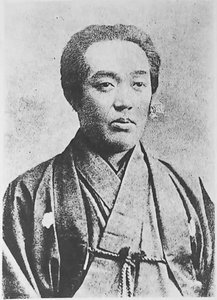
Tsukioka Yoshitoshi
1839 - 1892 , Japón
Datos clave
- Artistas Que Influyeron: ['Utagawa Kuniyoshi']
- Fecha De Muerte: 9 de junio de 1892
- Fecha De Nacimiento: 30 de abril de 1839
- Influencia En Artistas: ['Futuras generaciones de artistas']
- Lugar De Nacimiento: Tokio, Japón
- Movimiento Artístico: Ukiyo-e
- Nacionalidad: Japonés
- Nombre Completo: Tsukioka Yoshitoshi
- Obras Notables:
- Tokugawa Iemitsu recibiendo señores
- Guerrero (General Yamanaka Shikanasake)
- Serie Musha Burui
Artículos relacionados
Tsukioka Yoshitoshi: A Master of Ukiyo-e's Final Flourish – Narrative, Innovation, and the Meiji Transition
Explore the life & art of Tsukioka Yoshitoshi, the last great master of ukiyo-e woodblock printing. Discover his dramatic warrior prints, innovative series like 'One Hundred Aspects of the Moon,' and legacy reflecting Japan's Meiji transition.

Katsushika Hokusai: Las 25 Obras Maestras del Ukiyo-e que Transformaron el Arte Japonés | ArtsDot
Descubre las 25 obras maestras de Katsushika Hokusai, el genio del ukiyo-e. Explora 'La Gran Ola', paisajes japoneses y su impacto en el arte moderno. Reproducciones de alta calidad para tu hogar en ArtsDot.com.
Ukiyo-e: Un Viaje al Corazón del Mundo Flotante Japonés y su Legado Artístico
Descubre el fascinante mundo del Ukiyo-e, el arte japonés del Período Edo. Explora las técnicas de grabado, los maestros Hokusai y Hiroshige, y su legado perdurable. ¡Un viaje cultural inolvidable!
Suzuki Harunobu: Pioneering Ukiyo-e & the Refinement of Edo Period Printmaking
Discover the revolutionary world of Suzuki Harunobu, a pioneer of ukiyo-e printmaking. Explore his exquisite nishiki-e techniques, diverse subjects & lasting impact on Japanese art history. Learn more at ArtsDot.
The Enduring Legacy of Woodblock Printmaking: Technique, History & Artistic Expression
Explore the rich history of woodblock printmaking – from ancient techniques to Ukiyo-e masterpieces. Discover expert insights on collecting, preserving & appreciating this enduring art form.