 Ver en contexto
 Enviar
 Compartir
 Detalles

 Descargar
 Similares
 Radiografía
 Presentación de diapositivas
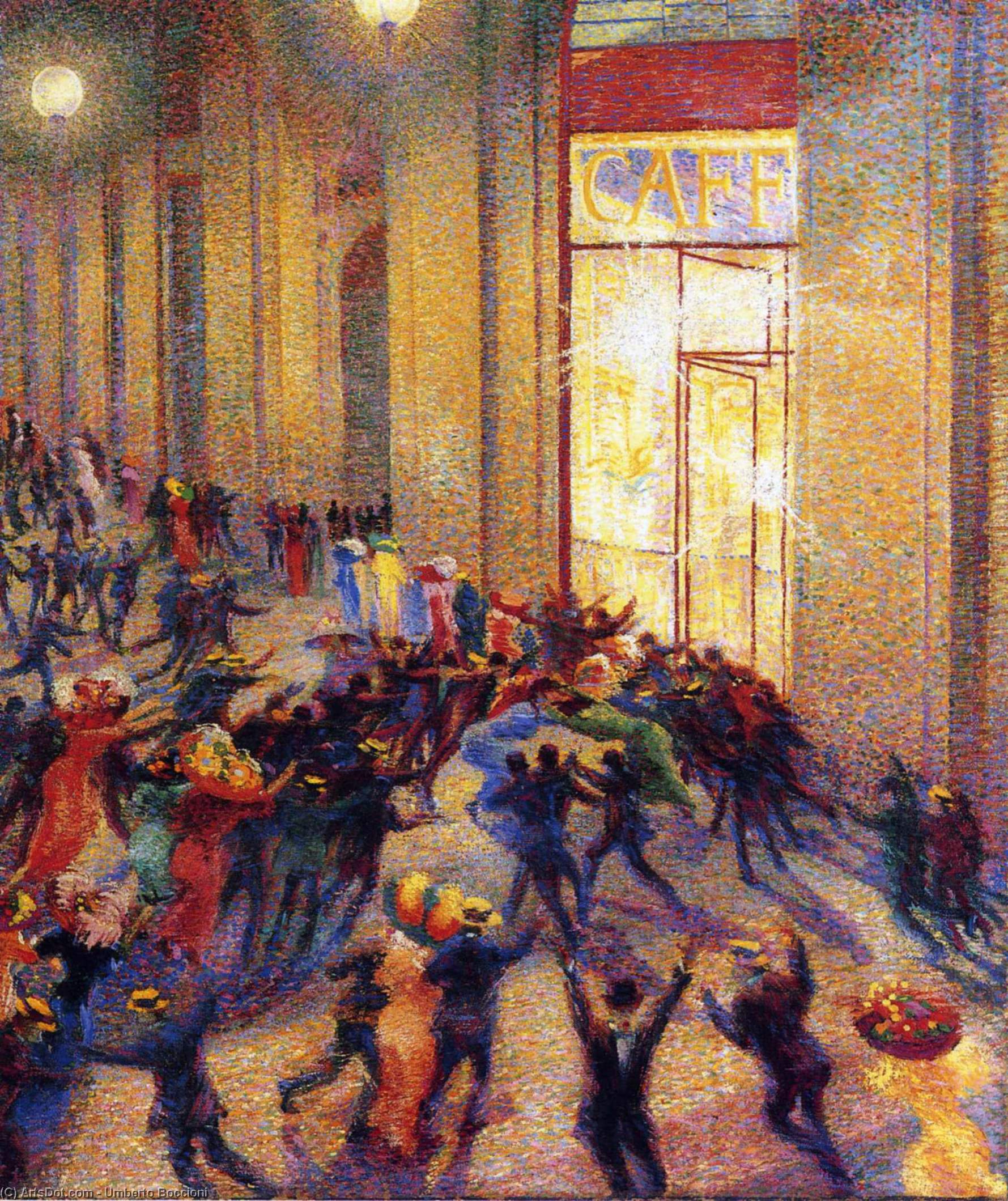
¡Asalto en la Galería!
 Óleo sobre lienzo
- Arte de pared
- Futurist Movement
 1909
1909- Arte moderno
 64.0 x 76.0 cm
 Ver más
Giclée / Impresión de arte
Impresiones giclée o en lienzo de calidad de museo con producción rápida y opciones de acabado flexibles. ( Comprar pintura hecha a mano Comprar imagen)




P118B $10

P118H $10

P118W $10

P438Z $10

P508JH $12

P508YH $12

P805H $10

P805Z $10

P919BZ $10

P919G $10

P919XJ $10

P959ZH $10

P968JZ $12

W106C $8

W218G $10

W218JH $8

W218Y $10

W307PJ $10

W316G $10

W316PJ $8

W316Y $10

W398PJ $8

W4111J $10

W500HY $15

W500JH $15

W692G $12

W849H $8

W940BG $15

W953PJ $8




Elija entre nuestros tamaños predefinidos que respetan las proporciones originales de la obra.

Puede introducir sus propias dimensiones para adaptarse a un marco o espacio específico. Si el tamaño seleccionado no coincide con las proporciones de la imagen original, recortaremos la obra de arte o extenderemos la imagen con un borde con efecto espejo o de color sólido. Se enviará una maqueta digital para su aprobación antes de que comience la producción.
Tenga en cuenta que la vista previa en pantalla no refleja el recorte o la extensión real. Solo la maqueta mostrará con precisión la composición final.
Aunque existen tamaños personalizados, recomendamos seleccionar una dimensión de la lista predefinida para preservar las proporciones originales.
Envío a todo el mundo () en 2 semanas en lugar de las 4/5 semanas estándar. (25 agosto)

Envío exprés gratuito a todo el mundo

Lienzo de lino de alta calidad

Seguro de envío total

Garantía de reembolso de impuestos aduaneros

Garantía de fidelidad cromática exacta

Política de devolución de 60 días (solo por defectos)

Garantía de devolución del 100% del dinero

Descuento por cantidad
 La opción de vidrio solo está disponible en tamaños inferiores a 110 cm.

¡Asalto en la Galería!
Giclée / Impresión de arte
Dimensiones de la reproducción
-


Precio total final
$ 62
Descripción de la pieza
Riot in the Galleria: A Futurist Symphony of Urban Chaos
Umberto Boccioni’s Riot in the Galleria (1909) isn't merely a depiction of a street scene; it’s an explosion of energy, a visceral embodiment of the burgeoning Futurism movement. This oil on canvas, measuring 64 x 76 cm, transports us to the heart of Milan’s bustling Galleria Vittorio Emanuele II, capturing not just what was *seen*, but the very feeling of urban life in its most dynamic and chaotic state. Boccioni, a pivotal figure in this revolutionary artistic current, masterfully utilizes bold brushstrokes, vibrant colors, and a fractured perspective to convey a sense of relentless movement and social unrest – a theme deeply rooted in the anxieties and aspirations of early 20th-century Italy.
The genesis of Riot in the Galleria lies within the Futurist philosophy, born from a rejection of traditional artistic conventions. Futurists, led by Filippo Tommaso Marinetti, celebrated speed, technology, violence, and the dynamism of modern life. They sought to dismantle the past, embracing the energy of machines, factories, and the relentless pace of industrialization. Boccioni’s work reflects this ethos perfectly; he wasn't interested in creating a static representation of reality but rather capturing its fleeting, ever-changing essence. The painting is a direct response to the rapid transformations occurring within Italian society – the rise of cities, the influx of new technologies, and the growing social tensions simmering beneath the surface.
Technically, Riot in the Galleria showcases Boccioni’s innovative approach to composition and color. He employs a technique that blends elements of Divisionism (a style emphasizing broken colors) with the fragmented forms characteristic of Futurism. The figures are not rendered with smooth contours but rather as overlapping planes of color, creating an illusion of movement and depth. Notice how the vibrant reds, yellows, and blues seem to vibrate off the canvas, mirroring the frenetic energy of the scene. The use of complementary colors – particularly the juxtaposition of red and green – intensifies this effect, further amplifying the sense of dynamism. The background, a blurred glimpse of a café or shopfront, adds to the overall impression of disorientation and movement.
A Crowd in Motion: Symbolism and Social Commentary
The painting’s subject matter—a crowd surging through the Galleria – is laden with symbolic meaning. While ostensibly depicting a spontaneous outburst, the “riot” isn't one of violence but rather a representation of the collective experience of urban life. The figures are not clearly defined individuals; they merge into a single, amorphous mass, symbolizing the anonymity and interconnectedness of modern society. The presence of handbags suggests the hurried pace of daily routines – errands, shopping, social interactions—all contributing to the overall sense of urgency. It’s important to note that Boccioni was deeply interested in capturing not just the *appearance* of a scene but also its underlying emotional and psychological atmosphere.
The Galleria itself is a crucial element of the composition. This iconic Milanese landmark, with its opulent architecture and bustling crowds, represented the heart of bourgeois society – a symbol of wealth, commerce, and social status. By placing this scene within such a prominent location, Boccioni subtly critiques the values and priorities of that era. The painting suggests a tension between the traditional order of the Galleria and the disruptive forces of modernity.
Boccioni’s Place in Futurist History
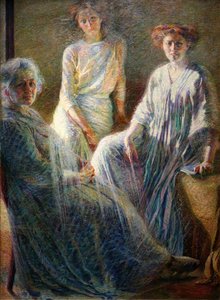
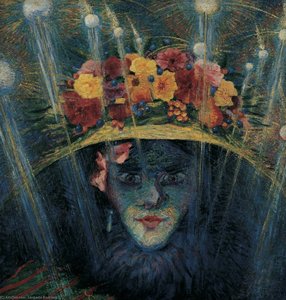
Riot in the Galleria is not an isolated work but rather part of a larger body of paintings Boccioni created during his transition from Divisionism to Futurism. Works like *Three Women* (1909-1910) and *Modern Idol* (1911) demonstrate his evolving style and thematic concerns. These pieces, alongside Riot in the Galleria, reveal a consistent interest in capturing movement, dynamism, and the transformative power of technology. The painting’s creation coincided with a period of intense experimentation within the Futurist movement, as artists sought to redefine the boundaries of art and explore new ways of representing reality.
Interestingly, another version of this painting, titled *Riot (also known as Riot in the Galleria)*, is housed at the Pinacoteca di Brera in Italy. This reinforces the importance of Boccioni’s work within the broader context of Futurist art and its impact on Italian culture. For those seeking a deeper understanding of Umberto Boccioni and his contributions to Futurism, we encourage you to explore Wikipedia: Umberto Boccioni.
Bringing Riot in the Galleria to Life – Reproductions by ArtsDot
ArtsDot offers meticulously crafted, hand-painted reproductions of Umberto Boccioni’s *Riot in the Galleria*, capturing the essence of this iconic masterpiece. Our skilled artists replicate Boccioni's bold brushstrokes and vibrant color palette with exceptional precision, ensuring that your reproduction faithfully reflects the original painting’s energy and dynamism. Whether you are an art enthusiast, a collector, or simply seeking to add a touch of Futurist flair to your interior design, our reproductions provide a beautiful and authentic way to experience this seminal work of modern art. Explore other Futurist masterpieces and learn more about the movement's significance on ArtsDot: Umberto Boccioni: Riot in the Galleria.
Obras relacionadas

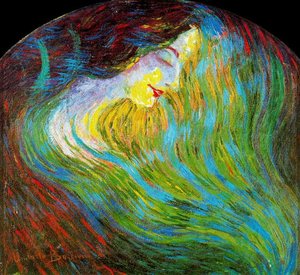
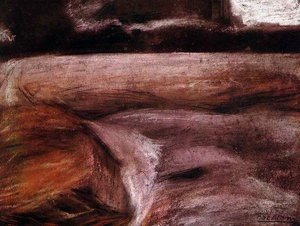
Biografía del artista
vida temprana y formación
umberto boccioni, un pintor y escultor italiano fundamental, nació el 19 de octubre de 1882 en Reggio Calabria, Italia. El trabajo gubernamental de su padre llevó a frecuentes traslados por toda Italia, lo que influyó en la vida temprana de Boccioni. A los 15 años, se estableció en Catania, Sicilia, donde completó sus estudios. Más tarde se mudó a Roma para estudiar arte en la academía de bellas artes de Roma's escuela libre del nudo y bajo giovanni mataloni, un artista de carteles de estilo liberty.el movimiento futurista
El enfoque innovador de Boccioni en la forma y la desconstrucción de la masa tuvo un gran impacto en el mundo del arte. Se convirtió en el teórico principal del movimiento futurista, firmando el manifiesto de los pintores futuristas ("manifiesto de los pintores futuristas") en 1910. Sus obras se conservan en muchos museos de arte públicos, incluyendo una retrospectiva importante en el museo Metropolitano de Arte en la ciudad de Nueva York en 1988.obras notables y legado
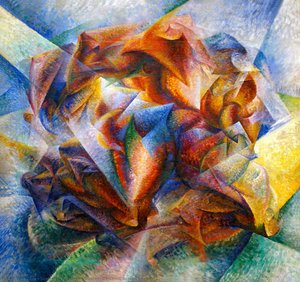
- dinamismo de un cuerpo humano (futurismo, óleo sobre lienzo), una pintura que muestra el estilo único de Boccioni.
- formas dimensionales de un caballo (40 x 40 cm, futurismo, óleo sobre lienzo), otro ejemplo de su enfoque innovador en la forma.
- formas únicas de continuidad en el espacio (futurismo, bronce), una escultura que demuestra su desconstrucción de la masa sólida.
enlaces relevantes de ArtsDot.com
- pintura por 'umberto boccioni' | umberto boccioni:dinamismo de un cuerpo humano (futurismo, óleo sobre lienzo,)
- pintura por 'umberto boccioni' | umberto boccioni:formas dimensionales de un caballo (40 x 40 cm, futurismo, óleo sobre lienzo,)
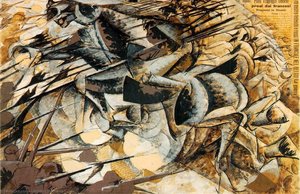
- pintura por 'umberto boccioni' | umberto boccioni:Lanceros (futurismo, óleo sobre lienzo,)
wikipedia: umberto boccioni
umberto boccioni, un pintor y escultor italiano influyente. Ayudó a dar forma al estético revolucionario del movimiento futurista como una de sus figuras principales. nota: este artículo es una traducción del italiano, pero con fines analíticos, se ha traducido de nuevo al inglés. La pregunta original estaba en italiano.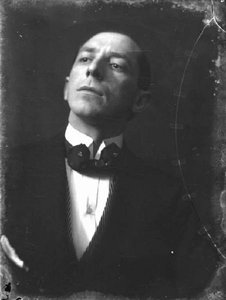
Umberto Boccioni
1882 - 1916 , Italia
Datos clave
- Artistas Que Influyeron:
- Giovanni Mataloni
- Giacomo Balla
- Fecha De Nacimiento: 19 de octubre de 1882
- Influenció A Artistas/Movimientos:
- Constructivismo
- Expresionismo abstracto
- Lugar De Nacimiento: Reggio Calabria, Italia
- Movimiento Artístico: Futurismo
- Nacionalidad: Italiana
- Nombre Completo: Umberto Boccioni
- Obras Notables:
- Dinamismo de un cuerpo humano
- Formas únicas de continuidad
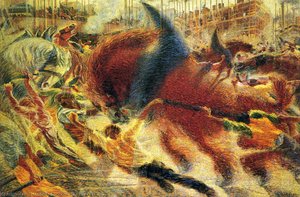
- La ciudad se eleva
- Dimensiones de un caballo
Artículos relacionados

Umberto Boccioni: Dynamism, Futurist Ideals & the Evolution of Modern Sculpture
Explore the revolutionary art of Umberto Boccioni, a leading figure of Futurism. Discover his iconic sculptures & paintings, and delve into the movement's impact on modern art history with ArtsDot.
Carlo Carrà: Futurist Visions & Metaphysical Transformations in Early 20th-Century Italian Painting
Explore the artistic journey of Carlo Carrà, a pivotal figure in Italian Futurism & Metaphysical painting. Discover his dynamic compositions, collaborations with de Chirico, and lasting influence on modern art history.
Dinamismo y Disrupción: El Legado Perdurable del Futurismo
Descubre el fascinante mundo del Futurismo: su manifiesto revolucionario, artistas clave como Boccioni y Marinetti, y su impacto duradero en el arte moderno. Análisis experto y contexto histórico.
Mario Sironi: A Poetic of Modern Italian Identity Through Symbolism & Social Commentary
Explore the profound works of Mario Sironi, a key figure in Italian Modernism. Discover his evolution from Futurism to Metaphysical painting and his powerful social commentary. Learn about his legacy at ArtsDot.
Concrete Narratives: Exploring Urban Life in Modern & Contemporary Art
Explore the evolution of cityscape painting with ArtsDot. Discover key artists from Realism to contemporary movements & invest in timeless urban visions. Expert guidance, museum-quality reproductions.