 Ver en contexto
 Enviar
 Compartir
 Detalles

 Descargar
 Similares
 Radiografía
 Presentación de diapositivas
States of Mind II: Those Who Go


 Ver más
Reproducción al óleo hecha a mano
Óleo sobre lienzo pintado a mano en el tamaño y marco de su elección, realizado por encargo por nuestros artistas. ( Comprar impresión Comprar imagen)




P118B $10

P118H $10

P118W $10

P438Z $10

P508JH $12

P508YH $12

P805H $10

P805Z $10

P919BZ $10

P919G $10

P919XJ $10

P959ZH $10

P968JZ $12

W106C $8

W218G $10

W218JH $8

W218Y $10

W307PJ $10

W316G $10

W316PJ $8

W316Y $10

W398PJ $8

W4111J $10

W500HY $15

W500JH $15

W692G $12

W849H $8

W940BG $15

W953PJ $8




Elija entre nuestros tamaños predefinidos que respetan las proporciones originales de la obra.

Puede ingresar sus propias dimensiones para adaptarse a un marco o espacio específico. Si el tamaño seleccionado no coincide con las proporciones de la imagen original, recortaremos la obra o extenderemos la pintura con elementos adicionales pintados a mano. Se le enviará una maqueta digital para su aprobación antes de comenzar la producción.
Tenga en cuenta que la vista previa en pantalla no refleja el recorte o la extensión reales. Solo la maqueta mostrará con precisión la composición final.
Si bien existen tamaños personalizados, recomendamos seleccionar una dimensión de la lista predefinida para preservar las proporciones originales.
Tras realizar el pedido, el equipo de ArtsDot.com enviará un correo electrónico al cliente para solicitar instrucciones y proporcionarle una vista previa del boceto.
Envío a todo el mundo () en 3-4 semanas en lugar de las 5 semanas estándar. (26 agosto). Sin comprometer la calidad.

Envío exprés gratuito a todo el mundo

Lienzo de lino de alta calidad

Seguro de envío total

Garantía de reembolso de impuestos aduaneros

Garantía de fidelidad cromática exacta

Política de devolución de 60 días (solo por defectos)

Garantía de devolución del 100% del dinero

Descuento por cantidad
 La opción de vidrio solo está disponible en tamaños inferiores a 110 cm.

States of Mind II: Those Who Go
Técnica de reproducción
Dimensiones de la reproducción
-


Precio total final
$ 263
Descripción de la obra
States of Mind II: Those Who Go – A Chronicle of Futurist Intensity
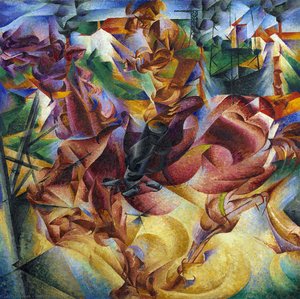
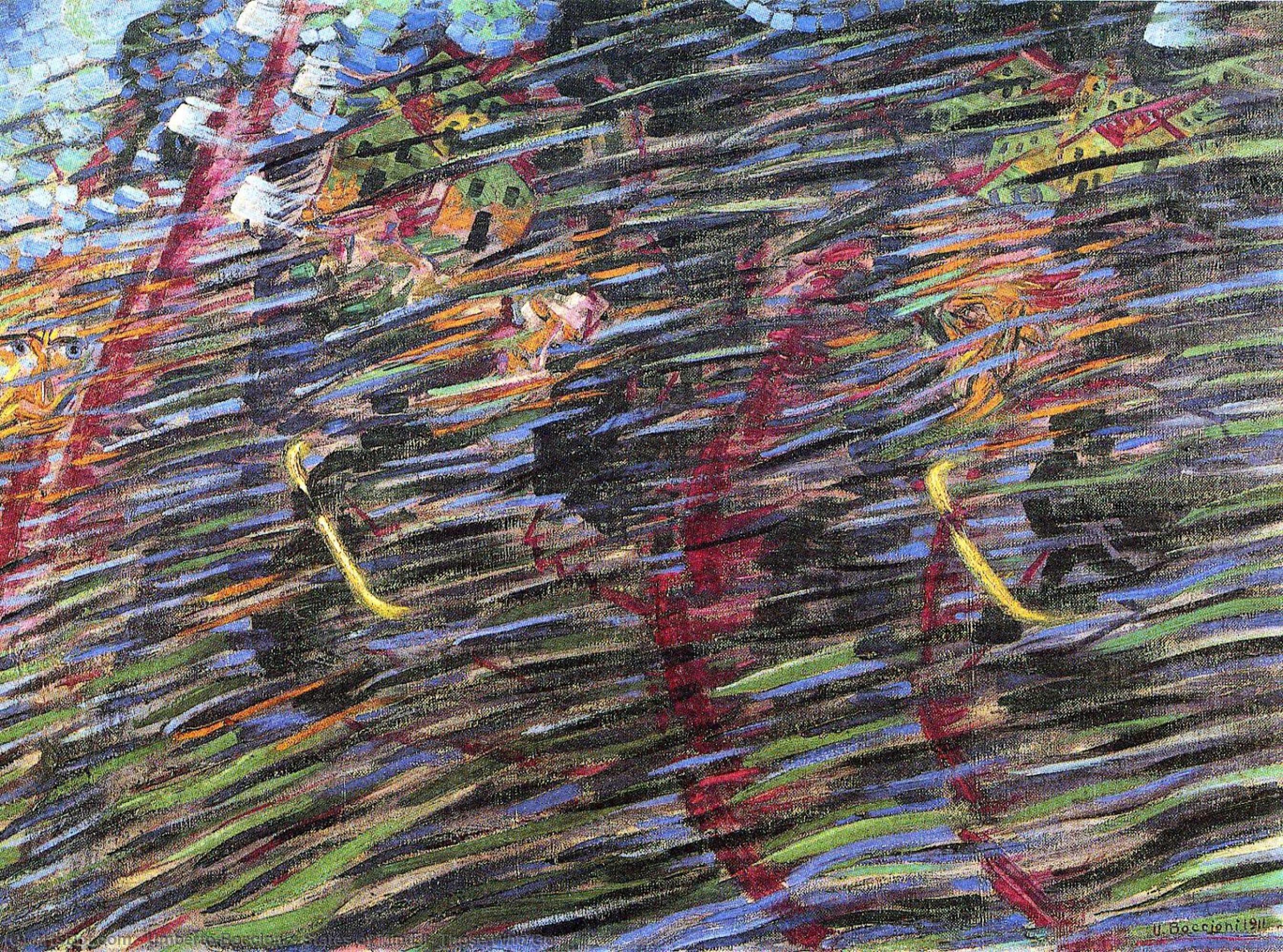
Umberto Boccioni’s “States of Mind II: Those Who Go,” painted in 1911, is more than a depiction of four riders battling a tempestuous sky; it's a visceral embodiment of the Futurist movement’s core tenets. Born from a desire to reject the perceived stagnation of traditional art and embrace the dynamism of the burgeoning industrial age, Futurism sought to capture not just what things *looked* like, but how they *felt* – specifically, the exhilarating rush of speed, motion, and technological advancement. This painting, rendered in oil on canvas with remarkable technical skill, achieves this ambition with a raw intensity rarely seen before or since.
- Subject Matter: The scene depicts four figures, presumably men, engaged in a perilous equestrian journey through a violent storm. Their horses are not merely subjects of the painting; they are integral to conveying the sense of unrestrained movement and power.
- Style & Technique: Boccioni’s approach aligns perfectly with Futurist principles. He employs fragmented forms, distorted perspectives, and a deliberate lack of traditional representational accuracy to emphasize speed and energy. The brushstrokes themselves seem to vibrate with motion, contributing to the overall sense of dynamism. Notice how the figures are not neatly delineated but rather suggested through overlapping planes and blurred edges.
- Color Palette: The predominantly dark color scheme – deep reds, greens, blues, and yellows – amplifies the drama and contributes to the painting’s emotional impact. These colors aren't used for descriptive realism; instead, they are employed strategically to heighten the sense of urgency and chaos.
Historical Context: The Rise of Futurism
“States of Mind II” was created during a pivotal moment in Italian art history – the birth of Futurism. Founded by Filippo Tommaso Marinetti in 1909, this movement championed machines, speed, violence, and the rejection of all things old and established. The Futurist manifesto declared war on museums, historical monuments, and anything that represented the past. Boccioni was a key figure in this revolutionary group, and his work reflects their desire to capture the spirit of modernity – a world defined by rapid industrialization, technological innovation, and a sense of exhilarating change.
The painting’s creation coincided with a period of intense social and political upheaval in Europe. The rise of nationalism, the growth of cities, and the increasing influence of technology were all contributing to a feeling of instability and uncertainty. Boccioni's work can be seen as an attempt to grapple with these anxieties by celebrating the potential for progress and transformation.
Symbolism & Emotional Impact
The image’s power lies not just in its technical execution but also in its symbolic resonance. The riders, struggling against the storm, represent humanity's relentless pursuit of progress – a willingness to confront challenges head-on, even when faced with overwhelming odds. The turbulent sky mirrors the inner turmoil and anxieties of the era, while the horses symbolize strength, power, and the untamed forces of nature.
“States of Mind II: Those Who Go” evokes a profound sense of drama, urgency, and resilience. It’s a painting that demands attention, forcing the viewer to confront the raw emotions of struggle and determination. The work's emotional impact is further heightened by Boccioni's masterful use of color and composition.
A Legacy of Dynamic Art
Umberto Boccioni’s “States of Mind II: Those Who Go” stands as a seminal work in the history of modern art. It exemplifies the Futurist movement’s radical experimentation with form, color, and perspective, paving the way for subsequent generations of artists to explore new ways of representing the world around them. This painting is not merely a beautiful image; it's a powerful statement about the human condition – our capacity for both destruction and creation, our relentless pursuit of progress, and our enduring struggle against adversity.
Obras relacionadas

Biografía del artista
vida temprana y formación
umberto boccioni, un pintor y escultor italiano fundamental, nació el 19 de octubre de 1882 en Reggio Calabria, Italia. El trabajo gubernamental de su padre llevó a frecuentes traslados por toda Italia, lo que influyó en la vida temprana de Boccioni. A los 15 años, se estableció en Catania, Sicilia, donde completó sus estudios. Más tarde se mudó a Roma para estudiar arte en la academía de bellas artes de Roma's escuela libre del nudo y bajo giovanni mataloni, un artista de carteles de estilo liberty.el movimiento futurista
El enfoque innovador de Boccioni en la forma y la desconstrucción de la masa tuvo un gran impacto en el mundo del arte. Se convirtió en el teórico principal del movimiento futurista, firmando el manifiesto de los pintores futuristas ("manifiesto de los pintores futuristas") en 1910. Sus obras se conservan en muchos museos de arte públicos, incluyendo una retrospectiva importante en el museo Metropolitano de Arte en la ciudad de Nueva York en 1988.obras notables y legado
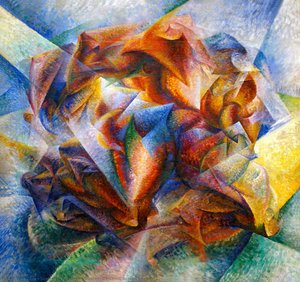
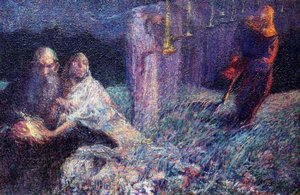
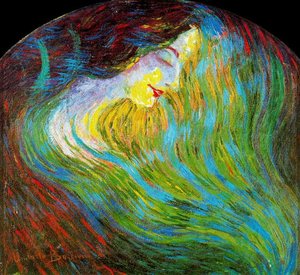
- dinamismo de un cuerpo humano (futurismo, óleo sobre lienzo), una pintura que muestra el estilo único de Boccioni.
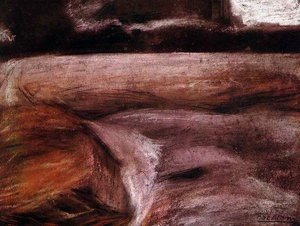
- formas dimensionales de un caballo (40 x 40 cm, futurismo, óleo sobre lienzo), otro ejemplo de su enfoque innovador en la forma.
- formas únicas de continuidad en el espacio (futurismo, bronce), una escultura que demuestra su desconstrucción de la masa sólida.
enlaces relevantes de ArtsDot.com
- pintura por 'umberto boccioni' | umberto boccioni:dinamismo de un cuerpo humano (futurismo, óleo sobre lienzo,)
- pintura por 'umberto boccioni' | umberto boccioni:formas dimensionales de un caballo (40 x 40 cm, futurismo, óleo sobre lienzo,)
- pintura por 'umberto boccioni' | umberto boccioni:Lanceros (futurismo, óleo sobre lienzo,)
wikipedia: umberto boccioni
umberto boccioni, un pintor y escultor italiano influyente. Ayudó a dar forma al estético revolucionario del movimiento futurista como una de sus figuras principales. nota: este artículo es una traducción del italiano, pero con fines analíticos, se ha traducido de nuevo al inglés. La pregunta original estaba en italiano.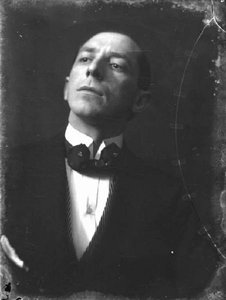
Umberto Boccioni
1882 - 1916 , Italia
Datos clave
- Artistas Que Influyeron:
- Giovanni Mataloni
- Giacomo Balla
- Fecha De Nacimiento: 19 de octubre de 1882
- Influenció A Artistas/Movimientos:
- Constructivismo
- Expresionismo abstracto
- Lugar De Nacimiento: Reggio Calabria, Italia
- Movimiento Artístico: Futurismo
- Nacionalidad: Italiana
- Nombre Completo: Umberto Boccioni
- Obras Notables:
- Dinamismo de un cuerpo humano
- Formas únicas de continuidad
- La ciudad se eleva
- Dimensiones de un caballo
Artículos relacionados

The Enduring Legacy of Oil on Canvas: Technique, History & Aesthetic Impact
Explore the rich history & techniques of oil painting – from Renaissance masters to Impressionism. Discover pigments, layering methods, and why this timeless medium endures. Expert insights for artists & art enthusiasts.

El Óleo sobre Lienzo: Historia, Técnica y la Persistencia de un Medio Artístico Atemporal
Descubre la historia y técnica del óleo sobre lienzo. Explora reproducciones fieles hechas a mano, personalización artística y consejos de expertos con ArtsDot. ¡Colecciona arte con confianza!

El Legado Duradero del Óleo sobre Lienzo: Técnica, Historia y Práctica Contemporánea
Descubre la historia y técnica del óleo sobre lienzo. Explora reproducciones fieles hechas a mano, personalización artística y consejos de expertos con .
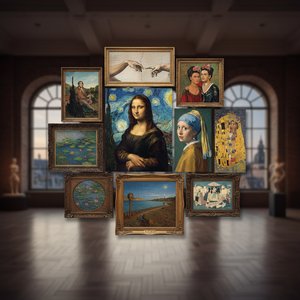
Las 10 Obras Maestras al Óleo que Revolucionaron la Historia del Arte |
Descubre las 10 obras maestras al óleo que transformaron la historia del arte. Explora Van Gogh, Monet, Da Vinci y más. Reproducciones de alta calidad para decorar tu hogar con elegancia. ¡Encuentra tu obra favorita en !

The Enduring Power of Painting: A Historical & Contemporary Exploration of Form and Emotion
Explore the rich history & enduring techniques of oil painting with ArtsDot. Discover masterpieces, learn about art collecting, and find authentic handmade reproductions crafted by skilled artists.