

 Ver en contexto
 Enviar
 Compartir
 Detalles

 Descargar
 Similares
 Radiografía
 Presentación de diapositivas
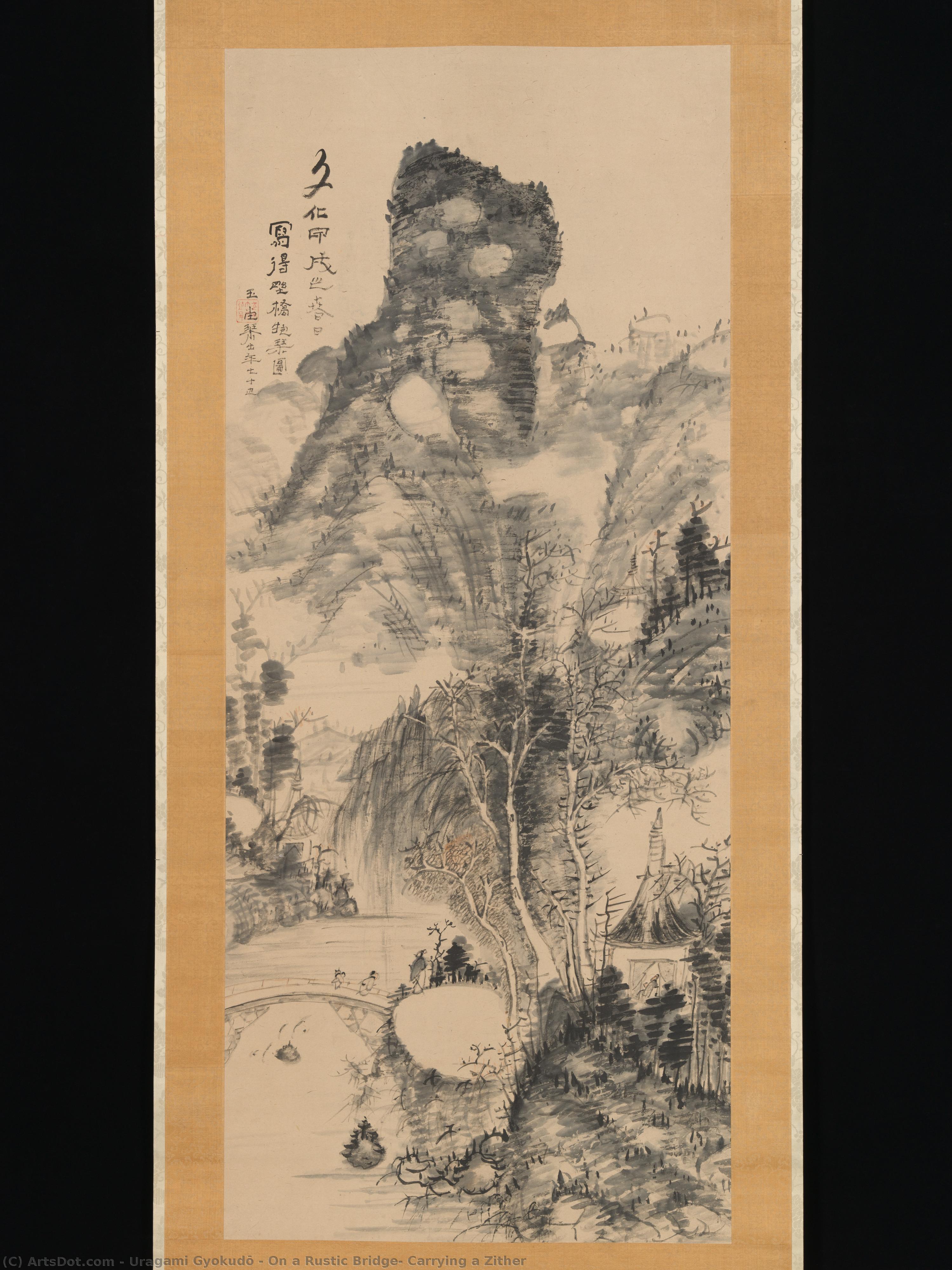
Untitled (D2X6KE)


 Ver más
Reproducción al óleo hecha a mano
Óleo sobre lienzo pintado a mano en el tamaño y marco de su elección, realizado por encargo por nuestros artistas. ( Comprar impresión Comprar imagen)




































Elija entre nuestros tamaños predefinidos que respetan las proporciones originales de la obra.

Puede ingresar sus propias dimensiones para adaptarse a un marco o espacio específico. Si el tamaño seleccionado no coincide con las proporciones de la imagen original, recortaremos la obra o extenderemos la pintura con elementos adicionales pintados a mano. Se le enviará una maqueta digital para su aprobación antes de comenzar la producción.
Tenga en cuenta que la vista previa en pantalla no refleja el recorte o la extensión reales. Solo la maqueta mostrará con precisión la composición final.
Si bien existen tamaños personalizados, recomendamos seleccionar una dimensión de la lista predefinida para preservar las proporciones originales.
Tras realizar el pedido, el equipo de ArtsDot.com enviará un correo electrónico al cliente para solicitar instrucciones y proporcionarle una vista previa del boceto.
Envío a todo el mundo () en 3-4 semanas en lugar de las 5 semanas estándar. (25 agosto). Sin comprometer la calidad.

Envío exprés gratuito a todo el mundo

Lienzo de lino de alta calidad

Seguro de envío total

Garantía de reembolso de impuestos aduaneros

Garantía de fidelidad cromática exacta

Política de devolución de 60 días (solo por defectos)

Garantía de devolución del 100% del dinero

Descuento por cantidad
 La opción de vidrio solo está disponible en tamaños inferiores a 110 cm.

Untitled (D2X6KE)
Técnica de reproducción
Dimensiones de la reproducción
-


Precio total final
$ 263
Obras relacionadas
Biografía del artista
The Melodic Brush: The Life and Legacy of Uragami Gyokudō
In the vibrant tapestry of Japan’s Edo period, few figures possess a spirit as harmoniously integrated as Uragami Gyokudō. Born around 1745 in Kamogata, Okayama, Gyokudō was far more than a mere painter; he was a polymath whose soul resonated with the strings of the guqin and the delicate tip of the calligraphy brush. While history often categorizes artists by a single medium, Gyokudō defied such boundaries, existing as a musician, poet, and calligrapher whose visual art served as a profound extension of his musical compositions. His life was a journey from the structured duties of the samurai class to the liberated wanderings of an aesthetic sage, a transition that allowed him to infuse the landscape with a rhythmic vitality rarely seen in the nanga tradition.
Born into a family of high-ranking warrior-retainers serving the Ikeda clan, Gyokudō’s early years were steeped in the disciplined traditions of the Japanese elite. He received rigorous instruction in the art of the seven-string zither, a Chinese instrument that would become the heartbeat of his creative identity. However, the call of the arts proved more compelling than the obligations of the sword. Driven by deep philosophical convictions and an unquenchable thirst for artistic freedom, Gyokudō eventually made the radical decision to resign from his position as a samurai. This departure was not merely a career change but an ideological rebirth, allowing him to travel extensively across Japan and immerse himself in the intellectual currents of his time, ultimately shaping a style that blended personal introspection with the grandeur of nature.
A Symphony of Ink and Landscape
To gaze upon a Gyokudō landscape is to listen to a visual composition. His technique was famously influenced by his mastery of music; he viewed the brushstrokes not as static marks, but as rhythmic patterns that mirrored the ebb and flow of a musical score. Utilizing the sumi-e (ink wash) technique, he mastered the art of tonal variation, using layered washes to create atmospheric depth and a sense of profound mystery. His work often features a distinctive, bold brushwork—a series of energetic strokes that build a powerful, driving rhythm across the paper. It is said that his creative process was as much about temperament as it was about technique; legend suggests he would occasionally take up the brush after a few rounds of sake, allowing a sense of joyful intoxication to guide his hand in creating landscapes that felt alive with movement.
His thematic repertoire often centered on the quiet majesty of the natural world, yet these scenes were rarely mere imitations of reality. Instead, they were imbued with deep symbolism and emotional resonance:
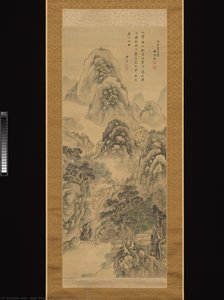
- Rhythmic Landscapes: In works such as A Thousand Mountains in Deep Verdure, his use of an unusual octagonal format and wandering streams creates a sense of continuous motion, much like a recurring motif in a musical piece.
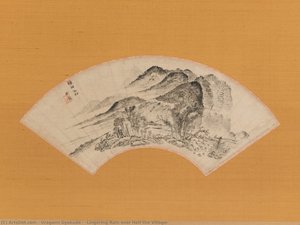
- Atmospheric Mystery: His ability to capture the ephemeral—such as the mist clinging to a village in Lingering Rain over Half the Village—demonstrates a mastery of the dry brush and meticulous strokes to evoke a sense of quietude and solitude.
- The Human Element: Small, solitary figures often appear on bridges or paths within his paintings, serving as silent observers that invite the viewer to join them in contemplating the vastness of the mountains.
Historical Significance and Enduring Resonance
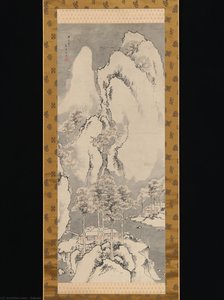
Though Gyokudō was celebrated during his lifetime primarily as a master of the guqin, his reputation as a painter ascended to legendary heights following his death in 1820. His ability to bridge the gap between the auditory and the visual has earned him a place among the most compelling figures of the Edo period. One of his most significant achievements, the work Snow Sifted Through Frozen Clouds, is recognized as a National Treasure, standing as a testament to his unparalleled ability to capture the essence of the natural world through a lens of spiritual and musical harmony.
The legacy of Uragami Gyokudō lies in his refusal to separate the senses. By treating the landscape as a canvas for rhythm and the zither as an instrument of poetry, he created a unified aesthetic experience. His influence persists in the way we understand the intersection of different art forms, reminding us that true beauty is found when the boundaries between sound, sight, and spirit are dissolved into a single, breathtaking expression of life.
uragami gyokudō
1745 - 1820
Datos clave
- Artistic Movement Or Style: Shanshui
- Date Of Death: 1820
- Full Name: Uragami Gyokudō
- Nationality: Japanese
- Notable Artworks:
- Snow sifted through frozen clouds
- A Thousand Mountains in Deep Verdure
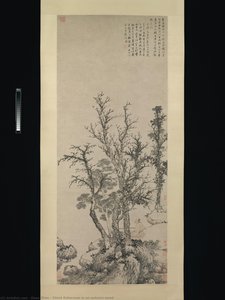
- Old Trees in Lonely Springtime
- Place Of Birth: Japan
Artículos relacionados

Katsushika Hokusai: Las 25 Obras Maestras del Ukiyo-e que Transformaron el Arte Japonés | ArtsDot
Descubre las 25 obras maestras de Katsushika Hokusai, el genio del ukiyo-e. Explora 'La Gran Ola', paisajes japoneses y su impacto en el arte moderno. Reproducciones de alta calidad para tu hogar en ArtsDot.com.
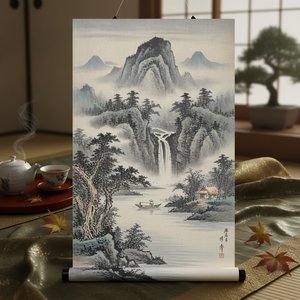
Serenity on Canvas: A Guide to the Timeless Beauty of Japanese Landscape Painting
Discover the serene beauty of Japanese landscape painting. From Hokusai's iconic woodblock prints to meditative sumi-e ink washes, explore a visual journey through the 'floating world' and learn how to bring this timeless Zen aesthetic into your modern home decor.
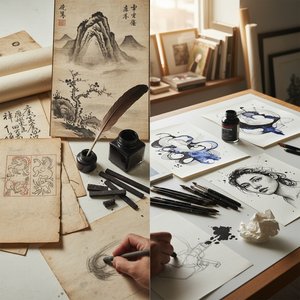
Ephemeral Expressions: Exploring the Nuances of Ink on Paper Through History & Contemporary Art
Explore the captivating world of ink wash painting – from its ancient origins to contemporary masters. Discover techniques, symbolism & conservation insights with ArtsDot.com.

Paisajes Románticos: 10 Obras Maestras que Definieron un Movimiento Artístico
Descubre los 10 paisajes románticos más influyentes de artistas como Caspar David Friedrich y Turner. Explora la belleza, el simbolismo y las técnicas del movimiento romántico. Reproducciones de arte exclusivas en ArtsDot.com.
Serene Visions: Exploring Themes of Tranquility in Art History & Contemporary Practice
Explore the history of serene landscape art & discover artists who evoke tranquility. Find the perfect calming artwork for your home with expert guidance from ArtsDot.

