 Ver en contexto
 Enviar
 Compartir
 Detalles

 Descargar
 Similares
 Radiografía
 Presentación de diapositivas
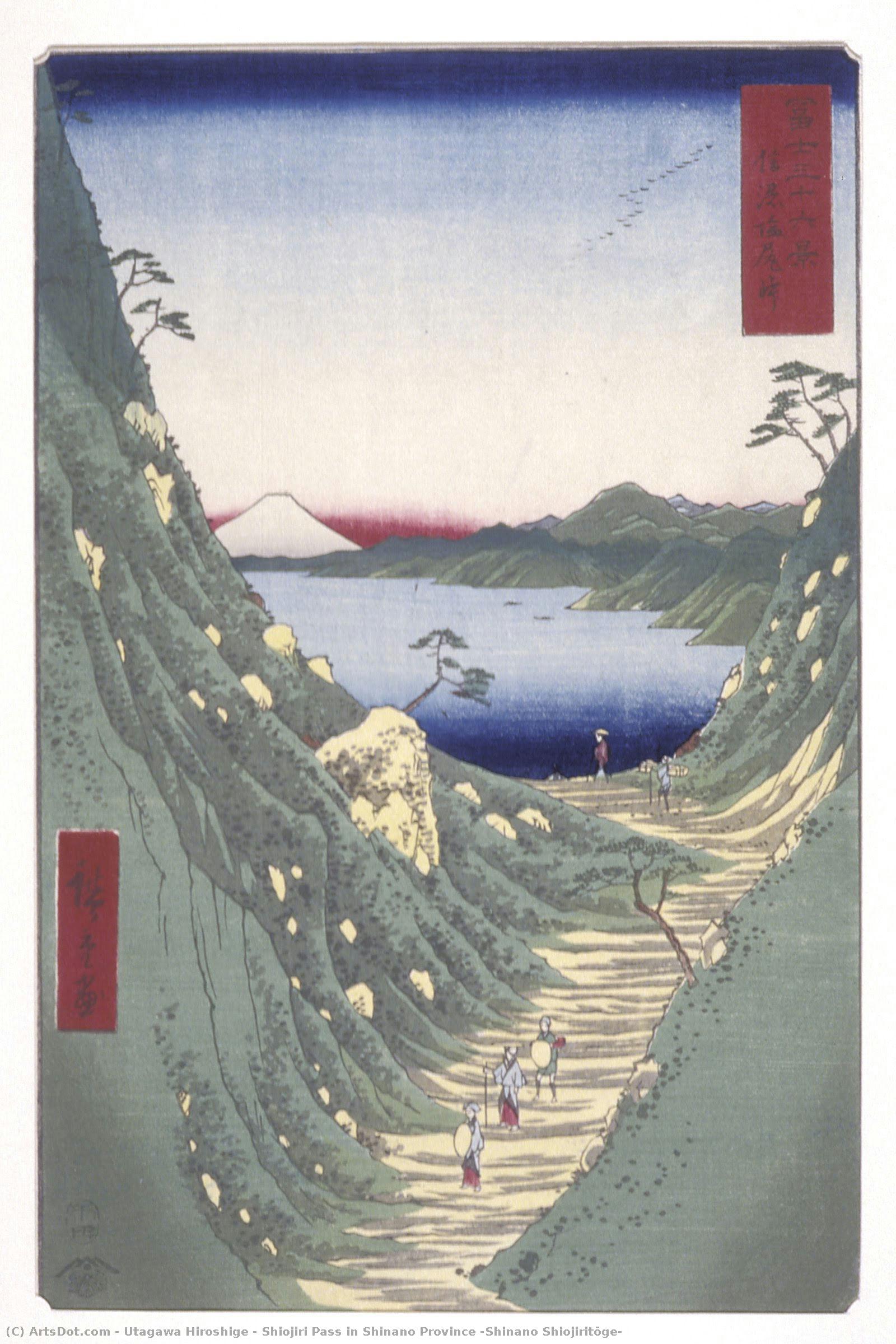
Shiojiri Pass in Shinano Province (Shinano Shiojiritōge)


 Ver más
Reproducción al óleo hecha a mano
Óleo sobre lienzo pintado a mano en el tamaño y marco de su elección, realizado por encargo por nuestros artistas. ( Comprar impresión Comprar imagen)




P118B $10

P118H $10

P118W $10

P438Z $10

P508JH $12

P508YH $12

P805H $10

P805Z $10

P919BZ $10

P919G $10

P919XJ $10

P959ZH $10

P968JZ $12

W106C $8

W218G $10

W218JH $8

W218Y $10

W307PJ $10

W316G $10

W316PJ $8

W316Y $10

W398PJ $8

W4111J $10

W500HY $15

W500JH $15

W692G $12

W849H $8

W940BG $15

W953PJ $8




Elija entre nuestros tamaños predefinidos que respetan las proporciones originales de la obra.

Puede ingresar sus propias dimensiones para adaptarse a un marco o espacio específico. Si el tamaño seleccionado no coincide con las proporciones de la imagen original, recortaremos la obra o extenderemos la pintura con elementos adicionales pintados a mano. Se le enviará una maqueta digital para su aprobación antes de comenzar la producción.
Tenga en cuenta que la vista previa en pantalla no refleja el recorte o la extensión reales. Solo la maqueta mostrará con precisión la composición final.
Si bien existen tamaños personalizados, recomendamos seleccionar una dimensión de la lista predefinida para preservar las proporciones originales.
Tras realizar el pedido, el equipo de ArtsDot.com enviará un correo electrónico al cliente para solicitar instrucciones y proporcionarle una vista previa del boceto.
Envío a todo el mundo () en 3-4 semanas en lugar de las 5 semanas estándar. (4 septiembre). Sin comprometer la calidad.

Envío exprés gratuito a todo el mundo

Lienzo de lino de alta calidad

Seguro de envío total

Garantía de reembolso de impuestos aduaneros

Garantía de fidelidad cromática exacta

Política de devolución de 60 días (solo por defectos)

Garantía de devolución del 100% del dinero

Descuento por cantidad
 La opción de vidrio solo está disponible en tamaños inferiores a 110 cm.

Shiojiri Pass in Shinano Province (Shinano Shiojiritōge)
Técnica de reproducción
Dimensiones de la reproducción
-


Precio total final
$ 388
Shiojiri Pass in Shinano Province (Shinano Shiojiritōge): A Vision of Tranquility
Utagawa Hiroshige II’s “Shiojiri Pass in Shinano Province,” created in 1858, transcends mere depiction; it embodies the spirit of Edo Japan and offers a profound meditation on the relationship between humanity and the sublime beauty of nature. Published by Tsutaya Kichizō during a period of significant artistic innovation—a time when Hiroshige II skillfully blended traditional Japanese aesthetics with subtle influences from Western art—this woodblock print remains an enduring testament to his mastery. It’s more than just a landscape; it's a carefully constructed tableau designed to evoke serenity and contemplation.- Subject Matter: The artwork captures the rugged grandeur of Shiojiri Pass, nestled within Shinano Province (modern Nagano Prefecture), Japan. Hiroshige II eschews dramatic vistas typical of his era, opting instead for a contemplative scene featuring a winding path ascending through a valley dominated by towering hillsides and culminating in a distant mountain range bathed in diffused sunlight.
- Style: Characteristic of the Utagawa school—and specifically Hiroshige I’s legacy—the print adheres to established conventions of Japanese landscape painting, prioritizing atmospheric perspective and tonal harmony over detailed realism. The style is marked by a deliberate flatness of color achieved through multiple impressions and masterful use of *bokashi*, a technique that creates subtle gradations of tone – a hallmark of Hiroshige II's artistic vision.
- Technique: This stunning piece exemplifies the meticulous process of woodblock printing. Skilled artisans carved intricate designs into wooden blocks, applying ink with precision, and pressing them onto washi paper to produce prints that retain exceptional clarity and textural nuance. The artist’s careful attention to detail—particularly in rendering foliage and suggesting depth—demonstrates a profound understanding of printmaking techniques.
- Color Palette: Dominantly composed of greens and blues, the palette fosters an atmosphere of tranquility and harmony. Hints of crimson and ochre punctuate the sky and scattered vegetation, adding warmth without disrupting the overall coolness of the scene. The muted beige tone of the pathway serves as a grounding element, emphasizing the path’s journey toward the distant mountains.
- Symbolism & Emotional Impact: Beyond its visual beauty, “Shiojiri Pass” speaks to deeper themes of pilgrimage and contemplation. Hiroshige II's depiction of nature reflects the core tenets of Japanese aesthetics—*wabi sabi*, valuing imperfection and simplicity—suggesting a profound connection between the human spirit and the natural world. Viewing this print inspires a feeling of peaceful solitude, inviting viewers to appreciate the grandeur of landscape while reflecting on the passage of time.
Notable Galleries Featuring Hiroshige II's Work
Prints by Utagawa Hiroshige II can be found in prestigious institutions worldwide, including The Art Institute of Chicago and MFA Boston. These galleries showcase exceptional reproductions that allow visitors to appreciate the artistry and nuance of this iconic landscape print.Further Exploration:
For a deeper understanding of Hiroshige II’s artistic contributions, consider delving into scholarly publications such as “Hiroshige II” by Forbes & Henley (2014) and “Hotei Encyclopedia of Japanese Woodblock Prints.” These resources offer comprehensive analyses of his life, work, and influence on subsequent generations of artists—a captivating journey into the heart of Edo Japan’s artistic landscape.Resources:
* The Art Institute of Chicago: Shiojiri Pass in Shinano Province (Shinano Shiojiritōge), from the series “Thirty-six Views of Mount Fuji (Fuji sanjurokkei)” * MFA Boston: Shiojiri Pass in Shinano Province, Utagawa Hiroshige; PublisherObras relacionadas

Biografía del artista
biografía de un ícono del arte japonés
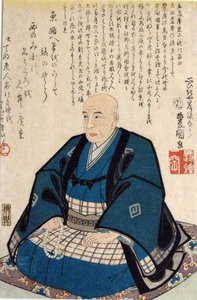
Utagawa Hiroshige, un renombrado artista ukiyo-e japonés, vivió de 1797 a 1858. Es ampliamente considerado como el último gran maestro de este género tradicional. La obra de Hiroshige se caracteriza por su enfoque poético y ambiental, lo que la distingue de las impresiones más audaces y formales de sus contemporáneos.estilo artístico y técnicas
El uso del color por parte de Hiroshige fue sutil pero esencial en sus grabados. A menudo empleaba múltiples impresiones en el mismo área, utilizando la técnica de bokashi (gradación de color), que era laboriosa pero resultó en un efecto visual único. Sus obras más famosas incluyen las cincuenta y tres estaciones del Tōkaidō y las cien vistas famosas de Edo, ambas mostrando su dominio de las series de paisajes.influencia en el arte occidental
La obra de Hiroshige tuvo un profundo impacto en el arte occidental, particularmente durante la tendencia japonista a finales del siglo XIX. Artistas como Édouard Manet y Claude Monet fueron influenciados por los grabados japoneses, mientras que los postimpresionistas como Vincent van Gogh coleccionaron y estudiaron las composiciones de Hiroshige.legado y desarrollo
Tras la muerte de Hiroshige en 1858, el género ukiyo-e experimentó un rápido declive debido a la occidentalización tras la restauración Meiji de 1868. Sin embargo, su influencia en el arte occidental sigue siendo significativa, con muchos artistas que continúan inspirándose en sus obras.- el movimiento artístico ukiyo-e - descubre más sobre el género que definió la obra de Hiroshige.
- ukiyo-e en wikipedia - explora la historia y la importancia del ukiyo-e en el arte japonés.
- museo de arte fuji - descubre un museo renombrado que exhibe tanto el arte japonés como el occidental, incluyendo obras inspiradas en el estilo de Hiroshige.
Utagawa Hiroshige
1797 - 1858 , Japón
Datos clave
- Artistas Que Influyeron: ['Katsushika Hokusai']
- Estilo Artístico: Ukiyo-e
- Fecha De Fallecimiento: 1858
- Fecha De Nacimiento: 1797
- Influencia En Artistas:
- Édouard Manet
- Claude Monet
- Vincent van Gogh
- Lugar De Nacimiento: Tokio, Japón
- Nacionalidad: Japonés
- Nombre Completo: Utagawa Hiroshige
- Obras Notables:
- Las 53 estaciones del Tokaido
- 100 vistas famosas de Edo
Artículos relacionados
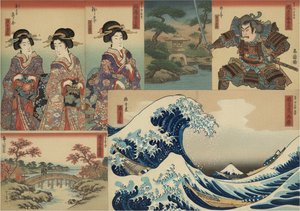
Ukiyo-e: Un Viaje al Corazón del Mundo Flotante Japonés y su Legado Artístico
Descubre el fascinante mundo del Ukiyo-e, el arte japonés del Período Edo. Explora las técnicas de grabado, los maestros Hokusai y Hiroshige, y su legado perdurable. ¡Un viaje cultural inolvidable!

Katsushika Hokusai: Las 25 Obras Maestras del Ukiyo-e que Transformaron el Arte Japonés | ArtsDot
Descubre las 25 obras maestras de Katsushika Hokusai, el genio del ukiyo-e. Explora 'La Gran Ola', paisajes japoneses y su impacto en el arte moderno. Reproducciones de alta calidad para tu hogar en ArtsDot.com.
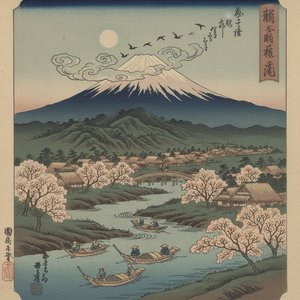
Ukiyo-e's Poetic Visionary: Hiroshige Ando & the Transformation of Landscape in 19th-Century Japan
Explore the life & art of Ando Hiroshige, Japan's last great ukiyo-e master. Discover his iconic landscapes, poetic style, and profound influence on Western Impressionism. Learn about The Fifty-Three Stations & more!
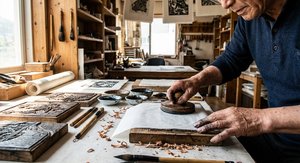
The Enduring Legacy of Woodblock Printmaking: Technique, History & Artistic Expression
Explore the rich history of woodblock printmaking – from ancient techniques to Ukiyo-e masterpieces. Discover expert insights on collecting, preserving & appreciating this enduring art form.
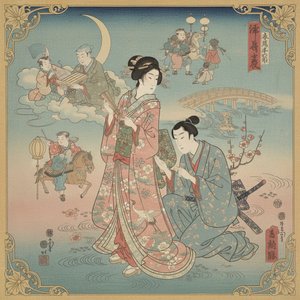
Suzuki Harunobu: Pioneering Ukiyo-e & the Refinement of Edo Period Printmaking
Discover the revolutionary world of Suzuki Harunobu, a pioneer of ukiyo-e printmaking. Explore his exquisite nishiki-e techniques, diverse subjects & lasting impact on Japanese art history. Learn more at ArtsDot.