 Ver en contexto
 Enviar
 Compartir
 Detalles

 Descargar
 Similares
 Radiografía
 Presentación de diapositivas
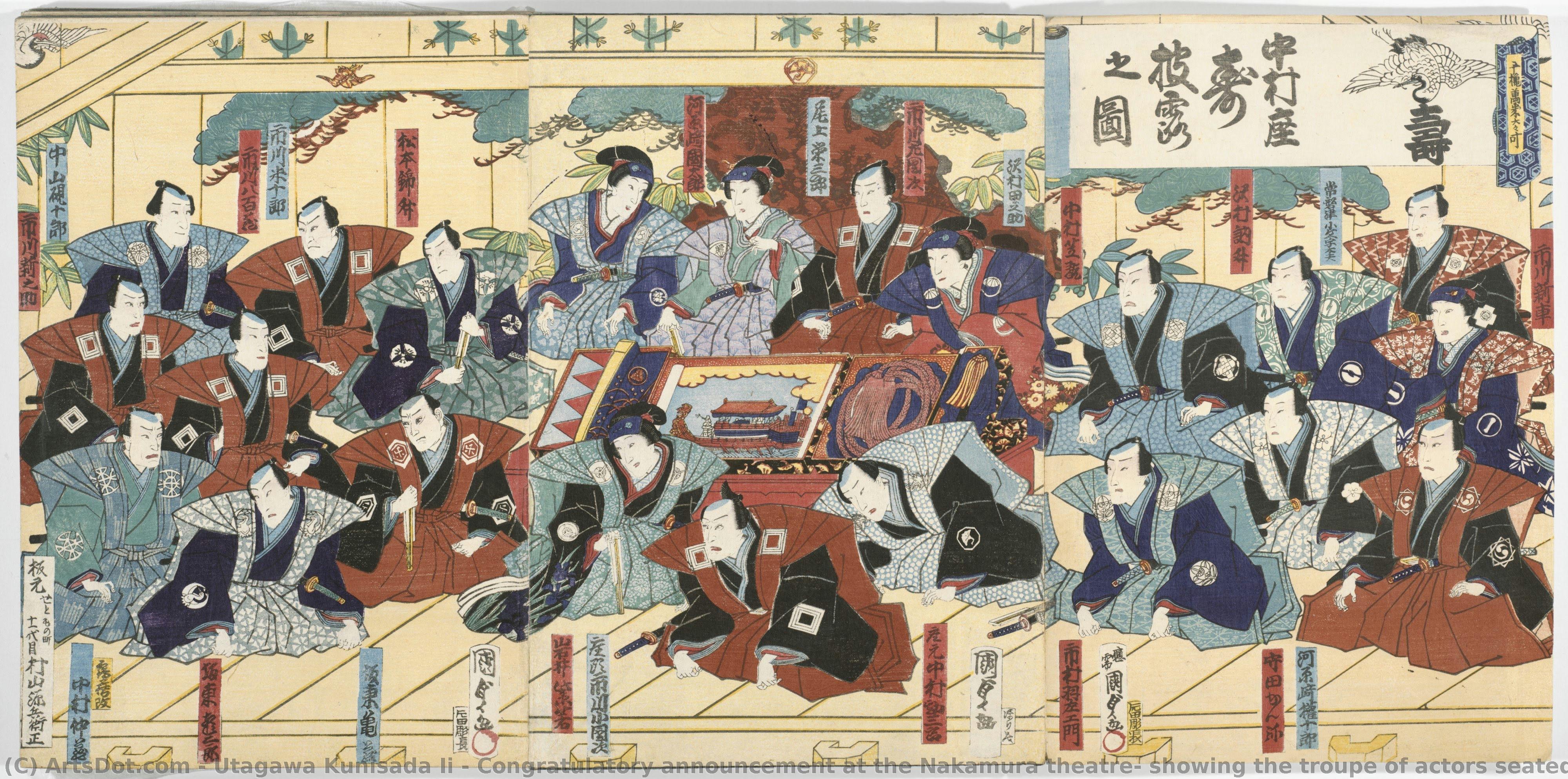
Congratulatory announcement at the Nakamura theatre, showing the troupe of actors seated on the stage
 Woodblock Print
- Ukiyo-e
 1870
1870- 19th Century
 36.0 x 73.0 cm
 Galería de Arte de Nueva Gales del Sur
 Ver más
Giclée / Impresión de arte
Impresiones giclée o en lienzo de calidad de museo con producción rápida y opciones de acabado flexibles. ( Comprar pintura hecha a mano Comprar imagen)




P118B $10

P118H $10

P118W $10

P438Z $10

P508JH $12

P508YH $12

P805H $10

P805Z $10

P919BZ $10

P919G $10

P919XJ $10

P959ZH $10

P968JZ $12

W106C $8

W218G $10

W218JH $8

W218Y $10

W307PJ $10

W316G $10

W316PJ $8

W316Y $10

W398PJ $8

W4111J $10

W500HY $15

W500JH $15

W692G $12

W849H $8

W940BG $15

W953PJ $8




Elija entre nuestros tamaños predefinidos que respetan las proporciones originales de la obra.

Puede introducir sus propias dimensiones para adaptarse a un marco o espacio específico. Si el tamaño seleccionado no coincide con las proporciones de la imagen original, recortaremos la obra de arte o extenderemos la imagen con un borde con efecto espejo o de color sólido. Se enviará una maqueta digital para su aprobación antes de que comience la producción.
Tenga en cuenta que la vista previa en pantalla no refleja el recorte o la extensión real. Solo la maqueta mostrará con precisión la composición final.
Aunque existen tamaños personalizados, recomendamos seleccionar una dimensión de la lista predefinida para preservar las proporciones originales.
Envío a todo el mundo () en 2 semanas en lugar de las 4/5 semanas estándar. (31 agosto)

Envío exprés gratuito a todo el mundo

Lienzo de lino de alta calidad

Seguro de envío total

Garantía de reembolso de impuestos aduaneros

Garantía de fidelidad cromática exacta

Política de devolución de 60 días (solo por defectos)

Garantía de devolución del 100% del dinero

Descuento por cantidad
 La opción de vidrio solo está disponible en tamaños inferiores a 110 cm.

Congratulatory announcement at the Nakamura theatre, showing the troupe of actors seated on the stage
Giclée / Impresión de arte
Dimensiones de la reproducción
-


Precio total final
$ 62
A Grand Gathering at the Nakamura Theatre
In the vibrant heart of late 19th-century Japan, the world of Kabuki was a whirlwind of color, drama, and communal celebration. Utagawa Kunisada II, a master of the Ukiyo-e tradition, captures this electric atmosphere in his breathtaking work, Congratulatory announcement at the Nakamura theatre, showing the troupe of actors seated on the stage. Created in 1870, this expansive composition serves as more than just a visual record; it is a window into a vanished era of theatrical splendor. The scene unfolds across a wide, panoramic stage where a large assembly of actors and performers are gathered, their presence commanding the space with an air of shared triumph. As they sit together, some clutching books and others holding delicate fans, the viewer is invited to witness a private moment of professional pride—a celebratory pause amidst the rigorous demands of the theatrical life.
The artistry of Kunisada II shines through in the meticulous detail and rhythmic arrangement of the figures. As a prominent figure of the Utagawa school, he possessed an unparalleled ability to render yakusha-e, or actor portraits, with both individual character and collective harmony. The composition is a masterclass in balance, guiding the eye across the stage through the varied postures and expressive gestures of the troupe. Each figure contributes to a larger tapestry of movement and stillness, creating a sense of depth that makes the stage feel tangible. For the collector or interior designer, this piece offers a sophisticated interplay of line and form, where the intricate patterns of traditional garments meet the structured geometry of the theatrical setting.
Beyond its technical brilliance, the painting carries profound historical and emotional weight. This period marked the transition from the Edo to the Meiji era, a time of immense cultural shifting in Japan. The work captures the "last flowering" of a specific aesthetic tradition, preserving the dignity and ritual of the Nakamura theatre before the rapid modernization of the late 19th century altered the Japanese landscape forever. There is a palpable sense of camaraderie and shared destiny within the group; the announcement being celebrated is not merely for an individual, but for the entire troupe. This theme of collective achievement resonates deeply with modern audiences, offering an emotional connection to the concepts of legacy, community, and the enduring power of the performing arts.
For those seeking to adorn a space with art that tells a story, this reproduction offers an unparalleled opportunity. The sweeping dimensions of 36 x 73 cm allow the artwork to serve as a commanding focal point in any gallery-style room or curated study. Whether placed in a contemporary setting to provide a striking historical contrast or integrated into a classical interior to enhance its cultural richness, the painting brings with it the warmth and prestige of Japanese heritage. It is an investment in a piece that does not merely decorate a wall but breathes life, history, and a sense of theatrical magic into the very soul of a home.
Obras relacionadas
Biografía del artista
**Primeros años y formación artística**
Utagawa Kunisada II, también conocido como Toyokuni IV, fue un destacado diseñador de grabados japoneses ukiyo-e, nacido en Edo (actual Tokio) en 1823. Su trayectoria artística se desarrolló dentro del prestigioso Utagawa School, una institución que dominaba el panorama artístico de la época. Kunisada II recibió su formación inicial a las órdenes de su maestro, Utagawa Kunisada I, un nombre propio que le sirvió como punto de partida y con el cual firmó gran parte de sus primeras obras. La adopción del nombre “Kunisada II” alrededor de 1850-51 marcó una transición crucial en su carrera, consolidando su posición dentro de la escuela y heredando su legado artístico. Este cambio no solo representó un reconocimiento a su talento, sino también una reafirmación de su pertenencia a una tradición artística profundamente arraigada.**Estilo artístico y obras maestras**
El trabajo de Kunisada II se caracteriza por una notable diversidad temática y estilística. Sus grabados abarcan una amplia gama de sujetos, desde representaciones teatrales de actores (yakusha-e), que eran enormemente populares en la época, hasta retratos de bellas damas, ilustraciones basadas en escenas literarias, obras eróticas y otros temas variados. Entre sus logros más destacados se encuentra “La historia de los ocho héroes caninos” (Hakkendun Inu no Sōshi no Uchi), creada en 1852, inspirada en la épica novela de Kyokutei Bakin, "El clan Satomi y los ocho perros". Esta obra es un ejemplo paradigmático de su habilidad para combinar elementos narrativos complejos con una estética visualmente impactante. Además de esta pieza central, Kunisada II produjo más de 40 series distintas, cada una explorando diferentes aspectos de la vida y el arte en Japón durante el período Edo.**Legado e influencia**
Kunisada II desempeñó un papel fundamental como líder del Utagawa School, manteniendo la continuidad de su estilo maestro, pero sin alcanzar la misma fama o reconocimiento que este último había logrado. Su popularidad experimentó un declive significativo durante el período Meiji (1868-1912), marcado por las profundas transformaciones sociales y políticas que sacudieron Japón. A partir de 1874, parece que Kunisada II dejó de producir grabados con regularidad, falleciendo el 20 de julio de 1880 y siendo enterrado en Banshōin Kōunji. Su nombre funerario budista, Sankōin Hōkokujutei Shinji, refleja su compromiso con las tradiciones religiosas y espirituales de su época.**Menciones notables en ArtsDot.com**
Para explorar la obra completa de Utagawa Kunisada II, se recomienda visitar la plataforma ArtsDot.com:- Ver las obras de Utagawa Kunisada II en ArtsDot.com
- Explorar la colección del Museo Moderno de Hokkaido (Japón) en ArtsDot.com
- Descubrir las pinturas de Nonoyama Kōzan en ArtsDot.com
**Puntos clave en la vida de Kunisada II**
- 1823: Nacimiento en Edo, Japón
- 1850-51: Adopción del nombre Kunisada II
- 1852: Creación de “La historia de los ocho héroes caninos”
- 1868–1912: Período Meiji, marcado por el declive de su popularidad
- 20 de julio de 1880: Fallecimiento y entierro en Banshōin Kōunji
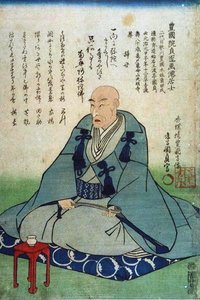
Utagawa Kunisada Ii
1823 - 1880 , Japón
Datos clave
- Artistic Movement Or Style: Ukiyo-e (yakusha-e)
- Artists Or Movements Influenced By This Artist: ['Escuela Utagawa']
- Artists Who Influenced This Artist: ['Utagawa Kunisada I']
- Date Of Birth: 1823
- Date Of Death: 1880
- Full Name: Utagawa Kunisada II
- Nationality: Japonesa
- Notable Artworks:
- La historia de losø ocho perros
- El actor de Osaka Kataoka Gado
- Place Of Birth: Tokio, Japón
Artículos relacionados

Katsushika Hokusai: Las 25 Obras Maestras del Ukiyo-e que Transformaron el Arte Japonés | ArtsDot
Descubre las 25 obras maestras de Katsushika Hokusai, el genio del ukiyo-e. Explora 'La Gran Ola', paisajes japoneses y su impacto en el arte moderno. Reproducciones de alta calidad para tu hogar en ArtsDot.com.
Ukiyo-e: Un Viaje al Corazón del Mundo Flotante Japonés y su Legado Artístico
Descubre el fascinante mundo del Ukiyo-e, el arte japonés del Período Edo. Explora las técnicas de grabado, los maestros Hokusai y Hiroshige, y su legado perdurable. ¡Un viaje cultural inolvidable!
Tōshūsai Sharaku: A Fleeting Glimpse into Edo Period Kabuki – Life, Art, and the Enigma of a Ukiyo-e Master
Explore the captivating world of Tōshūsai Sharaku, the enigmatic Edo period ukiyo-e master. Discover his iconic Kabuki actor portraits and unravel the mystery behind this fleeting artistic genius. Learn about his unique style & lasting legacy.
The Enduring Legacy of Woodblock Printmaking: Technique, History & Artistic Expression
Explore the rich history of woodblock printmaking – from ancient techniques to Ukiyo-e masterpieces. Discover expert insights on collecting, preserving & appreciating this enduring art form.
Suzuki Harunobu: Pioneering Ukiyo-e & the Refinement of Edo Period Printmaking
Discover the revolutionary world of Suzuki Harunobu, a pioneer of ukiyo-e printmaking. Explore his exquisite nishiki-e techniques, diverse subjects & lasting impact on Japanese art history. Learn more at ArtsDot.