 Ver en contexto
 Enviar
 Compartir
 Detalles

 Descargar
 Similares
 Radiografía
 Presentación de diapositivas
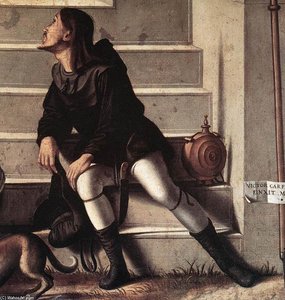
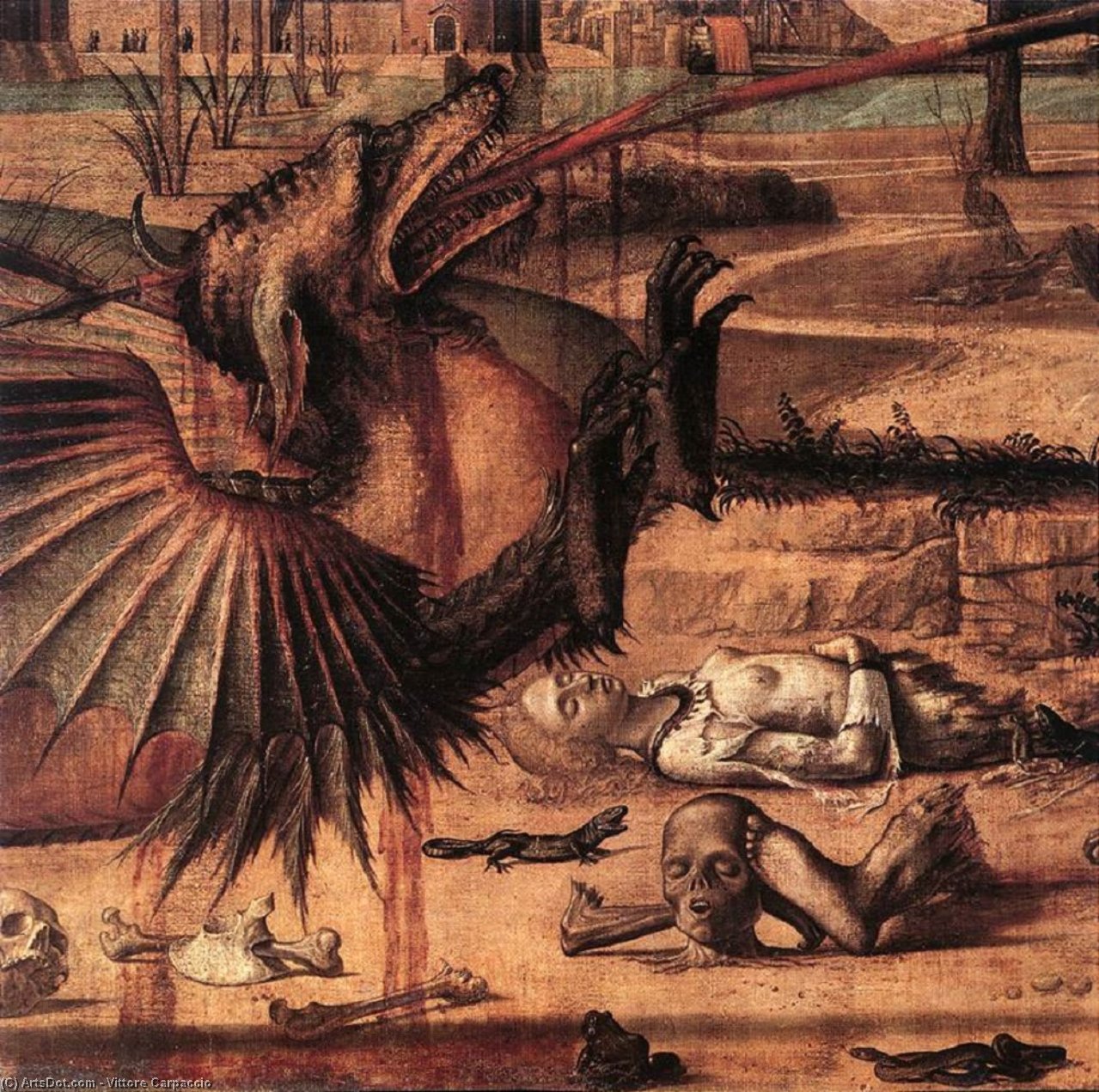
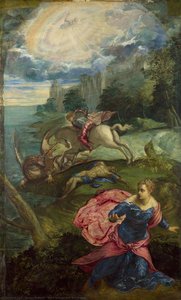
St George and the Dragon (detail)


 Ver más
Reproducción al óleo hecha a mano
Óleo sobre lienzo pintado a mano en el tamaño y marco de su elección, realizado por encargo por nuestros artistas. ( Comprar impresión Comprar imagen)




P118B $10

P118H $10

P118W $10

P438Z $10

P508JH $12

P508YH $12

P805H $10

P805Z $10

P919BZ $10

P919G $10

P919XJ $10

P959ZH $10

P968JZ $12

W106C $8

W218G $10

W218JH $8

W218Y $10

W307PJ $10

W316G $10

W316PJ $8

W316Y $10

W398PJ $8

W4111J $10

W500HY $15

W500JH $15

W692G $12

W849H $8

W940BG $15

W953PJ $8




Elija entre nuestros tamaños predefinidos que respetan las proporciones originales de la obra.

Puede ingresar sus propias dimensiones para adaptarse a un marco o espacio específico. Si el tamaño seleccionado no coincide con las proporciones de la imagen original, recortaremos la obra o extenderemos la pintura con elementos adicionales pintados a mano. Se le enviará una maqueta digital para su aprobación antes de comenzar la producción.
Tenga en cuenta que la vista previa en pantalla no refleja el recorte o la extensión reales. Solo la maqueta mostrará con precisión la composición final.
Si bien existen tamaños personalizados, recomendamos seleccionar una dimensión de la lista predefinida para preservar las proporciones originales.
Tras realizar el pedido, el equipo de ArtsDot.com enviará un correo electrónico al cliente para solicitar instrucciones y proporcionarle una vista previa del boceto.
Envío a todo el mundo () en 3-4 semanas en lugar de las 5 semanas estándar. (1 septiembre). Sin comprometer la calidad.

Envío exprés gratuito a todo el mundo

Lienzo de lino de alta calidad

Seguro de envío total

Garantía de reembolso de impuestos aduaneros

Garantía de fidelidad cromática exacta

Política de devolución de 60 días (solo por defectos)

Garantía de devolución del 100% del dinero

Descuento por cantidad
 La opción de vidrio solo está disponible en tamaños inferiores a 110 cm.

St George and the Dragon (detail)
Técnica de reproducción
Dimensiones de la reproducción
-


Precio total final
$ 263
A Grim Testament of Faith: Vittore Carpaccio’s St George and the Dragon
Vittore Carpaccio's *St George and the Dragon* (1502), housed in the Galleria dell’Accademia in Venice, stands as a cornerstone of Venetian Renaissance painting—a dramatic depiction steeped in religious allegory and executed with meticulous attention to detail. More than just a narrative recounting the saint’s triumph over evil, it embodies Carpaccio's distinctive artistic vision: conservative, emotionally resonant, and profoundly influenced by the stylistic precedents established by Antonello da Messina and early Netherlandish masters. This painting isn’t merely observed; it’s felt—a chilling reminder of mortality intertwined with unwavering devotion.The Narrative Landscape
The scene unfolds against a bleak, mountainous backdrop – a deliberate choice mirroring the desolate terrain of spiritual struggle. Saint George, clad in gleaming armor, confronts the colossal dragon, its serpentine form dominating the composition. The dragon's gaping maw is positioned centrally, conveying palpable menace and embodying primal darkness. Beneath him lies the fallen warrior—a figure rendered lifeless, symbolizing vulnerability to sin and awaiting divine redemption. Two birds – one perched atop Saint George’s helmet and another fluttering near the dragon’s head – serve as emblems of hope and vigilance, representing God's watchful eye safeguarding Christendom. Carpaccio skillfully weaves these symbolic elements into a compelling visual narrative that adheres closely to medieval legend.Carpaccio’s Style: A Quiet Revolution
Unlike many contemporaries embracing humanist ideals and experimenting with innovative techniques, Carpaccio remained steadfast in his adherence to Byzantine influences and the stylistic conventions of Messina and Bruges. This conservatism is evident in the muted palette—primarily ochres, reds, and blues—which prioritizes tonal harmony over vibrant color contrasts. The artist’s brushstrokes are deliberate and controlled, creating a surface texture that emphasizes form rather than illusionistic depth. Carpaccio's technique relies on layering thin glazes of pigment upon gesso panels, resulting in luminous surfaces that capture the subtle nuances of light and shadow—a hallmark of Venetian painting during his era.Symbolism: Beyond Simple Heroic Tale
The dragon itself represents evil incarnate – specifically Satan attempting to corrupt Saint George’s soul. The warrior's death symbolizes humanity’s susceptibility to temptation and the necessity of faith to overcome darkness. However, Carpaccio imbues the scene with deeper theological significance. The birds symbolize divine providence—God protecting Saint George from harm and guiding him towards salvation. Furthermore, the skulls scattered throughout the painting serve as poignant reminders of mortality and the ultimate triumph of God over death. These elements elevate *St George and the Dragon* beyond a mere retelling of biblical lore into a profound meditation on faith, courage, and spiritual redemption.Emotional Resonance: A Masterpiece of Dramatic Intensity
Carpaccio’s masterful portrayal captures the visceral horror of Saint George's confrontation with the dragon—a palpable tension conveyed through expressive gestures and meticulous anatomical detail. The artist skillfully utilizes chiaroscuro – dramatic contrasts between light and dark – to heighten the emotional impact of the scene, emphasizing Saint George’s heroic posture and highlighting the dragon’s terrifying presence. Viewing *St George and the Dragon* evokes a feeling of solemn contemplation—a recognition of humanity's struggle against evil and an affirmation of God’s unwavering compassion. It remains a testament to Carpaccio’s ability to transform biblical narrative into emotionally charged visual art, securing its place as one of Venice’s most enduring treasures.Obras relacionadas
Biografía del artista
Vida y Formación Temprana
Vittore Carpaccio, un destacado pintor italiano, nació en Venecia alrededor de 1465. Estudió bajo la tutela de Gentile Bellini, un renombrado artista de la escuela veneciana. Este aprendizaje sentó las bases para el futuro éxito de Carpaccio.
Estilo Artístico e Influencias
El estilo de Carpaccio se caracterizó por su naturaleza conservadora, mostrando una influencia mínima de las tendencias humanistas que transformaron la pintura del Renacimiento italiano durante su vida. Su obra fue influenciada por el estilo de Antonello da Messina y el arte netherlandish temprano. Esta mezcla única de estilos resultó en un enfoque distintivo de la pintura veneciana.
Obras Destacadas
- La Leyenda de Santa Úrsula, un ciclo de nueve pinturas, es la obra más famosa de Carpaccio. Esta serie, ahora alojada en las Gallerie dell'Accademia, muestra su maestría en la pintura narrativa.
- El retablo Gloria de Santa Úrsula (1491) demuestra la habilidad de Carpaccio para capturar la luz y el color, reminiscente del estilo de Giovanni Bellini.
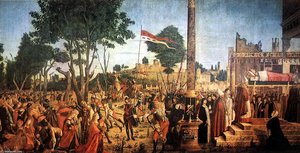
- Milagro de la Reliquia de la Cruz en el Ponte di Rialto (1494) destaca la capacidad de Carpaccio para equilibrar composición y narrativa.
Carrera e Importancia Histórica
Las principales obras de Carpaccio fueron ejecutadas entre 1490 y 1519, lo que le sitúa entre los primeros maestros del Renacimiento veneciano. Su estilo orientalista, como se ve en San Jorge bautizando a los Selenitas, refleja una nueva fascinación por el Levante. La obra de Carpaccio ha sido algo pasada por alto en comparación con sus contemporáneos, como Giovanni Bellini o Giorgione. A pesar de ello, su contribución al arte veneciano es innegable y su enfoque único lo distingue dentro del panorama artístico de la época.
Referencias Adicionales
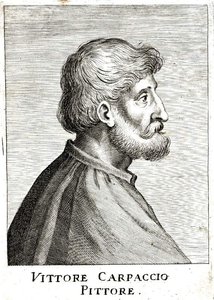
Vittore Carpaccio
1465 - 1526 , Italia
Datos clave
- Artistas Que Influyeron:
- Gentile Bellini
- Antonello da Messina
- Fecha De Muerte: 1526
- Fecha De Nacimiento: c. 1465
- Lugar De Nacimiento: Venecia, Italia
- Movimiento Artístico: Renacimiento veneciano
- Nacionalidad: Italiana
- Nombre Completo: Vittore Carpaccio
- Notable Obras:
- Leyenda de Santa Úrsula
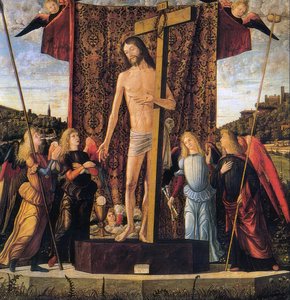
- Cristo con los Símbolos de la Pasión
- Retrato de una dama
Artículos relacionados

Georges Braque: Las 25 Obras Maestras del Cubismo y su Legado en el Arte Moderno
Descubre las 25 obras maestras de Georges Braque, pionero del cubismo. Explora su innovadora técnica, colores y el legado del arte moderno francés. Reproducciones de alta calidad en ArtsDot.com. ¡Encuentra tu inspiración!

Georges Seurat: Las 25 Obras Maestras del Pionero Puntillista | ArtsDot
Descubre las 25 obras maestras de Georges Seurat, el innovador del puntillismo. Explora su técnica única, colores vibrantes y legado artístico en ArtsDot.com. Reproducciones de arte de museo para tu hogar.
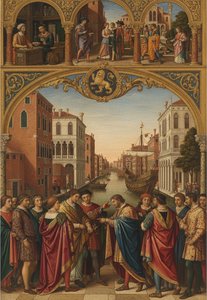
Vittore Carpaccio: Venetian Renaissance Narrative & the Poetics of Detail
Explore the captivating world of Vittore Carpaccio, a master storyteller of the Venetian Renaissance. Discover his intricate details, narrative cycles like 'The Legend of St. Ursula,' and unique artistic style.
Las 10 Obras Maestras del Alto Medieval: Arte, Historia y Decoración Exclusiva
Descubre las 10 obras maestras del Alto Medieval. Explora la historia, el simbolismo y la belleza de la pintura románica y gótica. Reproducciones exclusivas en ArtsDot.com para decorar tu hogar con arte atemporal.

Jacopo Tintoretto: Las 25 Obras Maestras del Genio Veneciano | Arte y Decoración en ArtsDot
Descubre las 25 obras maestras de Jacopo Tintoretto, el genio veneciano del Renacimiento. Explora su arte dramático, composiciones innovadoras y paleta vibrante. Reproducciones de alta calidad en ArtsDot.com para transformar tu hogar.