

 Ver en contexto
 Enviar
 Compartir
 Detalles

 Descargar
 Similares
 Radiografía
 Presentación de diapositivas
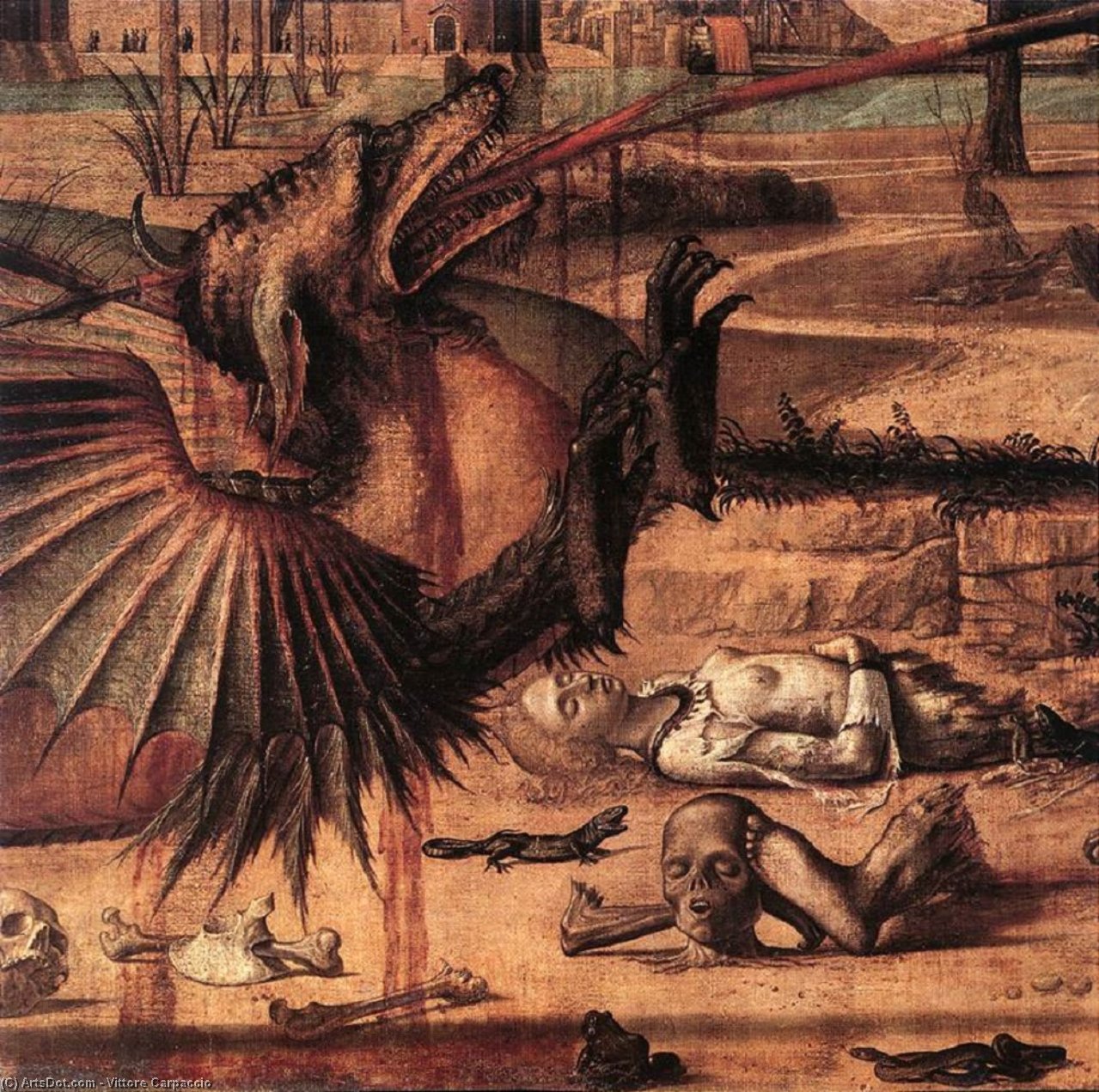
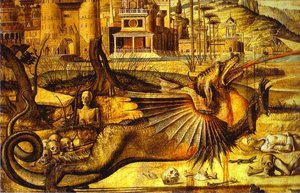
St George and the Dragon (detail)


 Ver más
Adquiera una imagen digital de alta resolución y optimizada, muy superior a la vista previa en línea.
Cada archivo es preparado meticulosamente por nuestros especialistas internos mediante el uso de herramientas avanzadas y un experto retoque manual. Nos aseguramos de que cada imagen posea una claridad excepcional, una precisión cromática impecable y un detalle minucioso.
El archivo final se entrega por correo electrónico en un plazo de 72 horas, optimizado para su uso inmediato en entornos profesionales, editoriales y de impresión. Esta es la misma calidad en la que confían los estudios de diseño, las editoriales y las galerías de primer nivel.
Imagen Digital
Descarga un archivo de alta resolución para exhibición personal, impresión y proyectos creativos. ( Comprar impresión Comprar pintura hecha a mano)
Incluido en cada pedido de imágenes digitales
Entrega digital experta, garantizada.
Al elegir ArtsDot.com, no solo está adquiriendo una imagen; está recibiendo una obra de arte digital mejorada profesionalmente, elaborada con precisión y respaldada por una garantía de satisfacción. Esto es todo lo que incluye su pedido, automáticamente:

Entrega rápida por email
Recibirá su archivo de imagen digital en alta resolución por correo electrónico en un plazo de 72 horas tras realizar su pedido, listo para su uso inmediato.

Archivo digital optimizado por IA
Su obra de arte se optimiza profesionalmente mediante herramientas avanzadas de IA y edición manual, garantizando el máximo detalle, claridad y precisión cromática.

Reenvío gratuito de por vida
¿Has borrado o perdido tu archivo por error? No te preocupes: te lo volveremos a enviar en cualquier momento, sin coste adicional.

Sin gastos de importación, siempre
Disfrute de su obra de arte al instante sin aduanas, aranceles ni gastos de envío; las descargas digitales siempre están libres de impuestos.

Garantía de fidelidad de color
Garantizamos que su imagen digital refleje los colores originales con la mayor fidelidad posible, mediante el uso de herramientas profesionales y gestión del color.

Garantía de satisfacción de 60 días
Si no está satisfecho con su imagen digital, la revisaremos o le reembolsaremos el 100% en un plazo de 60 días, sin preguntas.

100% Garantía de devolución de dinero
¿No está satisfecho? Obtenga un reembolso completo dentro de los 60 días posteriores a la recepción de su archivo digital, sin necesidad de explicaciones.

Descuentos por pedidos grandes
Compra 3 imágenes, ahorra 10% - Compra 5, ahorra 15% - Compra 10+, ahorra 20%. Ideal para proyectos creativos, galerías y agencias.
A Grim Testament of Faith: Vittore Carpaccio’s St George and the Dragon
Vittore Carpaccio's *St George and the Dragon* (1502), housed in the Galleria dell’Accademia in Venice, stands as a cornerstone of Venetian Renaissance painting—a dramatic depiction steeped in religious allegory and executed with meticulous attention to detail. More than just a narrative recounting the saint’s triumph over evil, it embodies Carpaccio's distinctive artistic vision: conservative, emotionally resonant, and profoundly influenced by the stylistic precedents established by Antonello da Messina and early Netherlandish masters. This painting isn’t merely observed; it’s felt—a chilling reminder of mortality intertwined with unwavering devotion.The Narrative Landscape
The scene unfolds against a bleak, mountainous backdrop – a deliberate choice mirroring the desolate terrain of spiritual struggle. Saint George, clad in gleaming armor, confronts the colossal dragon, its serpentine form dominating the composition. The dragon's gaping maw is positioned centrally, conveying palpable menace and embodying primal darkness. Beneath him lies the fallen warrior—a figure rendered lifeless, symbolizing vulnerability to sin and awaiting divine redemption. Two birds – one perched atop Saint George’s helmet and another fluttering near the dragon’s head – serve as emblems of hope and vigilance, representing God's watchful eye safeguarding Christendom. Carpaccio skillfully weaves these symbolic elements into a compelling visual narrative that adheres closely to medieval legend.Carpaccio’s Style: A Quiet Revolution
Unlike many contemporaries embracing humanist ideals and experimenting with innovative techniques, Carpaccio remained steadfast in his adherence to Byzantine influences and the stylistic conventions of Messina and Bruges. This conservatism is evident in the muted palette—primarily ochres, reds, and blues—which prioritizes tonal harmony over vibrant color contrasts. The artist’s brushstrokes are deliberate and controlled, creating a surface texture that emphasizes form rather than illusionistic depth. Carpaccio's technique relies on layering thin glazes of pigment upon gesso panels, resulting in luminous surfaces that capture the subtle nuances of light and shadow—a hallmark of Venetian painting during his era.Symbolism: Beyond Simple Heroic Tale
The dragon itself represents evil incarnate – specifically Satan attempting to corrupt Saint George’s soul. The warrior's death symbolizes humanity’s susceptibility to temptation and the necessity of faith to overcome darkness. However, Carpaccio imbues the scene with deeper theological significance. The birds symbolize divine providence—God protecting Saint George from harm and guiding him towards salvation. Furthermore, the skulls scattered throughout the painting serve as poignant reminders of mortality and the ultimate triumph of God over death. These elements elevate *St George and the Dragon* beyond a mere retelling of biblical lore into a profound meditation on faith, courage, and spiritual redemption.Emotional Resonance: A Masterpiece of Dramatic Intensity
Carpaccio’s masterful portrayal captures the visceral horror of Saint George's confrontation with the dragon—a palpable tension conveyed through expressive gestures and meticulous anatomical detail. The artist skillfully utilizes chiaroscuro – dramatic contrasts between light and dark – to heighten the emotional impact of the scene, emphasizing Saint George’s heroic posture and highlighting the dragon’s terrifying presence. Viewing *St George and the Dragon* evokes a feeling of solemn contemplation—a recognition of humanity's struggle against evil and an affirmation of God’s unwavering compassion. It remains a testament to Carpaccio’s ability to transform biblical narrative into emotionally charged visual art, securing its place as one of Venice’s most enduring treasures.Obras relacionadas
Biografía del artista
Vida y Formación Temprana
Vittore Carpaccio, un destacado pintor italiano, nació en Venecia alrededor de 1465. Estudió bajo la tutela de Gentile Bellini, un renombrado artista de la escuela veneciana. Este aprendizaje sentó las bases para el futuro éxito de Carpaccio.
Estilo Artístico e Influencias
El estilo de Carpaccio se caracterizó por su naturaleza conservadora, mostrando una influencia mínima de las tendencias humanistas que transformaron la pintura del Renacimiento italiano durante su vida. Su obra fue influenciada por el estilo de Antonello da Messina y el arte netherlandish temprano. Esta mezcla única de estilos resultó en un enfoque distintivo de la pintura veneciana.
Obras Destacadas
- La Leyenda de Santa Úrsula, un ciclo de nueve pinturas, es la obra más famosa de Carpaccio. Esta serie, ahora alojada en las Gallerie dell'Accademia, muestra su maestría en la pintura narrativa.
- El retablo Gloria de Santa Úrsula (1491) demuestra la habilidad de Carpaccio para capturar la luz y el color, reminiscente del estilo de Giovanni Bellini.
- Milagro de la Reliquia de la Cruz en el Ponte di Rialto (1494) destaca la capacidad de Carpaccio para equilibrar composición y narrativa.
Carrera e Importancia Histórica
Las principales obras de Carpaccio fueron ejecutadas entre 1490 y 1519, lo que le sitúa entre los primeros maestros del Renacimiento veneciano. Su estilo orientalista, como se ve en San Jorge bautizando a los Selenitas, refleja una nueva fascinación por el Levante. La obra de Carpaccio ha sido algo pasada por alto en comparación con sus contemporáneos, como Giovanni Bellini o Giorgione. A pesar de ello, su contribución al arte veneciano es innegable y su enfoque único lo distingue dentro del panorama artístico de la época.
Referencias Adicionales
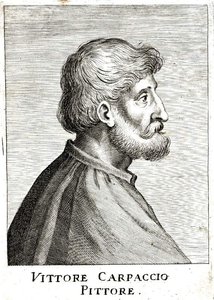
Vittore Carpaccio
1465 - 1526 , Italia
Breves datos
- Artistas Que Influyeron:
- Gentile Bellini
- Antonello da Messina
- Fecha De Muerte: 1526
- Fecha De Nacimiento: c. 1465
- Lugar De Nacimiento: Venecia, Italia
- Movimiento Artístico: Renacimiento veneciano
- Nacionalidad: Italiana
- Nombre Completo: Vittore Carpaccio
- Notable Obras:
- Leyenda de Santa Úrsula
- Cristo con los Símbolos de la Pasión
- Retrato de una dama

