 Vista previa
 Compartir
 Compartir
 Ver detalles

 Descargar
 Ver similares
 Radiografía
 Presentación de diapositivas
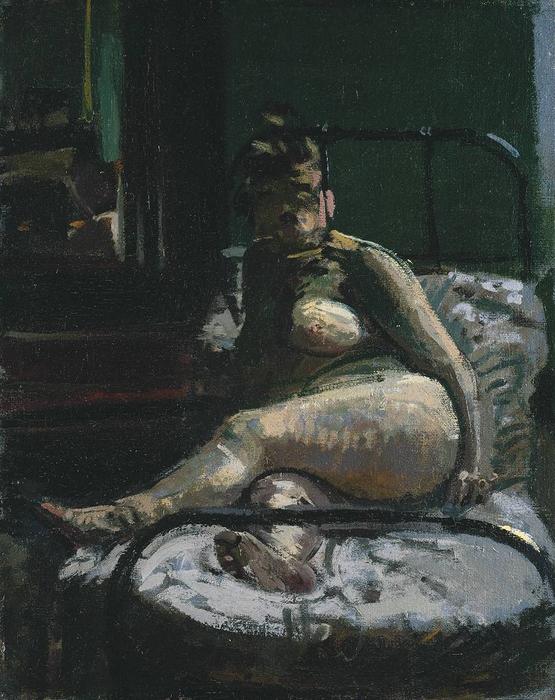
La Hollandaise


 Leer más
Reproducción al óleo hecha a mano
Óleo sobre lienzo pintado a mano en el tamaño y marco de su elección, realizado por encargo por nuestros artistas. ( Pedir impresión Comprar descarga)




P118B $10

P118H $10

P118W $10

P438Z $10

P508JH $12

P508YH $12

P805H $10

P805Z $10

P919BZ $10

P919G $10

P919XJ $10

P959ZH $10

P968JZ $12

W106C $8

W218G $10

W218JH $8

W218Y $10

W307PJ $10

W316G $10

W316PJ $8

W316Y $10

W398PJ $8

W4111J $10

W500HY $15

W500JH $15

W692G $12

W849H $8

W940BG $15

W953PJ $8




Elija entre nuestros tamaños predefinidos que respetan las proporciones originales de la obra.

Puede ingresar sus propias dimensiones para adaptarse a un marco o espacio específico. Si el tamaño seleccionado no coincide con las proporciones de la imagen original, recortaremos la obra o extenderemos la pintura con elementos adicionales pintados a mano. Se le enviará una maqueta digital para su aprobación antes de comenzar la producción.
Tenga en cuenta que la vista previa en pantalla no refleja el recorte o la extensión reales. Solo la maqueta mostrará con precisión la composición final.
Si bien existen tamaños personalizados, recomendamos seleccionar una dimensión de la lista predefinida para preservar las proporciones originales.
Tras realizar el pedido, el equipo de ArtsDot.com enviará un correo electrónico al cliente para solicitar instrucciones y proporcionarle una vista previa del boceto.
Envío a todo el mundo () en 3-4 semanas en lugar de las 5 semanas estándar. (20 agosto). Sin comprometer la calidad.

Envío exprés gratuito a todo el mundo

Lienzo de lino de alta calidad

Seguro de envío completo

Garantía de reembolso de aranceles aduaneros

Garantía de fidelidad cromática exacta

Política de devolución de 60 días (solo por defectos)

Garantía de devolución del 100% del dinero

Oferta por volumen
 La opción de vidrio solo está disponible en tamaños inferiores a 110 cm.

La Hollandaise
Técnica de reproducción
Tamaño de la reproducción
-


Precio total
$ 263
Descripción de la obra
Walter Richard Sickert’s *La Hollandaise*: A Study in Shadowed Intimacy
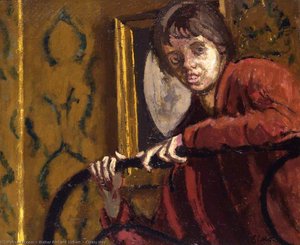
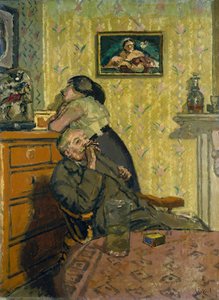
Walter Richard Sickert's 1906 painting, *La Hollandaise*, is not merely a portrait; it’s a carefully constructed tableau of urban alienation and veiled sensuality. Housed within the Tate Britain collection, this work immediately draws the viewer into a dimly lit interior, dominated by an iron bedstead and the enigmatic figure of a woman reclining upon it. Sickert, a pivotal figure in bridging the gap between Impressionism and Modernism, masterfully employs a muted palette—primarily ochres, greys, and blues—to evoke a sense of both decay and quiet beauty. The painting’s power lies not in overt display but in its subtle suggestion, its ability to whisper stories rather than shout them.
Sickert's technique is characterized by a loose, almost sketch-like application of paint. He eschews meticulous detail, favoring instead broad brushstrokes and a fragmented approach that mirrors the fractured reality he often depicted. The woman’s face remains largely obscured in shadow, contributing to an atmosphere of mystery and anonymity. Her limbs are rendered with a deliberate lack of idealization; her posture is awkward, her legs crossed clumsily – a far cry from the idealized nudes prevalent in earlier art historical traditions. This rejection of conventional beauty aligns with Sickert’s broader interest in portraying marginalized figures and exploring the darker aspects of human experience.
The Camden Town Context: A World of Shadows
*La Hollandaise* was created during Sickert's time in Camden Town, a bohemian hub teeming with artists, writers, and performers. This period marked a significant shift in his artistic focus; he moved away from the grand salon scenes of his earlier career to capture the gritty realities of London’s working-class districts. The painting is deeply rooted within this specific milieu, reflecting the atmosphere of smoky music halls, dimly lit pubs, and the transient lives of those who populated Camden Town. The title itself, “La Hollandaise,” hints at a connection to the world of prostitution – a reference to Balzac’s novel *Gobseck*, where a character nicknamed "la belle Hollandaise" was a courtesan. This association adds another layer of complexity to the image, suggesting a narrative of vulnerability and exploitation.
Crucially, Sickert's work during this period is often interpreted as a commentary on the changing social landscape of Britain. The rise of industrialization and urbanization led to widespread poverty and displacement, and Sickert’s paintings offer a poignant glimpse into the lives of those left behind. *La Hollandaise* embodies this theme through its depiction of an anonymous woman in a state of quiet desperation, her existence reduced to the confines of a simple bedstead.
Symbolism and Emotional Resonance
Beyond its social commentary, *La Hollandaise* is rich in symbolic meaning. The iron bedstead itself represents both confinement and vulnerability – a stark reminder of the woman’s precarious situation. The shadows that envelop her face suggest a sense of isolation and hidden emotions. The single source of light, illuminating her thigh and breast, creates a dramatic contrast, highlighting her physical presence while simultaneously obscuring her identity. This interplay of light and shadow is central to Sickert's artistic vision, creating an atmosphere of ambiguity and intrigue.
Ultimately, *La Hollandaise* transcends the limitations of a simple portrait. It’s a haunting meditation on loneliness, alienation, and the complexities of human relationships. Sickert’s masterful use of light, shadow, and fragmented forms invites viewers to contemplate the woman's story—to imagine her past, her hopes, and her fears. The painting remains a powerful testament to Sickert’s unique artistic sensibility and his ability to capture the essence of modern life.
Collecting & Reproduction
Reproductions of *La Hollandaise* offer an exceptional opportunity to bring this evocative artwork into any interior space. Its muted palette and atmospheric quality complement a wide range of design styles, from contemporary minimalism to classic Edwardian interiors. Consider framing the reproduction in a dark wood or metal frame to further enhance its dramatic effect. The painting’s inherent mystery and emotional depth will undoubtedly serve as a focal point, sparking conversation and adding a touch of sophisticated intrigue to any room.
Obras relacionadas
Biografía del artista
Primeros años y formación
Walter Richard Sickert, un pintor británico de origen alemán, nació el 31 de mayo de 1860 en Múnich, Reino de Baviera. Su familia se estableció en Inglaterra en 1868, tras la anexión alemana de Schleswig-Holstein. La educación temprana de Sickert tuvo lugar en la University College School y la King's College School, donde estudió hasta los 18 años.Desarrollo artístico
El viaje artístico de Sickert comenzó con una breve incursión como actor, seguida de su inscripción en la Slade School en 1881. Posteriormente, se convirtió en alumno de James Abbott McNeill Whistler, quien influyó significativamente en su obra. Sus primeras pinturas fueron pequeños estudios tonales pintados "alla prima" desde la naturaleza siguiendo el ejemplo de Whistler.Obras destacadas y controversia
Las primeras obras importantes de Sickert, que datan de finales de la década de 1880, representaban escenas en los teatros de música de Londres. Una de sus pinturas notables, Katie Lawrence at Gatti's, generó controversia debido a su representación de una conocida cantante de teatro musical, considerada "fea y vulgar" por los críticos.Asociación con el Grupo de Camden Town
Sickert fue una influencia importante en los estilos británicos de arte vanguardista del siglo XX. Se unió al New English Art Club en 1888, un grupo de artistas realistas influenciados por los franceses, y posteriormente se convirtió en miembro del Grupo de Camden Town.Legado
La obra de Sickert puede encontrarse en varios museos, incluido el Museum Kunstsalon Franke Schenk, que presenta obras desde los siglos XVI al XX. Su legado se extiende más allá de su propio arte, influyendo en los estilos británicos de arte vanguardista a mediados y finales del siglo XX.- Vea las pinturas de Sickert en ArtsDot: Walter Richard Sickert
- Descubra más sobre el Grupo de Camden Town en Wikipedia: Wyndham Lewis
- Explore la colección del Museum Kunstsalon Franke Schenk en ArtsDot: El Museo Kunstsalon Franke Schenk
- Aprenda más sobre la vida y obra de Sickert en Wikipedia: Walter Sickert
- 31 de mayo de 1860: Nacimiento en Múnich, Reino de Baviera
- 1888: Se unió al New English Art Club
- 1903-04: Desarrolló un enfoque distintivo para los conjuntos de múltiples figuras durante su último viaje de pintura a Venecia
Conclusión
El trabajo pionero de Walter Richard Sickert en el arte británico de vanguardia ha dejado una huella indeleble en el mundo del arte. Su legado continúa inspirando e influyendo en artistas, convirtiéndolo en una figura crucial en la historia del arte moderno.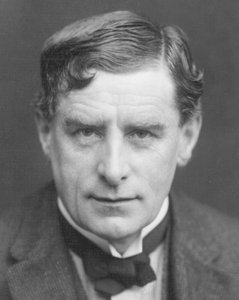
Walter Richard Sickert
1860 - 1942 , Alemania
Datos clave
- Artistas Que Influyeron: ['James Abbott McNeill Whistler']
- Fecha De Fallecimiento: 22 de enero de 1942
- Fecha De Nacimiento: 31 de mayo de 1860
- Influencia Artística: Camden Town Group, Arte británico moderno
- Lugar De Nacimiento: Múnich, Alemania
- Movimiento Artístico: Postimpresionismo, Realismo
- Nacionalidad: Británico (de origen alemán)
- Nombre Completo: Walter Richard Sickert
- Obras Notables:
- Katie Lawrence en Gatti's
- Gaieté Montparnasse
Artículos relacionados
Walter Sickert: A Shadowy Realism & the Modern British Canvas
Explore the life & work of Walter Sickert, a pivotal British painter bridging Impressionism to Modernism. Discover his evocative scenes of London life, controversial legacy, and lasting influence on 20th-century art.
Samuel Walters: Capturing Victorian Maritime Life with Precision & Artistry
Explore the exquisite maritime paintings of Samuel Walters (1811-1882). Discover his mastery of detail, historical scenes & influence on Victorian art. Learn about collecting his works and find high-quality reproductions at ArtsDot.
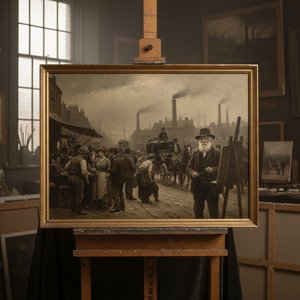
Walter Greaves: A Study in Victorian Realism & the Social Landscape of British Art
Explore the life & work of Walter Greaves, a key Victorian realist painter influenced by Whistler. Discover his London streetscapes, portraits, and enduring legacy. Learn about art appraisal & reproduction options at ArtsDot.
The Enduring Allure of the Nude: A Historical & Artistic Exploration of the Human Form
Explore the captivating history of nude art! Discover iconic paintings & artists from classical to modern eras. Uncover symbolism, techniques & find museum-quality reproductions at ArtsDot.
La Biennale de Venecia: 25 Obras Maestras para Inspirar tu Hogar | ArtsDot
Descubre las 25 obras maestras de la Bienal de Venecia. Explora la historia, artistas y técnicas detrás de iconos del arte renacentista, moderno y contemporáneo. Encuentra reproducciones de alta calidad e inspira tu hogar con ArtsDot.com.