 Ver en contexto
 Enviar
 Compartir
 Detalles

 Descargar
 Similares
 Radiografía
 Presentación de diapositivas
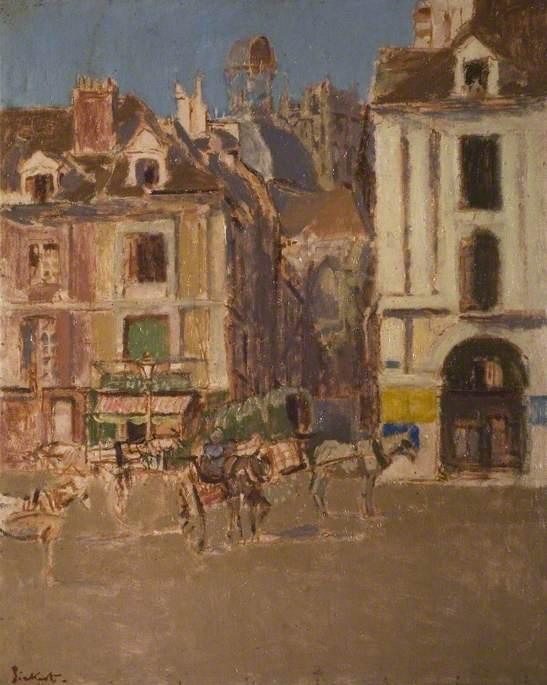
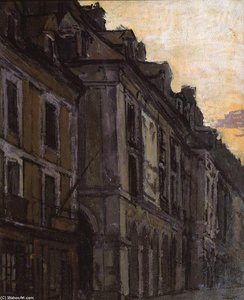
La Rue Notre Dame and the Quai Duquesne, Dieppe


 Ver más
Reproducción al óleo hecha a mano
Óleo sobre lienzo pintado a mano en el tamaño y marco de su elección, realizado por encargo por nuestros artistas. ( Comprar impresión Comprar imagen)




P118B $10

P118H $10

P118W $10

P438Z $10

P508JH $12

P508YH $12

P805H $10

P805Z $10

P919BZ $10

P919G $10

P919XJ $10

P959ZH $10

P968JZ $12

W106C $8

W218G $10

W218JH $8

W218Y $10

W307PJ $10

W316G $10

W316PJ $8

W316Y $10

W398PJ $8

W4111J $10

W500HY $15

W500JH $15

W692G $12

W849H $8

W940BG $15

W953PJ $8




Elija entre nuestros tamaños predefinidos que respetan las proporciones originales de la obra.

Puede ingresar sus propias dimensiones para adaptarse a un marco o espacio específico. Si el tamaño seleccionado no coincide con las proporciones de la imagen original, recortaremos la obra o extenderemos la pintura con elementos adicionales pintados a mano. Se le enviará una maqueta digital para su aprobación antes de comenzar la producción.
Tenga en cuenta que la vista previa en pantalla no refleja el recorte o la extensión reales. Solo la maqueta mostrará con precisión la composición final.
Si bien existen tamaños personalizados, recomendamos seleccionar una dimensión de la lista predefinida para preservar las proporciones originales.
Tras realizar el pedido, el equipo de ArtsDot.com enviará un correo electrónico al cliente para solicitar instrucciones y proporcionarle una vista previa del boceto.
Envío a todo el mundo () en 3-4 semanas en lugar de las 5 semanas estándar. (26 agosto). Sin comprometer la calidad.

Envío exprés gratuito a todo el mundo

Lienzo de lino de alta calidad

Seguro de envío total

Garantía de reembolso de impuestos aduaneros

Garantía de fidelidad cromática exacta

Política de devolución de 60 días (solo por defectos)

Garantía de devolución del 100% del dinero

Descuento por cantidad
 La opción de vidrio solo está disponible en tamaños inferiores a 110 cm.

La Rue Notre Dame and the Quai Duquesne, Dieppe
Técnica de reproducción
Dimensiones de la reproducción
-


Precio total final
$ 263
Descripción de la obra
A Glimpse of Dieppe’s Soul: Walter Richard Sickert's “La Rue Notre Dame and the Quai Duquesne”
Walter Richard Sickert’s “La Rue Notre Dame and the Quai Duquesne, Dieppe,” painted in 1902, isn’t merely a depiction of a street scene; it’s a carefully constructed tableau brimming with atmosphere, social observation, and a subtle undercurrent of melancholy. This oil on canvas, now residing within the Birmingham Museum and Art Gallery, offers a captivating window into the artist's unique vision of urban life and his fascination with the marginalized figures that populated its fringes. The painting immediately draws the eye down the Rue Notre Dame, a narrow thoroughfare leading towards the imposing St. Jacques church, framed by the elegant arcades of the Quai Duquesne – a scene rendered with a remarkable sense of immediacy and movement.Composition and Technique: A Dance of Light and Shadow
Sickert’s masterful technique is immediately apparent in the painting's dynamic composition. Bold, expressive brushstrokes create a palpable sense of energy, particularly evident in the horse-drawn carriage that dominates the foreground. The artist doesn’t shy away from depicting the grime and wear of everyday life; the cobblestones are rendered with a textured realism, and the buildings lining the street possess a slightly weathered quality. Light plays a crucial role, casting dramatic shadows that deepen the sense of depth and create an almost theatrical atmosphere. Sickert employed a technique reminiscent of Whistler, prioritizing tonal values and capturing fleeting moments of light rather than striving for photographic accuracy. The inclusion of a bicycle parked on the sidewalk – a relatively new addition to urban landscapes at the time – subtly hints at the changing rhythms of modern life. The careful arrangement of figures—a woman standing close to the left edge, another in the center, and two further along the right side—adds to the feeling of a bustling public space.Echoes of Camden Town: A Portrait of London’s Underbelly
Sickert's work is inextricably linked to the Camden Town Group, a collective of artists who sought to capture the gritty reality of London’s working-class districts. His choice of subject matter—music halls, street scenes, and portraits of ordinary people—reflects this commitment. “La Rue Notre Dame” shares thematic similarities with Sickert's earlier paintings of London music halls, particularly his depiction of Katie Lawrence at Gatti’s, a work that sparked considerable controversy due to its unflinching portrayal of female performers. The painting subtly evokes the atmosphere of Camden Town, where Sickert established studios and cultivated relationships with artists and writers. The scene feels both familiar and slightly unsettling, mirroring the complex social dynamics of London's urban landscape.Symbolism and Emotional Resonance
Beyond its realistic depiction of a street scene, “La Rue Notre Dame” carries a deeper symbolic weight. Sickert’s frequent depictions of marginalized figures—prostitutes, musicians, and laborers—suggested an interest in the hidden corners of society. The painting's subdued color palette and dramatic lighting contribute to a mood of quiet contemplation and perhaps even melancholy. The horse-drawn carriage, a symbol of a bygone era, contrasts with the bicycle, representing the dawn of modernity. This juxtaposition hints at a sense of loss and transition—a reflection of Sickert’s own feelings about the changing nature of urban life. The painting invites viewers to consider not just what they see but also what lies beneath the surface.A Legacy in Reproduction: Bringing Sickert's Vision Home
Today, high-quality reproductions of “La Rue Notre Dame and the Quai Duquesne” are available through platforms like ArtsDot.com, offering art enthusiasts a chance to bring this evocative masterpiece into their homes or offices. These meticulously crafted prints capture the painting’s rich textures, vibrant colors, and atmospheric depth with remarkable fidelity. Whether you're an admirer of Sickert’s unique artistic vision or simply seeking a captivating piece of art for your interior space, a reproduction of this iconic work offers a tangible connection to one of Britain’s most intriguing artists. Consider it not just a print, but a portal into the soul of Dieppe and the world seen through Sickert's discerning eye.Obras relacionadas
Biografía del artista
Primeros años y formación
Walter Richard Sickert, un pintor británico de origen alemán, nació el 31 de mayo de 1860 en Múnich, Reino de Baviera. Su familia se estableció en Inglaterra en 1868, tras la anexión alemana de Schleswig-Holstein. La educación temprana de Sickert tuvo lugar en la University College School y la King's College School, donde estudió hasta los 18 años.Desarrollo artístico
El viaje artístico de Sickert comenzó con una breve incursión como actor, seguida de su inscripción en la Slade School en 1881. Posteriormente, se convirtió en alumno de James Abbott McNeill Whistler, quien influyó significativamente en su obra. Sus primeras pinturas fueron pequeños estudios tonales pintados "alla prima" desde la naturaleza siguiendo el ejemplo de Whistler.Obras destacadas y controversia
Las primeras obras importantes de Sickert, que datan de finales de la década de 1880, representaban escenas en los teatros de música de Londres. Una de sus pinturas notables, Katie Lawrence at Gatti's, generó controversia debido a su representación de una conocida cantante de teatro musical, considerada "fea y vulgar" por los críticos.Asociación con el Grupo de Camden Town
Sickert fue una influencia importante en los estilos británicos de arte vanguardista del siglo XX. Se unió al New English Art Club en 1888, un grupo de artistas realistas influenciados por los franceses, y posteriormente se convirtió en miembro del Grupo de Camden Town.Legado
La obra de Sickert puede encontrarse en varios museos, incluido el Museum Kunstsalon Franke Schenk, que presenta obras desde los siglos XVI al XX. Su legado se extiende más allá de su propio arte, influyendo en los estilos británicos de arte vanguardista a mediados y finales del siglo XX.- Vea las pinturas de Sickert en ArtsDot: Walter Richard Sickert
- Descubra más sobre el Grupo de Camden Town en Wikipedia: Wyndham Lewis
- Explore la colección del Museum Kunstsalon Franke Schenk en ArtsDot: El Museo Kunstsalon Franke Schenk
- Aprenda más sobre la vida y obra de Sickert en Wikipedia: Walter Sickert
- 31 de mayo de 1860: Nacimiento en Múnich, Reino de Baviera
- 1888: Se unió al New English Art Club
- 1903-04: Desarrolló un enfoque distintivo para los conjuntos de múltiples figuras durante su último viaje de pintura a Venecia
Conclusión
El trabajo pionero de Walter Richard Sickert en el arte británico de vanguardia ha dejado una huella indeleble en el mundo del arte. Su legado continúa inspirando e influyendo en artistas, convirtiéndolo en una figura crucial en la historia del arte moderno.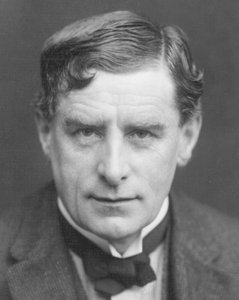
Walter Richard Sickert
1860 - 1942 , Alemania
Datos clave
- Artistas Que Influyeron: ['James Abbott McNeill Whistler']
- Fecha De Fallecimiento: 22 de enero de 1942
- Fecha De Nacimiento: 31 de mayo de 1860
- Influencia Artística: Camden Town Group, Arte británico moderno
- Lugar De Nacimiento: Múnich, Alemania
- Movimiento Artístico: Postimpresionismo, Realismo
- Nacionalidad: Británico (de origen alemán)
- Nombre Completo: Walter Richard Sickert
- Obras Notables:
- Katie Lawrence en Gatti's
- Gaieté Montparnasse
Artículos relacionados
Walter Sickert: A Shadowy Realism & the Modern British Canvas
Explore the life & work of Walter Sickert, a pivotal British painter bridging Impressionism to Modernism. Discover his evocative scenes of London life, controversial legacy, and lasting influence on 20th-century art.

Impresionismo: 10 Obras Maestras que Capturan la Luz y el Momento
Descubre 10 obras maestras del impresionismo de Monet, Renoir y Degas. Explora la luz, el color y las historias detrás de estos icónicos cuadros. Reproducciones de arte en ArtsDot.com para decorar tu hogar con estilo.
La Edad Dorada Reinterpretada: Explorando los Principios Estéticos y el Legado Duradero del Art Déco
Descubre la elegancia atemporal del Art Déco. Explora su historia, características clave y artistas emblemáticos. Encuentra inspiración y obras exclusivas para decorar con estilo en ArtsDot.
Richard Hayley Lever: A Study in British Impressionism & Coastal Light
Explore the captivating world of Richard Hayley Lever (1876-1958), a master of Impressionism renowned for his vibrant coastal scenes. Discover his life, style & legacy with ArtsDot.
The Gleaming Geometry of Desire: Exploring Art Deco's Enduring Influence on Visual Culture
Explore the captivating world of Art Deco! Discover its history, key characteristics, enduring influence on design & collecting with expert insights from ArtsDot.com.