

 Ver en contexto
 Enviar
 Compartir
 Detalles

 Descargar
 Similares
 Radiografía
 Presentación de diapositivas
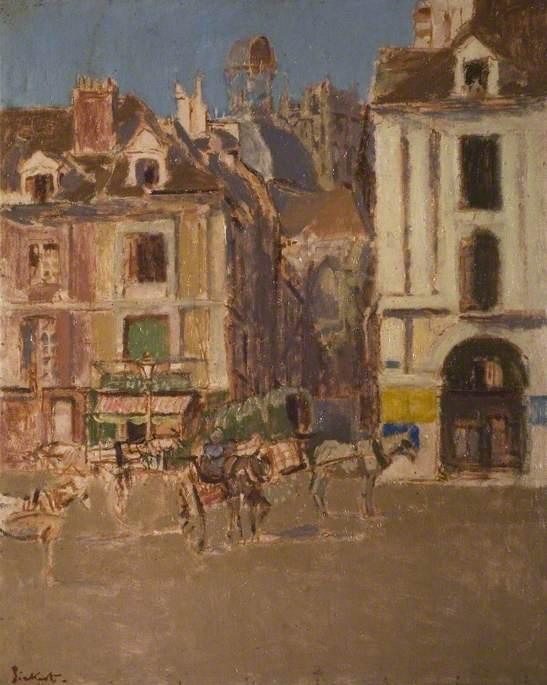
La Rue Notre Dame and the Quai Duquesne, Dieppe


 Ver más
Adquiera una imagen digital de alta resolución y optimizada, muy superior a la vista previa en línea.
Cada archivo es preparado meticulosamente por nuestros especialistas internos mediante el uso de herramientas avanzadas y un experto retoque manual. Nos aseguramos de que cada imagen posea una claridad excepcional, una precisión cromática impecable y un detalle minucioso.
El archivo final se entrega por correo electrónico en un plazo de 72 horas, optimizado para su uso inmediato en entornos profesionales, editoriales y de impresión. Esta es la misma calidad en la que confían los estudios de diseño, las editoriales y las galerías de primer nivel.
Imagen Digital
Descarga un archivo de alta resolución para exhibición personal, impresión y proyectos creativos. ( Comprar impresión Comprar pintura hecha a mano)
Incluido en cada pedido de imágenes digitales
Entrega digital experta, garantizada.
Al elegir ArtsDot.com, no solo está adquiriendo una imagen; está recibiendo una obra de arte digital mejorada profesionalmente, elaborada con precisión y respaldada por una garantía de satisfacción. Esto es todo lo que incluye su pedido, automáticamente:

Entrega rápida por email
Recibirá su archivo de imagen digital en alta resolución por correo electrónico en un plazo de 72 horas tras realizar su pedido, listo para su uso inmediato.

Archivo digital optimizado por IA
Su obra de arte se optimiza profesionalmente mediante herramientas avanzadas de IA y edición manual, garantizando el máximo detalle, claridad y precisión cromática.

Reenvío gratuito de por vida
¿Has borrado o perdido tu archivo por error? No te preocupes: te lo volveremos a enviar en cualquier momento, sin coste adicional.

Sin gastos de importación, siempre
Disfrute de su obra de arte al instante sin aduanas, aranceles ni gastos de envío; las descargas digitales siempre están libres de impuestos.

Garantía de fidelidad de color
Garantizamos que su imagen digital refleje los colores originales con la mayor fidelidad posible, mediante el uso de herramientas profesionales y gestión del color.

Garantía de satisfacción de 60 días
Si no está satisfecho con su imagen digital, la revisaremos o le reembolsaremos el 100% en un plazo de 60 días, sin preguntas.

100% Garantía de devolución de dinero
¿No está satisfecho? Obtenga un reembolso completo dentro de los 60 días posteriores a la recepción de su archivo digital, sin necesidad de explicaciones.

Descuentos por pedidos grandes
Compra 3 imágenes, ahorra 10% - Compra 5, ahorra 15% - Compra 10+, ahorra 20%. Ideal para proyectos creativos, galerías y agencias.
Descripción del coleccionable
A Glimpse of Dieppe’s Soul: Walter Richard Sickert's “La Rue Notre Dame and the Quai Duquesne”
Walter Richard Sickert’s “La Rue Notre Dame and the Quai Duquesne, Dieppe,” painted in 1902, isn’t merely a depiction of a street scene; it’s a carefully constructed tableau brimming with atmosphere, social observation, and a subtle undercurrent of melancholy. This oil on canvas, now residing within the Birmingham Museum and Art Gallery, offers a captivating window into the artist's unique vision of urban life and his fascination with the marginalized figures that populated its fringes. The painting immediately draws the eye down the Rue Notre Dame, a narrow thoroughfare leading towards the imposing St. Jacques church, framed by the elegant arcades of the Quai Duquesne – a scene rendered with a remarkable sense of immediacy and movement.Composition and Technique: A Dance of Light and Shadow
Sickert’s masterful technique is immediately apparent in the painting's dynamic composition. Bold, expressive brushstrokes create a palpable sense of energy, particularly evident in the horse-drawn carriage that dominates the foreground. The artist doesn’t shy away from depicting the grime and wear of everyday life; the cobblestones are rendered with a textured realism, and the buildings lining the street possess a slightly weathered quality. Light plays a crucial role, casting dramatic shadows that deepen the sense of depth and create an almost theatrical atmosphere. Sickert employed a technique reminiscent of Whistler, prioritizing tonal values and capturing fleeting moments of light rather than striving for photographic accuracy. The inclusion of a bicycle parked on the sidewalk – a relatively new addition to urban landscapes at the time – subtly hints at the changing rhythms of modern life. The careful arrangement of figures—a woman standing close to the left edge, another in the center, and two further along the right side—adds to the feeling of a bustling public space.Echoes of Camden Town: A Portrait of London’s Underbelly
Sickert's work is inextricably linked to the Camden Town Group, a collective of artists who sought to capture the gritty reality of London’s working-class districts. His choice of subject matter—music halls, street scenes, and portraits of ordinary people—reflects this commitment. “La Rue Notre Dame” shares thematic similarities with Sickert's earlier paintings of London music halls, particularly his depiction of Katie Lawrence at Gatti’s, a work that sparked considerable controversy due to its unflinching portrayal of female performers. The painting subtly evokes the atmosphere of Camden Town, where Sickert established studios and cultivated relationships with artists and writers. The scene feels both familiar and slightly unsettling, mirroring the complex social dynamics of London's urban landscape.Symbolism and Emotional Resonance
Beyond its realistic depiction of a street scene, “La Rue Notre Dame” carries a deeper symbolic weight. Sickert’s frequent depictions of marginalized figures—prostitutes, musicians, and laborers—suggested an interest in the hidden corners of society. The painting's subdued color palette and dramatic lighting contribute to a mood of quiet contemplation and perhaps even melancholy. The horse-drawn carriage, a symbol of a bygone era, contrasts with the bicycle, representing the dawn of modernity. This juxtaposition hints at a sense of loss and transition—a reflection of Sickert’s own feelings about the changing nature of urban life. The painting invites viewers to consider not just what they see but also what lies beneath the surface.A Legacy in Reproduction: Bringing Sickert's Vision Home
Today, high-quality reproductions of “La Rue Notre Dame and the Quai Duquesne” are available through platforms like ArtsDot.com, offering art enthusiasts a chance to bring this evocative masterpiece into their homes or offices. These meticulously crafted prints capture the painting’s rich textures, vibrant colors, and atmospheric depth with remarkable fidelity. Whether you're an admirer of Sickert’s unique artistic vision or simply seeking a captivating piece of art for your interior space, a reproduction of this iconic work offers a tangible connection to one of Britain’s most intriguing artists. Consider it not just a print, but a portal into the soul of Dieppe and the world seen through Sickert's discerning eye.Obras relacionadas
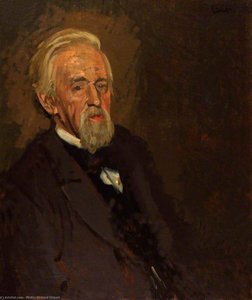
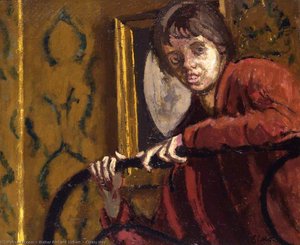
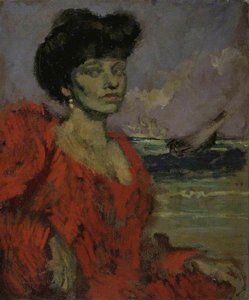
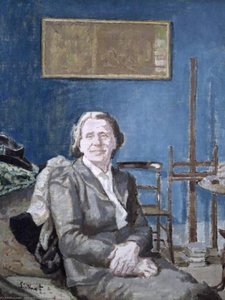
Biografía del artista
Primeros años y formación
Walter Richard Sickert, un pintor británico de origen alemán, nació el 31 de mayo de 1860 en Múnich, Reino de Baviera. Su familia se estableció en Inglaterra en 1868, tras la anexión alemana de Schleswig-Holstein. La educación temprana de Sickert tuvo lugar en la University College School y la King's College School, donde estudió hasta los 18 años.Desarrollo artístico
El viaje artístico de Sickert comenzó con una breve incursión como actor, seguida de su inscripción en la Slade School en 1881. Posteriormente, se convirtió en alumno de James Abbott McNeill Whistler, quien influyó significativamente en su obra. Sus primeras pinturas fueron pequeños estudios tonales pintados "alla prima" desde la naturaleza siguiendo el ejemplo de Whistler.Obras destacadas y controversia
Las primeras obras importantes de Sickert, que datan de finales de la década de 1880, representaban escenas en los teatros de música de Londres. Una de sus pinturas notables, Katie Lawrence at Gatti's, generó controversia debido a su representación de una conocida cantante de teatro musical, considerada "fea y vulgar" por los críticos.Asociación con el Grupo de Camden Town
Sickert fue una influencia importante en los estilos británicos de arte vanguardista del siglo XX. Se unió al New English Art Club en 1888, un grupo de artistas realistas influenciados por los franceses, y posteriormente se convirtió en miembro del Grupo de Camden Town.Legado
La obra de Sickert puede encontrarse en varios museos, incluido el Museum Kunstsalon Franke Schenk, que presenta obras desde los siglos XVI al XX. Su legado se extiende más allá de su propio arte, influyendo en los estilos británicos de arte vanguardista a mediados y finales del siglo XX.- Vea las pinturas de Sickert en ArtsDot: Walter Richard Sickert
- Descubra más sobre el Grupo de Camden Town en Wikipedia: Wyndham Lewis
- Explore la colección del Museum Kunstsalon Franke Schenk en ArtsDot: El Museo Kunstsalon Franke Schenk
- Aprenda más sobre la vida y obra de Sickert en Wikipedia: Walter Sickert
- 31 de mayo de 1860: Nacimiento en Múnich, Reino de Baviera
- 1888: Se unió al New English Art Club
- 1903-04: Desarrolló un enfoque distintivo para los conjuntos de múltiples figuras durante su último viaje de pintura a Venecia
Conclusión
El trabajo pionero de Walter Richard Sickert en el arte británico de vanguardia ha dejado una huella indeleble en el mundo del arte. Su legado continúa inspirando e influyendo en artistas, convirtiéndolo en una figura crucial en la historia del arte moderno.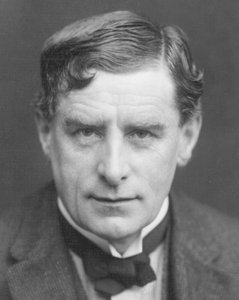
Walter Richard Sickert
1860 - 1942 , Alemania
Breves datos
- Artistas Que Influyeron: ['James Abbott McNeill Whistler']
- Fecha De Fallecimiento: 22 de enero de 1942
- Fecha De Nacimiento: 31 de mayo de 1860
- Influencia Artística: Camden Town Group, Arte británico moderno
- Lugar De Nacimiento: Múnich, Alemania
- Movimiento Artístico: Postimpresionismo, Realismo
- Nacionalidad: Británico (de origen alemán)
- Nombre Completo: Walter Richard Sickert
- Obras Notables:
- Katie Lawrence en Gatti's
- Gaieté Montparnasse

