

 Ver en contexto
 Enviar
 Compartir
 Detalles

 Descargar
 Similares
 Radiografía
 Presentación de diapositivas
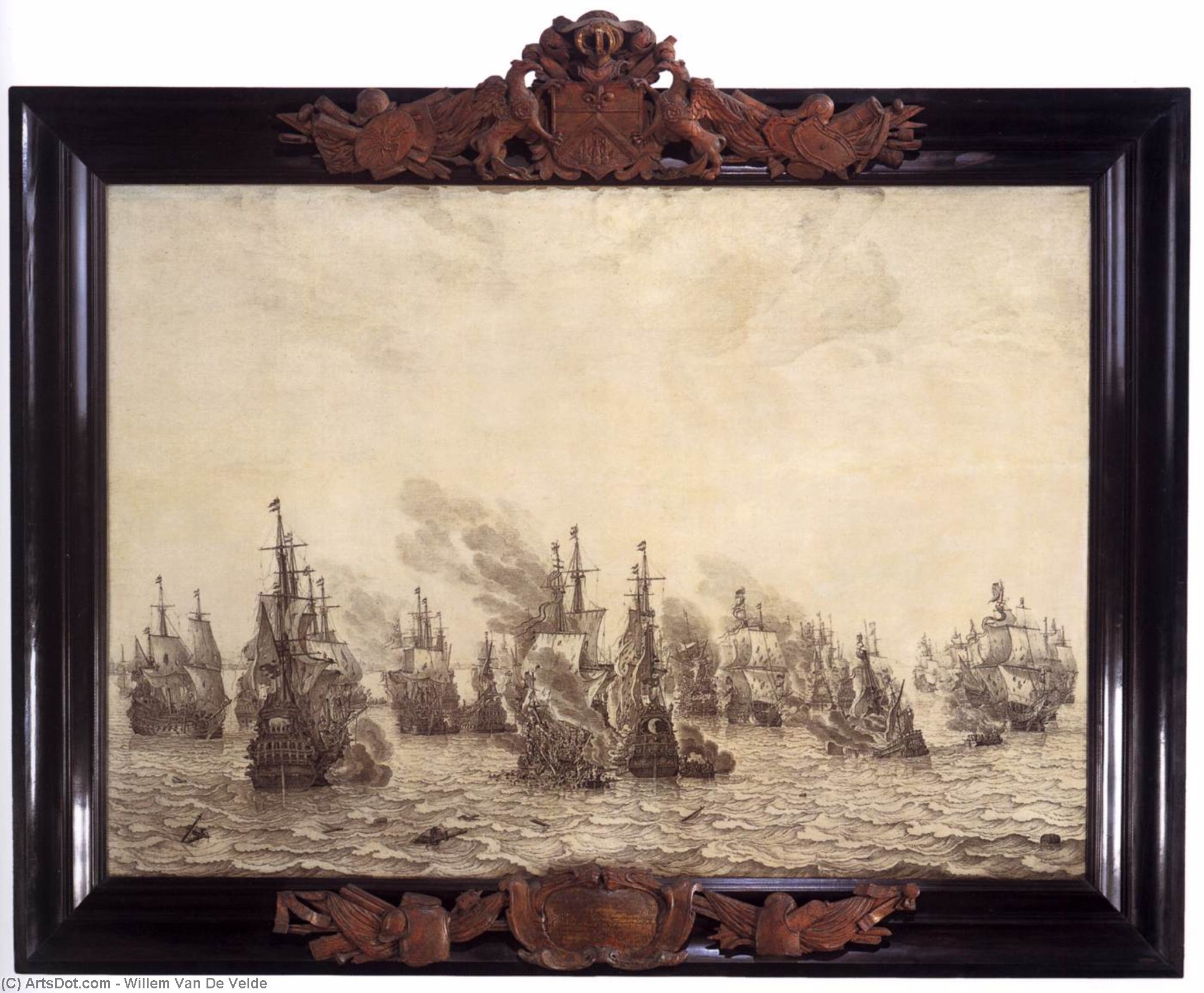
The Battle of Livorno
 Acrílico
- Arte de pared
- Pen Painting Seascape
 1654
1654 114.0 x 160.0 cm
 Rijksmuseum
 Ver más
Adquiera una imagen digital de alta resolución y optimizada, muy superior a la vista previa en línea.
Cada archivo es preparado meticulosamente por nuestros especialistas internos mediante el uso de herramientas avanzadas y un experto retoque manual. Nos aseguramos de que cada imagen posea una claridad excepcional, una precisión cromática impecable y un detalle minucioso.
El archivo final se entrega por correo electrónico en un plazo de 72 horas, optimizado para su uso inmediato en entornos profesionales, editoriales y de impresión. Esta es la misma calidad en la que confían los estudios de diseño, las editoriales y las galerías de primer nivel.
Imagen Digital
Descarga un archivo de alta resolución para exhibición personal, impresión y proyectos creativos. ( Comprar impresión Comprar pintura hecha a mano)
Incluido en cada pedido de imágenes digitales
Entrega digital experta, garantizada.
Al elegir ArtsDot.com, no solo está adquiriendo una imagen; está recibiendo una obra de arte digital mejorada profesionalmente, elaborada con precisión y respaldada por una garantía de satisfacción. Esto es todo lo que incluye su pedido, automáticamente:

Entrega rápida por email
Recibirá su archivo de imagen digital en alta resolución por correo electrónico en un plazo de 72 horas tras realizar su pedido, listo para su uso inmediato.

Archivo digital optimizado por IA
Su obra de arte se optimiza profesionalmente mediante herramientas avanzadas de IA y edición manual, garantizando el máximo detalle, claridad y precisión cromática.

Reenvío gratuito de por vida
¿Has borrado o perdido tu archivo por error? No te preocupes: te lo volveremos a enviar en cualquier momento, sin coste adicional.

Sin gastos de importación, siempre
Disfrute de su obra de arte al instante sin aduanas, aranceles ni gastos de envío; las descargas digitales siempre están libres de impuestos.

Garantía de fidelidad de color
Garantizamos que su imagen digital refleje los colores originales con la mayor fidelidad posible, mediante el uso de herramientas profesionales y gestión del color.

Garantía de satisfacción de 60 días
Si no está satisfecho con su imagen digital, la revisaremos o le reembolsaremos el 100% en un plazo de 60 días, sin preguntas.

100% Garantía de devolución de dinero
¿No está satisfecho? Obtenga un reembolso completo dentro de los 60 días posteriores a la recepción de su archivo digital, sin necesidad de explicaciones.

Descuentos por pedidos grandes
Compra 3 imágenes, ahorra 10% - Compra 5, ahorra 15% - Compra 10+, ahorra 20%. Ideal para proyectos creativos, galerías y agencias.
A Frozen Moment of Conflict – Willem van de Velde the Elder’s “The Battle of Livorno”
Willem van de Velde the Elder's "The Battle of Livorno," painted in 1654, isn’t merely a depiction of naval combat; it’s a meticulously crafted tableau of controlled chaos. Captured within the confines of an unassuming 114 x 160 cm panel, housed at the Rijksmuseum in Amsterdam, this work transports us to the heart of a pivotal moment during the Anglo-Dutch Wars – a clash of maritime power rendered with astonishing detail and a profound sense of stillness. The painting immediately commands attention not through dramatic action, but through its remarkable restraint. The sails of the ships are furled, suggesting either a strategic pause or a readiness for immediate engagement, creating an unsettling tension that permeates the entire scene.
Pen Painting and the Dutch Golden Age
Van de Velde’s genius lies in his pioneering use of “penschilderij,” a technique that revolutionized maritime art. Rejecting the traditional oil painting methods, he employed ink on panel – a painstaking process demanding incredible precision and patience. This method allowed him to achieve an unparalleled level of detail, capturing the textures of weathered wood, billowing sails, and the intricate rigging with breathtaking accuracy. The result is not simply a representation of ships; it’s a study in their construction, a testament to the engineering prowess of the Dutch Republic's naval fleet. The monochrome palette – primarily shades of grey and black – further enhances this sense of realism, lending the scene an almost photographic quality, characteristic of the Dutch Golden Age.
Consider the subtle variations in tone representing light and shadow, the meticulously rendered ropes and sails, and the individual faces of the sailors. These details weren’t merely decorative; they were integral to Van de Velde's artistic vision, conveying a sense of immediacy and immersion within the scene. The composition itself is carefully balanced, drawing the eye across the canvas from the foreground figures on the shore to the distant ships engaged in battle.
Historical Context: A Clash of Empires
“The Battle of Livorno” was created during a period of intense rivalry between England and the Dutch Republic. The Anglo-Dutch Wars (1652–1654) were fought over trade routes, colonial possessions, and naval dominance. Livorno, a strategically important port in Tuscany, became the stage for one of these crucial engagements on March 4th, 1653. The Dutch victory significantly bolstered their control of the Mediterranean Sea, while simultaneously weakening England’s position. Van de Velde's painting serves as a visual record of this historical event, offering a rare glimpse into the realities of naval warfare during the 17th century.
The inclusion of figures on the shore – likely Dutch soldiers and sailors preparing for action or observing the battle – adds another layer of complexity to the scene. They represent not just participants in the conflict but also the human cost of war, highlighting the personal stakes involved in this struggle for maritime supremacy.
Symbolism and Emotional Resonance
Despite its subject matter—a violent naval engagement—“The Battle of Livorno” possesses a remarkable sense of serenity. The lack of dramatic action, combined with Van de Velde’s meticulous attention to detail, creates an atmosphere of quiet contemplation. The painting doesn't glorify war; instead, it presents it as a complex and unsettling event, demanding careful observation and reflection. It invites the viewer to consider not just the tactical maneuvers but also the human consequences of conflict. The stillness of the ships, poised for action, evokes a sense of anticipation—a frozen moment suspended between peace and chaos.
Reproducing this artwork captures its inherent power – a testament to Van de Velde’s skill and a poignant reminder of a pivotal chapter in European history. ArtsDot offers high-quality reproductions that faithfully recreate the artist's meticulous detail and evocative atmosphere, allowing you to bring this remarkable painting into your home or office.
Obras relacionadas

Biografía del artista
Vida temprana y carrera
Willem van de Velde el Anciano, un renombrado pintor holandés del Siglo de Oro especializado en paisajes marinos, nació en Leiden, Países Bajos, alrededor de 1611. Su padre, Willem Willemsz van de Velde, era un patrón flamenco, lo que probablemente influyó en el interés de su hijo por el arte marítimo.Estilo artístico y técnica
El trabajo de Van de Velde se caracteriza por su precisión y atención al detalle. Fue pionero en la técnica de pintura con pluma (penschilderij), que consistía en crear obras de arte detalladas y duraderas utilizando tinta sobre panel o lienzo. Este enfoque innovador permitía que sus piezas se asemejaran a elaborados dibujos, manteniendo al mismo tiempo la durabilidad de una pintura. Su habilidad para capturar la textura del agua, el movimiento de las velas y los detalles intrincados de los barcos lo distinguieron de otros artistas de su época.Obras notables y colaboraciones
- La batalla de Texel, 1687 (óleo sobre lienzo) - Una representación dramática de una importante batalla naval.
- El incendio del Royal James en la batalla de Solebay (dibujo) - Un estudio detallado de un evento trágico durante una batalla naval.
- Colaboración con Carlos II de Inglaterra, produciendo pinturas de barcos británicos y batallas navales – Esta colaboración real le proporcionó acceso a información privilegiada sobre los buques de la marina inglesa, lo que enriqueció sus representaciones.
Influencias y desarrollo
Van de Velde se benefició de una rica tradición artística holandesa centrada en el retrato marítimo. Aunque su padre influyó inicialmente en su interés por el mar, desarrolló un estilo único que trascendía las convenciones existentes. Su técnica de pintura con pluma le permitió crear obras de arte increíblemente detalladas y duraderas, lo que era particularmente valioso para documentar eventos navales importantes. Su trabajo evolucionó desde representaciones más simples a escenas complejas y dinámicas que capturaban la emoción y el caos de la batalla naval.Legado e importancia histórica
Willem van de Velde el Anciano dejó un legado duradero en la pintura paisajista holandesa del Siglo de Oro. Sus técnicas innovadoras, su atención al detalle y sus colaboraciones con figuras prominentes han consolidado su lugar en la historia del arte. Sus obras son valiosas no solo por su belleza artística sino también como documentos históricos que ofrecen información sobre los barcos, las tácticas navales y la vida marítima de su época. El Museo Universiteitsbibliotheek (Leiden, Países Bajos) - una guía completa en ArtsDot.com proporciona más información sobre el contexto cultural del trabajo de Van de Velde.
Willem van de Velde el Anciano
1611 - 1693 , Países Bajos
Breves datos
- Fechas Importantes: {'Fallecimiento': '1693', 'Nacimiento': 'c. 1611'}
- Lugar De Nacimiento: Leiden, Países Bajos
- Movimiento Artístico O Estilo: Pintura marina del Siglo de Oro Neerlandés
- Nacionalidad: Neerlandés
- Nombre Completo: Willem van de Velde el Anciano
- Obras Notables:
- La batalla de Texel (1687)
- El incendio del Royal James
- Embarque del rey Carlos II

