 Vista previa
 Compartir
 Compartir
 Ver detalles

 Descargar
 Ver similares
 Radiografía
 Presentación de diapositivas
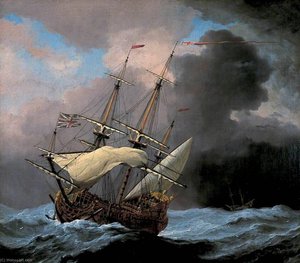
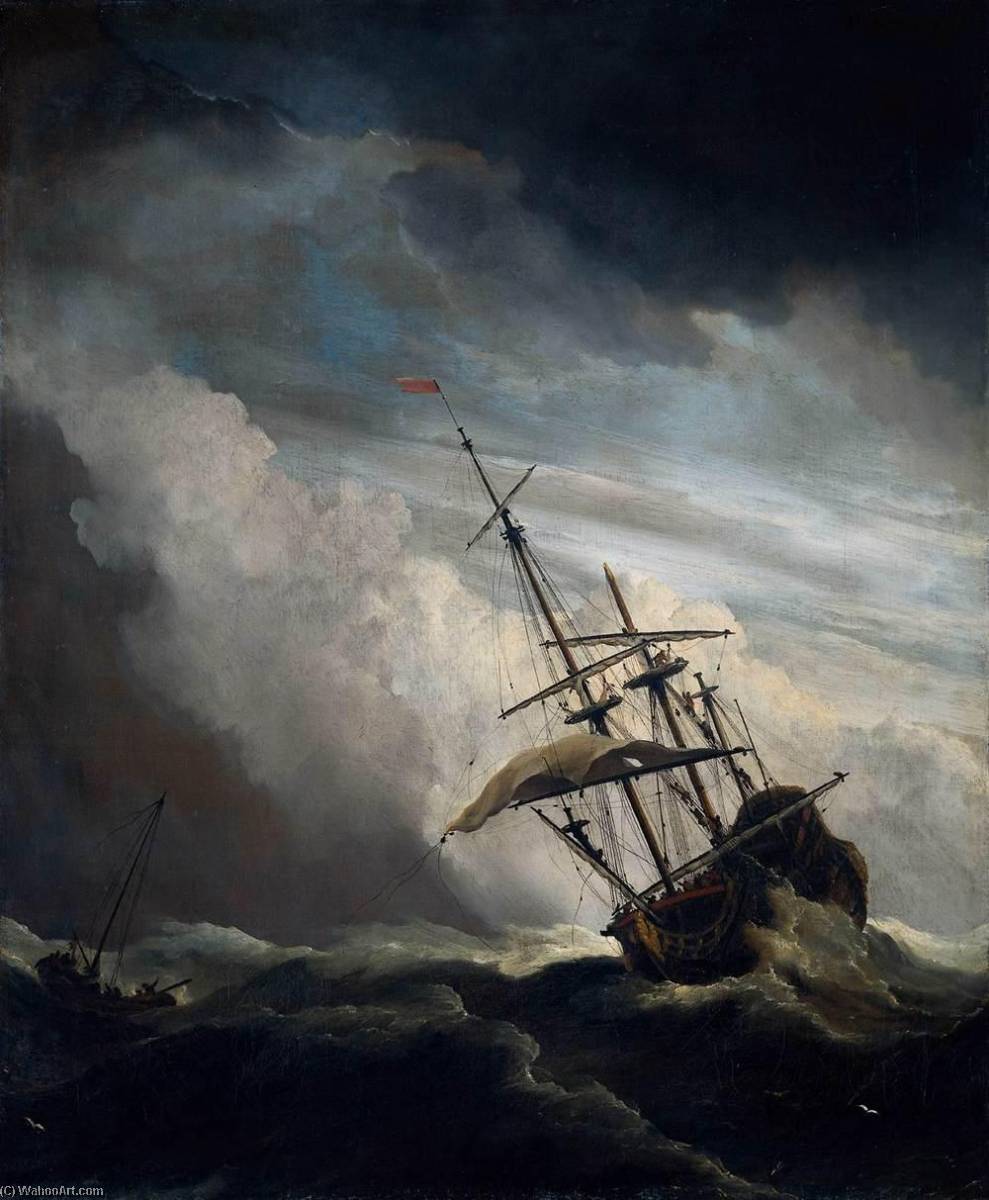
The Gust
 Acrylic On Canvas
- WallArt
- Romanticism
 1680
1680 77.0 x 64.0 cm
 Rijksmuseum
 Leer más
Reproducción al óleo hecha a mano
Óleo sobre lienzo pintado a mano en el tamaño y marco de su elección, realizado por encargo por nuestros artistas. ( Pedir impresión Comprar descarga)




P118B $10

P118H $10

P118W $10

P438Z $10

P508JH $12

P508YH $12

P805H $10

P805Z $10

P919BZ $10

P919G $10

P919XJ $10

P959ZH $10

P968JZ $12

W106C $8

W218G $10

W218JH $8

W218Y $10

W307PJ $10

W316G $10

W316PJ $8

W316Y $10

W398PJ $8

W4111J $10

W500HY $15

W500JH $15

W692G $12

W849H $8

W940BG $15

W953PJ $8




Elija entre nuestros tamaños predefinidos que respetan las proporciones originales de la obra.

Puede ingresar sus propias dimensiones para adaptarse a un marco o espacio específico. Si el tamaño seleccionado no coincide con las proporciones de la imagen original, recortaremos la obra o extenderemos la pintura con elementos adicionales pintados a mano. Se le enviará una maqueta digital para su aprobación antes de comenzar la producción.
Tenga en cuenta que la vista previa en pantalla no refleja el recorte o la extensión reales. Solo la maqueta mostrará con precisión la composición final.
Si bien existen tamaños personalizados, recomendamos seleccionar una dimensión de la lista predefinida para preservar las proporciones originales.
Tras realizar el pedido, el equipo de ArtsDot.com enviará un correo electrónico al cliente para solicitar instrucciones y proporcionarle una vista previa del boceto.
Envío a todo el mundo () en 3-4 semanas en lugar de las 5 semanas estándar. (21 agosto). Sin comprometer la calidad.

Envío exprés gratuito a todo el mundo

Lienzo de lino de alta calidad

Seguro de envío completo

Garantía de reembolso de aranceles aduaneros

Garantía de fidelidad cromática exacta

Política de devolución de 60 días (solo por defectos)

Garantía de devolución del 100% del dinero

Oferta por volumen
 La opción de vidrio solo está disponible en tamaños inferiores a 110 cm.

The Gust
Técnica de reproducción
Tamaño de la reproducción
-


Precio total
$ 263
Descripción de la obra
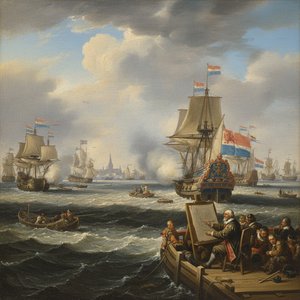
A Dramatic Encounter Between Humanity and Nature: Willem van de Velde II's “The Gust”
“The Gust,” painted around 1680 by Willem van de Velde the Younger, is more than just a depiction of a naval vessel battling a tempestuous sea; it’s a cornerstone of Romantic maritime art—a testament to the sublime power of nature and the precariousness of human endeavor. Executed in oil on canvas, this monumental artwork captures a moment of intense drama, transporting viewers directly into the heart of a violent storm. Its enduring appeal lies not only in its masterful technique but also in its profound exploration of themes that resonated deeply with audiences of its time and continue to captivate art enthusiasts today.Technical Brilliance: Impasto Texture and Atmospheric Perspective
Van de Velde II’s skill as a painter is immediately evident in the artwork's textured surface—a characteristic impasto technique where thick layers of paint are applied directly onto the canvas, creating palpable ridges and valleys that convey an astonishing sense of dynamism. This textural richness isn’t merely decorative; it actively contributes to the illusion of depth and movement, mirroring the turbulent sea and the frantic flapping of sails. Furthermore, Van de Velde skillfully employs atmospheric perspective—a technique where distant elements are rendered paler and less distinct—to establish a convincing spatial environment. The hazy sky and muted tones of the water convincingly convey the oppressive atmosphere of the storm, immersing the viewer in its immediacy.Romantic Symbolism: Confrontation with the Sublime
The painting embodies the spirit of Romanticism, prioritizing emotion and subjective experience over rational observation. At its core lies a powerful symbolic confrontation between humanity and nature—represented by the valiant warship attempting to navigate the overwhelming force of the gale. The ship’s vulnerability against the storm's fury underscores the limitations of human control in the face of natural disasters, prompting contemplation on themes of courage, resilience, and the sublime beauty of untamed wilderness. The broken mast serves as a poignant reminder of fragility and the consequences of hubris.Historical Context: English Naval Prestige During the Glorious Revolution
“The Gust” was created during a pivotal moment in British history—the Glorious Revolution of 1688, which saw William III and Mary II ascend to the throne after James II’s deposition. Commissioned by the English court, this artwork reflects the burgeoning fascination with maritime exploration and naval prowess during the era. Willem van de Velde II's patronage ensured that his artistic endeavors aligned with the ambitions of a nation striving for dominance on the seas—a reflection of the broader cultural landscape of the time.A Legacy of Artistic Influence: Impressionistic Techniques
Although firmly rooted in Romantic principles, “The Gust” foreshadows elements of Impressionism. The loose brushwork and focus on capturing fleeting moments of light and color demonstrate Van de Velde II’s pioneering approach to artistic representation—a precursor to the revolutionary techniques championed by artists like Claude Monet and Pierre-Auguste Renoir. This artwork stands as a remarkable achievement in maritime painting, securing its place within art history as an exemplar of Romantic drama and Impressionistic innovation.Obras relacionadas
Biografía del artista
biografía y contribuciones artísticas
Willem van de Velde el Younger, un renombrado pintor holandés de marina, nació en 1633 en Leiden, Países Bajos. Como hijo de Willem van de Velde the Elder, también pintor de paisajes marinos, Willem van de Velde el Younger recibió instrucción de su padre y posteriormente por Simon de Vlieger, un reputado pintor marino de la época.estilo artístico y obras notables
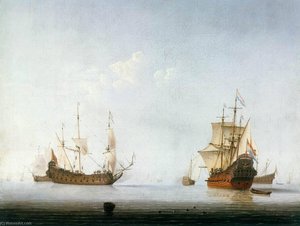
El estilo artístico de Willem van de Velde el Younger se caracteriza por una delicada, animada y terminada ejecución, con un dibujo correcto de los buques y sus aparejos. Sus pinturas a menudo presentan numerosas figuras, introducidas con éxito para contar una historia. Algunas de sus obras más destacadas incluyen:- Buques de guerra holandeses y otros buques en calma (disponible en ArtsDot.com)
- La batalla naval de La Hogue, c. 1701 (Albertina, Viena, Austria) (ver en ArtsDot.com)
- Calma - dos buques holandeses (ver en ArtsDot.com)
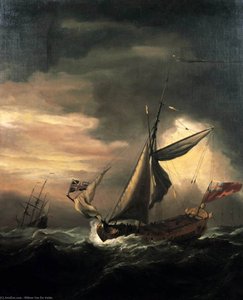
- Tres buques en una tormenta (ver en ArtsDot.com)
- Buques holandeses en calma (ver en ArtsDot.com)
desarrollo y evolución artística
Willem van de Velde el Younger, influenciado por su padre y Simon de Vlieger, desarrolló un estilo propio que se caracterizaba por la precisión en la representación de los buques y sus detalles técnicos, así como por la habilidad para crear escenas marítimas dinámicas y narrativas. Su capacidad para representar multitud de figuras con realismo y expresividad contribuyó a la riqueza y complejidad de sus obras. A medida que maduró como artista, su trabajo se volvió más ambicioso en escala y temática, abordando batallas navales y eventos históricos con gran detalle y dramatismo.legado e importancia histórica
El legado de Willem van de Velde el Younger como maestro de la pintura marina holandesa continúa inspirando a artistas y entusiastas del arte por igual. Su atención al detalle y su capacidad para capturar la esencia del mar han convertido sus pinturas en clásicos atemporales. Como figura destacada del Siglo de Oro holandés, su obra permanece como una parte integral de la historia del arte. Su traslado a Inglaterra y su servicio a la corona inglesa también contribuyeron significativamente al desarrollo de la pintura marina inglesa en el siglo XVIII.fechas importantes
- Nacido: 1633, Leiden, Países Bajos
- Fallecido: 6 de abril de 1707, Londres, Inglaterra
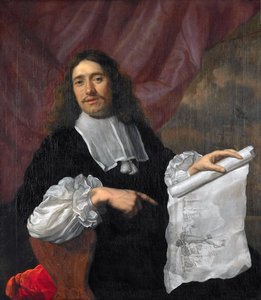
Willem van de Velde el Joven
1633 - 1707 , Países Bajos
Datos clave
- Estilo Artístico: Pintor marino holandés
- Fecha De Fallecimiento: 1707
- Fecha De Nacimiento: 1633
- Influencias Artísticas:
- Willem van de Velde el Elder
- Simon de Vlieger
- Lugar De Nacimiento: Leiden, Países Bajos
- Nacionalidad: Neerlandés
- Nombre Completo: Willem van de Velde el Younger
- Obras Notables:
- Dutch men o' war en calma
- Batalla naval en La Hogue
- Calma - dos buques holandeses
- Tres barcos en una tormenta
- Buques holandeses en calma
Artículos relacionados
Willem van de Velde the Elder: Master of Maritime Painting & Chronicler of the Dutch Golden Age
Discover the captivating maritime paintings of Willem van de Velde the Elder, a master chronicler of the Dutch Golden Age. Explore his unparalleled realism and lasting influence on naval art history.

Los 10 Maestros del Siglo de Oro Holandés: Arte, Historia y Decoración Exclusiva
Descubre los 10 imprescindibles del Siglo de Oro Holandés: Rembrandt, Vermeer y más. Explora la historia, técnica y belleza de estos lienzos clásicos. Encuentra reproducciones de arte exclusivas para decorar tu hogar en .

Solicitudes Comerciales
APS ofrece reproducciones de bellas artes y encargos personalizados desde 2004. Confían en nosotros corporaciones, hoteles y coleccionistas selectos para obras de arte de calidad museística, servicio discreto y soluciones artísticas completas. ¡Póngase en contacto con nosotros para obtener un presupuesto personalizado!

Rembrandt van Rijn: Las 25 Obras Maestras que Definen un Genio | Arte, Historia y Decoración
Descubre las 25 obras maestras de Rembrandt van Rijn, el genio del barroco holandés. Explora su historia, técnica y simbolismo en retratos icónicos como 'La Ronda Nocturna'. Encuentra reproducciones de arte exclusivas para decorar tu hogar con ArtsDot.com.

Reflejos de una Época Dorada: La Pintura Barroca Holandesa y la Innovación Cultural
Descubra la riqueza y el detalle de la pintura barroca holandesa del Siglo de Oro. Explore las obras maestras de Rembrandt, Vermeer y otros artistas clave. Análisis experto e historia cultural.