 Ver en contexto
 Enviar
 Compartir
 Detalles

 Descargar
 Similares
 Radiografía
 Presentación de diapositivas
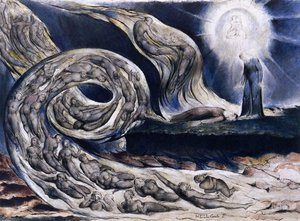
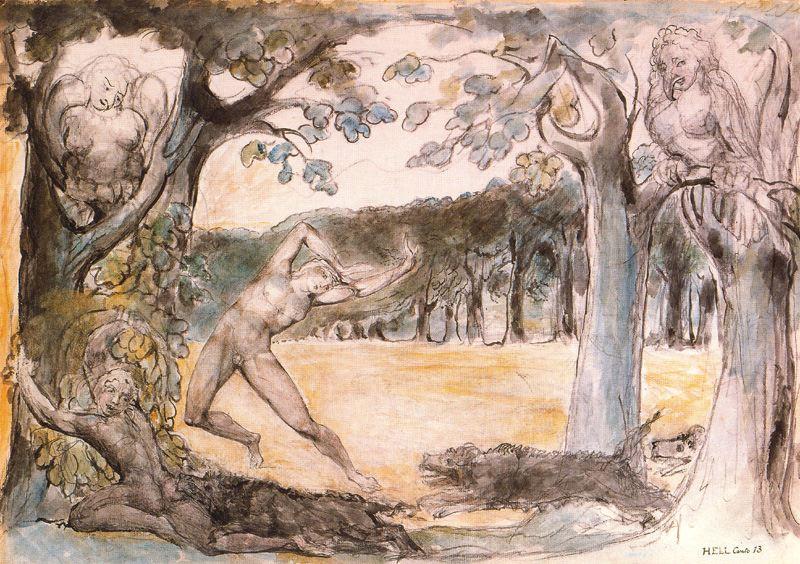
Greyhounds of hell chasing the destroyers of their own property


 Ver más
Reproducción al óleo hecha a mano
Óleo sobre lienzo pintado a mano en el tamaño y marco de su elección, realizado por encargo por nuestros artistas. ( Comprar impresión Comprar imagen)




P118B $10

P118H $10

P118W $10

P438Z $10

P508JH $12

P508YH $12

P805H $10

P805Z $10

P919BZ $10

P919G $10

P919XJ $10

P959ZH $10

P968JZ $12

W106C $8

W218G $10

W218JH $8

W218Y $10

W307PJ $10

W316G $10

W316PJ $8

W316Y $10

W398PJ $8

W4111J $10

W500HY $15

W500JH $15

W692G $12

W849H $8

W940BG $15

W953PJ $8




Elija entre nuestros tamaños predefinidos que respetan las proporciones originales de la obra.

Puede ingresar sus propias dimensiones para adaptarse a un marco o espacio específico. Si el tamaño seleccionado no coincide con las proporciones de la imagen original, recortaremos la obra o extenderemos la pintura con elementos adicionales pintados a mano. Se le enviará una maqueta digital para su aprobación antes de comenzar la producción.
Tenga en cuenta que la vista previa en pantalla no refleja el recorte o la extensión reales. Solo la maqueta mostrará con precisión la composición final.
Si bien existen tamaños personalizados, recomendamos seleccionar una dimensión de la lista predefinida para preservar las proporciones originales.
Tras realizar el pedido, el equipo de ArtsDot.com enviará un correo electrónico al cliente para solicitar instrucciones y proporcionarle una vista previa del boceto.
Envío a todo el mundo () en 3-4 semanas en lugar de las 5 semanas estándar. (28 agosto). Sin comprometer la calidad.

Envío exprés gratuito a todo el mundo

Lienzo de lino de alta calidad

Seguro de envío total

Garantía de reembolso de impuestos aduaneros

Garantía de fidelidad cromática exacta

Política de devolución de 60 días (solo por defectos)

Garantía de devolución del 100% del dinero

Descuento por cantidad
 La opción de vidrio solo está disponible en tamaños inferiores a 110 cm.

Greyhounds of hell chasing the destroyers of their own property
Técnica de reproducción
Dimensiones de la reproducción
-


Precio total final
$ 263
A Symphony of Visionary Terror
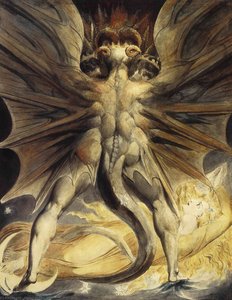
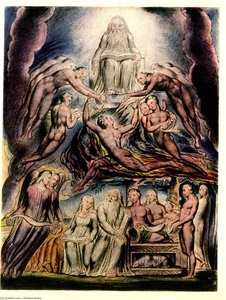
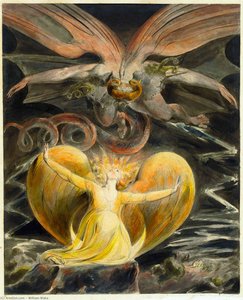
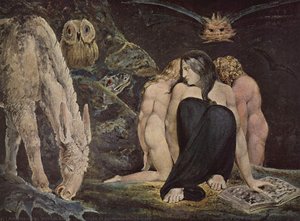
To encounter William Blake’s "Greyhounds of Hell Chasing the Destroyers of Their Own Property" is to step beyond the threshold of the material world and into a fever dream of the human soul. Created between 1814 and 1815, this masterpiece stands as a cornerstone of the Romantic era, capturing a moment where the boundaries between reality and revelation dissolve. The painting does not merely depict a scene of pursuit; it orchestrates a profound exploration of human consciousness confronting its own self-destructive impulses. Through his unparalleled ability to fuse psychological depth with fantastical imagery, Blake invites the viewer into a landscape where every line vibrates with an intensity that feels strikingly modern, making it a captivating centerpiece for any collection dedicated to the sublime.
The composition is a whirlwind of motion and symbolic tension. At its heart, the work presents a striking juxtaposition of nature and primal instinct. While some interpretations focus on the central figure—a woman whose presence evokes both vulnerability and a raw, elemental strength—the true drama lies in the kinetic energy of the chase. The presence of wildlife, from the watchful birds to the predatory dogs, creates an atmosphere that is simultaneously organic and otherworldly. For the discerning collector or interior designer, this piece offers a profound narrative weight, providing a focal point that commands attention through its intricate detail and the sheer emotional gravity of its subject matter.
The Blakean Vision: Technique and Aesthetic
Blake’s artistic style is instantly recognizable, eschewing the rigid academic conventions of his time in favor of an intuitive, expressive language. His technique is characterized by bold, decisive lines and a distinctive flattened perspective that draws inspiration from the luminous quality of illuminated manuscripts. Although often viewed through muted tones in certain prints, the original vision utilizes a palette designed to evoke a sense of spiritual luminosity. This approach aligns perfectly with the Romantic ethos, prioritizing the power of the imagination over the mere imitation of nature.
The mastery behind the work is rooted in Blake’s deep understanding of printmaking and engraving—a skill honed during his apprenticeship with James Basire. This technical prowess allowed him to achieve a remarkable textural richness, where the interplay of light and shadow creates a sense of depth within a stylized framework. For those seeking a high-quality reproduction, it is this very precision in line and tonal variation that makes a hand-painted version so transformative. A well-executed reproduction preserves the "vibrating" quality of Blake's original intent, allowing the textures of the sky, the musculature of the hounds, and the delicate features of the figures to resonate within a contemporary living space.
Historical Resonance and Symbolic Depth
To understand the emotional impact of this work, one must consider the turbulent era of its creation. Emerging from the shadows of the Industrial Revolution, Blake’s art reflects the profound anxieties of an England undergoing rapid social and economic upheaval. As the landscape was reshaped by industry, Blake sought to preserve the spiritual and the infinite. The "Greyhounds of Hell" serve as potent symbols of the destructive forces—both internal and external—that threaten the sanctity of the human spirit and the natural world.
The painting functions as a complex allegory for the struggle between enlightenment and repression. It captures the tension between the wild, unbridled energy of the imagination and the restrictive moralities of a burgeoning industrial society. This layer of symbolic complexity ensures that the artwork remains intellectually stimulating long after the initial visual impact has faded. Whether placed in a scholarly library or a sophisticated modern gallery, "Greyhounds of Hell Chasing the Destroyers of Their Own Property" serves as a window into a cosmic architecture of myths, offering timeless inspiration to those who find beauty in the profound struggle between light and shadow.
Obras relacionadas
Biografía del artista
una vida marcada por un espíritu creativo
william blake, un artista, poeta e grabador visionario, dejó una marca indeleble en el mundo del arte. Nacido en Londres el 28 de noviembre de 1757 y fallecido el 12 de agosto de 1827, la vida de Blake fue un testimonio de su profundo espíritu creativo.vida temprana e influencias
Los primeros años de Blake estuvieron marcados por una profunda conexión con las artes. Su padre, william blake sr., un hosier, y su madre, catherine wright, influyeron en sus inclinaciones espirituales y artísticas. Esto llevó a su aprendizaje bajo la tutela de francisco bartolozzi, un grabador.evolución artística y obras notables
El viaje artístico de Blake abarcó diversos medios, incluyendo la pintura, la poesía y la grabado. Algunas de sus obras más notables incluyen:- the tyger (1795) - una obra maestra de la literatura romántica, que muestra la mezcla única de Blake entre lo místico y lo real.
- the sickle (1803) - un ejemplo conmovedor de su destreza en el grabado, que refleja su profunda conexión con la naturaleza.
- the ghost of a flea (c. 1819–1820) - un testimonio del enfoque innovador de Blake en el arte, que difumina las líneas entre la realidad y la fantasía.
museos que exhiben obras de Blake
- blake museum, reino unido - un destino imprescindible para cualquier entusiasta de Blake, que alberga una extensa colección de sus obras de arte. [https://ArtsDot.com/@/william-blake](https://ArtsDot.com/@/william-blake)
- fulham public library, reino unido - aunque no es un museo dedicado exclusivamente a Blake, presenta varias de sus obras notables, ofreciendo una perspectiva única del arte británico. [https://ArtsDot.com/@@/a@d3bma9-discovering-the-artworks-of-fulham-public-library-united-kingdom](https://ArtsDot.com/@@/a@d3bma9-discovering-the-artworks-of-fulham-public-library-united-kingdom)
legado e impacto
La influencia de Blake en el arte británico es innegable. Su mezcla única de lo místico, lo profético y lo imaginativo ha inspirado a generaciones de artistas. Como precursor del movimiento romántico, la obra de Blake continúa desafiando cualquier categorización fácil, convirtiéndolo en una piedra angular de la literatura y el arte británicos.lecturas adicionales
Para más información sobre William Blake y sus obras, explore: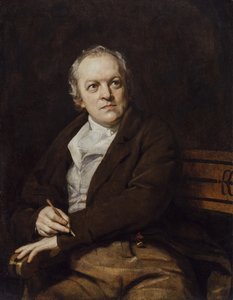
William Blake
1757 - 1827 , Reino Unido
Datos clave
- Artistas Influenciados:
- Pre-Rafaelitas
- Simbolismo
- Modernismo
- Artistas Que Influyeron:
- Raphael
- Miguel Ángel
- Fecha De Muerte: 12 de agosto de 1827
- Fecha De Nacimiento: 28 de noviembre de 1757
- Lugar De Nacimiento: Londres, Reino Unido
- Movimiento Artístico: Romanticismo
- Nacionalidad: Británico
- Nombre Completo: William Blake
- Obras Notables:
- El Tigre (1795)
- La Segadora (1803)
- El Fantasma de una Pulga
- Canciones de Inocencia
- Jerusalén (1804-1820)
Artículos relacionados

William Blake: Romantic Visionary & Mystical Genius of the Imagination
Explore the mystical art & poetic genius of William Blake (1757-1827). Discover his revolutionary illuminated printing, rich symbolism, and lasting influence on Romanticism. Find handmade reproductions at ArtsDot.
Kay Rasmus Nielsen: A Golden Age Illustrator's Enchanting Legacy of Symbolism & Narrative
Explore the captivating world of Kay Rasmus Nielsen, a celebrated Golden Age illustrator renowned for his Art Nouveau fairy tale art & Disney contributions. Discover his unique style, enduring legacy, and how to collect his enchanting works.
Feathered Visions: A Historical & Artistic Exploration of Birds in Painting
Explore the rich history of birds in painting! Discover symbolism, artistic movements & master artists like Audubon. High-quality reproductions available at ArtsDot.
Paul Gustave Doré: A Master of Romantic Realism & the Illustrated Imagination
Explore the captivating world of Gustave Doré, master of Romantic realism & iconic illustrator. Discover his dramatic wood engravings, paintings, and sculptures – a legacy shaping art history. Learn more at ArtsDot.
La Estética Refinada de la Ilustración Victoriana: Narrativa y Técnica en el Arte del Siglo XIX
Descubra la estética refinada de la ilustración victoriana y el impacto revolucionario de los Prerrafaelitas. Análisis profundo de técnicas, narrativa y simbolismo en el arte del siglo XIX.