

 Ver en contexto
 Enviar
 Compartir
 Detalles

 Descargar
 Similares
 Radiografía
 Presentación de diapositivas
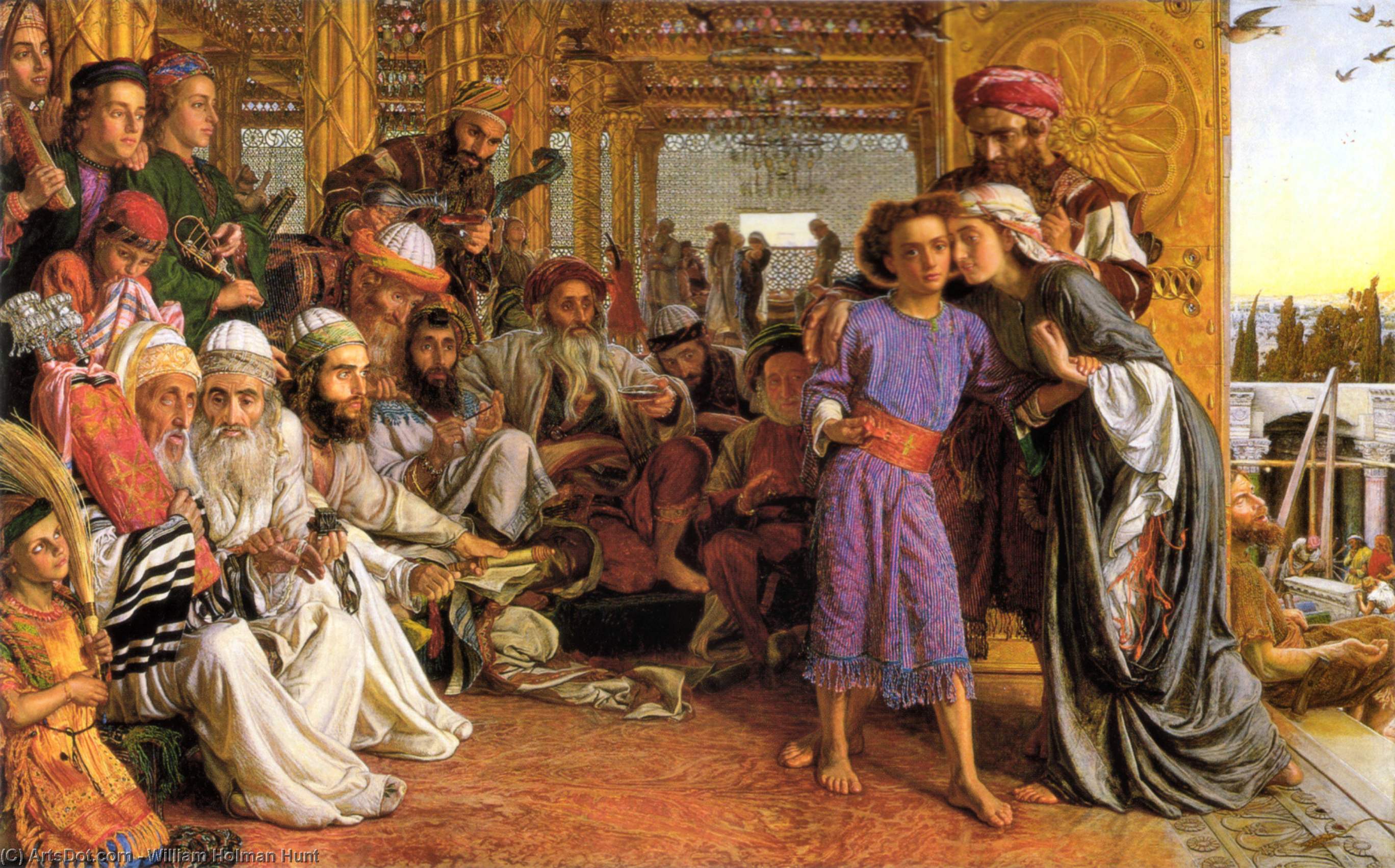
The Finding of the Saviour in the Temple
 Oil On Canvas
- WallArt
- Pre-Raphaelite Brotherhood
 1862
1862- 19th Century
 70.0 x 45.0 cm
 Birmingham Museum and Art Gallery
 Ver más
Adquiera una imagen digital de alta resolución y optimizada, muy superior a la vista previa en línea.
Cada archivo es preparado meticulosamente por nuestros especialistas internos mediante el uso de herramientas avanzadas y un experto retoque manual. Nos aseguramos de que cada imagen posea una claridad excepcional, una precisión cromática impecable y un detalle minucioso.
El archivo final se entrega por correo electrónico en un plazo de 72 horas, optimizado para su uso inmediato en entornos profesionales, editoriales y de impresión. Esta es la misma calidad en la que confían los estudios de diseño, las editoriales y las galerías de primer nivel.
Imagen Digital
Descarga un archivo de alta resolución para exhibición personal, impresión y proyectos creativos. ( Comprar impresión Comprar pintura hecha a mano)
Incluido en cada pedido de imágenes digitales
Entrega digital experta, garantizada.
Al elegir ArtsDot.com, no solo está adquiriendo una imagen; está recibiendo una obra de arte digital mejorada profesionalmente, elaborada con precisión y respaldada por una garantía de satisfacción. Esto es todo lo que incluye su pedido, automáticamente:

Entrega rápida por email
Recibirá su archivo de imagen digital en alta resolución por correo electrónico en un plazo de 72 horas tras realizar su pedido, listo para su uso inmediato.

Archivo digital optimizado por IA
Su obra de arte se optimiza profesionalmente mediante herramientas avanzadas de IA y edición manual, garantizando el máximo detalle, claridad y precisión cromática.

Reenvío gratuito de por vida
¿Has borrado o perdido tu archivo por error? No te preocupes: te lo volveremos a enviar en cualquier momento, sin coste adicional.

Sin gastos de importación, siempre
Disfrute de su obra de arte al instante sin aduanas, aranceles ni gastos de envío; las descargas digitales siempre están libres de impuestos.

Garantía de fidelidad de color
Garantizamos que su imagen digital refleje los colores originales con la mayor fidelidad posible, mediante el uso de herramientas profesionales y gestión del color.

Garantía de satisfacción de 60 días
Si no está satisfecho con su imagen digital, la revisaremos o le reembolsaremos el 100% en un plazo de 60 días, sin preguntas.

100% Garantía de devolución de dinero
¿No está satisfecho? Obtenga un reembolso completo dentro de los 60 días posteriores a la recepción de su archivo digital, sin necesidad de explicaciones.

Descuentos por pedidos grandes
Compra 3 imágenes, ahorra 10% - Compra 5, ahorra 15% - Compra 10+, ahorra 20%. Ideal para proyectos creativos, galerías y agencias.
Descripción del coleccionable
The Finding of the Saviour in the Temple: A Pre-Raphaelite Masterpiece
William Holman Hunt’s “The Finding of the Saviour in the Temple” is more than just a depiction of a biblical scene; it's a profound meditation on faith, innocence, and the enduring power of maternal love. Completed in 1862, this oil-on-canvas painting, measuring 70 x 45 cm, immediately arrests the viewer with its meticulous detail and evocative atmosphere – hallmarks of the Pre-Raphaelite Brotherhood’s artistic vision. Hunt sought to recreate not merely a historical event but a moment imbued with spiritual significance, reflecting his deep religious convictions and a desire to reconnect art with the sincerity he believed had been lost in contemporary practice.
A Return to Authenticity: The Pre-Raphaelite Style
Painted during the height of the Pre-Raphaelite movement, “The Finding of the Saviour” embodies its core principles. Rejecting the idealized forms and artificiality of academic art, Hunt meticulously researched the scene, consulting biblical texts and historical accounts to ensure accuracy. The painting’s vibrant colors – rich reds, blues, and golds – are applied with a deliberate, almost tactile quality, reflecting the Brotherhood's commitment to detailed observation and a rejection of diluted pigments. Notice the painstaking rendering of fabrics, the individual strands of hair, and the subtle variations in skin tones; these elements contribute to an unparalleled sense of realism that was revolutionary for its time.
- Technique: Oil on canvas, executed with meticulous brushwork and a focus on naturalism.
- Color Palette: Rich, saturated colors reflecting the Pre-Raphaelite emphasis on vibrant hues.
- Composition: A carefully constructed scene designed to evoke emotion and convey spiritual meaning.
Symbolic Layers: Faith, Innocence, and Maternal Devotion
The composition of “The Finding of the Saviour” is laden with symbolic significance. The central figures – Mary and Jesus – represent innocence and divine grace. The gathering of onlookers, depicted in varying states of surprise and reverence, symbolizes the universal impact of this pivotal moment. The inclusion of children within the scene underscores the vulnerability and purity associated with faith. Hunt’s deliberate choice to portray a realistic, unidealized depiction of human emotion—the wonder, the confusion, the burgeoning belief—elevates the painting beyond a simple biblical narrative into a timeless exploration of humanity's spiritual journey.
Historical Context and Artistic Influence
Created in 1862, “The Finding of the Saviour” reflects the broader intellectual and artistic currents of the Victorian era. Hunt was deeply influenced by the writings of John Ruskin and Thomas Carlyle, who championed a return to moral seriousness and a reverence for nature and craftsmanship. This influence is evident in the painting’s meticulous detail, its emphasis on spiritual truth, and its rejection of superficial beauty. The work stands as a testament to Hunt's unwavering commitment to his artistic vision and his desire to create art that would inspire contemplation and faith.
This exceptional reproduction captures every nuance of Hunt’s original masterpiece, offering an unparalleled opportunity to experience the profound beauty and spiritual depth of this iconic Pre-Raphaelite work.
Obras relacionadas

Biografía del artista
Primeros años y carrera
William Holman Hunt, un destacado pintor inglés, nació el 2 de abril de 1827 en Cheapside, Londres. Es más conocido por ser uno de los fundadores de la Hermandad Pre-Raphaelita, un grupo que buscaba revitalizar el arte enfatizando la observación detallada del mundo natural.Obras notables y estilo
Las pinturas de Holman Hunt se caracterizan por su atención al detalle, color vívido y simbolismo elaborado. Algunas de sus obras más destacadas incluyen:- La luz del mundo (1851-1853), ahora en la capilla del Colegio Keble, Oxford, Inglaterra
- El Pastor Engañado (1851), una escena de la vida rural moderna
- La Conciencia Despertada, que muestra su éxito inicial con escenas naturalistas intensamente realistas
- El chivo expiatorio, La búsqueda del Salvador en el templo y La sombra de la muerte, pintadas durante sus viajes a Tierra Santa en busca de material topográfico y etnológico preciso.
Vida personal y años posteriores
Holman Hunt se casó dos veces, primero con Fanny Waugh, que modeló para varias de sus obras, incluyendo Isabela y la maceta de albahaca. Después de su muerte, esculpió su tumba en Fiesole. Su segunda esposa fue Edith, hermana de Fanny, a quien se casó en el extranjero debido a las leyes británicas contra el matrimonio con la hermana de una esposa fallecida. Los últimos años de Holman Hunt estuvieron marcados por una vista fallida, lo que le obligó a renunciar a la pintura. Completó sus últimas obras importantes con la ayuda de su asistente, Edward Robert Hughes. Holman Hunt falleció el 7 de septiembre de 1910 y fue enterrado en la Catedral de San Pablo, Londres.Legado
Holman Hunt publicó una autobiografía en 1905 y fue nombrado miembro de la Orden del Mérito por el rey Eduardo VII ese mismo año. Su vida personal fue documentada posteriormente en el libro de Diana Holman-Hunt Mi abuelo, su vida y sus amores. Vea las obras de William Holman Hunt en ArtsDot Fechas clave:- 2 de abril de 1827: nació en Cheapside, Londres
- 1851-1853: pintó La luz del mundo
- 7 de septiembre de 1910: falleció y fue enterrado en la Catedral de San Pablo, Londres
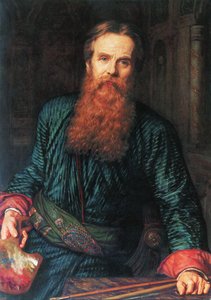
William Holman Hunt
1827 - 1910 , Reino Unido
Breves datos
- Artistas Que Influyeron:
- John Ruskin
- Dante Gabriel Rossetti
- John Everett Millais
- Estilo Artístico: Pre-Rafaelita
- Fecha De Fallecimiento: 7 de septiembre de 1910
- Fecha De Nacimiento: 2 de abril de 1827
- Lugar De Nacimiento: Cheapside, Reino Unido
- Nacionalidad: Británico
- Nombre Completo: William Holman Hunt
- Obras Notables:
- La luz del mundo
- El pastor engañado
- La conciencia despertada

