

 Ver en contexto
 Enviar
 Compartir
 Detalles

 Descargar
 Similares
 Radiografía
 Presentación de diapositivas
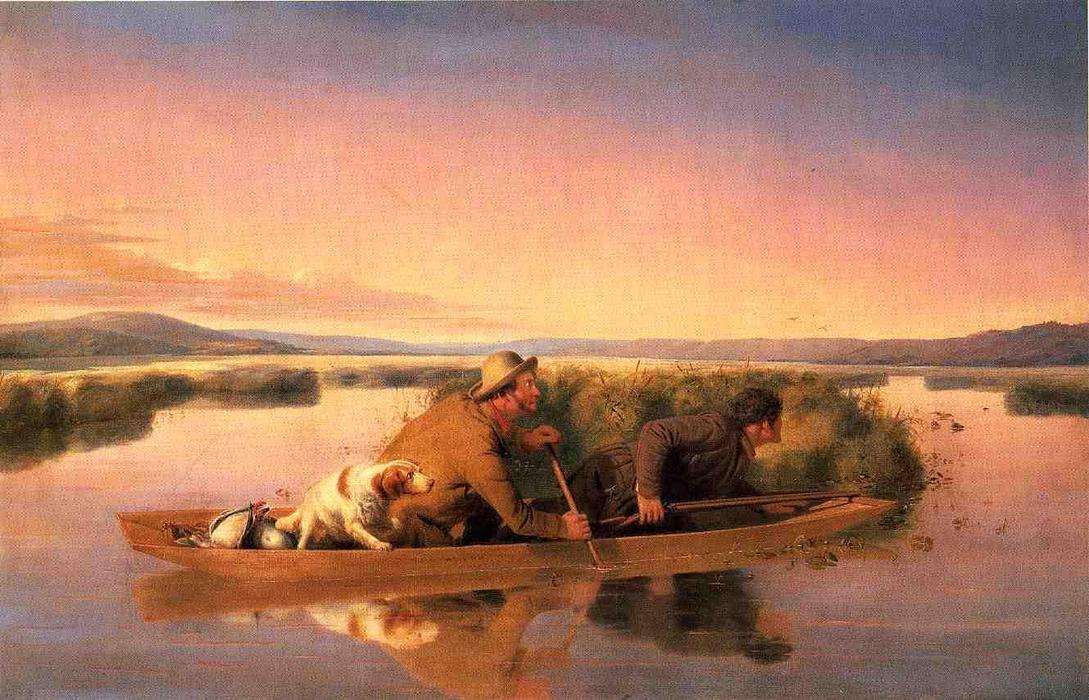
Duck Hunters on the Hoboken Marshes


 Ver más
Adquiera una imagen digital de alta resolución y optimizada, muy superior a la vista previa en línea.
Cada archivo es preparado meticulosamente por nuestros especialistas internos mediante el uso de herramientas avanzadas y un experto retoque manual. Nos aseguramos de que cada imagen posea una claridad excepcional, una precisión cromática impecable y un detalle minucioso.
El archivo final se entrega por correo electrónico en un plazo de 72 horas, optimizado para su uso inmediato en entornos profesionales, editoriales y de impresión. Esta es la misma calidad en la que confían los estudios de diseño, las editoriales y las galerías de primer nivel.
Imagen Digital
Descarga un archivo de alta resolución para exhibición personal, impresión y proyectos creativos. ( Comprar impresión Comprar pintura hecha a mano)
Incluido en cada pedido de imágenes digitales
Entrega digital experta, garantizada.
Al elegir ArtsDot.com, no solo está adquiriendo una imagen; está recibiendo una obra de arte digital mejorada profesionalmente, elaborada con precisión y respaldada por una garantía de satisfacción. Esto es todo lo que incluye su pedido, automáticamente:

Entrega rápida por email
Recibirá su archivo de imagen digital en alta resolución por correo electrónico en un plazo de 72 horas tras realizar su pedido, listo para su uso inmediato.

Archivo digital optimizado por IA
Su obra de arte se optimiza profesionalmente mediante herramientas avanzadas de IA y edición manual, garantizando el máximo detalle, claridad y precisión cromática.

Reenvío gratuito de por vida
¿Has borrado o perdido tu archivo por error? No te preocupes: te lo volveremos a enviar en cualquier momento, sin coste adicional.

Sin gastos de importación, siempre
Disfrute de su obra de arte al instante sin aduanas, aranceles ni gastos de envío; las descargas digitales siempre están libres de impuestos.

Garantía de fidelidad de color
Garantizamos que su imagen digital refleje los colores originales con la mayor fidelidad posible, mediante el uso de herramientas profesionales y gestión del color.

Garantía de satisfacción de 60 días
Si no está satisfecho con su imagen digital, la revisaremos o le reembolsaremos el 100% en un plazo de 60 días, sin preguntas.

100% Garantía de devolución de dinero
¿No está satisfecho? Obtenga un reembolso completo dentro de los 60 días posteriores a la recepción de su archivo digital, sin necesidad de explicaciones.

Descuentos por pedidos grandes
Compra 3 imágenes, ahorra 10% - Compra 5, ahorra 15% - Compra 10+, ahorra 20%. Ideal para proyectos creativos, galerías y agencias.
Descripción del coleccionable
A Moment Frozen in Twilight: William Tylee Ranney’s “Duck Hunters on the Hoboken Marshes”
William Tylee Ranney's "Duck Hunters on the Hoboken Marshes" isn’t merely a depiction of a late-afternoon hunt; it’s a carefully constructed tableau brimming with quiet observation and a profound connection to the American landscape. Painted in 1849, this oil-on-canvas masterpiece transports us to a serene corner of New Jersey, where the last vestiges of daylight bleed across a vast expanse of water and distant hills. The scene unfolds with an almost palpable stillness – a sense of suspended time that invites contemplation on the rhythms of rural life and the enduring allure of nature.
Ranney’s genius lies in his ability to capture not just the visual elements but also the emotional atmosphere of the moment. The muted palette, dominated by dusky blues, greens, and browns, immediately establishes a mood of tranquility and introspection. The diffused light, characteristic of Luminism – a style emphasizing atmospheric effects and subtle gradations of color – softens every detail, lending an ethereal quality to the scene. Notice how the golden hues of the setting sun bathe the water’s surface in a warm glow, reflecting the colors of the sky and creating a sense of luminous depth.
The Romantic Luminist: A Synthesis of Styles
To fully appreciate “Duck Hunters,” it's crucial to understand Ranney’s place within the broader artistic landscape of his time. He was a pivotal figure in the development of American genre painting, bridging the gap between the grand narratives of historical scenes and the intimate portrayals of everyday life. His style is often described as Romantic Luminism – a synthesis of elements from both Romanticism and Luminism. The Romantic influence is evident in the emphasis on emotion, the dramatic lighting, and the focus on the beauty of nature. However, Ranney’s meticulous attention to detail, his realistic rendering of textures (particularly the rough bark of the shoreline trees and the weathered wood of the boat), and his grounding in observation firmly anchor him within the Luminist tradition, which prioritized capturing the subtle effects of light and atmosphere.
Ranney's background as a tinsmith likely contributed to this meticulousness. The precision required for crafting intricate metalwork undoubtedly honed his observational skills and attention to detail – qualities that translated seamlessly into his painting practice. His early life in North Carolina, marked by exposure to the frontier spirit of the American West, further informed his artistic vision, shaping his depictions of rural landscapes and the lives of those who inhabited them.
Symbolism and Narrative: A Quiet Story Unfolds
Beyond its aesthetic beauty, “Duck Hunters” is rich in symbolic meaning. The two men and their dog, crouched behind the marsh grass, are engaged in a timeless pursuit – the hunt for waterfowl. The boat itself represents travel, exploration, and a connection to the natural world. The distant hills, shrouded in mist, evoke a sense of vastness and mystery, while the setting sun symbolizes the end of the day and perhaps a reflective mood. Even the posture of the hunters—lowered, focused—suggests a quiet reverence for the landscape and its inhabitants.
The painting’s historical context is also significant. Painted in 1849, during a period of rapid westward expansion and increasing urbanization, “Duck Hunters” offers a poignant glimpse into a disappearing way of life – a time when rural communities were deeply intertwined with the rhythms of nature. It's a reminder of the enduring appeal of the wilderness and the importance of preserving its beauty.
A Legacy in Reproduction: Bringing Ranney’s Vision to Life
Today, William Tylee Ranney’s “Duck Hunters on the Hoboken Marshes” is celebrated as an iconic work of American art. Reproductions offer a wonderful opportunity to bring this evocative scene into your home or office, allowing you to experience its beauty and tranquility firsthand. When selecting a reproduction, consider the quality of the print – look for archival inks and high-resolution images that faithfully capture Ranney’s masterful use of light and color. Whether displayed as a statement piece in a living room or a calming addition to an entryway, this painting continues to resonate with viewers today, reminding us of the enduring power of art to transport us to another time and place.
Obras relacionadas
Biografía del artista
Vida Temprana y Experiencia en Texas
- Nacido: 9 de mayo de 1813, Middletown, Connecticut
- Padres: William Ranney (capitán de barco) y Clarissa Ranney
- Se mudó a Fayetteville, Carolina del Norte en 1826 para vivir con su tío, el comerciante William Nott.
- Realizó un aprendizaje como hojalatero durante este período, desarrollando probablemente sus primeras habilidades de dibujo.
- En 1833, se trasladó a Brooklyn, Nueva York, para estudiar pintura.
- Se ofreció voluntario en el Ejército de Texas en marzo de 1836 tras la caída del Álamo, sirviendo bajo el mando del General Sam Houston.
- Sirvió durante nueve meses, experimentando eventos que influyeron profundamente en su posterior temática artística. Se dice que guardó a Santa Anna después de la Batalla de San Jacinto.
- Regresó a Brooklyn en 1837 y retomó sus actividades artísticas.
Desarrollo Artístico y Estilo
- Pintor al óleo autodidacta, sin formación formal.
- Exhibió públicamente sus primeras pinturas en 1838 en la National Academy of Design de Nueva York.
- Recibió un premio por su pintura de género, "Una Escena de Cortejo".
- Viajó entre Carolina del Norte y Nueva York de 1839 a 1842.
- Abrió un estudio en la ciudad de Nueva York en 1843, anunciándose inicialmente como retratista.
- Desarrolló un estilo distintivo caracterizado por representaciones realistas de la vida cotidiana, escenas deportivas, temas históricos y paisajes occidentales.
- Su obra a menudo presentaba representaciones detalladas de figuras y entornos, reflejando su meticulosa observación y atención al detalle.
Temas Principales y Obras Destacadas
- Vida Occidental: Espíritu pionero, cazadores, tramperos, exploradores antes del asentamiento europeo-americano generalizado (por ejemplo, "Entierro en la Pradera", "Partido de Exploración").
- Escenas Deportivas: La caza de patos y los temas ecuestres fueron prominentes, notables por sus figuras escultóricas ("On the Wing" - su obra más popular con múltiples versiones).
- Temas Históricos: Representó escenas de la Revolución Americana, centrándose en las experiencias de personas comunes en lugar de batallas grandiosas.
- Pintura de Género: La vida cotidiana y las escenas domésticas se representaban con frecuencia.
- Obras Notables: "On the Wing", "Prairie Burial", "Scouting Party", "Caza de Caballos Salvajes", "El Último Disparo del Trampero", "El Vendedor de Cerillas", "Viejo Balde de Roble".
Vida Posterior, Legado y Significado
- Se casó con Margaret Agnes O’Sullivan en 1847.
- Se estableció permanentemente en West Hoboken, Nueva Jersey (ahora Union City) en 1853, estableciendo un estudio con vistas al horizonte de Manhattan.
- Contribuyente regular y miembro asociado de la National Academy of Design y la American Art Union.
- Considerado el primer importante pintor de género en trabajar en Nueva Jersey.
- Uno de los pintores estadounidenses más importantes anteriores a la Guerra Civil.
- Sus contemporáneos reconocieron su importancia, con uno afirmando que "un espécimen de Ranney es indispensable dondequiera que exista una colección de arte americano".
- Falleció el 18 de noviembre de 1857, probablemente a causa de la tuberculosis.
- La obra de Ranney ayudó a popularizar las representaciones del Oeste americano y contribuyó al desarrollo de la pintura de género en los Estados Unidos. Su enfoque en la vida cotidiana y las personas comunes hizo que su arte fuera accesible y relacionable para un público amplio.
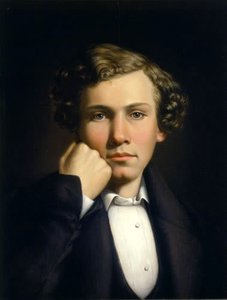
William Tylee Ranney
1813 - 1857 , Estados Unidos de América
Breves datos
- Fecha De Fallecimiento: 18 de noviembre de 1857
- Fecha De Nacimiento: 9 de mayo de 1813
- Lugar De Nacimiento: Middletown, EE. UU.
- Movimiento Artístico: Pintura de género
- Nacionalidad: Estadounidense
- Nombre Completo: William Tylee Ranney
- Obras Notables:
- On the Wing
- Prairie Burial
- Scouting Party
- Trapper's Last Shot

