

 Ver en contexto
 Enviar
 Compartir
 Detalles

 Descargar
 Similares
 Radiografía
 Presentación de diapositivas
 Estadísticas
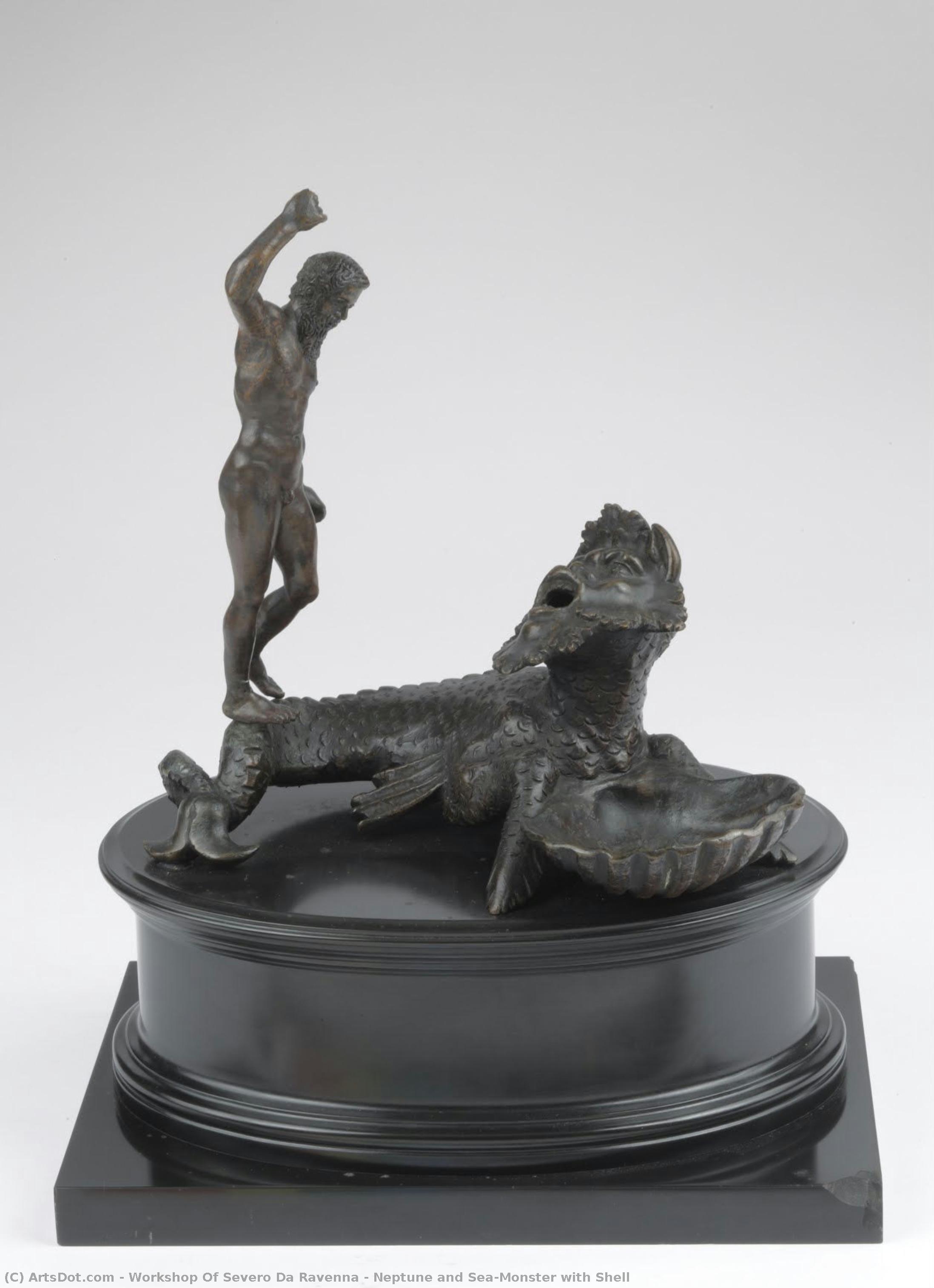
Neptune and Sea-Monster with Shell


 Ver más
Reproducción al óleo hecha a mano
Óleo sobre lienzo pintado a mano en el tamaño y marco de su elección, realizado por encargo por nuestros artistas. ( Cambiar a Impresión Cambiar a imagen digital)




































Elija entre nuestros tamaños predefinidos que respetan las proporciones originales de la obra.

Puede ingresar sus propias dimensiones para adaptarse a un marco o espacio específico. Si el tamaño seleccionado no coincide con las proporciones de la imagen original, recortaremos la obra o extenderemos la pintura con elementos adicionales pintados a mano. Se le enviará una maqueta digital para su aprobación antes de comenzar la producción.
Tenga en cuenta que la vista previa en pantalla no refleja el recorte o la extensión reales. Solo la maqueta mostrará con precisión la composición final.
Si bien existen tamaños personalizados, recomendamos seleccionar una dimensión de la lista predefinida para preservar las proporciones originales.
Tras realizar el pedido, el equipo de ArtsDot.com enviará un correo electrónico al cliente para solicitar instrucciones y proporcionarle una vista previa del boceto.
Envío a todo el mundo () en 3-4 semanas en lugar de las 5 semanas estándar. (12 septiembre). Sin comprometer la calidad.

Envío exprés gratuito a todo el mundo

Lienzo de lino de alta calidad

Seguro de envío total

Garantía de reembolso de impuestos aduaneros

Garantía de fidelidad cromática exacta

Política de devolución de 100 días (solo por defectos)

Garantía de devolución del 100% del dinero

Descuento por cantidad
 La opción de vidrio solo está disponible en tamaños inferiores a 110 cm.

Neptune and Sea-Monster with Shell
Técnica de reproducción
Dimensiones de la reproducción
-


Precio total final
$ 263
Obras relacionadas
Biografía del artista
The Enigmatic Workshop of Severo da Ravenna: Illuminating the Byzantine Revival
The name “Workshop of Severo da Ravenna” evokes a sense of mystery, a collective artistry rather than a singular genius. Active in the late 15th and early 16th centuries, this atelier flourished within the vibrant artistic milieu of Ravenna, Italy – a city steeped in Byzantine history and renowned for its breathtaking mosaics. While the precise identity of Severo da Ravenna remains elusive, his workshop became synonymous with a distinctive style that masterfully blended Gothic traditions with the burgeoning Renaissance aesthetic, all while deeply referencing the splendor of Byzantium. This was not merely imitation; it was a conscious revival, a reinterpretation of ancient techniques and forms for a new era. The workshop’s output primarily consisted of painted panels, often serving as altarpieces or devotional works, characterized by their rich gilding, intricate detailing, and jewel-toned palettes. These paintings weren't simply religious icons; they were portals to another realm, designed to inspire awe and facilitate spiritual contemplation.A City of Mosaics: Ravenna’s Influence on Severo’s Style
To understand the work of Severo da Ravenna’s workshop, one must first appreciate the artistic legacy of Ravenna itself. From the 5th century onwards, the city served as a capital for both the Western Roman Empire and the Ostrogothic Kingdom, becoming a crucible for early Christian art. The magnificent mosaics adorning churches like San Vitale and Sant'Apollinare Nuovo – shimmering surfaces depicting biblical scenes, imperial portraits, and elaborate geometric patterns – profoundly shaped the visual landscape of the city. Severo’s workshop didn’t simply exist *in* Ravenna; it existed *because* of Ravenna. The artists absorbed the techniques of mosaic work—the precise application of tesserae, the use of gold leaf to create luminous backgrounds, and the emphasis on flattened perspective—and translated them into panel painting. This wasn't a rejection of Renaissance developments in naturalism but rather an alternative path, one that prioritized symbolic power and decorative richness over strict anatomical accuracy. The workshop’s panels often feature figures with elongated bodies, stylized drapery, and intensely focused gazes, echoing the solemnity and otherworldly quality of Byzantine iconography.Techniques and Materials: Gilding, Tempera, and a Revival of Ancient Practices
The technical prowess of Severo da Ravenna’s workshop was remarkable. They were masters of tempera painting, utilizing egg yolk as a binding medium to create vibrant, durable pigments. However, it was their use of gold leaf that truly set their work apart. Gold wasn't merely used as an embellishment; it formed the very foundation of many compositions. Entire backgrounds were covered in shimmering gold, creating a sense of divine light and emphasizing the sacred nature of the depicted scenes. The workshop also employed techniques reminiscent of medieval manuscript illumination, meticulously detailing fabrics, jewelry, and architectural elements with incredible precision. Evidence suggests they may have even experimented with reviving ancient encaustic painting methods – using wax as a binder – though this remains a subject of scholarly debate. Their commitment to these labor-intensive processes speaks to a desire for quality and a reverence for artistic tradition. The workshop’s panels were not mass-produced; each was a carefully crafted object, intended to be treasured for generations.Themes and Iconography: Devotion, Saints, and the Virgin Mary
The subject matter of Severo da Ravenna’s workshop’s paintings largely revolved around religious themes, reflecting the devotional needs of their clientele. Images of the Virgin Mary – often depicted as the *Theotokos*, Mother of God – were particularly prevalent, showcasing her compassion and maternal grace. Saints, including Saint Apollinaris (the patron saint of Ravenna) and Saint Francis, also featured prominently, serving as intercessors between heaven and earth.- Altarpieces frequently depicted scenes from the life of Christ, such as the Annunciation, the Nativity, and the Crucifixion.
- The workshop often incorporated symbolic elements into their compositions, drawing on both biblical sources and medieval iconography.
- A recurring motif is the use of elaborate architectural settings, reminiscent of Byzantine churches and palaces, further enhancing the sense of sacred space.
Historical Significance: A Bridge Between Eras
The Workshop of Severo da Ravenna occupies a fascinating position in art history – a bridge between the Gothic period, the Renaissance, and the enduring legacy of Byzantium. Their work represents a deliberate departure from the growing emphasis on naturalism and perspective that defined High Renaissance painting. Instead, they championed a style rooted in tradition, symbolism, and decorative richness. While often overlooked in favor of more celebrated Renaissance masters, Severo’s workshop played a crucial role in preserving and reinterpreting Byzantine artistic techniques. Their paintings offer valuable insights into the religious beliefs and aesthetic preferences of early 16th-century Italy, demonstrating that the Renaissance wasn't a monolithic movement but rather a complex interplay of diverse influences. Today, their panels are prized by collectors and museums worldwide, serving as testaments to the enduring power of artistic innovation and the timeless beauty of Byzantine art.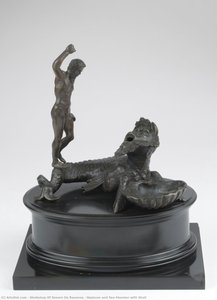
Datos clave
- Artistic Movement Or Style: Renaissance Mosaic Art
- Date Of Death: Living
- Full Name: Workshop Of Severo Da Ravenna
- Nationality: Italian
- Notable Artworks:
- Mosaics in Sant'Apollinare Nuovo
- Baptistery mosaics
- Basilica mosaics
- Place Of Birth: Ravenna, Italy
Artículos relacionados
The Enduring Legacy of Bronze: A Historical & Artistic Exploration for the Collector
Explore the rich history & enduring appeal of bronze sculpture with expert insights for collectors at ArtsDot. Learn about casting techniques, iconic artists, collecting tips & contemporary interpretations.

Esculturas de Bronce Legendarias: 10 Obras Maestras que Transformaron el Arte | ArtsDot
Descubre las 10 esculturas de bronce más legendarias que revolucionaron el arte. Explora la historia de Rodin, Degas y otros maestros del bronce. Encuentra reproducciones de alta calidad e inspiración para tu hogar en ArtsDot.com.

Las 10 Obras Maestras de Bronce que Revolucionaron la Historia del Arte | ArtsDot
Descubre las 10 esculturas de bronce más influyentes de la historia del arte. Explora obras maestras de Rodin, Degas y otros genios. Encuentra reproducciones de arte de calidad museo en ArtsDot.com.
The Enduring Legacy of Bronze: History, Technique & Artistic Expression for the Collector
Explore the rich history & enduring appeal of bronze sculpture with expert insights for collectors at ArtsDot. Learn about casting techniques, iconic artists, and collecting tips.
Leonardo da Vinci: Las 25 Obras Maestras que Definieron un Genio | ArtsDot
Descubre las 25 obras maestras de Leonardo da Vinci, desde la Mona Lisa hasta La Última Cena. Explora su arte renacentista, técnicas innovadoras y el legado del genio italiano. Reproducciones de alta calidad para decorar tu hogar con belleza y historia en ArtsDot.com.