

 Ver en contexto
 Enviar
 Compartir
 Detalles

 Descargar
 Similares
 Radiografía
 Presentación de diapositivas
 Estadísticas
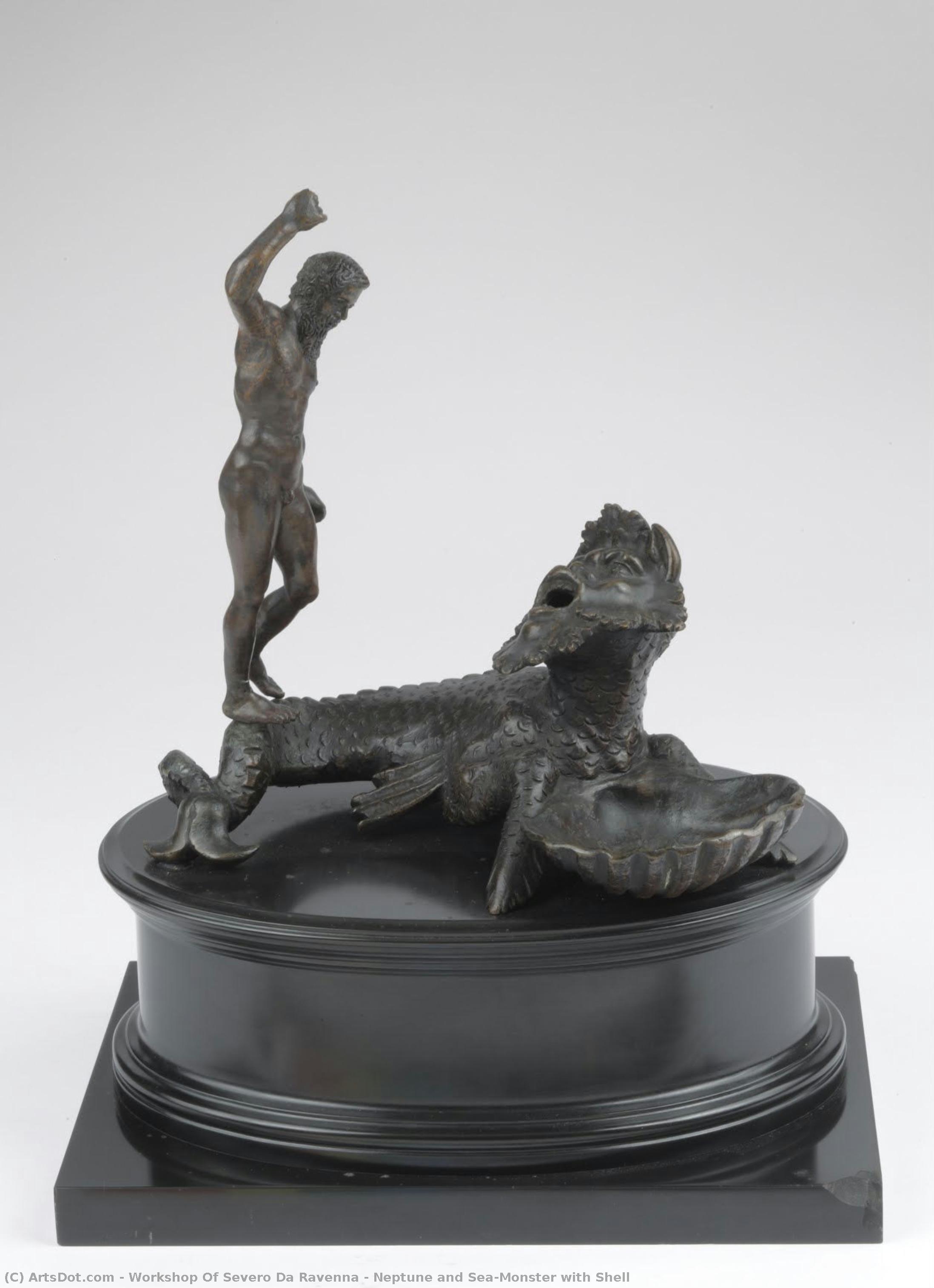
Neptune and Sea-Monster with Shell


 Ver más
Adquiera una imagen digital de alta resolución y optimizada, muy superior a la vista previa en línea.
Cada archivo es preparado meticulosamente por nuestros especialistas internos mediante el uso de herramientas avanzadas y un experto retoque manual. Nos aseguramos de que cada imagen posea una claridad excepcional, una precisión cromática impecable y un detalle minucioso.
El archivo final se entrega por correo electrónico en un plazo de 72 horas, optimizado para su uso inmediato en entornos profesionales, editoriales y de impresión. Esta es la misma calidad en la que confían los estudios de diseño, las editoriales y las galerías de primer nivel.
Imagen Digital
Descarga un archivo de alta resolución para exhibición personal, impresión y proyectos creativos. ( Cambiar a Impresión Comprar pintura hecha a mano)
Incluido en cada pedido de imágenes digitales
Entrega digital experta, garantizada.
Al elegir ArtsDot.com, no solo está adquiriendo una imagen; está recibiendo una obra de arte digital mejorada profesionalmente, elaborada con precisión y respaldada por una garantía de satisfacción. Esto es todo lo que incluye su pedido, automáticamente:

Entrega rápida por email
Recibirá su archivo de imagen digital en alta resolución por correo electrónico en un plazo de 72 horas tras realizar su pedido, listo para su uso inmediato.

Archivo digital optimizado por IA
Su obra de arte se optimiza profesionalmente mediante herramientas avanzadas de IA y edición manual, garantizando el máximo detalle, claridad y precisión cromática.

Reenvío gratuito de por vida
¿Has borrado o perdido tu archivo por error? No te preocupes: te lo volveremos a enviar en cualquier momento, sin coste adicional.

Sin gastos de importación, siempre
Disfrute de su obra de arte al instante sin aduanas, aranceles ni gastos de envío; las descargas digitales siempre están libres de impuestos.

Garantía de fidelidad de color
Garantizamos que su imagen digital refleje los colores originales con la mayor fidelidad posible, mediante el uso de herramientas profesionales y gestión del color.

Garantía de satisfacción de 100 días
Si no está satisfecho con su imagen digital, la revisaremos o le reembolsaremos el 100% en un plazo de 100 días, sin preguntas.

100% Garantía de devolución de dinero
¿No está satisfecho? Obtenga un reembolso completo dentro de los 100 días posteriores a la recepción de su archivo digital, sin preguntas.

Descuentos por pedidos grandes
Compra 3 imágenes, ahorra 10% - Compra 5, ahorra 15% - Compra 10+, ahorra 20%. Ideal para proyectos creativos, galerías y agencias.
Obras relacionadas
Biografía del artista
The Enigmatic Workshop of Severo da Ravenna: Illuminating the Byzantine Revival
The name “Workshop of Severo da Ravenna” evokes a sense of mystery, a collective artistry rather than a singular genius. Active in the late 15th and early 16th centuries, this atelier flourished within the vibrant artistic milieu of Ravenna, Italy – a city steeped in Byzantine history and renowned for its breathtaking mosaics. While the precise identity of Severo da Ravenna remains elusive, his workshop became synonymous with a distinctive style that masterfully blended Gothic traditions with the burgeoning Renaissance aesthetic, all while deeply referencing the splendor of Byzantium. This was not merely imitation; it was a conscious revival, a reinterpretation of ancient techniques and forms for a new era. The workshop’s output primarily consisted of painted panels, often serving as altarpieces or devotional works, characterized by their rich gilding, intricate detailing, and jewel-toned palettes. These paintings weren't simply religious icons; they were portals to another realm, designed to inspire awe and facilitate spiritual contemplation.A City of Mosaics: Ravenna’s Influence on Severo’s Style
To understand the work of Severo da Ravenna’s workshop, one must first appreciate the artistic legacy of Ravenna itself. From the 5th century onwards, the city served as a capital for both the Western Roman Empire and the Ostrogothic Kingdom, becoming a crucible for early Christian art. The magnificent mosaics adorning churches like San Vitale and Sant'Apollinare Nuovo – shimmering surfaces depicting biblical scenes, imperial portraits, and elaborate geometric patterns – profoundly shaped the visual landscape of the city. Severo’s workshop didn’t simply exist *in* Ravenna; it existed *because* of Ravenna. The artists absorbed the techniques of mosaic work—the precise application of tesserae, the use of gold leaf to create luminous backgrounds, and the emphasis on flattened perspective—and translated them into panel painting. This wasn't a rejection of Renaissance developments in naturalism but rather an alternative path, one that prioritized symbolic power and decorative richness over strict anatomical accuracy. The workshop’s panels often feature figures with elongated bodies, stylized drapery, and intensely focused gazes, echoing the solemnity and otherworldly quality of Byzantine iconography.Techniques and Materials: Gilding, Tempera, and a Revival of Ancient Practices
The technical prowess of Severo da Ravenna’s workshop was remarkable. They were masters of tempera painting, utilizing egg yolk as a binding medium to create vibrant, durable pigments. However, it was their use of gold leaf that truly set their work apart. Gold wasn't merely used as an embellishment; it formed the very foundation of many compositions. Entire backgrounds were covered in shimmering gold, creating a sense of divine light and emphasizing the sacred nature of the depicted scenes. The workshop also employed techniques reminiscent of medieval manuscript illumination, meticulously detailing fabrics, jewelry, and architectural elements with incredible precision. Evidence suggests they may have even experimented with reviving ancient encaustic painting methods – using wax as a binder – though this remains a subject of scholarly debate. Their commitment to these labor-intensive processes speaks to a desire for quality and a reverence for artistic tradition. The workshop’s panels were not mass-produced; each was a carefully crafted object, intended to be treasured for generations.Themes and Iconography: Devotion, Saints, and the Virgin Mary
The subject matter of Severo da Ravenna’s workshop’s paintings largely revolved around religious themes, reflecting the devotional needs of their clientele. Images of the Virgin Mary – often depicted as the *Theotokos*, Mother of God – were particularly prevalent, showcasing her compassion and maternal grace. Saints, including Saint Apollinaris (the patron saint of Ravenna) and Saint Francis, also featured prominently, serving as intercessors between heaven and earth.- Altarpieces frequently depicted scenes from the life of Christ, such as the Annunciation, the Nativity, and the Crucifixion.
- The workshop often incorporated symbolic elements into their compositions, drawing on both biblical sources and medieval iconography.
- A recurring motif is the use of elaborate architectural settings, reminiscent of Byzantine churches and palaces, further enhancing the sense of sacred space.
Historical Significance: A Bridge Between Eras
The Workshop of Severo da Ravenna occupies a fascinating position in art history – a bridge between the Gothic period, the Renaissance, and the enduring legacy of Byzantium. Their work represents a deliberate departure from the growing emphasis on naturalism and perspective that defined High Renaissance painting. Instead, they championed a style rooted in tradition, symbolism, and decorative richness. While often overlooked in favor of more celebrated Renaissance masters, Severo’s workshop played a crucial role in preserving and reinterpreting Byzantine artistic techniques. Their paintings offer valuable insights into the religious beliefs and aesthetic preferences of early 16th-century Italy, demonstrating that the Renaissance wasn't a monolithic movement but rather a complex interplay of diverse influences. Today, their panels are prized by collectors and museums worldwide, serving as testaments to the enduring power of artistic innovation and the timeless beauty of Byzantine art.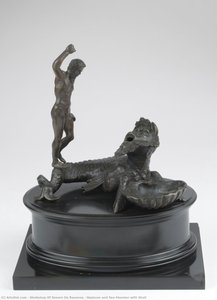
Breves datos
- Artistic Movement Or Style: Renaissance Mosaic Art
- Date Of Death: Living
- Full Name: Workshop Of Severo Da Ravenna
- Nationality: Italian
- Notable Artworks:
- Mosaics in Sant'Apollinare Nuovo
- Baptistery mosaics
- Basilica mosaics
- Place Of Birth: Ravenna, Italy