Introduction
To stand before a canvas by Mark Rothko is not merely to view a painting, but to enter into a profound, silent dialogue with the infinite. There is a weight to his work, a gravitational pull that draws the viewer away from the distractions of the external world and into a sanctuary of pure emotion. His masterpieces do not demand attention through frantic movement or complex imagery; instead, they command it through the slow, rhythmic breathing of color. As you prepare to journey through these twenty-five seminal works, imagine yourself walking through a quiet gallery at twilight, where the boundaries between the self and the canvas begin to dissolve.
Born in Latvia as Markus Yakovlev and shaped by the turbulent currents of early 20th-century migration and the shadows of global conflict, Rothko carried an inherent sensitivity to the human condition. His evolution from the structured realism of his youth to the ethereal, luminous rectangles of his mature period mirrors a broader cultural shift in art history—a movement away from the representation of the physical world toward the exploration of the psychological and the spiritual. He stripped painting of its narrative clutter, leaving behind only the essential: color, light, and scale .
These works remain deeply resonant today because they touch upon the universal—the triumphs, the tragedies, and the existential anxieties that define our shared humanity. In an era of digital noise and fleeting images, Rothko’s canvases offer a rare opportunity for stillness. They act as mirrors to our internal landscapes, capable of evoking everything from a sense of divine peace to a profound, haunting melancholy.
In the following curation, we invite you to explore the pinnacle of his achievement. From his early experiments with biomorphic forms to the monumental, soul-stirring color fields that defined Abstract Expressionism, this selection celebrates the breadth of a visionary who taught us that color, when applied with intention, can speak directly to the soul.
White Center - Mark Rothko
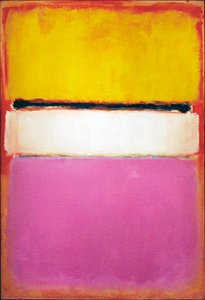 White Center - Mark Rothko
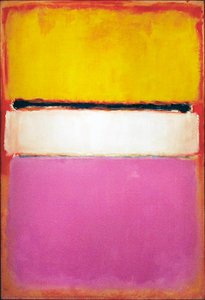
To encounter White Center is to step into a moment of profound stillness. Created in 1950, this masterpiece serves as a quintessential pillar within the top 25 artworks of Mark Rothko, capturing the precise era when his vision transitioned from mythic figuration to the transcendent language of Color Field painting. The composition is a masterclass in equilibrium, presenting three luminous horizontal bands: a vibrant, sun-drenched yellow at the summit, a serene, ethereal pale white in the heart, and a deep, resonant magenta anchoring the base.
Rothko’s meticulous application of thin, glazed layers allows light to permeate the canvas, creating a breathing, spiritual luminosity that defies the flatness of the medium. The delicate black boundaries act as structural anchors, guiding the eye through a rhythmic dance of energy and introspection. Owning such a piece is not merely an acquisition; it is an inheritance of the Abstract Expressionist legacy. Through ArtsDot, this lineage of taste is brought into the private sphere, allowing the emotive power of Rothko’s chromatic exploration to transform your space into a sanctuary of modern heritage.
No.1 - Mark Rothko
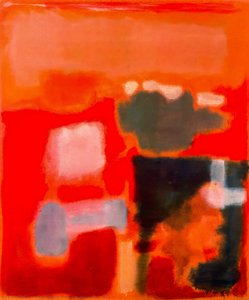 No.1 - Mark Rothko
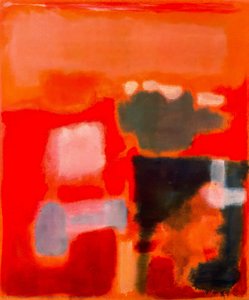
To encounter No.1 by Mark Rothko is to step beyond the threshold of the physical world and into a profound, meditative sanctuary. As one of the most significant entries in our collection of the top 25 artworks of Mark Rothko, this masterpiece serves as a gateway to the sublime. The canvas breathes with an intense, pulsating energy, dominated by a visceral palette of deep reds, fiery oranges, and smoldering embers of warmth that seem to glow from within.
Rothko’s mastery of color field painting is on full display here; there are no harsh boundaries, only the soft, ethereal bleeding of pigment where warm tones meet shadowed grays. The visible, gestural brushstrokes suggest a rhythmic, almost spiritual movement, inviting the viewer to lose themselves in the layered textures. This is not merely an abstract expressionist painting; it is an emotional landscape designed for contemplation. For the discerning collector or interior designer, integrating such a powerful work into a space transforms a room into a gallery of the soul, evoking a sense of quiet prestige and timeless transcendence.
Untitled - Mark Rothko
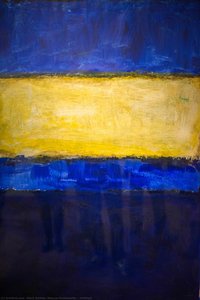 Untitled - Mark Rothko
To stand before a masterpiece of the Color Field movement is to enter a sanctuary of silence. In 1968, as the world grappled with profound social upheaval, Mark Rothko offered a window into the eternal through Untitled . This work earns its place among the top 25 artworks of Mark Rothko by capturing the very essence of spiritual transcendence through pure chromatic abstraction.
The canvas presents a deceptively serene expanse of deep indigo blue, punctuated by luminous horizontal bands of vibrant yellow that seem to float weightlessly. Through his meticulous technique of applying thin, translucent layers of pigment, Rothko achieved a "grained surface" that catches the light, making the colors appear to glow from within. The indigo evokes the depths of the unconscious, while the yellow stripes suggest sudden bursts of divine illumination. There is no subject here other than emotion itself—a meditation on solitude and the sublime. This painting remains a cornerstone of modern art, reminding us how a simple juxtaposition of light and shadow can transform a physical space into a profound site of emotional resonance and quiet prestige.
Black on Maroon - Mark Rothko
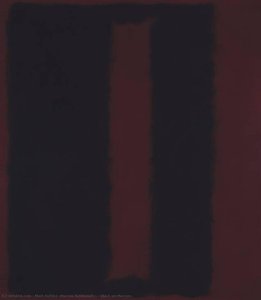 Black on Maroon - Mark Rothko
In Black on Maroon , Mark Rothko does not merely apply pigment to canvas; he composes a silent sonata of shadow and soul. Created in 1959, this masterpiece stands as one of the most profound entries in our collection of the top 25 artworks of Mark Rothko. To gaze upon it is to witness the weight of absence made visible. The deep, resonant maroon field—a hue evocative of both life-blood and ancient memory—serves as a luminous stage for the stark, central black rectangle.
The artist does not paint light; he invents it, creating a sense of depth where the black void seems to float, suspended in a state of eternal introspection. This work embodies the very essence of Abstract Expressionism, using color as a primal language to communicate themes of loss and transcendence. As you contemplate this composition, notice how the subtle variations in the maroon field create an illusion of breathing movement. It is a portal of profound emotion, waiting to transform your space into a sanctuary of quiet, monumental beauty.
No. 13 (White, Red on Yellow) - Mark Rothko
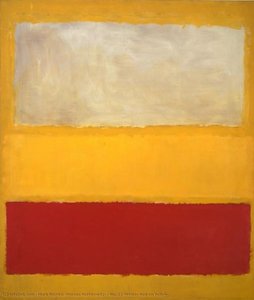 No. 13 (White, Red on Yellow) - Mark Rothko
What if I told you that No. 13 (White, Red on Yellow) by Mark Rothko was born from a moment of profound spiritual rebellion—a strike against the noise of the modern world to find silence in color? This masterpiece does not merely sit upon a canvas; it breathes. As one of the most essential entries in our collection of the top 25 artworks of Mark Rothko, this piece redefined the boundaries of Abstract Expressionism by stripping away all figuration to reveal the raw, pulsating heart of human emotion.
The painting presents a visceral dialogue between a luminous, sun-drenched yellow and a deep, commanding crimson, bisected by ethereal traces of white. It is a masterclass in color field painting, where light seems to be absorbed into the very fibers of the canvas rather than reflected off them. At ArtsDot.com, we believe such profound energy should not be confined to museum archives. Whether as a focal point in a minimalist penthouse or a meditative anchor in a private study, bringing this Rothko reproduction into your space transforms a mere room into a sanctuary of contemplation. It is more than decor; it is an invitation to experience pure, unadulterated feeling every single day.
Earth ^ Green - Mark Rothko
 Earth ^ Green - Mark Rothko
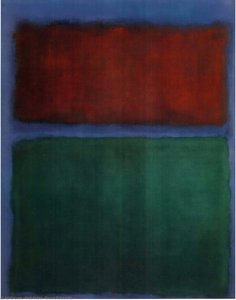
What story does the silent dialogue between verdant hues and deep, terrestrial tones tell in Earth ^ Green by Mark Rothko? Created in 1955, this masterpiece emerged during a pivotal era when the frantic gestures of Abstract Expressionism began to settle into the meditative stillness of Color Field painting. As one of the top 25 artworks of Mark Rothko, this piece broke ground by stripping away all figuration, leaving only the raw, vibrating essence of color to communicate with the human soul.
The painting offers a profound sense of an atmospheric escape; its soft, breathing edges and translucent layers of pigment create an internal radiance that invites the viewer into a state of quiet contemplation. For the discerning collector or interior designer, integrating such a work into a modern space provides more than mere decoration—it introduces a curated sanctuary of tranquility. The interplay of deep browns and luminous greens evokes a primordial connection to nature, making it an essential centerpiece for those seeking to anchor their homes with historical prestige and emotional depth.
The Pugilist - Mark Rothko
 The Pugilist - Mark Rothko
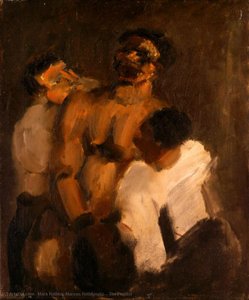
Step into the shadows of 1933 with The Pugilist , a hauntingly intimate window into Mark Rothko’s formative years. Before he redefined the world through expansive Color Field canvases, Rothko utilized a stark, monochromatic palette to capture the raw essence of human connection. In this evocative scene, three men are gathered around a dining table, their silhouettes etched in deep blacks and somber greys, creating an atmosphere thick with unspoken tension and quiet camaraderie.
The painting functions as a cinematic freeze-frame; the light catches the edge of a bottle while the figures lean into a shared, heavy silence. There is a profound weight to the composition, reflecting the existential anxieties of the Great Depression era. For the discerning collector, bringing such a piece into a contemporary interior offers more than mere decoration; it introduces a focal point of deep introspection and historical gravity. Whether placed in a private study or a sophisticated lounge, The Pugilist serves as a masterful anchor, inviting guests to pause and contemplate the enduring complexities of the human spirit.
Green and Tangerine on Red - Mark Rothko
 Green and Tangerine on Red - Mark Rothko
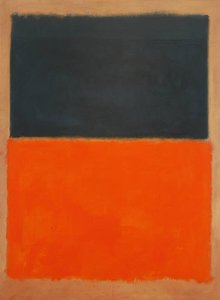
To stand before Green and Tangerine on Red is to witness a masterclass in emotional resonance. In this 1956 masterpiece, Mark Rothko does not merely apply pigment to canvas; he composes light as if conducting a silent, visual sonata. The painting is an immersive experience where the vibrant tangerine and deep, resonant green do not simply sit upon the surface—they appear to float, suspended within a pulsating field of crimson red.
The brilliance of this work lies in its ability to invent its own illumination. Through meticulous layering of translucent washes, Rothko creates soft, blurred edges that dissolve the boundaries between form and void. This technique allows the warmth of the orange to vibrate against the coolness of the green, creating a dynamic tension that speaks to the duality of the human spirit—the interplay of hope and shadow. As one of the most profound examples in the top 25 artworks of Mark Rothko, this piece transcends mere abstraction; it becomes a portal of light and emotion, waiting to transform your space into a sanctuary of contemplative beauty.
Orange and yellow - Mark Rothko
 Orange and yellow - Mark Rothko
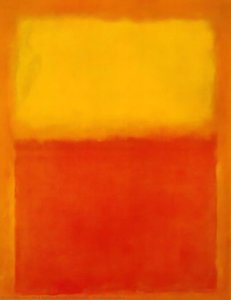
In Orange and Yellow (1956), Mark Rothko does not merely apply pigment to canvas; he composes light as if conducting a silent, luminous sonata. To stand before this masterpiece is to witness the birth of Color Field painting, where the boundaries between the viewer and the artwork begin to dissolve. The artist did not simply paint color—he invented light , layering thin, translucent washes of oil to create rectangular forms that appear to breathe and vibrate against a profound, dark void.
The warmth of the amber and sun-drenched yellow does not reflect external illumination; rather, it seems to emanate from within the canvas itself, offering a sanctuary of serenity and spiritual longing. The soft, blurred edges invite a meditative gaze, pulling the observer into a rhythmic dance of tonal variations. As one of the most iconic works in the top 25 artworks of Mark Rothko , this piece serves as a portal, transforming any space into an arena for profound emotional encounter, where the simple language of hue speaks directly to the human soul.
Ceremonial - Mark Rothko
 Ceremonial - Mark Rothko
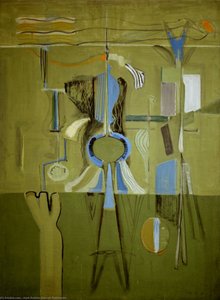
In Ceremonial , Mark Rothko orchestrates a profound geometric dance that serves as a cornerstone among the top 25 artworks of Mark Rothko . The composition is anchored by a central, spectral chair, surrounded by a rhythmic arrangement of symbolic objects—a clock, a bowl, and a vase—that float within a dreamlike, atmospheric void. This structural harmony, where shapes seem to hover between presence and absence, creates a sense of timeless perfection that continues to captivate collectors.
The painting’s internal balance achieves a masterful equilibrium, mirroring the principles of modern minimalist design . By stripping away traditional perspective, Rothko uses muted blues and greens to ground a clean, contemporary aesthetic, making it an ideal focal point for sophisticated, modern interiors. The way these elements recede into deep, luminous layers invites a quiet, existential contemplation. For those seeking to curate a space with emotional depth, this work offers a rare intersection of Abstract Expressionism and serene, architectural elegance, embodying the very soul of mid-century mastery.
Abstract painting - Mark Rothko
 Abstract painting - Mark Rothko
In the profound simplicity of Abstract painting by Mark Rothko, there is no traditional light source, yet the work vibrates with an internal, luminous energy. The mastery lies not in the depiction of external illumination, but in the subtle, atmospheric play of tonal shifts within a deep, monochromatic gray field. This command over light—or rather, the absence of it—creates a sense of infinite depth, where the edges of the canvas seem to dissolve into a meditative void. It is this ethereal quality that secured its place among the top 25 artworks of Mark Rothko , as it transcends mere pigment to become an experience of pure presence.
For the discerning collector or interior designer, a faithful reproduction of such a piece offers more than decoration; it introduces a sophisticated layer of quietude and architectural weight. When placed in a contemporary setting, the subtle gradations of this grayscale masterpiece act as a focal point of calm, adding a luxurious, contemplative dimension to any high-end space. The way the light interacts with the velvety tones of the canvas invites a sensory journey, making it an essential acquisition for those seeking to curate an atmosphere of profound emotional resonance.
Untitled (two women before a cityscape) - Mark Rothko
 Untitled (two women before a cityscape) - Mark Rothko
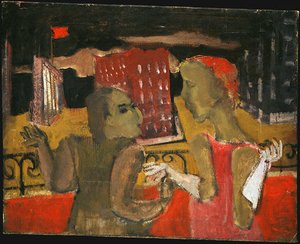
In the transition from his early figurative explorations to the profound depths of Abstract Expressionism, Untitled (two women before a cityscape) serves as a hauntingly beautiful bridge. This 1949 masterpiece captures a fleeting, intimate moment—two figures poised before an urban landscape marked by a striking red door—yet it vibrates with a psychological tension that transcends simple representation. As one of the most compelling entries in our collection of the top 25 artworks of Mark Rothko , this piece invites us to witness the intersection of human connection and urban isolation.
Rothko utilizes a restrained palette of reds, yellows, and blues to create a sense of serene melancholy. The way the figures interact amidst a bustling, symbolic cityscape reflects the existential anxieties of the postwar era, a theme that remains strikingly relevant in today's fragmented social landscape. For the modern collector or interior designer, this work offers more than mere decoration; it provides a meditative focal point, where the luminous layers of pigment evoke a profound stillness, making it an essential cornerstone for any curated gallery space.
Three - Mark Rothko
 Three - Mark Rothko
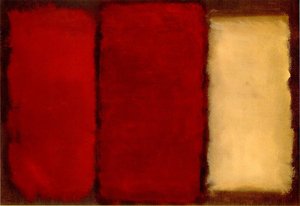
In Three , Mark Rothko achieves a profound mastery of internal illumination, where light does not strike the surface from without, but appears to emanate from within the very fibers of the canvas. The interplay of deep maroons, somber blacks, and resonant reds creates a spectral chiaroscuro, a soft-edged tension between shadow and glow that defines his most iconic Color Field period. This luminous layering technique allows the rectangular forms to breathe, creating an atmospheric depth that transcends mere pigment.
As one of the top 25 artworks of Mark Rothko , this piece secured its historical importance by transforming the act of viewing into a meditative, spiritual encounter. The way these nebulous edges dissolve into the dark background challenges the viewer's perception of space and light. For the discerning collector, a high-quality reproduction of such a work offers more than decoration; it introduces a sophisticated, rhythmic soul to a contemporary interior. When placed in a well-lit room, the subtle tonal variations and perceived depth of Three add an incomparable layer of luxury and contemplative stillness to any architectural space.
Portrait of a Young Girl - Mark Rothko
 Portrait of a Young Girl - Mark Rothko
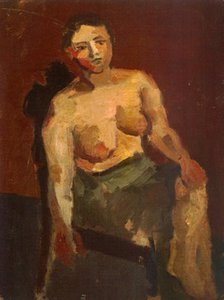
Before the eyes even register the form, a profound sense of stillness settles over the viewer, as if stepping into a quiet sanctuary far removed from the chaos of the modern world. In Portrait of a Young Girl , Mark Rothko captures a moment of exquisite vulnerability and deep introspection. The figure, draped in a striking emerald green gown, sits in a state of quiet contemplation, her downward gaze and delicate gesture inviting us to share in her private, meditative trance.
This work holds a prestigious place among the top 25 artworks of Mark Rothko because it serves as a bridge between his early figurative explorations and the transcendent power of his later Color Field masterpieces. Through the symbolic use of verdant hues and soft, layered pigments, Rothko explores themes of renewal and the fragility of existence. To possess such a piece is to invite a sense of soulful serenity into one's home, allowing the emotional depth of Abstract Expressionism to transform a contemporary living space into a place of profound meaning and peace.
Woman Sewing - Mark Rothko
 Woman Sewing - Mark Rothko
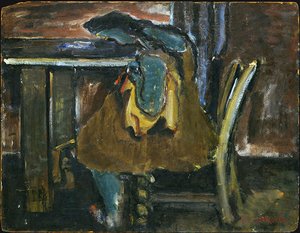
In the vast canon of Mark Rothko , Woman Sewing stands as a profound bridge between his early figurative explorations and the transcendent abstraction that would define his legacy. This monochrome masterpiece captures a moment of quiet, domestic labor, yet it vibrates with the existential tremors of the post-war era. As we navigate through the top 25 artworks of Mark Rothko , this piece earns its place through its masterful use of grayscale to evoke deep psychological resonance; the subtle interplay of light and shadow on the seated figure creates a meditative space that feels both intimate and infinitely vast.
The painting invites us to contemplate the beauty found in solitude and the resilience of the human spirit amidst uncertainty. For the discerning collector or interior designer, the essence of Woman Sewing offers a sophisticated anchor for modern spaces—a timeless conversation piece that brings a sense of stillness and intellectual depth to any curated collection. It reminds us that even within the simplest gestures, there lies an eternal, haunting beauty.
Heads - Mark Rothko
 Heads - Mark Rothko
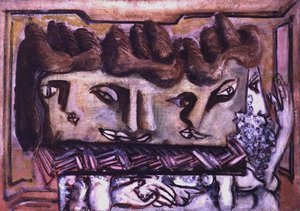
Before the world recognized Mark Rothko as the master of serene color fields, he was a painter grappling with the raw, visceral shadows of human existence. In Heads , we encounter a profound departure from his later abstractions, revealing an artist deeply immersed in the primal textures of figuration. This work presents a striking trio of faces, their mouths agape in a silent, collective cry that seems to emerge directly from the grain of a weathered wooden surface. It is as if the spirits are trapped within the very material of the world, waiting for a moment of revelation.
The technical genius of this piece lies in its haunting, archaeological quality; the pigment appears to seep into the substrate, blurring the line between fine art and folk expressionism. The secondary figures lurking in the periphery add layers of enigmatic depth, inviting a contemplative gaze. For the sophisticated collector, integrating such a powerful, textured work into a modern home office or study provides more than mere decoration; it introduces an atmosphere of profound intellectual focus and a monumental, creative energy that commands the room.
Vision at End of Day - Mark Rothko
 Vision at End of Day - Mark Rothko
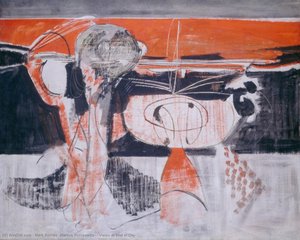
Before the world recognized him as a titan of Abstract Expressionism, Mark Rothko struggled with the weight of his own identity, often finding that traditional forms could not contain the profound existential anxieties born from his early years in Latvia. In "Vision at End of Day," we witness the definitive moment where he transcended figuration to master the "color field" technique. This masterpiece is a symphony of atmospheric depth; a velvety, somber violet anchors the composition, while soft rectangles of muted orange and pale yellow flicker like dying embers against an encroaching twilight.
The technical genius lies in Rothko’s meticulous layering of thin, translucent glazes, a process that allows light to permeate the pigment, creating a surface that appears to breathe from within. This luminous, blurred boundary between color and space invites a state of deep meditation. For the sophisticated collector, such a work offers more than mere decoration; it provides a profound emotional anchor. Integrating this piece into a modern home office or private study fosters an atmosphere of quiet intellect and focused introspection, transforming a workspace into a sanctuary of high-level thought.
Music - Mark Rothko
 Music - Mark Rothko
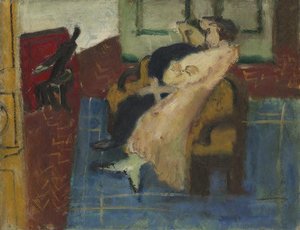
When you stand before Music , you do not merely observe a painting; you enter a rhythmic, chromatic resonance. In this masterpiece, Mark Rothko does not simply apply pigment to canvas—he composes light as if conducting a silent symphony. The way the crimson and orange blocks vibrate against one another is not just a visual feat; it is a language of pure emotion . The artist did not paint light; he orchestrated it, layering thin, luminous washes that allow the colors to breathe and pulse with an inner, melodic vitality.
As you gaze into the hazy, atmospheric edges where warmth meets intensity, you feel the harmonic tension between joy and sorrow. This is why Music remains one of the most profound entries in our collection of the top 25 artworks of Mark Rothko. It possesses the rare ability to invent its own illumination, turning a static surface into a breathing portal of spiritual transcendence. To bring such a work into your space is to invite a permanent state of contemplation, allowing these transcendent tones to spill across your walls and transform your environment into a sanctuary of modern abstraction.
Lavender and Mulberry - Mark Rothko
 Lavender and Mulberry - Mark Rothko
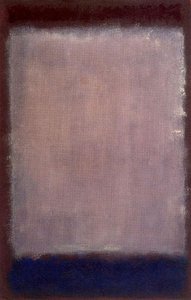
To stand before Lavender and Mulberry is to enter a silent, sacred chamber where the noise of the modern world dissolves into a profound, atmospheric stillness. In this 1962 masterpiece, Mark Rothko orchestrates a delicate symphony of sorrow and light, utilizing two monumental color fields that appear to vibrate within a deep, ethereal void. The soft, muted lavender interacts with the somber, weighted mulberry in a way that suggests a quiet conversation between the tenderness of memory and the heavy mantle of mourning.
This work earns its place among the top 25 artworks of Mark Rothko through its unparalleled ability to act as a vessel for pure human emotion. Through his signature translucent layering, Rothko creates a velvety depth that invites the viewer into a meditative state, making the canvas appear to breathe. For the discerning collector or interior designer, integrating such a piece into a contemporary space does more than decorate a wall; it introduces an intellectual and emotional gravity, transforming a room into a sanctuary of serenity and contemplative meaning.
No. 5 No. 22 - Mark Rothko
 No. 5 No. 22 - Mark Rothko
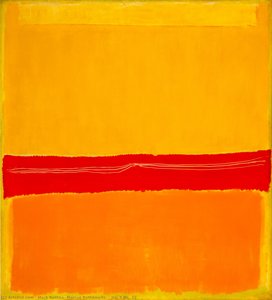
What story does the visceral tension within No. 5/No. 22 by Mark Rothko tell about the human psyche? Emerging from the transformative period of 1949-1950, this masterpiece stands as a cornerstone of the Abstract Expressionist movement, marking the pivotal moment where Rothko transitioned from figurative forms to the profound language of Color Field painting. It is a work that broke ground by stripping away all representational distractions, leaving only the raw, pulsating interaction of luminous yellow, orange, and deep red.
In this seminal piece, Rothko utilizes a deliberate, textured technique—gouging into layers of pigment to create subtle white streaks that disrupt the canvas's flatness. For the discerning collector, such a work offers more than mere decoration; it provides a curated escape into the sublime. Integrating this level of emotional depth into a modern interior allows one to evoke a sense of spiritual sanctuary, where the hovering rectangles of color invite a meditative stillness, transforming a contemporary space into a gallery of profound historical resonance.
Landscape 1 - Mark Rothko
 Landscape 1 - Mark Rothko
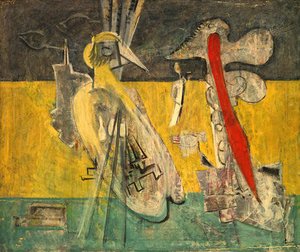
In the vast, silent theater of Landscape 1 by Mark Rothko , the viewer is not merely an observer but a participant in a profound emotional journey. As one of the most significant entries in our collection of the top 25 artworks of Mark Rothko , this 1960 masterpiece epitomizes the pinnacle of the Color Field Painting movement. Rather than depicting a literal horizon, Rothko presents an inner landscape—a psychological space where saturated, soft-edged rectangles of color pulse against one another, inviting the eye to lose itself in infinite layers of pigment.
The technique is a masterclass in luminous depth; through thin, translucent washes, the colors appear to glow from within, evoking the atmospheric mystery of existentialism . To gaze upon this work is to confront the weight of human experience, where deep crimsons and warm yellows serve as metaphors for passion and consciousness. For the discerning collector or interior designer, Landscape 1 offers an emotional anchor, providing a timeless conversation between historical depth and modern, curated environments.
Couple Kissing - Mark Rothko
 Couple Kissing - Mark Rothko
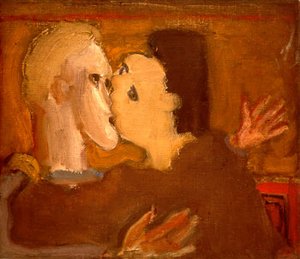
To stand before a masterpiece is to enter a sanctuary of silence, where the boundaries between the self and the canvas begin to dissolve. In "Couple Kissing" by Mark Rothko , this dissolution becomes an act of profound intimacy. While many recognize Rothko for his vast, ethereal color fields, this work captures a rare, visceral pulse of human connection. The painting envelops the viewer in a rhythmic symphony of deep crimsons and earthy, somber browns, where the figures emerge not through sharp lines, but through soft, bleeding edges that suggest an embrace rather than a mere depiction.
The technical brilliance lies in Rothko’s use of translucent glazes, creating a luminous depth that makes the saturated pigments appear to breathe. The man and woman, draped in heavy, textured tones, are locked in a moment of tender vulnerability against a vibrant red backdrop that radiates both passion and gravity. As one of the top 25 artworks of Mark Rothko, this piece remains an essential study in the duality of existence—the warmth of affection set against the ephemeral nature of life. It continues to serve as a captivating visual anchor for any sophisticated collection, transforming a modern space into a site of soulful contemplation.
Entombment II - Mark Rothko
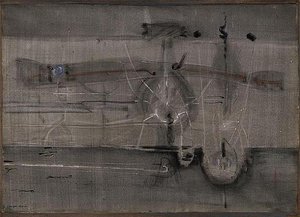 Entombment II - Mark Rothko
In the somber depths of Entombment II , Mark Rothko captures a profound silence, as if time itself has been suspended within a shroud of shadow and stone. This masterpiece stands among the top 25 artworks of Mark Rothko because it transcends mere abstraction, offering a visceral encounter with the existential weight of the human condition. The canvas is a masterclass in texture; thick, sculptural impasto layers of charcoal grey and earthy brown create a landscape that feels both ancient and unsettling. A subtle, ethereal blue emerges from the darkness, acting as a flickering light of hope amidst a sea of fragmentation.
The painting’s chaotic yet controlled surface—marked by deliberate scrapes and gestural lines—invites a meditative gaze that rewards the patient viewer. For the discerning collector or interior designer, such a work brings an unparalleled sense of gravity and sophisticated introspection to a modern space. It does not merely decorate a wall; it anchors a room with its monumental emotional presence, transforming contemporary interiors into sanctuaries of deep, quiet contemplation.
Untitled (figure lying on park bench) - Mark Rothko
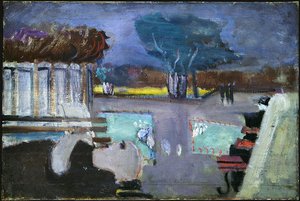 Untitled (figure lying on park bench) - Mark Rothko
In the quietude of Untitled (figure lying on park bench) , Mark Rothko captures a profound moment of stillness, where the boundaries between the human soul and the surrounding atmosphere begin to dissolve. This pivotal work holds its place among the top 25 artworks of Mark Rothko because it serves as a haunting bridge between his early figurative explorations and the transcendent color-field mastery that would later define his legacy.
The composition is a masterclass in atmospheric tension; a solitary, almost spectral figure rests upon a bench, anchored by the weight of deep, somber tones. Through a revolutionary technique of layering thin, luminous washes, Rothko creates a monochromatic landscape where light seems to breathe from within the canvas itself. The interplay of shadows and soft, blurred edges evokes an intense sense of introspection and melancholy. For the discerning collector or interior designer, this piece offers more than mere decoration; it brings a sophisticated, meditative energy to a modern space, inviting a sense of calm, intellectual depth, and timeless prestige into any curated environment.
Study for Antigone - Mark Rothko
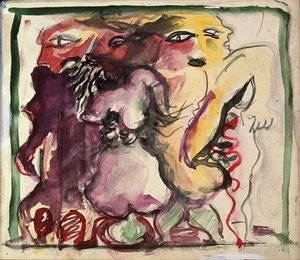 Study for Antigone - Mark Rothko
To stand before Mark Rothko’s “Study for Antigone” is to enter a sanctuary of profound, silent contemplation. Created in 1950, this pivotal work captures the artist during a transformative era, bridging his figurative roots with the burgeoning language of Abstract Expressionism . The composition presents three nude torsos arranged upon a rectangular frieze, their forms subtly illuminated against a muted backdrop of gray and ivory. There is a haunting, rhythmic quality to the placement of these figures, accompanied by symbolic objects—a bowl, cups, and a vase—that feel suspended in a dreamlike, cosmic drama.
Technically, the piece serves as a precursor to his iconic Color Field technique. Rothko utilizes expansive, breathing planes of pigment where deep crimson, smoky purple, and cobalt blue overlap to create an illusion of luminous depth. For the discerning collector, this masterpiece offers more than mere decoration; its atmospheric washes of color and emotional weight provide a focal point for reflection, bringing a sense of historical gravity and meditative calm to any sophisticated interior.
Conclusion
To stand before a Rothko is to enter a silent dialogue with the infinite. These twenty-five masterpieces are far more than mere historical milestones; they are breathing, luminous presences that continue to pulse with the raw, universal emotions of mortality, joy, and transcendence. As the light shifts across their layered hues, they do not merely occupy a space—they transform it, inviting a profound stillness that resonates long after one has turned away. They remind us that even in our most fragmented moments, there is a search for meaning, a pursuit of color, and a deep, enduring human connection to the sublime.
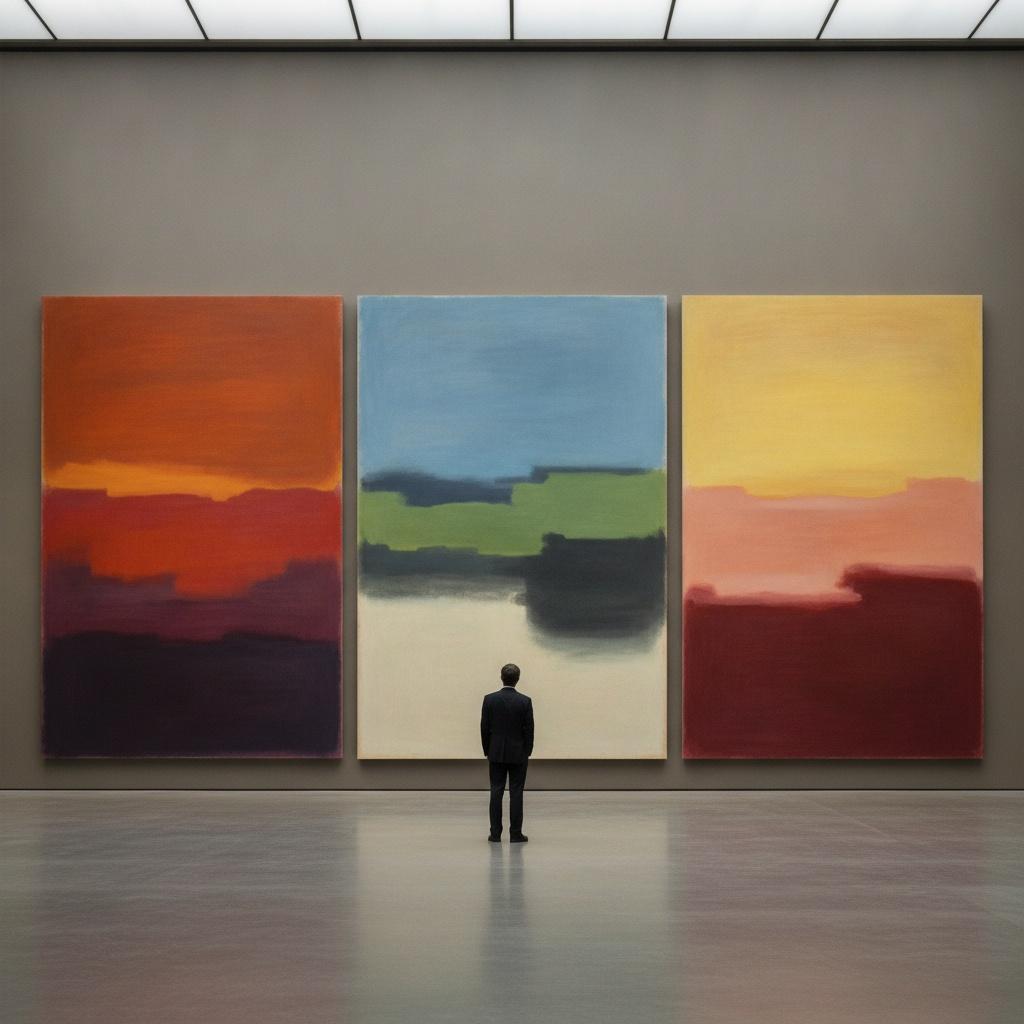
At ArtsDot.com , we view these works not as relics of the past, but as living inspirations for the modern aesthetic. We serve as a dedicated creative partner for interior designers, architects, and hospitality professionals who seek to infuse villas, boutique hotels, and refined residences with this same emotional depth. Whether you are curating a large-scale installation of multi-panel abstractions or seeking a single, commanding focal point, our studio provides the bridge between historical genius and contemporary luxury. Through our professional digital mockup service, we allow you to visualize these profound color fields within your specific architectural context, ensuring every brushstroke aligns with your design vision.
From bespoke, hand-painted oil reproductions that capture the tactile soul of Rothko’s impasto to meticulously crafted large-format murals for grand hotel lobbies, our mission is to turn every interior project into a definitive artistic statement. We invite you to explore the full collection and discover how the timeless resonance of Mark Rothko can become the heartbeat of your next extraordinary space.