Menú
Asesoría de arte gratuita

Palacio de Arte de Georgia – Museo de Historia Cultural

Datos clave

  • Movements:
    • romantic painting
    • romantic realism
    • romantic realismo
    • romanticism
    • romanticisme
  • Mediums:
    • acrílico sobre lienzo
    • óleo sobre lienzo
  • Works on APS: 99
  • Featured artists:
    • David Kakabadze
    • Petre Otskheli
    • vladimir lado gudiashvili
    • elene akhvlediani (georgian: ელენე ახვლედიანი)
    • giorgi eristavi
  • Ver más…
  • Alternate names:
    • Palacio de Arte de Georgia
    • Art Palace
    • Georgian State Museum of Theater
    • Music
    • Cinema and Choreography
  • Location: Tbilisi, Georgia
  • Art types: arte de pared

Cuestionario de arte

Cada pregunta tiene una única respuesta correcta.

Pregunta 1:
¿Cuál es el estilo arquitectónico que caracteriza al Palacio de Arte de Georgia?
Pregunta 2:
¿Quién encargó la construcción del palacio por amor a Agrippina Japaridze?
Pregunta 3:
¿Qué disciplinas culturales abarcan las colecciones del museo?
Pregunta 4:
¿Por qué el Museo de Arte de Georgia es reconocido por preservar tradiciones teatrales?
Pregunta 5:
¿En qué año se convirtió oficialmente el museo en el Museo Estatal Georgiano de Teatro, Música, Cine y Coreografía?

A Jewel of Georgian Art and Memory

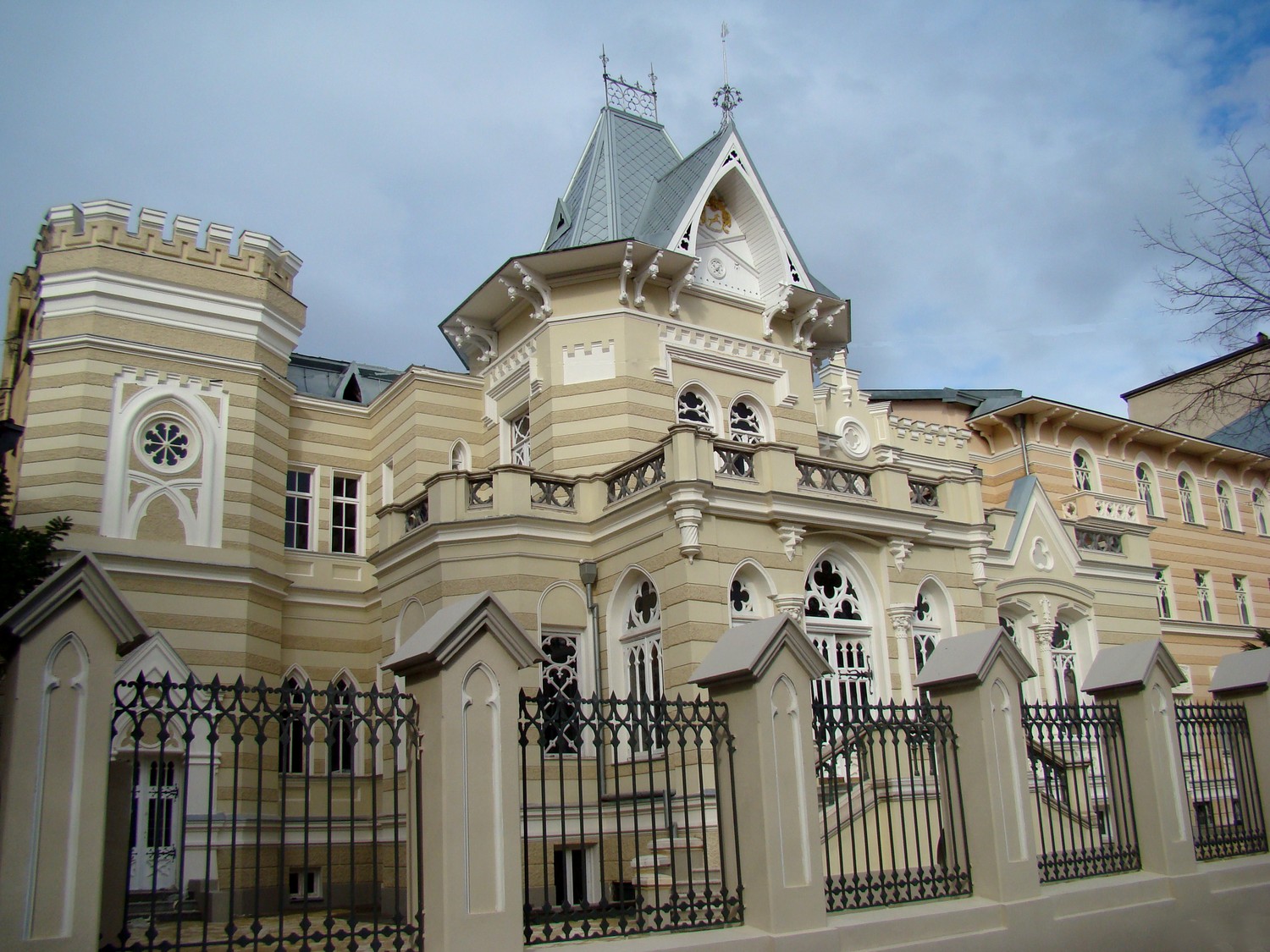
The Art Palace of Georgia – Museum of Cultural History stands as a testament to Tbilisi’s enduring fascination with artistic heritage. More than just a repository of artworks, it embodies the spirit of Georgian culture—a blend of tradition, innovation, and profound engagement with European influences—all housed within an architectural masterpiece that seamlessly marries Gothic grandeur with Islamic elegance. Located at Kargareteli Street #6, Tbilisi, Georgia ([https://en.wikipedia.org/wiki/Art_Palace_of_Georgia_-_Museum_of_CulturalHistory](https://en.wikipedia.org/wiki/Art_Palace_of_Georgia_-_Museum_of_CulturalHistory)), the palace’s history begins in 1882 with Duke Constantine Petrovich of Oldenburg and his ardent devotion to Agrippina Japaridze, a Georgian noblewoman. Inspired by their love story, Oldenburg commissioned architect Paul Stern to construct a magnificent residence—a building that would not only serve as a home but also as a symbol of his affection for his beloved. The palace’s transformation into the Museum of Theatre in 1927 marked a pivotal moment. David Arsenishvili, recognizing the importance of preserving Georgian artistic expression, established the museum and spearheaded its expansion to encompass a broader spectrum of cultural disciplines. Today, it houses over 300,000 objects—a remarkable collection spanning theatre costumes, musical instruments, film reels, and paintings from across centuries.

Collection Highlights: A Kaleidoscope of Artistic Voices

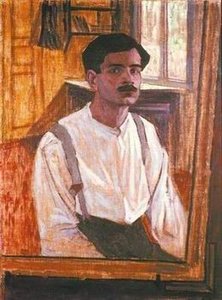
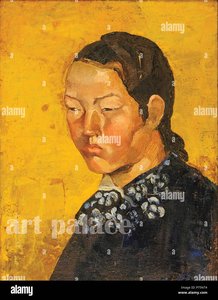
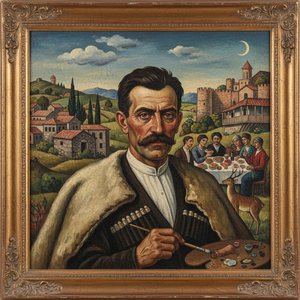
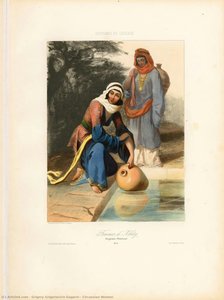
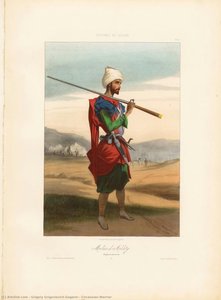
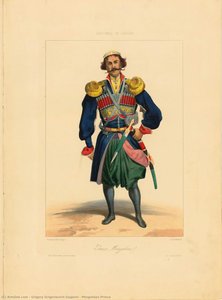
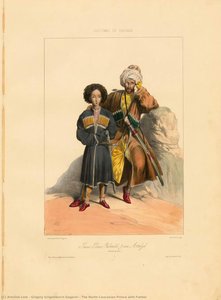
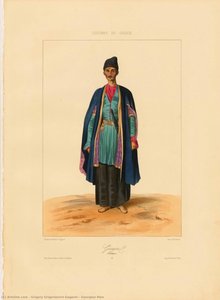
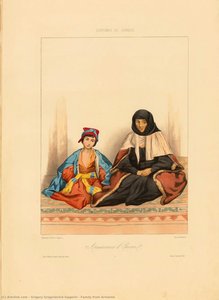
The museum’s strength lies in its multifaceted approach to Georgian artistic heritage. Its curators have painstakingly assembled a diverse array of treasures that illuminate the nation's cultural evolution. Let’s begin with the **Georgian Fine Arts Collection**, comprising approximately 10,000 artworks—a breathtaking panorama of Georgian art spanning from the Renaissance to the avant-garde. Among its most celebrated pieces are portraits depicting theatre actors and directors alongside sketches capturing stage decorations—a visual chronicle of Georgian theatrical tradition. Admire masterpieces by Niko Pirosmani, whose evocative depictions of rural life continue to resonate with viewers today. Then there’s the **Russian Fine Arts Collection**, showcasing representatives of the Russian Silver Age “World of Art” movement like Konstantin Korovin, Lev Bakst, Alexander Benua, Alexander Golovin, and Viktor Simov. These artists skillfully blended European artistic trends with Georgian landscapes—creating a dialogue between cultures that reflects Georgia's historical connections to Russia during the late 19th and early 20th centuries. Explore Cristoforo Castelli’s unique blend of Renaissance style and Georgian landscapes – featuring portraits like Nikoloz Cholokashvili. Furthermore, the **Western European Fine Arts Collection** reveals Georgia’s engagement with artistic currents originating in Venice, Paris, and beyond. These pieces—acquired through Georgian nobility's travels—demonstrate a sophisticated understanding of European aesthetics and intellectual thought. Don’t miss Grigory Gagarin’s captivating depictions of Caucasian peoples – showcasing his masterful technique and artistic vision. Finally, the **Persian Fine Arts Collection** presents four Qajar miniature paintings dating back to the 19th century—a testament to Georgia's fascination with Persian art. Notably, one depicts King Solomon—a symbol of wisdom and majesty—underscoring the museum’s commitment to preserving cultural traditions from across geographical boundaries. Explore Giorgi Eristavi’s iconic theatre works like ‘Sheshlili’ – a cornerstone of Georgian art and culture.

Architectural Marvel: Gothic Meets Islamic Grace

The Art Palace itself is an architectural marvel—a harmonious blend of Gothic and Islamic styles overseen by Polish architect Aleksander Rogojski. Its façade is adorned with intricate carvings and decorative motifs, reflecting the grandeur of Georgian aristocratic taste. The interior spaces are bathed in natural light, creating a serene atmosphere conducive to contemplation and artistic appreciation. Visitors can admire the palace’s soaring ceilings, ornate plasterwork, and stained-glass windows—each element contributing to its distinctive aesthetic character.

A Legacy of Artistic Preservation

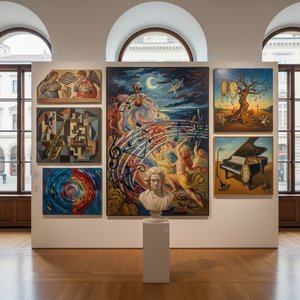
The museum's ongoing reconstruction ensures that this architectural gem—and its invaluable treasures—will continue to inspire generations to come. Exhibitions explore themes ranging from Georgian cinema and theatre to the influence of European art on Georgian culture, fostering intellectual curiosity and appreciation for artistic legacies. Its dedication to safeguarding Georgian cultural heritage extends beyond its impressive collections—making it a truly unforgettable destination for anyone interested in exploring the beauty and complexity of Georgian artistic tradition.