 Vista previa
 Compartir
 Compartir
 Ver detalles

 Descargar
 Ver similares
 Radiografía
 Presentación de diapositivas
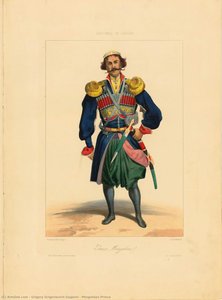
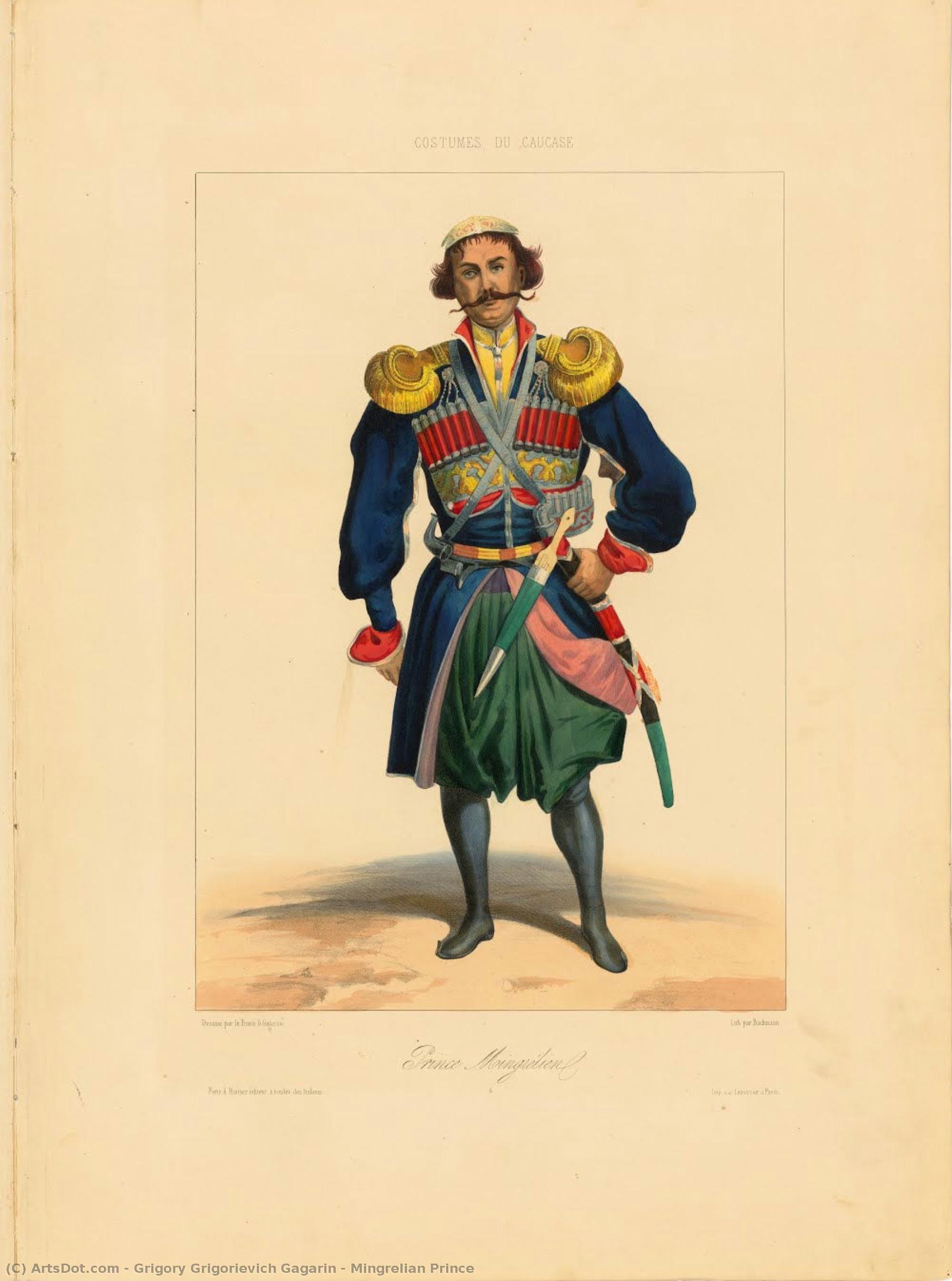
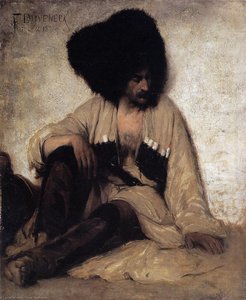
El Príncipe Circasian
 Acrílico sobre lienzo
- Arte de pared
- Romanticism
 1855
1855 59.0 x 42.0 cm
 Palacio de Arte de Georgia – Museo de Historia Cultural
 Leer más
Reproducción al óleo hecha a mano
Óleo sobre lienzo pintado a mano en el tamaño y marco de su elección, realizado por encargo por nuestros artistas. ( Pedir impresión Comprar descarga)




P118B $10

P118H $10

P118W $10

P438Z $10

P508JH $12

P508YH $12

P805H $10

P805Z $10

P919BZ $10

P919G $10

P919XJ $10

P959ZH $10

P968JZ $12

W106C $8

W218G $10

W218JH $8

W218Y $10

W307PJ $10

W316G $10

W316PJ $8

W316Y $10

W398PJ $8

W4111J $10

W500HY $15

W500JH $15

W692G $12

W849H $8

W940BG $15

W953PJ $8




Elija entre nuestros tamaños predefinidos que respetan las proporciones originales de la obra.

Puede ingresar sus propias dimensiones para adaptarse a un marco o espacio específico. Si el tamaño seleccionado no coincide con las proporciones de la imagen original, recortaremos la obra o extenderemos la pintura con elementos adicionales pintados a mano. Se le enviará una maqueta digital para su aprobación antes de comenzar la producción.
Tenga en cuenta que la vista previa en pantalla no refleja el recorte o la extensión reales. Solo la maqueta mostrará con precisión la composición final.
Si bien existen tamaños personalizados, recomendamos seleccionar una dimensión de la lista predefinida para preservar las proporciones originales.
Tras realizar el pedido, el equipo de ArtsDot.com enviará un correo electrónico al cliente para solicitar instrucciones y proporcionarle una vista previa del boceto.
Envío a todo el mundo () en 3-4 semanas en lugar de las 5 semanas estándar. (20 agosto). Sin comprometer la calidad.

Envío exprés gratuito a todo el mundo

Lienzo de lino de alta calidad

Seguro de envío completo

Garantía de reembolso de aranceles aduaneros

Garantía de fidelidad cromática exacta

Política de devolución de 60 días (solo por defectos)

Garantía de devolución del 100% del dinero

Oferta por volumen
 La opción de vidrio solo está disponible en tamaños inferiores a 110 cm.

El Príncipe Circasian
Técnica de reproducción
Tamaño de la reproducción
-


Precio total
$ 263
Descripción de la obra
Mingrelian Prince - Grigory Gagarin: A Portrait of Caucasus Identity
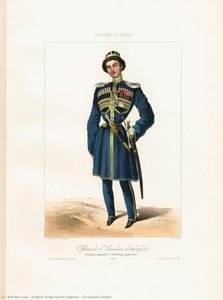
Grigory Grigorievich Gagarin (1810-1893), a Russian painter, diplomat and administrator, stands as a pivotal figure in 19th-century Russian art, particularly renowned for his captivating depictions of Caucasian peoples. Born in Saint Petersburg to the noble Rurikid princely family, Gagarin’s artistic journey began with private lessons from Karl Briullov, establishing him on a path toward mastering Romanticism's expressive ideals. His oeuvre transcends mere representation; it embodies an attempt to capture not just physical likeness but also the spirit and cultural nuances of the Caucasus region—a landscape brimming with diverse traditions and histories.- Subject Matter: Gagarin’s “Caucasian Prince” portrays a man in military uniform, embodying authority and resilience against the backdrop of mountainous terrain. This figure isn't merely an individual; he represents a broader category – Caucasian nobility—a deliberate choice reflecting the artist’s fascination with documenting regional cultures.
- Style & Technique: Gagarin employed oil paints on canvas, utilizing meticulous brushwork to achieve textural depth and luminosity. His style leans heavily into Romanticism's emphasis on emotion and dramatic lighting, creating an atmosphere that conveys both grandeur and vulnerability. The artist’s attention to detail—evident in the rendering of clothing textures and facial expressions—demonstrates a commitment to realism tempered by artistic interpretation.
- Historical Context: Gagarin’s work emerged during Mikhail Vorontsov's governorship over Tiflis (modern Tbilisi), Georgia, a period marked by Russian imperial expansion into the Caucasus. The artist’s involvement in monumental projects like the Tbilisi Sioni Cathedral and the restoration of ancient Georgian churches underscores his role as a cultural ambassador for Russia within this transformative era.
- Symbolism: Beyond mere portraiture, Gagarin's paintings carry symbolic weight. The mountainous landscape serves as a metaphor for strength and permanence, mirroring the enduring traditions of Caucasian communities. Furthermore, the military uniform symbolizes duty and honor—values central to Russian aristocratic culture during Gagarin’s lifetime.
- Emotional Impact: Viewing “Caucasian Prince” evokes contemplation on identity, heritage, and the complexities of cultural exchange. Gagarin's masterful technique captures not only visual accuracy but also a palpable sense of character—a man imbued with dignity and bearing witness to history.
The Art Palace of Georgia: A Legacy Preserved
“Sketches and Drawings of Caucasian People,” meticulously documented by Alexander Duma, offer invaluable insight into Gagarin’s artistic process and his profound engagement with Georgian culture. These preparatory studies reveal the artist's dedication to capturing the essence of regional life—from portraits of prominent figures to detailed depictions of landscapes and architectural elements. The Art Palace of Georgia houses a remarkable collection of these drawings, safeguarding a tangible connection to Gagarin’s groundbreaking contribution to Russian art history.Beyond Technique: Capturing Essence
Gagarin's artistic brilliance lies not solely in his technical prowess but also in his ability to convey emotion and narrative within his canvases. Like “The Tale of Tsar Saltan,” Gagarin skillfully blended realism with imaginative storytelling, demonstrating a sensitivity to literary conventions that elevated his paintings beyond mere visual representations. His work stands as a testament to the Romantic spirit—a desire to explore profound themes of human experience and cultural heritage.A Continuing Influence: Reverberations in Contemporary Art
Gagarin’s legacy continues to inspire artists today, particularly those interested in exploring regional identities and capturing the beauty of natural landscapes. His meticulous observation and expressive brushwork serve as a model for conveying complex emotions through visual media—a tradition that resonates powerfully with modern artistic sensibilities. Exploring Gagarin's oeuvre offers a captivating glimpse into the formative years of Russian Romanticism and its enduring impact on art history.Obras relacionadas
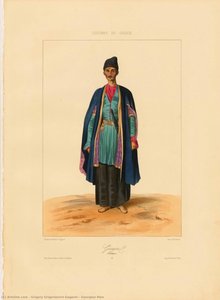
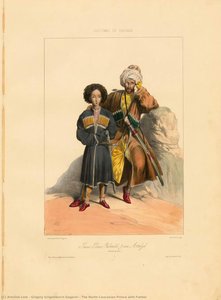
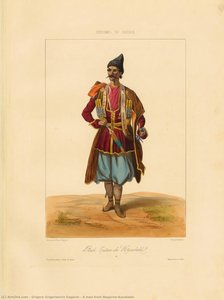
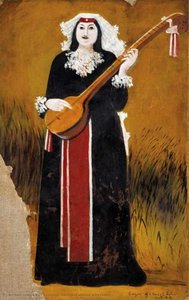
Biografía del artista
Early Life and Education
Grigory Grigorievich Gagarin (1810 – 1893), a Russian painter, major general, and administrator, was born in Saint Petersburg to the noble Rurikid princely Gagarin family. His father, Prince Grigory Ivanovich Gagarin (Saint Petersburg, March 29 April 1782 – Tegernsee, February 12 1837), served as a Russian diplomat in France and later as ambassador to Italy. Despite lacking formal artistic training, Gagarin received instruction from Karl Briullov, a celebrated Russian painter who resided in Italy during his formative years. This mentorship profoundly shaped his artistic sensibilities and established him on the path toward mastering the techniques of Romantic painting.Artistic Career and Notable Works
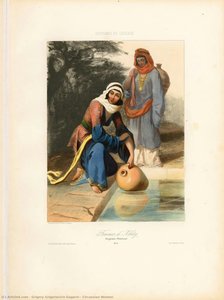
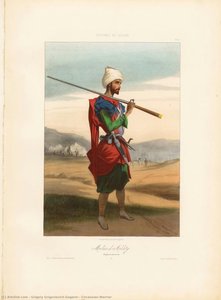
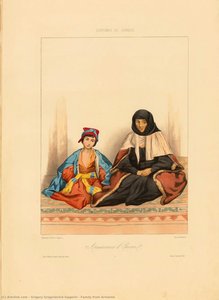
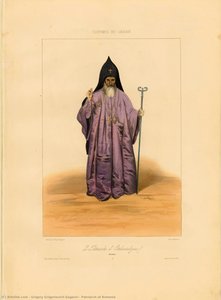
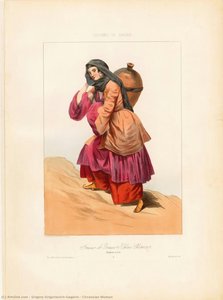
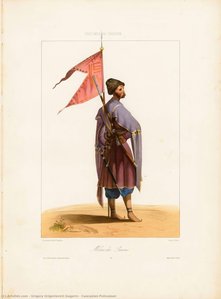
Gagarin’s artistic career flourished alongside his involvement in literary circles, notably collaborating with Alexander Pushkin and Mikhail Lermontov. He meticulously illustrated Pushkin's masterpieces— “The Queen of Spades” and “The Tale of Tsar Saltan”—capturing the essence of Romantic drama and poetic vision. Among his most enduring achievements are portraits depicting Caucasian peoples: "Caucasian Prince" (59 x 42 cm) and "Circassian Woman" (59 x 42 cm), commissioned by the Georgian Art Palace, which exemplify his dedication to documenting regional cultures with artistic precision. Furthermore, Gagarin’s depictions of Armenian priests ("A Priest from Armenia") and Kurds from Ararat (“Kurds from Ararat”) showcase his ability to convey nuanced expressions of human emotion and cultural identity. His portrait “Georgian Man” (59 x 42 cm) stands as a testament to his skill in portraying individual character with sensitivity and artistic finesse.Military Service and Diplomatic Engagement
Beyond his artistic pursuits, Gagarin distinguished himself as a military officer and diplomat. He served as ambassador to Paris, Rome, and Constantinople, demonstrating unwavering commitment to Russia’s interests on the international stage. His tenure in Munich further broadened his horizons and exposed him to diverse cultural influences. Notably, he participated in the Crimean War, producing numerous watercolors that documented the realities of conflict while simultaneously reflecting his artistic vision. Gagarin's diplomatic career underscored his intellectual curiosity and his ability to navigate complex political landscapes with grace and erudition.Legacy and Recognition
Grigory Gagarin’s contribution to Russian art and culture remains significant. His paintings—particularly those portraying Caucasian peoples—offer invaluable insights into the Romantic era’s fascination with exotic locales and ethnographic observation. He is remembered as a multifaceted figure who seamlessly blended artistic creativity with scholarly pursuits and public service, leaving an indelible mark on 19th-century Russia. His works are housed in prominent museums across Europe and Russia, ensuring that his artistic legacy continues to inspire admiration and study for generations to come.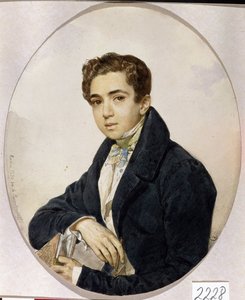
Grigori Gagarin
1810 - 1893 , Rusia
Datos clave
- Artistic Movement Or Style: Romanticismo
- Artists Who Influenced This Artist: ['Karl Briullov']
- Date Of Birth: Mayo 29 abril 1810
- Date Of Death: Enero 30 enero 1893
- Full Name: Grigory Grigorievich Gagarin
- Nationality: Ruso
- Notable Artworks:
- El príncipe Caucaso
- La mujer Circassia
- Un sacerdote Armenia
- Kurdo Ararat
- Hombre Georgio
- Place Of Birth: San Petersburgo, Rusia
Artículos relacionados
Ivan Bilibin: A Synthesis of Folklore, Modernism & National Identity in Russian Illustration
Explore the enchanting world of Ivan Bilibin, a master Russian illustrator who synthesized folklore, Art Nouveau & national identity. Discover his iconic fairy tale illustrations and legacy with ArtsDot.
Victor Vasnetsov: Myth, Nationalism & the Revival of Russian Fairy Tale Painting
Explore the captivating world of Victor Vasnetsov, a co-founder of Russian folklorist painting. Discover his iconic works, influence on national identity, and lasting legacy in this expert guide.
Alexei Bogolyubov: Bridging Realism & Romanticism in the Russian Landscape Tradition
Explore the captivating world of Alexei Bogolyubov, a master of Russian Realism & Romanticism. Discover his stunning landscapes, maritime scenes, and lasting influence on 19th-century art. Learn more at ArtsDot.
Vladimir Makovsky: Realism, Social Commentary & Russian Life in Late 19th-Century Painting
Explore the captivating world of Vladimir Makovsky, a leading Russian realist painter. Discover his insightful depictions of 19th-century life, social commentary & legacy with ArtsDot.
Mikhail Nesterov: Spiritual Quests & Symbolic Landscapes of Russian Symbolism
Explore the captivating world of Mikhail Nesterov, a pioneer of Russian Symbolism. Discover his spiritual themes, iconic paintings like 'The Hermit,' and lasting influence on Russian art history. Learn more at ArtsDot.