

 プレビュー
プレビュー
 プリントを購入
 シェアする
シェアする シェアする
シェアする
 詳細を見る
詳細を見る

 ダウンロード
 似ている作品
 X線調査
X線調査 スライドショー
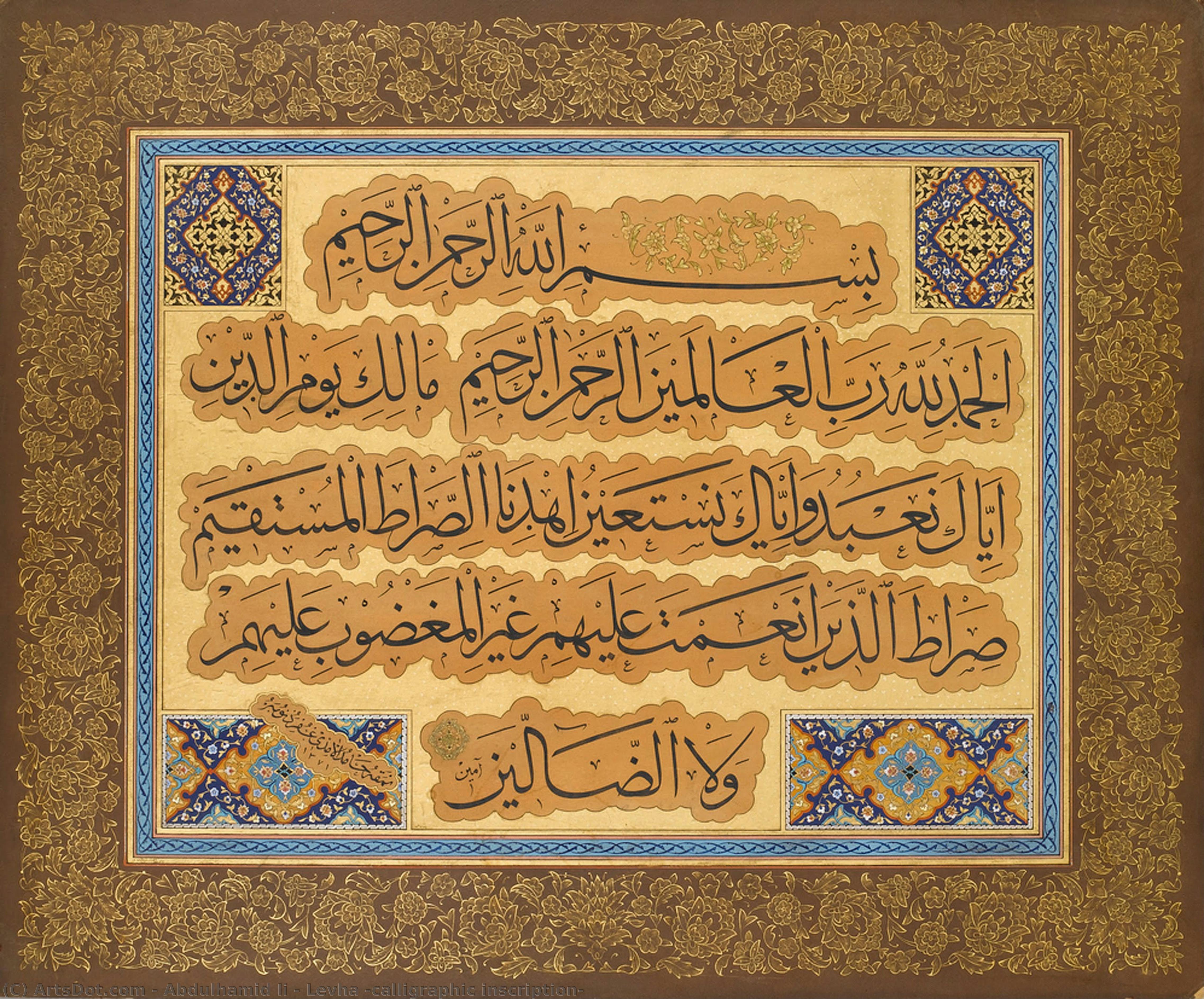
Levha (calligraphic inscription)


 詳細を見る
詳細を見る




P118B $10

P118H $10

P118W $10

P438Z $10

P508JH $12

P508YH $12

P805H $10

P805Z $10

P919BZ $10

P919G $10

P919XJ $10

P959ZH $10

P968JZ $12

W106C $8

W218G $10

W218JH $8

W218Y $10

W307PJ $10

W316G $10

W316PJ $8

W316Y $10

W398PJ $8

W4111J $10

W500HY $15

W500JH $15

W692G $12

W849H $8

W940BG $15

W953PJ $8




作品のオリジナル比率に合わせた、当店の規定サイズからお選びください。

特定のフレームやスペースに合わせて、ご希望のサイズをご入力いただけます。選択されたサイズが元の画像の比率と異なる場合、アートワークをトリミングするか、手描きで要素を追加して絵画を拡張いたします。デジタルモックアップ を制作し、制作開始前にご確認(承認)をいただきます。
画面上のプレビューは、実際のトリミングや拡張を正確に反映しているものではありません。最終的な構図は、モックアップによってのみ正確にご確認いただけます。
カスタムサイズもご利用いただけますが、元の比率を維持するためには、あらかじめ用意されたリストからサイズを選択することをお勧めいたします。
ご注文後、ArtsDot.com チームより詳細な指示をお送りするとともに、仕上がりイメージ(モックアップ)をご提供いたします。


 ガラスオプションは、110cm未満のサイズでのみご利用いただけます。

Levha (calligraphic inscription)
複製技法
複製画のサイズ
-


合計金額
$ 263
作品解説
The Elegance of the Written Word
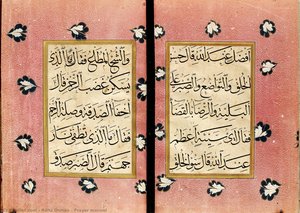
In the quiet corridors of the Sakıp Sabancı Museum in Istanbul, there exists a piece that transcends mere decoration, inviting the viewer into a meditative state through the rhythmic beauty of script. Levha (calligraphic inscription) is not simply a painting; it is a profound dialogue between ink and soul. Created in 1951, this work serves as a breathtaking testament to the enduring power of Islamic calligraphy, where every stroke of the pen carries the weight of tradition and the grace of divine expression. The composition focuses on the intricate dance of Arabic lettering, where the fluid movement of the characters creates a visual melody that captivates the eye and settles the spirit.
The artistry of this piece lies in its ability to transform language into pure form. As one observes the delicate curves and sharp terminals of the calligraphy, the distinction between reading and seeing begins to blur. The technique employed here emphasizes the structural integrity of the script, utilizing a balanced arrangement that directs the viewer's gaze across the 70 x 59 cm surface in a continuous, flowing motion. For the discerning collector or interior designer, this work offers a sophisticated focal point, bringing an air of historical prestige and intellectual depth to any curated space.
A Legacy of Ottoman Artistry
To understand the soul of this inscription, one must look toward its creator and the rich cultural tapestry from which it emerged. While the piece itself dates to 1951, it is deeply rooted in the aesthetic values championed by Abdulhamid II. As the 34th Sultan of the Ottoman Empire, Abdulhamid II was far more than a political figure; he was a monumental patron of the arts whose reign fostered a period of immense cultural flourishing. His passion for preserving the historical and spiritual narrative of the empire ensured that the traditions of calligraphy remained at the forefront of Ottoman identity.
The historical context of this work evokes a sense of continuity, bridging the gap between the imperial grandeur of the late 19th century and the mid-20th-century preservation of these sacred arts. The inscription acts as a bridge through time, carrying the echoes of an era where art was inseparable from faith and statehood. For those seeking to adorn their homes with a reproduction of this piece, it offers more than just aesthetic pleasure; it provides a tangible connection to the storied history of Istanbul and the sophisticated legacy of Ottoman craftsmanship.
Atmospheric Grace for Modern Interiors
Integrating a work like Levha into a contemporary interior design scheme requires an appreciation for balance and texture. The piece possesses a unique versatility, functioning as both a subtle accent in a minimalist setting and a commanding centerpiece in a more opulent, classical room. Its monochromatic or limited color palette—typical of high-quality calligraphic works—allows it to harmonize with various textures, from smooth marble surfaces to rich, heavy velvets.
The emotional impact of the calligraphy is one of profound serenity. In an age characterized by visual noise and digital distraction, the rhythmic, repetitive nature of the script offers a sanctuary of stillness. It invites contemplation, making it an ideal selection for libraries, study halls, or quiet corners of a residence intended for reflection. Owning a high-quality reproduction of this masterpiece allows one to curate an environment that celebrates the intersection of historical reverence and timeless elegance, ensuring that the spirit of Ottoman artistry continues to breathe within modern living spaces.
関連作品


アーティストの略歴
early life and reign
abdulhamid ii, the 34th sultan of the ottoman empire, was born in constantinople (modern-day istanbul) in 1842. his reign, which lasted from 1876 to 1909, marked a period of significant cultural and artistic flourishing. despite facing numerous challenges, including rebellions and wars, abdulhamid ii's legacy extends beyond his political accomplishments.artistic patronage
abdulhamid ii was an ardent patron of the arts, commissioning works from renowned artists of his time. one notable example is fausto zonaro, an 18th-century realist artist, who painted mehmed ii enters constantinople through the adrianople gate (https://ArtsDot.com/@@/9dgsbp). this painting not only showcases zonaro's skill but also highlights abdulhamid ii's interest in preserving the ottoman empire's historical narrative.artistic influences and notable works
abdulhamid ii's court attracted artists from various backgrounds. jean baptiste vanmour's the reis effendi, head of the chancery (https://ArtsDot.com/@@/d377ml) is another example of the sultan's patronage. this painting, created between 1727 and 1730, demonstrates vanmour's ability to capture the essence of ottoman bureaucracy.- abu al-thanā’ shihāb ad-dīn sayyid maḥmūd ibn ‘abd allāh al-ḥusaynī al-ālūsī al-baghdādī's levha (calligraphic inscription) (https://ArtsDot.com/@@/d4k4fb) showcases the sultan's appreciation for calligraphy and islamic art.
- hüseyin zekai pasha's still life with roses (https://ArtsDot.com/@@/d4k6g2) demonstrates the sultan's support for emerging artists, as seen in this oil on canvas piece.
- the sakıp sabancı museum (https://ArtsDot.com), which houses many of these artworks, is a testament to abdulhamid ii's enduring legacy in the art world.
legacy and impact
abdulhamid ii's reign may have been marked by decline and eventual deposition, but his influence on ottoman art and culture remains indisputable. through his patronage, he ensured that the empire's artistic heritage would endure long after his time. his legacy serves as a reminder of the intricate relationship between politics, art, and history. explore more about abdulhamid ii and the ottoman empire's artistic treasures on ArtsDot.
abdulhamid ii
1842 - 1918 , Turkey
基本情報
- Artistic Movement Or Style: Orientalist Painting
- Artists Or Movements Influenced By This Artist: ['Fausto Zonaro']
- Artists Who Influenced This Artist: ['Jean Baptiste vanmour']
- Date Of Birth: September 21, 1842
- Date Of Death: February 10, 1918
- Full Name: Abdulhamid II
- Nationality: Ottoman
- Notable Artworks:
- Mehmed II enters Constantinople through the Adrianople Gate
- The Reis Effendi
- Levha
- Place Of Birth: Constantinople (Turkey)
関連記事
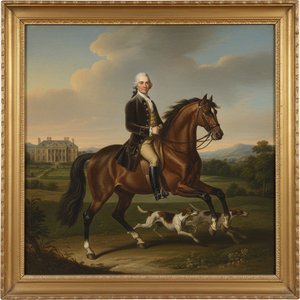
John Francis Sartorius II: Equestrian Elegance & the Rise of British Portraiture
Explore the captivating world of Francis Sartorius II (1734-1804), a leading British painter renowned for his exquisite equestrian portraits and hunting scenes. Discover his life, techniques & enduring legacy.
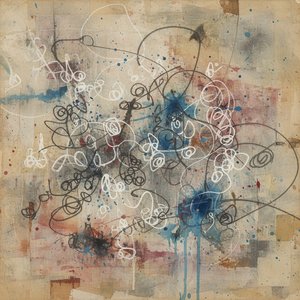
Cy Twombly: Scribbles of Emotion – Deconstructing Post-War Expressionism Through Calligraphy & Abstraction
Explore the captivating world of Cy Twombly with ArtsDot. Discover the emotional depth & artistic significance behind his abstract calligraphy. Expert insights for collectors.

Titian Ramsay Peale II: A Legacy of Botanical Precision & Artistic Innovation
Explore the life & art of Titian Ramsay Peale II, a master of botanical precision and wildlife painting. Discover his legacy bridging art & natural history at ArtsDot.

アンリ・マティスの傑作25選:色彩と情熱の軌跡|ArtsDot
アンリ・マティスの傑作25選🎨 色彩と情熱が織りなす世界を旅する。フォーヴィスム代表の巨匠、マティスの絵画の魅力と歴史を紐解きます。ArtsDotで高品質なアートプリントや複製画を見つけ、インテリアに芸術的な輝きを✨ Explore the full collection online
David Teniers II: Master of Flemish Genre & Social Commentary
Explore the captivating world of David Teniers II, a leading Flemish Baroque painter renowned for his lively genre scenes & insightful social commentary. Discover his masterpieces and legacy with ArtsDot.

