

 プレビュー
プレビュー
 プリントを購入
 シェアする
シェアする シェアする
シェアする
 詳細を見る
詳細を見る

 ダウンロード
 似ている作品
 X線調査
X線調査 スライドショー
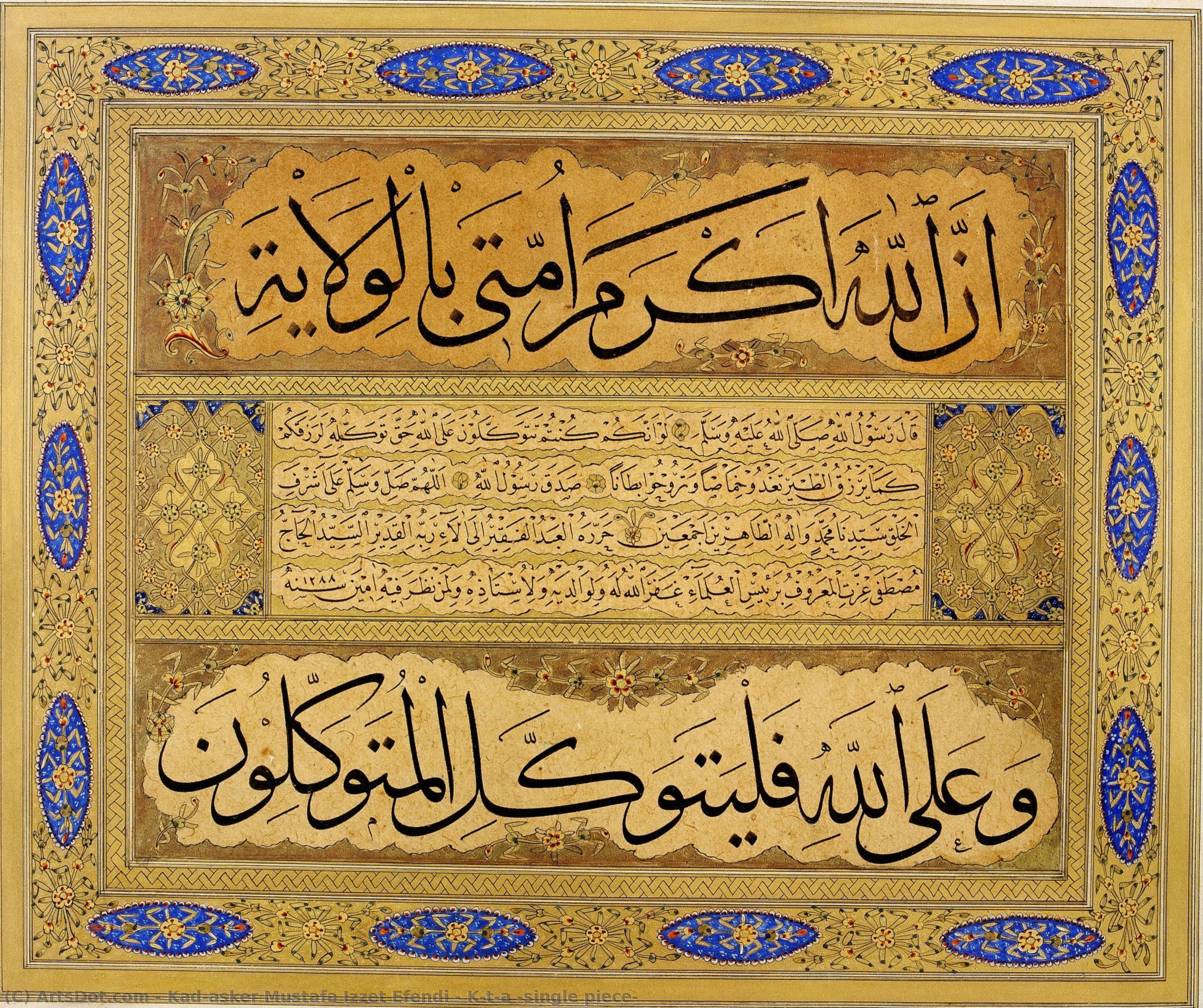
Kıt’a (single piece)
 Ink
Ink- WallArt
- Islamic Calligraphy
 1871
1871- 19th Century
 26.0 x 21.0 cm
 Sakıp Sabancı Museum
 詳細を見る
詳細を見る




P118B $10

P118H $10

P118W $10

P438Z $10

P508JH $12

P508YH $12

P805H $10

P805Z $10

P919BZ $10

P919G $10

P919XJ $10

P959ZH $10

P968JZ $12

W106C $8

W218G $10

W218JH $8

W218Y $10

W307PJ $10

W316G $10

W316PJ $8

W316Y $10

W398PJ $8

W4111J $10

W500HY $15

W500JH $15

W692G $12

W849H $8

W940BG $15

W953PJ $8




作品のオリジナル比率に合わせた、当店の規定サイズからお選びください。

特定のフレームやスペースに合わせて、ご希望のサイズをご入力いただけます。選択されたサイズが元の画像の比率と異なる場合、アートワークをトリミングするか、手描きで要素を追加して絵画を拡張いたします。デジタルモックアップ を制作し、制作開始前にご確認(承認)をいただきます。
画面上のプレビューは、実際のトリミングや拡張を正確に反映しているものではありません。最終的な構図は、モックアップによってのみ正確にご確認いただけます。
カスタムサイズもご利用いただけますが、元の比率を維持するためには、あらかじめ用意されたリストからサイズを選択することをお勧めいたします。
ご注文後、ArtsDot.com チームより詳細な指示をお送りするとともに、仕上がりイメージ(モックアップ)をご提供いたします。


 ガラスオプションは、110cm未満のサイズでのみご利用いただけます。

Kıt’a (single piece)
複製技法
複製画のサイズ
-


合計金額
$ 263
作品解説
A Symphony of Script and Gold
In the delicate dance of 19th-century Ottoman artistry, few works capture the spiritual and aesthetic harmony of the era as intimately as Kıt’a. Created in 1871 by the master Kadıasker Mustafa İzzet Efendi, this single-piece masterpiece serves as a profound testament to the power of calligraphy. The artwork presents a mesmerizing field of luminous yellow, acting as a celestial stage for the fluid, rhythmic movement of Arabic script. Blue accents are scattered across the composition like fragments of a twilight sky, providing a cool, structural contrast to the warmth of the background. This interplay of color and line does more than merely present text; it creates a visual melody that resonates with the soul of the viewer.
The technique employed by Mustafa İzzet Efendi reflects his unparalleled mastery of the sülüs and naskh scripts. As a renowned composer and ney player, the artist approached the pen with the same precision and breath control required for musical performance. Every stroke of the cursive lettering possesses a lyrical quality, where the weight of the ink varies with an intentional, rhythmic grace. The way the blue accents dance around the golden expanse suggests a sense of cosmic order, transforming a piece of written word into a meditative experience. For the collector, this work offers a rare glimpse into the refined elegance of the Ottoman imperial court, where calligraphy was considered the highest form of visual devotion.
Historical Resonance and Interior Elegance
To possess a reproduction of Kıt’a is to invite a piece of history into the modern living space. Mustafa İzzet Efendi was not merely an artist but a statesman and scholar whose calligraphic legacy can be found in the world's most iconic monuments, from the Hagia Sophia to the Washington Monument. This specific work, dating from 1871, carries the weight of a vanishing era—a time when art, theology, and music were inextricably linked. The piece embodies the "Rûmi" spirit, blending intellectual depth with aesthetic splendor, making it an ideal focal point for those who appreciate art with a profound historical narrative.
- Visual Impact: The vibrant yellow and deep blue palette provides a sophisticated pop of color that complements both contemporary minimalist interiors and classic, opulent decor.
- Emotional Depth: The flowing, organic nature of the script evokes feelings of tranquility, mindfulness, and spiritual connection.
- Design Versatility: Due to its intimate size of 26 x 21 cm, this piece serves as a perfect accent for curated gallery walls, study alcoves, or as a standalone statement in a reading nook.
For interior designers and art enthusiasts alike, Kıt’a represents more than just decoration; it is an invitation to contemplation. It bridges the gap between the ancient traditions of the East and the sophisticated tastes of the modern collector. Whether placed in a sunlit foyer or a quiet library, this reproduction brings with it the enduring prestige of the Ottoman masters, offering a timeless elegance that transcends borders and centuries.
関連作品
アーティストの略歴
early life and education
kadıasker mustafa izzet efendi, also known as seyyid mustafa, was a renowned ottoman composer, neyzen, poet, and statesman born in tosya, ottoman empire in 1801. his mother, of the rûmiyya branch of the kādiriyye order, sent him to istanbul for education after his father's death.career and contributions
mustafa izzet efendi's career spanned multiple disciplines, but he is best known for his calligraphy. he studied islamic theology, science, and music, becoming an accomplished ney player and singer. his time at the imperial court, where he learned sülüs and naskh scripts, certified by moustafa wâsif, laid the foundation for his future contributions.- he developed refined versions of sülüs and naskh scripts, building upon the work of hâfiz osman, celaleddin, and râkim.
- his calligraphic inscriptions can be found in public buildings and mosques, including hagia sophia and the washington monument.
- notable students include mehmet şefik, şefik bey, abdullah zuhdi effendi, muhsinzade abdullah bey, and hasan riza effendi.
artistic legacy
mustafa izzet efendi's artistic legacy extends beyond his calligraphy. he composed numerous songs, both religious and non-religious, and was a collector of manuscripts. his son, ata bey, continued to collect manuscripts after his passing.museums and collections
mustafa izzet efendi's work can be found in various museums, including the sakıp sabancı museum (istanbul, türkiye), which houses several of his calligraphic pieces. explore kadıasker mustafa izzet efendi's artworks on ArtsDot.comreferences
kadıasker mustafa izzet efendi
1801 - 1876 , Turkey
基本情報
- Artistic Movement Or Style: Hudson River School
- Artists Or Movements Influenced By This Artist: ['Hudson River School']
- Artists Who Influenced This Artist: ['Francis Wheatley']
- Date Of Birth: February 1, 1801
- Date Of Death: February 11, 1848
- Full Name: Thomas Cole
- Nationality: American
- Notable Artworks:
- The Titan's Goblet
- The Course of Empire
- The Oxbow
- The Voyage of Life
- Place Of Birth: Bolton-le-Moors, England
関連記事

Slate Blue Masterpieces: 10 Iconic Paintings & Timeless Home Decor Ideas
Immerse yourself in the captivating world of slate blue! Explore 10 iconic paintings by Monet, Van Gogh & Renoir. Discover their stories, techniques & find museum-quality art reproductions for your home at .
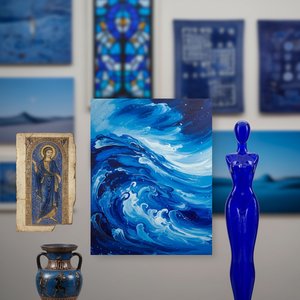
The Allure of Azure: Exploring the Symbolic & Aesthetic Depths of Blue in Art History
Explore the rich history of blue in art! Discover its symbolism, from ancient pigments to modern masterpieces by Kandinsky & Seurat. Uncover the psychological impact and cultural meanings behind this captivating hue.

Golden Hues: 10 Masterpieces Dominated by Chrome Yellow | ArtsDot
Immerse yourself in golden light! Explore 10 famous paintings dominated by 'Chrome Yellow', from Van Gogh’s Sunflowers to Monet's Haystacks. Discover the stories behind these iconic Impressionist & Post-Impressionist masterpieces and find museum-quality art reproductions at ArtsDot.com.

The Golden Hue: Exploring Symbolism & Emotion in Yellow Art
Explore the rich symbolism & emotional power of yellow in art history! From Van Gogh to Kandinsky, discover how artists used this vibrant hue. Expert analysis & high-quality reproductions at ArtsDot.
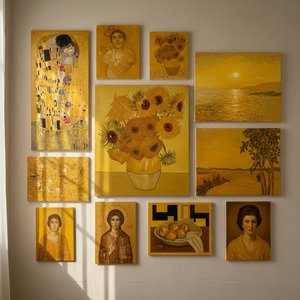
Golden Hues: Top 10 Paintings Dominated by Yellow Ochre |
Explore 10 iconic paintings bathed in golden yellow ochre! From Van Gogh's sunflowers to Monet’s haystacks, discover the stories behind these masterpieces. Find museum-quality art reproductions & elevate your home decor on .

