

 プレビュー
プレビュー
 シェアする
シェアする シェアする
シェアする
 詳細を見る
詳細を見る

 ダウンロード
 似ている作品
 X線調査
X線調査 スライドショー
 統計情報
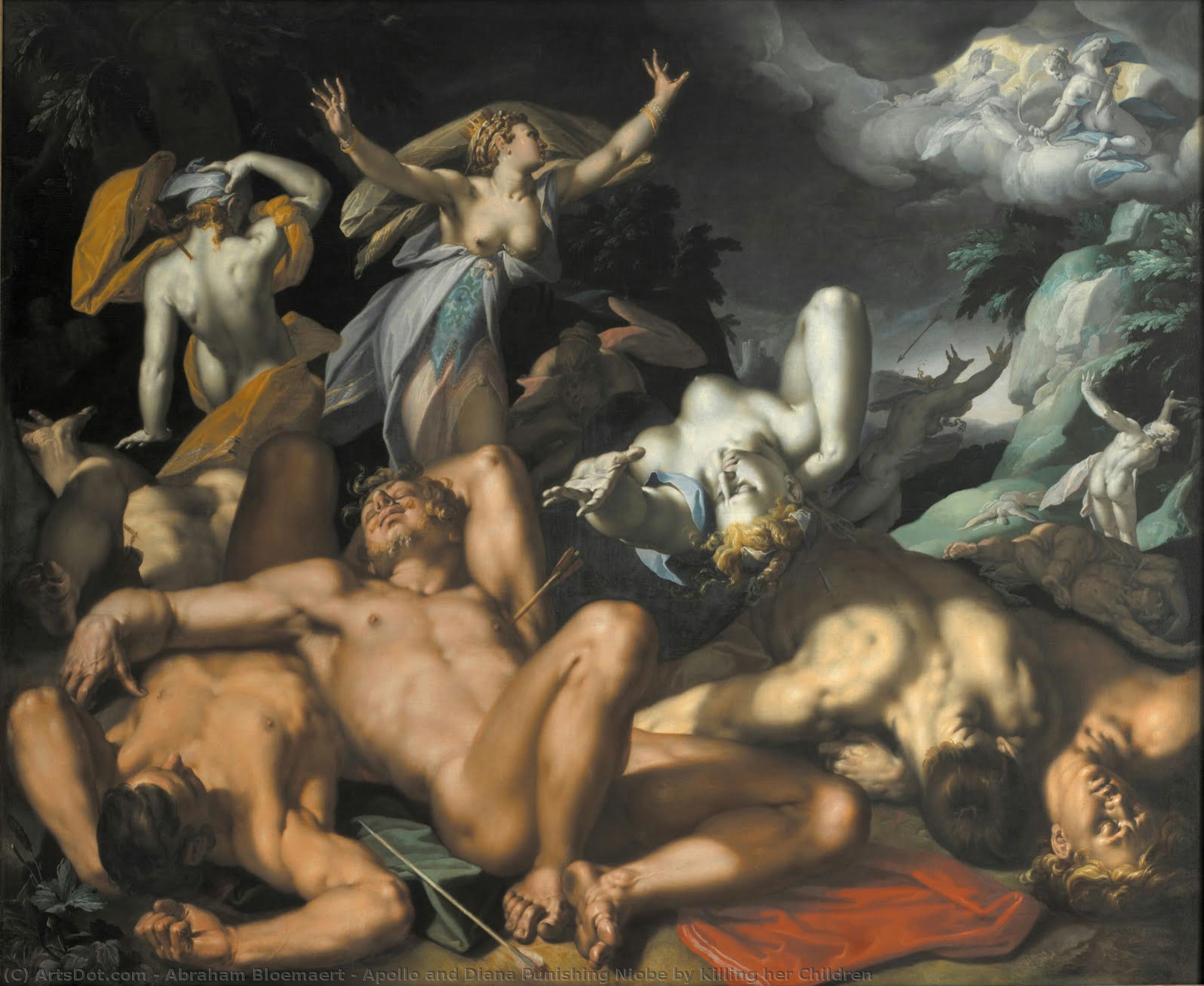
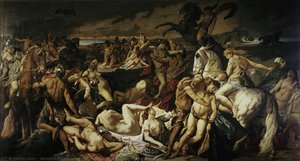
統計情報Apollo and Diana Punishing Niobe by Killing her Children
 Oil On Canvas
- WallArt
- Haarlem Mannerism
 1591
1591 249.0 x 203.0 cm
 National Gallery of Denmark
 詳細を見る
詳細を見る
オンラインプレビューをはるかに凌ぐ、高解像度で鮮明なデジタル画像をご購入いただけます。
各ファイルは、社内の専門家が高度なツールと熟練した手作業によるレタッチを用いて、細心の注意を払って準備されています。すべての画像において、卓越した鮮明度、正確な色彩再現性、そして繊細なディテールを保証いたします。
最終ファイルは、プロフェッショナルな編集・印刷環境ですぐにご利用いただけるよう最適化された状態で、72時間以内にメールにてお届けいたします。これは、一流のデザインスタジオ、出版社、ギャラリーから信頼されているものと同等の品質です。
デジタルアート
個人での鑑賞、印刷、クリエイティブなプロジェクト用に、高解像度ファイルをダウンロードできます。 ( プリント版に切り替え 手描きの絵画を購入)
デジタル画像のご注文に付随する特典
高品質なデジタル画像配信を、確かな品質で。
ArtsDot.com を選ぶことは、単に画像を手に入れることではありません。それは、プロの手によって精密に仕上げられ、満足保証が付いた高品質なデジタルアートワークを受け取ることを意味します。ご注文いただいた際に自動的に付随する内容は、以下の通りです:

メールですぐにお届け
ご注文から72時間以内に、高解像度のデジタル画像ファイルがメールでお手元に届きます。すぐにそのままご利用いただけます。

AI技術で最適化されたデジタルファイル
お客様の作品は、高度なAIツールと専門家による手作業の編集を組み合わせてプロフェッショナルに最適化されており、細部のディテール、鮮明さ、そして正確な色再現性を最大限に引き出しています。

一生涯無料の再送サービス
ファイルを誤って削除したり、紛失してしまったりしましたか?ご安心ください。いつでも無料で再送いたします。

輸入手数料は一切かかりません
関税や手数料、配送料を気にすることなく、お気に入りのアートワークをすぐにお楽しみいただけます。デジタルダウンロードは常に免税です。

色彩再現の保証
プロ仕様のツールとカラーマネジメント技術を用いることで、デジタル画像が元の色を最大限に忠実に再現することを保証いたします。

100日間満足保証
ご購入いただいたデジタル画像にご満足いただけない場合は、100日以内であれば、理由を問わず修正または100%の返金対応をさせていただきます。

100% 返金保証
ご満足いただけない場合は、デジタルファイルを受け取ってから100日以内であれば、理由を問わず全額返金いたします。

まとめ買い割引
3枚購入で10%OFF - 5枚購入で15%OFF - 10枚以上購入で20%OFF。クリエイティブなプロジェクト、ギャラリー、エージェンシーに最適です。
A Tempestuous Vision: Abraham Bloemaert’s “Apollo and Diana Punishing Niobe”
Abraham Bloemaert's "Apollo and Diana Punishing Niobe by Killing her Children," painted in 1591, is not merely a depiction of a classical myth; it’s a visceral exploration of grief, divine retribution, and the devastating consequences of hubris. This monumental oil on canvas, measuring an impressive 249 x 203 cm, pulsates with dramatic intensity, showcasing Bloemaert's mastery of chiaroscuro – the skillful manipulation of light and shadow – to create a scene brimming with both terror and profound sorrow. The painting immediately commands attention through its scale and the sheer force of its composition; it’s a theatrical tableau designed to overwhelm the viewer.
Bloemaert, working at the cusp of the Mannerist and Baroque periods in Haarlem, inherited a rich artistic legacy from his mentor, Cornelis van Haarlem. However, Bloemaert swiftly established his own distinctive style, characterized by an almost obsessive attention to detail and a willingness to distort perspective for dramatic effect. This is particularly evident here, where figures are rendered with unsettlingly elongated limbs and contorted poses, conveying the chaos and horror of the event unfolding before us. The artist’s deep understanding of anatomy is juxtaposed against this deliberate exaggeration, creating a compelling tension between realism and theatricality.
The Mythic Core: Niobe's Tragic Fate
The painting draws upon Ovid’s *Metamorphoses*, recounting the tale of Niobe, a queen renowned for her vanity. She boasted that she had more children than the goddess Leto (mother of Apollo and Diana). Enraged by this audacious claim, the twin gods unleashed a devastating plague upon Niobe's offspring, leaving her to mourn the loss of her seven sons and seven daughters. The scene depicted is the moment of their demise – Apollo and Diana raining down arrows from the clouds, while Niobe, consumed by grief, cradles the lifeless bodies of her children.
The symbolism woven throughout the painting is rich and layered. Niobe herself embodies excessive pride (hubris), a fatal flaw that ultimately leads to her downfall. The scattered limbs of her children represent innocence brutally extinguished, while the radiant figures of Apollo and Diana symbolize divine justice – albeit delivered with merciless efficiency. The stark contrast between the cold, detached expressions of the gods and the raw anguish on Niobe’s face underscores the tragic nature of the event.
A Masterclass in Technique: Bloemaert's Dramatic Palette
Bloemaert’s technical skill is immediately apparent in the painting’s masterful use of color. He employs a dramatic palette dominated by cool blues and purples, reflecting the somber mood of the scene. These are sharply contrasted with bursts of fiery orange and red emanating from the arrows of Apollo and Diana, creating a dynamic interplay of light and shadow that intensifies the drama. The artist’s meticulous attention to detail is evident in every brushstroke – from the delicate folds of Niobe's garments to the intricate patterns on her skin.
Furthermore, Bloemaert expertly utilizes *sfumato*, a technique popularized by Leonardo da Vinci, to soften edges and create an atmospheric haze that envelops the scene. This blurring effect adds to the sense of unease and disorientation, immersing the viewer in the tragedy unfolding before them. The composition itself is carefully constructed – figures are arranged in a pyramidal structure, drawing the eye towards Niobe’s central position and emphasizing her vulnerability.
Echoes of Haarlem Mannerism & Beyond
Bloemaert's work stands as a pivotal moment in the evolution of Dutch painting. He closely emulated the style of Cornelis van Haarlem, particularly his penchant for dramatic lighting and complex compositions. However, Bloemaert pushed these stylistic elements to new extremes, forging a unique artistic voice that anticipated the Baroque period. The original intention was for this piece to be presented to Rudolph II in Prague, a patron known for his appreciation of Mannerist art. This connection highlights the painting’s place within a broader European artistic context.
Today, “Apollo and Diana Punishing Niobe by Killing her Children” remains a powerful testament to Bloemaert's artistry – a haunting meditation on grief, divine retribution, and the enduring consequences of human pride. Reproductions capture only a fraction of the painting’s original impact, but offer a window into this extraordinary work of art.
関連作品


作家の略歴
芸術に捧げられた生涯:アブラハム・ブルーマールが描いた世界
1564年にホルンヘッハで生まれ、1651年にユトレヒトでその生涯を閉じたアブラハム・ブルーマールは、オランダ絵画におけるマニエリスムからバロックへの転換期を象徴する極めて重要な人物です。宗教的、政治的な激動の時代にありながら、彼の長く多作なキャリアを通じて生み出された作品には、常に劇的な力強さと繊細な美しさが共存していました。ブルーマールの芸術への旅は、父コルネリス・ブルーマール1世の指導のもとで始まりました。建築家であった父は、彼に形態と構図に関する基礎的な理解を授けました。この初期の修行は、ユトレヒトでのヘリット・スプリンターやヨース・デ・ベールとの学びを通じてさらに洗練され、後の芸術的探求の礎となりました。そして、1581年から1583年にかけてのパリでの3年間が、彼の運命を決定づける重要な時期となります。パリにおいて彼は、ジャン・バソやメストル・ヘリーの影響を吸収すると同時に、同じくオランダ人画家であるヒエロニムス・フランケンらの作品に出会い、その様式的な視野を大きく広げました。このパリでの滞在は、フランス派の洗練された優雅さに彼を触れさせ、後の革新的な表現へと向かう舞台を整えたのです。マニエリスムからバロックへ:変容する美学
ユトレヒトに戻ったブルーマルは、瞬く間に第一線の画家としての地位を確立しました。当初の彼のスタイルは、引き伸ばされた人物像や優雅なポーズ、そして複雑な寓意物語を特徴とする、当時主流であったハールレム・マニエリスムに沿ったものでした。しかし、彼はその枠組みの中に留まるだけでは満足しませんでした。17世紀の幕開開とともに、ブルーマールは台頭しつつあったバロックの美学を取り入れ始めます。それは、躍動感の増大、感情的な強烈さ、そして高まった写実性によって特徴づけられる変化でした。この変遷は決して唐突なものではなく、むしろ両方の様式の要素を融合させ、彼独自の個人的な芸術言語へと昇華させていく緩やかな進化の過程でした。彼は劇的な光の効果、豊かな色彩、そして表情豊かな身振りを見事に操り、力強い物語を伝え、観る者の心に深い感情を呼び起こしました。彼の絵画は新たなエネルギーを帯び始め、それはまさに変化しゆくオランダ共和国の文化的景観を映し出していたのです。多様な主題と技法の巨匠
ブルーマールの芸術的成果は、驚くほど多岐にわたります。彼は歴史画において卓越した才能を発揮し、聖書の物語や古典神話を、圧倒的な細部描写と感情的な深みをもって描き出しました。風景画もまた彼のレパートリーの中で特別な地位を占めており、宗教画や神話の舞台として機能することもあれば、次第にそれ自体が独立した主題となり、日常の営みにふける人々が点在する絵画的な情景へと進化していきました。また、ブルーマールは絵画のみならず、エッチングやエングレービングの両方に精通した極めて熟練した版画家でもありました。これらの版画は、彼の芸術的ビジョンをより広く普及させる役割を果たし、彼の名声と影響力を高める大きな要因となりました。その技術的な習熟は静物画や動物画にまで及び、同時代の多くの画家とは一線を画す、類まれな多才さを証明しています。「ハガルとイシュマエルの追放」、「ヴィーナスとアドニス」、そして「戦士と若い旗手」といった代表作は、複雑な構図を制御し、繊細な感情を伝える彼の卓越した技量を如実に示しています。多大な影響を与えた教育者とその遺産
アブラハム・ブルーマールは、類まれな才能を持つ画家であるだけでなく、極めて影響力のある教育者でもありました。ユトレヒトに活気ある工房を設立し、後に著名な画家となる数多くの弟子を惹きつけました。驚くべきことに、彼の四人の息子――ヘンドリック、フレデリック、コルネリス、アドリアーン――は皆、父の足跡をたどり、画家や版画家として大きな成功を収めました。家族のみならず、ブルーマールはヤン・アールンツ・デ・ヘル、ニコラエス・ファン・ベルケイック、レオナールト・ブラメル、バルトロメウス・ブリーンベルフ、ヘンドリック・テル・ブルッヘン、ヘリット・ファン・ホントホルストといった、次世代のオランダ人画家たちを指導しました。彼の影響は、特に「ウトレヒト・カラヴァッジョ派」に対して深いものとなりました。彼らは、カラヴァッジョが切り拓いた劇的な写実主義とテネブリズム(明暗の強烈な対比)を取り入れた画家集団です。ブルーマールの教えは、彼ら独自の様式を形成する助けとなり、オランダ・バロック絵画の発展における中心的人物としての地位を不動のものにしました。彼の遺産は、技術的な輝き、感情的な力強さ、そして歴史的な重要性とともに、今日でもなお響き続けています。その作品は、芸術的な探求と革新に捧げられた生涯の証であり、美術史に消えることのない足跡を残しています。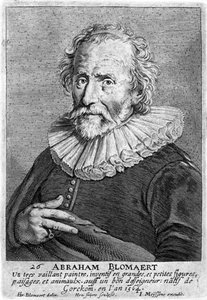
アブラハム・ブルマールト
1564 - 1651
プロフィール概要
- Artistic Movement Or Style: バロック、マニエリスム
- Artists Or Movements Influenced By This Artist: ['ウトレヒト・カラヴァッジオ派']
- Artists Who Influenced This Artist: ['ヒエロニムス・フランケン']
- Date Of Birth: 1564年
- Date Of Death: 1651年
- Full Name: アブラハム・ブルマールト
- Nationality: オランダ
- Notable Artworks:
- ハガルとイシュマエルの追放
- ヴィーナスとアドニス
- 農民の風景画
- Place Of Birth: オランダ、ホルンヘム