

 プリントを購入
 シェアする
シェアする シェアする
シェアする
 詳細を見る
詳細を見る

 ダウンロード
 似ている作品
 スライドショー
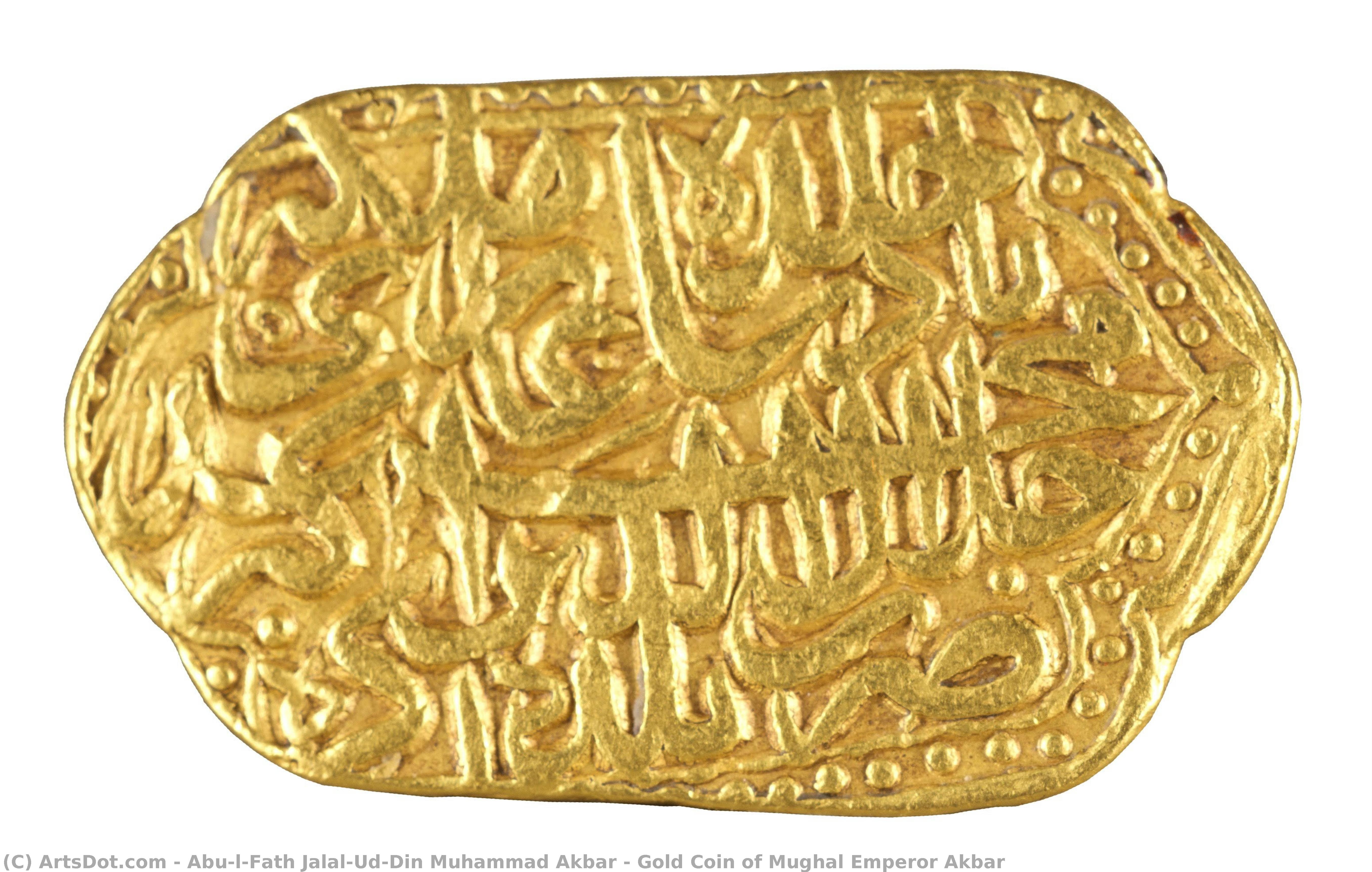
Gold Coin of Mughal Emperor Akbar


 詳細を見る
詳細を見る




































作品のオリジナル比率に合わせた、当店の規定サイズからお選びください。

特定のフレームやスペースに合わせて、ご希望のサイズをご入力いただけます。選択されたサイズが元の画像の比率と異なる場合、アートワークをトリミングするか、手描きで要素を追加して絵画を拡張いたします。デジタルモックアップ を制作し、制作開始前にご確認(承認)をいただきます。
画面上のプレビューは、実際のトリミングや拡張を正確に反映しているものではありません。最終的な構図は、モックアップによってのみ正確にご確認いただけます。
カスタムサイズもご利用いただけますが、元の比率を維持するためには、あらかじめ用意されたリストからサイズを選択することをお勧めいたします。
ご注文後、ArtsDot.com チームより詳細な指示をお送りするとともに、仕上がりイメージ(モックアップ)をご提供いたします。


 ガラスオプションは、110cm未満のサイズでのみご利用いただけます。

Gold Coin of Mughal Emperor Akbar
複製技法
複製画のサイズ
-


合計金額
$ 263
A Glimpse of Imperial Splendor
In the palm of one's hand, the Gold Coin of Mughal Emperor Akbar serves as a profound portal into the zenith of the Mughal Empire. This exquisite artifact, dating to approximately 1605, is far more than mere currency; it is a concentrated masterpiece of imperial propaganda and metallurgical artistry. The coin radiates a warm, luminous yellowish tint, a testament to the purity of the gold used during this era of unparalleled prosperity. As light dances across its uneven, aged surface, the intricate Arabic calligraphy emerges from the metal, telling a story of sovereignty, divine legitimacy, and the sophisticated linguistic heritage of the Mughal court. To behold this piece is to witness the intersection of economic power and high aesthetic achievement.
The artistry of the coin lies in its delicate balance between texture and legibility. The surface is characterized by a rugged, historical patina that lends an undeniable sense of depth and authenticity to the object. Each stroke of the engraved script carries the weight of history, reflecting the meticulous craftsmanship of the imperial mint. For the discerning collector or interior designer, this piece represents the ultimate marriage of form and function. Its minimalist yet complex design—set against a clean, stark background in photographic representation—offers a timeless elegance that can anchor a curated collection of historical antiquities or serve as a sophisticated focal point in a room dedicated to global heritage.
The Legacy of a Visionary Patron
To understand the soul of this golden relic, one must look toward its creator and patron, Abu'l-Fath Jalal-ud-Din Muhammad Akbar. As one of India’s most influential rulers, Akbar was not merely a conqueror but a visionary architect of culture. His reign was defined by an extraordinary commitment to religious tolerance and the flourishing of the arts, particularly the development of the Mughal miniature style and exquisite numismatic works. This coin is a physical manifestation of his "Patronage of Perfection," embodying the stability and cultural synthesis that characterized his era. The intricate patterns and precise inscriptions are echoes of a courtly life where intellectual curiosity and artistic devotion were held in the highest regard.
For those seeking to bring the grandeur of the Mughal era into a contemporary space, a high-quality reproduction of this coin offers an evocative emotional connection to the past. It evokes feelings of reverence, stability, and the enduring nature of human achievement. Whether displayed as part of a larger narrative of Eastern history or used as a subtle accent in a luxurious setting, the Gold Coin of Mughal Emperor Akbar inspires a sense of wonder. It invites the viewer to contemplate a time when gold was not just wealth, but a canvas for the expression of an empire's eternal spirit.
関連作品
アーティストの略歴
The Architect of a Golden Age
Abu'l-Fath Jalal-ud-Din Muhammad Akbar, known to history as Akbar the Great, was far more than a mere conqueror of territories; he was the visionary architect of a cultural renaissance. Born in 1542 in Umarkot, within the rugged landscapes of modern-day Pakistan, his early life was defined by the turbulent winds of political instability following the exile of his father, Humayun. Yet, from these uncertain beginnings, Akbar emerged as a titan of the Mughal Empire, a ruler whose intellect and charisma allowed him to weave together the disparate threads of Persian, Central Asian, and Indian traditions into a singular, magnificent tapestry of civilization.
His reign, spanning from 1556 to 1605, was characterized by an extraordinary expansion of both borders and the human spirit. While his military prowess secured vast reaches of the Indian subcontinent—from the plains of Gujarat to the mountains of Kashmir—his true conquest lay in the hearts of his subjects through a policy of profound religious tolerance and intellectual curiosity. By integrating Rajput princes into the highest echelons of his administration and fostering a court where scholars of all faiths could debate, Akbar transformed the Mughal throne from a foreign outpost into a deeply rooted, indigenous powerhouse of culture.
The Royal Atelier and the Birth of a Style
At the heart of Akbar’s enduring legacy lies his unparalleled patronage of the arts. He did not merely fund artists; he curated an environment where innovation was the only standard. By establishing a grand royal atelier, he brought together master calligraphers, illustrators, and painters from Persia and India, encouraging a cross-pollative dialogue that birthed the iconic genre of Mughal miniature painting. This new aesthetic was a breathtaking fusion: it retained the delicate, rhythmic line work and vibrant pigments of Persian tradition while embracing the naturalism, emotional depth, and vivid local color characteristic of Indian artistry.
The works produced under his watchful eye were masterpieces of meticulous detail. These miniatures captured the very essence of Mughal life—the grandeur of imperial processions, the intimacy of courtly romance, and the sacred stillness of religious ceremonies. Every brushstroke served to document a period of unprecedented prosperity. Beyond the canvas, Akbar’s appreciation for craftsmanship extended to the very currency of his empire. The exquisite gold coins of his reign, adorned with intricate Arabic calligraphy, stand today as shimmering relics of an era where even the smallest object was treated as a vessel for imperial splendor and artistic precision.
A Legacy Written in Stone and Ink
The historical significance of Akbar the Great cannot be overstated, as his influence permeated every facet of South Asian identity. His devotion to beauty was not limited to the portable arts; it manifested in the monumental architecture that continues to define the landscape of India. The use of red sandstone and white marble, characterized by grand courtyards and symmetrical domes, created a sense of awe that mirrored the stability and scale of his empire. This architectural language, much like his painting style, was a deliberate synthesis of diverse cultural influences designed to inspire wonder.
As we look back upon the life of this extraordinary emperor, we see a ruler who understood that true power is found in the cultivation of wisdom and beauty. His ability to translate Sanskrit classics into Persian and his fascination with European art brought the world to his doorstep, making his court a global center of enlightenment. The legacy of Abu'l-Fath Jalal-ud-Din Muhammad Akbar remains etched in the vibrant pigments of miniature paintings, the enduring strength of Mughal monuments, and the very concept of a multicultural, harmonious society that continues to resonate through the centuries.
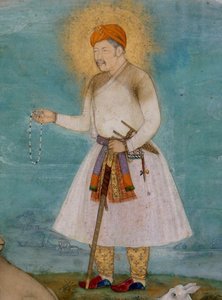
abu'l-fath jalal-ud-din muhammad akbar
1542 - 1605 , Pakistan
基本情報
- Artistic Movement Or Style: Mughal Art
- Artists Or Movements Influenced By This Artist: ['Islamic Art']
- Artists Who Influenced This Artist: ['Persian Artists']
- Date Of Birth: 1542
- Full Name: Jalal-ud-Din Muhammad Akbar
- Nationality: Mughal
- Notable Artworks: ['Victory Stupa']
- Place Of Birth: Umarkot, Pakistan
関連記事
The Allure of Gold in Art History: Symbolism, Technique & Cultural Significance
Explore the rich history of gold in art! Discover symbolism, techniques & cultural significance from ancient civilizations to Klimt's masterpieces. Expert insights for collectors at ArtsDot.
Golden Glow: How to Use Metallic Gold Artworks to Elevate Your Home Decor with Timeless Luxury
Discover how to elevate your home with the timeless elegance of metallic gold artworks. From sculptural metal pieces to gilded oil paintings, learn expert interior design tips for integrating luxurious gold accents into your space with sophistication and grace.
Golden Masterpieces: 10 Paintings That Define Art History | ArtsDot
Explore 10 breathtaking paintings where gold leaf shines! From Klimt to Byzantine icons, discover art history’s most gilded masterpieces. Find museum-quality reproductions & elevate your home decor with ArtsDot. Explore the full collection online.
グスタフ・クリムト傑作25選:華麗なる装飾性と象徴が織りなす世界 | ArtsDot
グスタフ・クリムトの傑作25選。華麗なる装飾性と象徴が織りなす世界を紐解きます。キス、ポートレートなど、美術史に残る名画の物語と技法をArtsDotで。高品質複製画やインテリアアートも豊富に。今すぐコレクションをご覧ください。
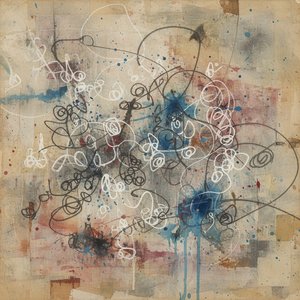
Cy Twombly: Scribbles of Emotion – Deconstructing Post-War Expressionism Through Calligraphy & Abstraction
Explore the captivating world of Cy Twombly with ArtsDot. Discover the emotional depth & artistic significance behind his abstract calligraphy. Expert insights for collectors.

