

 プリントを購入
 シェアする
シェアする シェアする
シェアする
 詳細を見る
詳細を見る

 ダウンロード
 似ている作品
 スライドショー
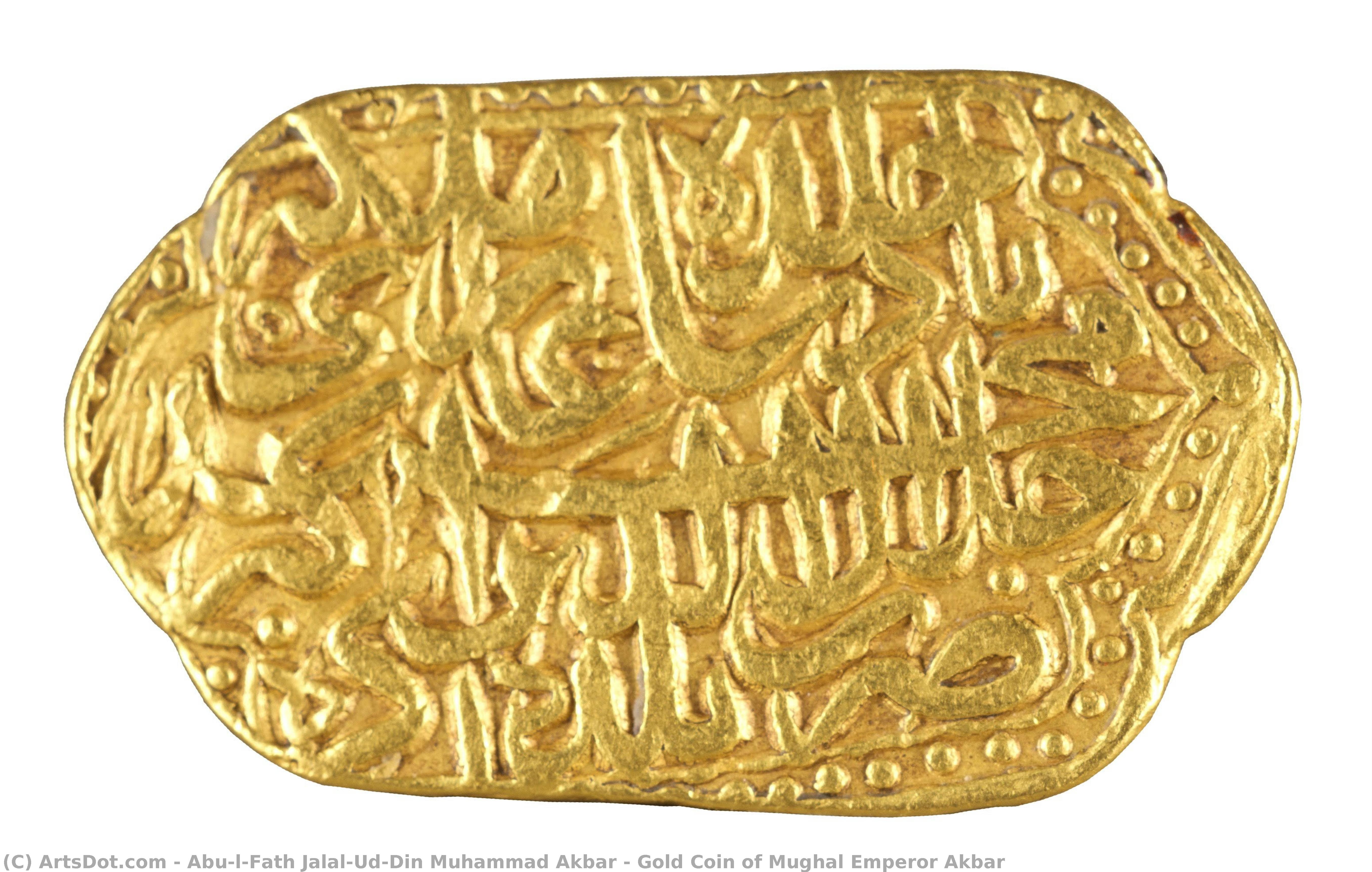
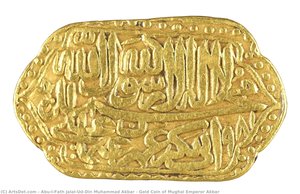
Gold Coin of Mughal Emperor Akbar


 詳細を見る
詳細を見る
オンラインプレビューをはるかに凌ぐ、高解像度で鮮明なデジタル画像をご購入いただけます。
各ファイルは、社内の専門家が高度なツールと熟練した手作業によるレタッチを用いて、細心の注意を払って準備されています。すべての画像において、卓越した鮮明度、正確な色彩再現性、そして繊細なディテールを保証いたします。
最終ファイルは、プロフェッショナルな編集・印刷環境ですぐにご利用いただけるよう最適化された状態で、72時間以内にメールにてお届けいたします。これは、一流のデザインスタジオ、出版社、ギャラリーから信頼されているものと同等の品質です。
デジタル画像のご注文に付随する特典
高品質なデジタル画像配信を、確かな品質で。
ArtsDot.com を選ぶことは、単に画像を手に入れることではありません。それは、プロの手によって精密に仕上げられ、満足保証が付いた高品質なデジタルアートワークを受け取ることを意味します。ご注文いただいた際に自動的に付随する内容は、以下の通りです:

メールですぐにお届け
ご注文から72時間以内に、高解像度のデジタル画像ファイルがメールでお手元に届きます。すぐにそのままご利用いただけます。

AI技術で最適化されたデジタルファイル
お客様の作品は、高度なAIツールと専門家による手作業の編集を組み合わせてプロフェッショナルに最適化されており、細部のディテール、鮮明さ、そして正確な色再現性を最大限に引き出しています。

一生涯無料の再送サービス
ファイルを誤って削除したり、紛失してしまったりしましたか?ご安心ください。いつでも無料で再送いたします。

輸入手数料は一切かかりません
関税や手数料、配送料を気にすることなく、お気に入りのアートワークをすぐにお楽しみいただけます。デジタルダウンロードは常に免税です。

色彩再現の保証
プロ仕様のツールとカラーマネジメント技術を用いることで、デジタル画像が元の色を最大限に忠実に再現することを保証いたします。

60日間満足保証
ご購入いただいたデジタル画像にご満足いただけない場合は、60日以内であれば、修正または100%の返金(理由を問う必要はありません)をさせていただきます。

100% 返金保証
ご満足いただけない場合は、デジタルファイルを受け取ってから60日以内であれば、理由を問わず全額返金いたします。

まとめ買い割引
3枚購入で10%OFF - 5枚購入で15%OFF - 10枚以上購入で20%OFF。クリエイティブなプロジェクト、ギャラリー、エージェンシーに最適です。
A Glimpse of Imperial Splendor
In the palm of one's hand, the Gold Coin of Mughal Emperor Akbar serves as a profound portal into the zenith of the Mughal Empire. This exquisite artifact, dating to approximately 1605, is far more than mere currency; it is a concentrated masterpiece of imperial propaganda and metallurgical artistry. The coin radiates a warm, luminous yellowish tint, a testament to the purity of the gold used during this era of unparalleled prosperity. As light dances across its uneven, aged surface, the intricate Arabic calligraphy emerges from the metal, telling a story of sovereignty, divine legitimacy, and the sophisticated linguistic heritage of the Mughal court. To behold this piece is to witness the intersection of economic power and high aesthetic achievement.
The artistry of the coin lies in its delicate balance between texture and legibility. The surface is characterized by a rugged, historical patina that lends an undeniable sense of depth and authenticity to the object. Each stroke of the engraved script carries the weight of history, reflecting the meticulous craftsmanship of the imperial mint. For the discerning collector or interior designer, this piece represents the ultimate marriage of form and function. Its minimalist yet complex design—set against a clean, stark background in photographic representation—offers a timeless elegance that can anchor a curated collection of historical antiquities or serve as a sophisticated focal point in a room dedicated to global heritage.
The Legacy of a Visionary Patron
To understand the soul of this golden relic, one must look toward its creator and patron, Abu'l-Fath Jalal-ud-Din Muhammad Akbar. As one of India’s most influential rulers, Akbar was not merely a conqueror but a visionary architect of culture. His reign was defined by an extraordinary commitment to religious tolerance and the flourishing of the arts, particularly the development of the Mughal miniature style and exquisite numismatic works. This coin is a physical manifestation of his "Patronage of Perfection," embodying the stability and cultural synthesis that characterized his era. The intricate patterns and precise inscriptions are echoes of a courtly life where intellectual curiosity and artistic devotion were held in the highest regard.
For those seeking to bring the grandeur of the Mughal era into a contemporary space, a high-quality reproduction of this coin offers an evocative emotional connection to the past. It evokes feelings of reverence, stability, and the enduring nature of human achievement. Whether displayed as part of a larger narrative of Eastern history or used as a subtle accent in a luxurious setting, the Gold Coin of Mughal Emperor Akbar inspires a sense of wonder. It invites the viewer to contemplate a time when gold was not just wealth, but a canvas for the expression of an empire's eternal spirit.
関連作品
作家の略歴
The Architect of a Golden Age
Abu'l-Fath Jalal-ud-Din Muhammad Akbar, known to history as Akbar the Great, was far more than a mere conqueror of territories; he was the visionary architect of a cultural renaissance. Born in 1542 in Umarkot, within the rugged landscapes of modern-day Pakistan, his early life was defined by the turbulent winds of political instability following the exile of his father, Humayun. Yet, from these uncertain beginnings, Akbar emerged as a titan of the Mughal Empire, a ruler whose intellect and charisma allowed him to weave together the disparate threads of Persian, Central Asian, and Indian traditions into a singular, magnificent tapestry of civilization.
His reign, spanning from 1556 to 1605, was characterized by an extraordinary expansion of both borders and the human spirit. While his military prowess secured vast reaches of the Indian subcontinent—from the plains of Gujarat to the mountains of Kashmir—his true conquest lay in the hearts of his subjects through a policy of profound religious tolerance and intellectual curiosity. By integrating Rajput princes into the highest echelons of his administration and fostering a court where scholars of all faiths could debate, Akbar transformed the Mughal throne from a foreign outpost into a deeply rooted, indigenous powerhouse of culture.
The Royal Atelier and the Birth of a Style
At the heart of Akbar’s enduring legacy lies his unparalleled patronage of the arts. He did not merely fund artists; he curated an environment where innovation was the only standard. By establishing a grand royal atelier, he brought together master calligraphers, illustrators, and painters from Persia and India, encouraging a cross-pollative dialogue that birthed the iconic genre of Mughal miniature painting. This new aesthetic was a breathtaking fusion: it retained the delicate, rhythmic line work and vibrant pigments of Persian tradition while embracing the naturalism, emotional depth, and vivid local color characteristic of Indian artistry.
The works produced under his watchful eye were masterpieces of meticulous detail. These miniatures captured the very essence of Mughal life—the grandeur of imperial processions, the intimacy of courtly romance, and the sacred stillness of religious ceremonies. Every brushstroke served to document a period of unprecedented prosperity. Beyond the canvas, Akbar’s appreciation for craftsmanship extended to the very currency of his empire. The exquisite gold coins of his reign, adorned with intricate Arabic calligraphy, stand today as shimmering relics of an era where even the smallest object was treated as a vessel for imperial splendor and artistic precision.
A Legacy Written in Stone and Ink
The historical significance of Akbar the Great cannot be overstated, as his influence permeated every facet of South Asian identity. His devotion to beauty was not limited to the portable arts; it manifested in the monumental architecture that continues to define the landscape of India. The use of red sandstone and white marble, characterized by grand courtyards and symmetrical domes, created a sense of awe that mirrored the stability and scale of his empire. This architectural language, much like his painting style, was a deliberate synthesis of diverse cultural influences designed to inspire wonder.
As we look back upon the life of this extraordinary emperor, we see a ruler who understood that true power is found in the cultivation of wisdom and beauty. His ability to translate Sanskrit classics into Persian and his fascination with European art brought the world to his doorstep, making his court a global center of enlightenment. The legacy of Abu'l-Fath Jalal-ud-Din Muhammad Akbar remains etched in the vibrant pigments of miniature paintings, the enduring strength of Mughal monuments, and the very concept of a multicultural, harmonious society that continues to resonate through the centuries.
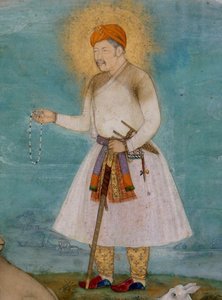
abu'l-fath jalal-ud-din muhammad akbar
1542 - 1605 , Pakistan
プロフィール概要
- Artistic Movement Or Style: Mughal Art
- Artists Or Movements Influenced By This Artist: ['Islamic Art']
- Artists Who Influenced This Artist: ['Persian Artists']
- Date Of Birth: 1542
- Full Name: Jalal-ud-Din Muhammad Akbar
- Nationality: Mughal
- Notable Artworks: ['Victory Stupa']
- Place Of Birth: Umarkot, Pakistan

