

 プレビュー
プレビュー
 プリントを購入
 シェアする
シェアする シェアする
シェアする
 詳細を見る
詳細を見る

 ダウンロード
 似ている作品
 X線調査
X線調査 スライドショー
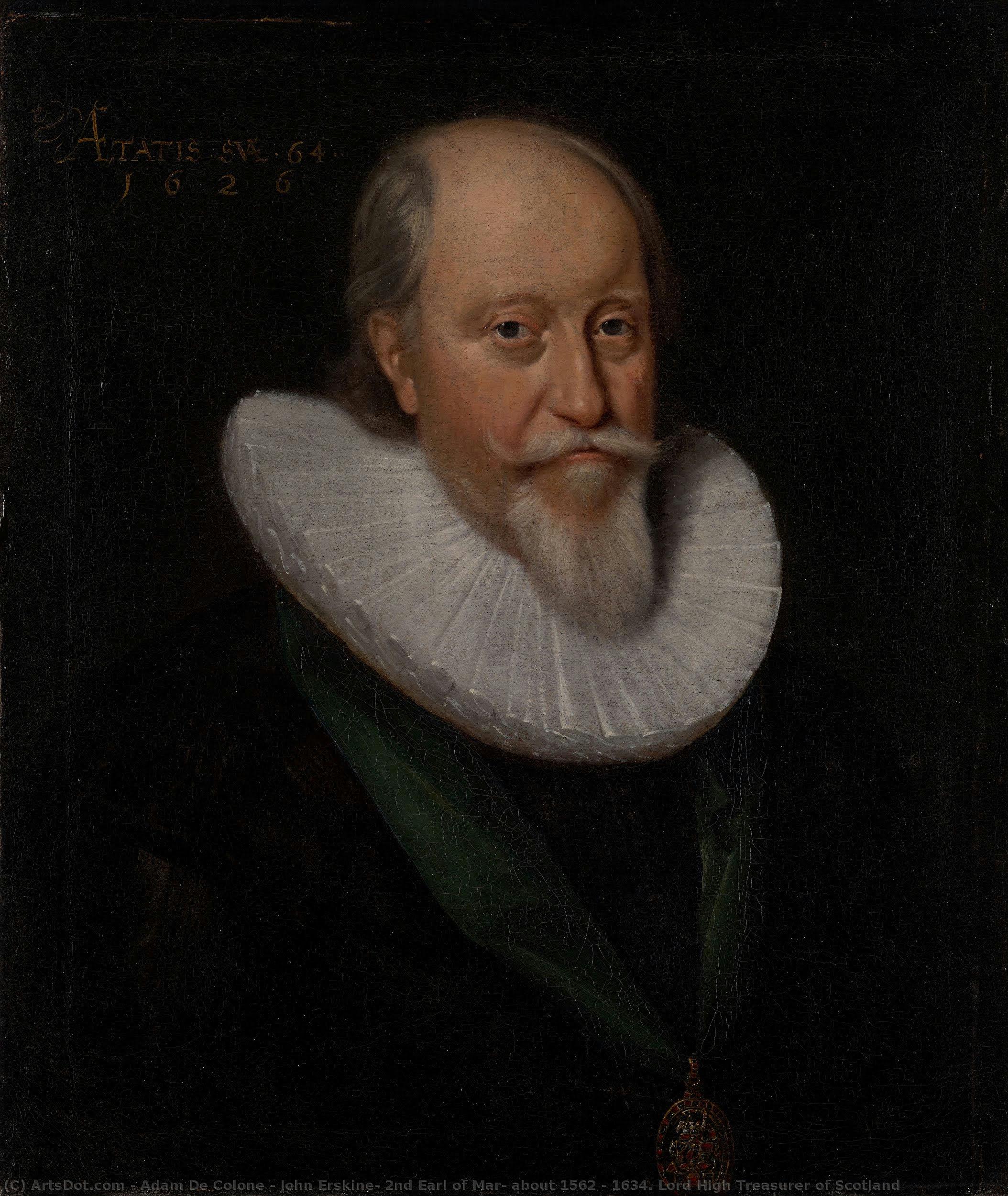
John Erskine, 2nd Earl of Mar, about 1562 - 1634. Lord High Treasurer of Scotland


 詳細を見る
詳細を見る
オンラインプレビューをはるかに凌ぐ、高解像度で鮮明なデジタル画像をご購入いただけます。
各ファイルは、社内の専門家が高度なツールと熟練した手作業によるレタッチを用いて、細心の注意を払って準備されています。すべての画像において、卓越した鮮明度、正確な色彩再現性、そして繊細なディテールを保証いたします。
最終ファイルは、プロフェッショナルな編集・印刷環境ですぐにご利用いただけるよう最適化された状態で、72時間以内にメールにてお届けいたします。これは、一流のデザインスタジオ、出版社、ギャラリーから信頼されているものと同等の品質です。
デジタル画像のご注文に付随する特典
高品質なデジタル画像配信を、確かな品質で。
ArtsDot.com を選ぶことは、単に画像を手に入れることではありません。それは、プロの手によって精密に仕上げられ、満足保証が付いた高品質なデジタルアートワークを受け取ることを意味します。ご注文いただいた際に自動的に付随する内容は、以下の通りです:

メールですぐにお届け
ご注文から72時間以内に、高解像度のデジタル画像ファイルがメールでお手元に届きます。すぐにそのままご利用いただけます。

AI技術で最適化されたデジタルファイル
お客様の作品は、高度なAIツールと専門家による手作業の編集を組み合わせてプロフェッショナルに最適化されており、細部のディテール、鮮明さ、そして正確な色再現性を最大限に引き出しています。

一生涯無料の再送サービス
ファイルを誤って削除したり、紛失してしまったりしましたか?ご安心ください。いつでも無料で再送いたします。

輸入手数料は一切かかりません
関税や手数料、配送料を気にすることなく、お気に入りのアートワークをすぐにお楽しみいただけます。デジタルダウンロードは常に免税です。

色彩再現の保証
プロ仕様のツールとカラーマネジメント技術を用いることで、デジタル画像が元の色を最大限に忠実に再現することを保証いたします。

60日間満足保証
ご購入いただいたデジタル画像にご満足いただけない場合は、60日以内であれば、修正または100%の返金(理由を問う必要はありません)をさせていただきます。

100% 返金保証
ご満足いただけない場合は、デジタルファイルを受け取ってから60日以内であれば、理由を問わず全額返金いたします。

まとめ買い割引
3枚購入で10%OFF - 5枚購入で15%OFF - 10枚以上購入で20%OFF。クリエイティブなプロジェクト、ギャラリー、エージェンシーに最適です。
A Glimpse into the Jacobean Court: The Portrait of John Erskine
In the quiet majesty of this 1626 portrait, we are transported back to the opulent and politically charged atmosphere of the early seventeenth-century Scottish court. The subject, John Erskine, 2nd Earl of Mar, emerges from the canvas not merely as a historical figure, but as a living presence. As a man who stood at the very heart of power—serving as tutor to Prince Henry and later as the Lord High Treasurer of Scotland—Mar’s portrait serves as a profound testament to his proximity to the throne. The painting captures a moment of dignified stability, reflecting a life shaped by the intimate circles of King James VI. To gaze upon this work is to encounter the weight of responsibility and the refined elegance of an era defined by transition and high nobility.
The artistry of Adam de Colone breathes life into the sitter through a masterful command of light and texture. There is a palpable vitality in the brushwork, particularly evident in the delicate rendering of the Earl’s features. De Colone employs a sophisticated technique where small, precise dabs of fluid paint are applied with a fine brush to catch the light on the eyelid, creating an expression that feels remarkably alert and soulful. This meticulous attention to detail extends to the tactile richness of the attire; the crispness of the white ruffled shirt, the heavy drape of the green collar, and the intricate lace work all suggest a sensory experience of the Elizabethan and Jacobean splendor. The artist’s ability to bridge the Netherlandish tradition of precision with a more fluid, emotive style makes this piece a triumph of portraiture.
Symbolism and the Language of Nobility
Beyond the mere likeness, every element within the frame is a deliberate signifier of status and allegiance. A centerpiece of the composition is the Lesser George pendant worn by the Earl. This exquisite piece of jewelry is far more than an ornament; it is a profound symbol of his membership in the Order of the Garter, the most prestigious order of knighthood in England. By including this detail, de Colone ensures that the viewer recognizes Mar’s supreme standing within the social hierarchy. The interplay between the dark, somber tones of the background and the luminous highlights on the lace and jewelry creates a visual rhythm that directs the eye toward these emblems of authority, making the painting an essential study in the iconography of power.
For the discerning collector or interior designer, this portrait offers more than historical interest; it provides a sophisticated focal point for any curated space. The deep greens, rich whites, and subtle shadows offer a timeless palette that complements both classical and contemporary settings. A high-quality reproduction of this work allows one to invite the gravitas of Scottish history into a modern home, serving as a conversation piece that evokes themes of legacy, intellect, and enduring grace. It is an invitation to surround oneself with the quiet strength of a man who helped shape the destiny of a nation.
関連作品
![Vida De Miguel De Cervantes Saavedra (life Of Miguel De Cervantes Saavedra). Book V Of The Edition Of Don Quixote (biblioteca Nacional De España)\n\n[7] — Martín Fernández De Navarrete Y Ximénez De Tejada, Academic Art](/media/artworks/images-thumb/8c/b6/8cb67a4dd450447373a546c8dd039e57.jpg)
作家の略歴
Adam de Colone: Bridging Netherlandish Tradition and Scottish Portraiture
Adam de Colone (c.1572–1651) stands as a pivotal figure in the artistic landscape of 17th-century Scotland, representing a fascinating confluence of influences—primarily rooted in the vibrant traditions of the Low Countries yet skillfully adapted to capture the spirit of his adopted homeland. While biographical details remain somewhat elusive due to gaps in historical records, recent scholarship spearheaded by the Netherlands Institute for Art History has illuminated crucial aspects of his life and career, revealing him as the brother of Susanna de Colonia—a connection that underscores a familial legacy intertwined with entrepreneurial endeavors within Antwerp’s saddle-making trade. Born into a family steeped in mercantile activity, Adam’s formative years were spent amidst the bustling commercial hub of Antwerp, where he honed his artistic skills under the tutelage of Louis Jansz Colonia, his father. This early exposure to the artistic currents circulating throughout Europe undoubtedly shaped his aesthetic sensibilities. By 1598, he formally joined the guild in Dordrecht, demonstrating a commitment to professional development and establishing himself as an active painter within the burgeoning Dutch Republic. Notably, Adam’s brother-in-law was Adrian Vanson—a celebrated court painter serving James VI of Scotland—a relationship that fostered artistic exchange and contributed to the dissemination of Netherlandish stylistic principles across the British Isles. De Colone's artistic output is characterized by a distinctive approach: he employed meticulously crafted inscriptions featuring uniquely shaped letters and numerals – a practice that continues to intrigue art historians today. These markings serve as tangible evidence of his involvement in commissions and provide valuable insights into the patronage system prevalent during his time. His early works showcased an undeniable influence from the Flemish masters, particularly Hugo van der Goes’s monumental Trinity Altarpiece, which arrived in Scotland in 1625, sparking considerable artistic debate and inspiring a new generation of Scottish painters. The altarpiece's dramatic lighting and expressive figures established a benchmark for visual storytelling that would resonate throughout the century. His career culminated in London during the reign of James I, where he secured lucrative commissions from royalty—a testament to his reputation as a skilled portraitist. Among his most enduring achievements are two full-length portraits of James VI, executed in 1623, capturing the king’s regal bearing and conveying an aura of authority. Furthermore, De Colone's prolific output extended beyond royal patronage; he documented the Scottish nobility with remarkable accuracy and sensitivity, preserving a visual record of Scotland’s cultural elite during a period of significant political upheaval. The portrait of Sir William Stewart of Grandtully (1567–1646), completed in 1613, exemplifies his masterful technique—a testament to his ability to convey psychological depth alongside formal elegance. Adam de Colone's legacy extends beyond individual portraits; he fostered a creative lineage through his son Isaac Colonia (1611–1663) and grandson Adam Colonia (1634–1685), ensuring that the traditions of Netherlandish painting continued to flourish in Scotland for decades after his death. His contribution to Scottish art history is undeniable, marking him as a crucial link between European artistic innovation and the evolving visual culture of Scotland during its golden age.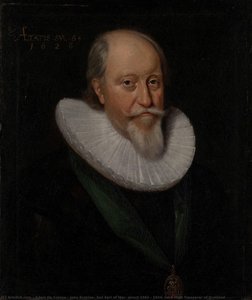
adam de colone
1572 - 1651
プロフィール概要
- Artistic Movement Or Style: Dutch Renaissance
- Artists Or Movements Influenced By This Artist: ['Baroque']
- Artists Who Influenced This Artist:
- Hugo van der Goes
- Adrian Vanson
- Date Of Birth: 1572
- Date Of Death: 1651
- Full Name: Adam de Colone
- Nationality: Scottish
- Notable Artworks:
- James VI Portraits
- Scottish Nobility
- Place Of Birth: Antwerp

