

 プレビュー
プレビュー
 プリントを購入
 シェアする
シェアする シェアする
シェアする
 詳細を見る
詳細を見る

 ダウンロード
 似ている作品
 X線調査
X線調査 スライドショー
Tobias and the Angel


 詳細を見る
詳細を見る




P118B $10

P118H $10

P118W $10

P438Z $10

P508JH $12

P508YH $12

P805H $10

P805Z $10

P919BZ $10

P919G $10

P919XJ $10

P959ZH $10

P968JZ $12

W106C $8

W218G $10

W218JH $8

W218Y $10

W307PJ $10

W316G $10

W316PJ $8

W316Y $10

W398PJ $8

W4111J $10

W500HY $15

W500JH $15

W692G $12

W849H $8

W940BG $15

W953PJ $8




作品のオリジナル比率に合わせた、当店の規定サイズからお選びください。

特定のフレームやスペースに合わせて、ご希望のサイズをご入力いただけます。選択されたサイズが元の画像の比率と異なる場合、アートワークをトリミングするか、手描きで要素を追加して絵画を拡張いたします。デジタルモックアップ を制作し、制作開始前にご確認(承認)をいただきます。
画面上のプレビューは、実際のトリミングや拡張を正確に反映しているものではありません。最終的な構図は、モックアップによってのみ正確にご確認いただけます。
カスタムサイズもご利用いただけますが、元の比率を維持するためには、あらかじめ用意されたリストからサイズを選択することをお勧めいたします。
ご注文後、ArtsDot.com チームより詳細な指示をお送りするとともに、仕上がりイメージ(モックアップ)をご提供いたします。


 ガラスオプションは、110cm未満のサイズでのみご利用いただけます。

Tobias and the Angel
複製技法
複製画のサイズ
-


合計金額
$ 288
作品解説
A Glimpse into a Divine Encounter
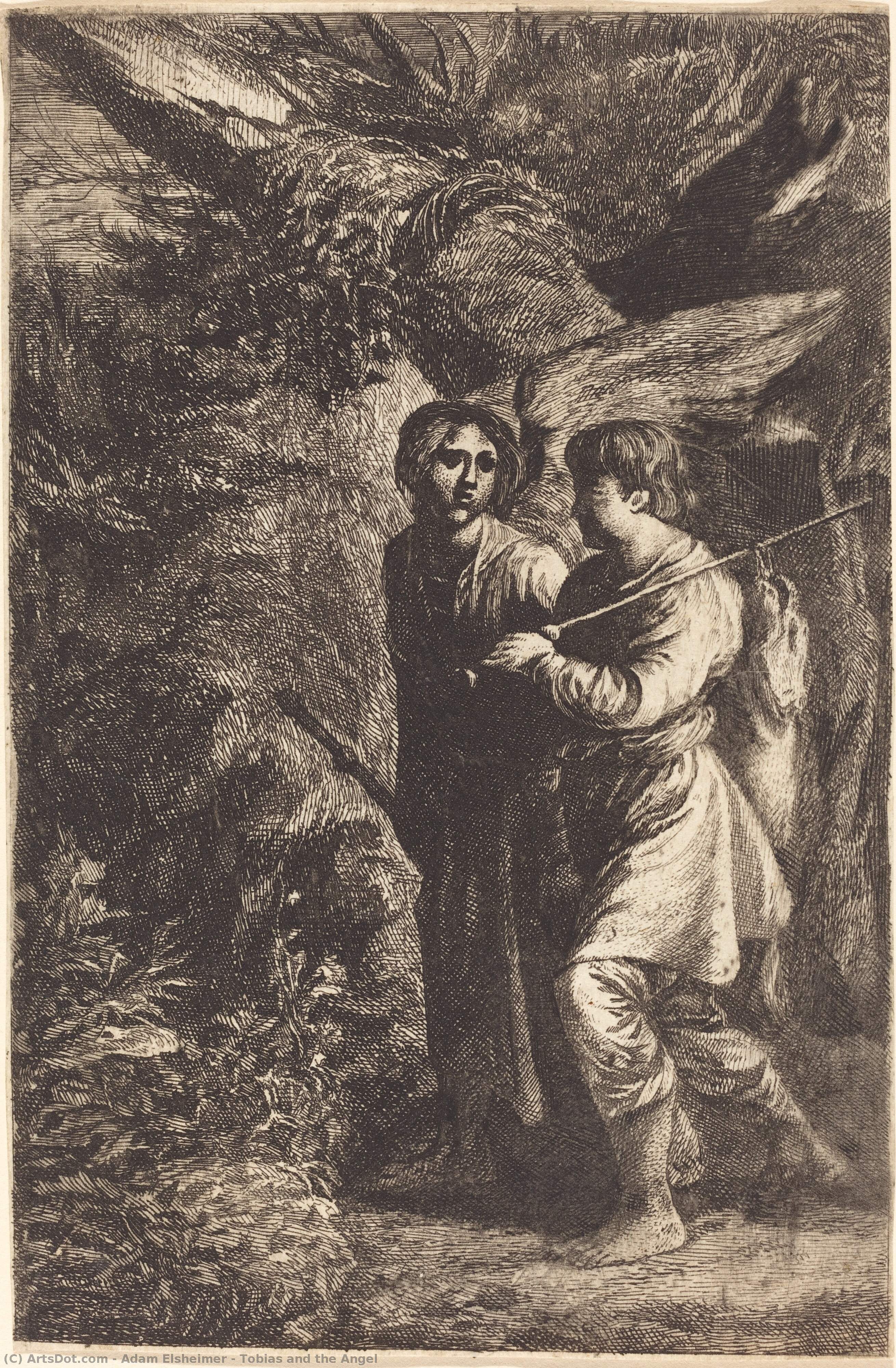
Adam Elsheimer’s “Tobias and the Angel” is not merely an engraving; it's a carefully constructed tableau of biblical narrative, imbued with the dramatic intensity characteristic of the Baroque era. Completed around 1602-1603, this small yet profoundly evocative work transports us to a shadowed woodland, where a young Tobias, seemingly lost and vulnerable, encounters the radiant Archangel Raphael. The scene unfolds with an almost palpable urgency – a sense that something momentous is about to occur, hinting at both divine intervention and potential consequence. Elsheimer’s genius lies not just in his technical skill but in his ability to distill complex theological themes into a powerfully intimate visual experience.
The composition itself is masterfully controlled. The deep, rich blacks of the forest floor and surrounding foliage immediately establish a mood of mystery and isolation. Raphael, depicted with an almost ethereal glow, dominates the upper portion of the image, his staff held aloft as if to guide Tobias towards salvation. Notice how Elsheimer utilizes cross-hatching – a technique perfected by the artist – to create incredible textural detail; you can practically feel the roughness of the bark beneath Tobias’s feet and the folds in Raphael's flowing robes. The lines aren’t simply outlines; they are imbued with light and shadow, contributing significantly to the engraving’s dramatic effect.
The Symbolism of Light and Shadow
Beyond its immediate narrative, “Tobias and the Angel” is rich in symbolic meaning. Raphael, traditionally associated with healing and divine guidance, represents hope and salvation. The angel's staff isn’t just a gesture; it’s a conduit for divine grace, illuminating Tobias’s path through darkness. The fish, carried by Tobias – a crucial element of the biblical story – symbolizes abundance and fertility, representing not only physical sustenance but also spiritual nourishment. The dark, foreboding forest itself can be interpreted as a metaphor for temptation and uncertainty, highlighting the challenges faced by those seeking divine favor.
Furthermore, the scene’s nocturnal setting—a deliberate departure from typical biblical depictions—adds to its emotional weight. The use of light is particularly striking; it doesn't simply illuminate the figures but also creates a sense of drama and suspense. Elsheimer was a pioneer in depicting nighttime scenes within religious art, a technique that would later be embraced by Rembrandt and other masters. This deliberate choice elevates the engraving beyond a simple illustration, transforming it into a meditation on faith, darkness, and divine grace.
A Master of Miniature: Elsheimer’s Technique
Adam Elsheimer was renowned for his exquisite cabinet paintings – small, meticulously crafted works executed primarily on copper plates. This technique allowed him to achieve an unprecedented level of detail and tonal subtlety, particularly in the rendering of textures and light. “Tobias and the Angel” exemplifies this mastery; every leaf, every fold of fabric, every ripple of water is rendered with astonishing precision. The artist’s use of pressure variations during engraving created a remarkable range of tones, mimicking the effects of oil paint—a testament to his technical skill.
Consider the subtle gradations of light and shadow that define Raphael's form – how they seem to emanate from within, casting an ethereal glow upon Tobias. This careful attention to detail is further emphasized by the artist’s use of perspective; while somewhat flattened compared to later Renaissance works, it creates a believable sense of depth and spatial arrangement. The engraving isn’t just a representation of a scene; it's a carefully orchestrated illusion, designed to engage the viewer’s senses and emotions.
A Legacy of Luminosity
“Tobias and the Angel” stands as a poignant example of Elsheimer’s artistic vision – a testament to his ability to capture both the grandeur and intimacy of biblical narratives. His tragically short life, cut short at just thirty-two years old, nevertheless left an indelible mark on the history of art. Reproductions of this engraving offer a remarkable opportunity to appreciate the artist's extraordinary skill and sensitivity. It’s a piece that continues to resonate with viewers today, inviting contemplation on themes of faith, hope, and the enduring power of divine grace.
関連作品
アーティストの略歴
生い立ちと初期の才能:フランクフルトからローマへ
アダム・エルスハイマー(1578-1610)は、バロック絵画史において、ルーベンスやレンブラントほど広く知られていないかもしれませんが、その芸術的貢献は非常に重要な位置を占めています。ドイツのフランクフルト・アム・マインで生まれたエルスハイマーは、わずか32歳という短い生涯に、同時代の人々に深い共鳴を与え、今日でも観る者を魅了し続けています。彼は大規模な作品や多作な画家ではありませんでした。むしろ、銅板を主な媒体とした、精巧に細部まで描き込まれたキャビネット絵画を専門としました。これらの親密なキャンバスは公衆の目に触れることを意図されたものではなく、愛好家の個人的な鑑賞のために制作されました。これは、初期17世紀における芸術市場の隆盛と、個々の芸術的表現に対する評価の高まりを示す証です。父親である名門仕立て屋が安定した生活基盤を与え、若きアダムの才能は地元の画家フィリップ・ウッフェンバッハとの修行によって認められました。この基礎的な訓練は、後に様々な影響下で開花する技術的スキルを彼に植え付けました。1596年頃にストラスブールへ滞在した可能性があり、そこでより広範な芸術的潮流に触れましたが、1598年にミュンヘンを経由してイタリアへと旅立ったことが、彼の創造的な発展を真に引き起こしました。ヴェネツィアからローマへ:独自の芸術的声の形成
イタリアはエルスハイマーにとって変革の地となりました。彼はヴェネツィアでかなりの時間を過ごし、ティンコレットやパオロ・ヴェロネーゼのような巨匠たちの鮮やかな色彩と劇的な構図を吸収しました。これらのヴェネツィアの巨匠たちの影響は、彼の初期作品に顕著に見られ、大胆なフォルムと官能的な光の使い方が、彼のスタイルを特徴づける要素となりました。1600年頃、彼はローマに移り住み、活気あふれる芸術コミュニティに溶け込みました。その後、キャビネット絵画を専門とするドイツ人画家ヨハン・ロットテンハーマーのアシスタントとして重要な時期を過ごしました。この師事関係は、銅板という要求の厳しい媒体における貴重な技術的専門知識を提供しました。しかし、エルスハイマーは単に教師を模倣するのではなく、より自然主義的なアプローチへと進み、厳格なマニエリスムの慣習から脱却し、独自の道を切り開きました。特に彼の風景画は当時としては革新的であり、人物と調和のとれた自然環境がシームレスに統合されていました。彼は教皇医師で植物学者でもあるジョヴァンニ・ファーバーや、学術的な観察と実験に専念するアカデミア・デイ・リンチェイ(Lincei)のメンバーであるパウル・ブリルといった重要な人物との親交を育みました。これらの交流は彼に新しいアイデアをもたらし、彼の芸術を形作る知的探求心を高めました。光と影の達人:エルスハイマーのスタイルを定義する
エルスハイマーの芸術的評価は、光と影の掌握—*キアロスクーロ*—と、夜景の先駆的な描写にあります。彼は星座を夜空に正確に表現した最初期のアーティストの一人で、科学的好奇心と細心の観察眼を示すものです。「エジプトへの逃避行」のような絵画は、この技術の素晴らしい例であり、月光が風景をエーテルのような輝きで照らし、神秘性と驚異の感覚を生み出しています。彼の作品はしばしば神話や聖書の場面を描いており、叙情的な気質と細心の注意を払ってレンダリングされています。「トビアスと天使」、「トロイアの炎上」、「アポロンとコローニス」、そして「ケレスとステリオ」はすべて、古典的な物語に感情的な深みと視覚的な詩を吹き込む彼の能力を示す優れた例です。彼の絵画の小さなスケールは親密な鑑賞を促し、観客は細部や技術の微妙なニュアンスを十分に理解することができました。彼は単に場面を描いたのではなく、雰囲気と感情が満ち溢れたミニチュアの世界を作り出したのです。永続的な遺産:影響と再発見
短いキャリアにもかかわらず、アダム・エルスハイマーは後世の世代のアーティストたちに多大な影響を与えました。彼の作品は同時代の人々から高く評価されており、ピーター・パウル・ルーベンスもその才能を称賛し、早期の死を嘆きました。ヘンドリック・ハウトによる版画が彼の構図をより広範なヨーロッパの聴衆に届け、彼の芸術の普及に貢献しました。特にレンブラント・ファン・レインは、エルスハイマーの夜景や革新的な風景から着想を得て、自身の作品に同様の光と影の効果を取り入れました。エルスハイマーの影響はオランダ人画家を超えて広がり、17世紀ヨーロッパ中の多くのアーティストが彼の風景画への先駆的なアプローチや劇的な照明技術に影響を受けました。しかし、死後、彼の評判は何世紀にもわたって衰退しました。20世紀になって初めて、学術研究とバロック美術の発展における彼の重要性の認識の高まりによって、彼の作品に対する新たな評価が生まれました。今日、アダム・エルスハイマーは先見性のあるアーティストとして称賛されており、彼の小規模な絵画には、揺るぎない感性と優雅さをもって周囲の世界の美しさと神秘性を捉える永続的な力があります。苦難に満ちた人生
エルスハイマーの人生は芸術的に実り豊かでしたが、困難を伴うものでもありました。彼はキャリアを通じて常に経済的困難に直面し、負債や投獄さえ経験しました。1606年にフランクフルト出身のカローラ・アントニア・ストゥアルダと結婚したことで一時的な幸福を得ましたが、息子の悲劇的な死が晩年を覆いました。1608年頃、彼はカトリックに改宗し、慰めを求めたのか、ローマ社会でのより大きな受容を期待したのかは定かではありません。これらの個人的な苦難にもかかわらず、エルスハイマーは12月1610年に32歳でローマで亡くなるまで、揺るぎない献身をもって絵画を描き続けました。彼は比較的少ないながらも深遠な影響力を持つ作品群を残しました。これは芸術的ビジョンの力と、短い生涯に咲いた輝かしい遺産の証です。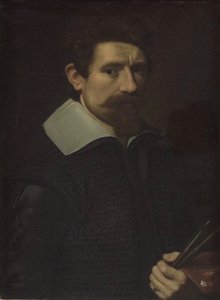
アダム・エルスハイマー
1578 - 1610 , ドイツ
基本情報
- Artistic Movement Or Style: バロック絵画
- Artists Or Movements Influenced By This Artist:
- レンブラント
- ピーテル・パウル・ルーベンス
- Artists Who Influenced This Artist:
- アルブレヒト・デューラー
- ティンコレット
- パオロ・ヴェロネーゼ
- Date Of Birth: 1578年3月18日
- Date Of Death: 1610年12月11日
- Full Name: アダム・エルスハイマー
- Nationality: ドイツ人
- Notable Artworks:
- トビアスと天使
- トロイの炎上
- アポロとコローニス
- Place Of Birth (City And Country): フランクフルト、ドイツ
関連記事
Celestial Messengers: Angels in Painting – A Historical & Artistic Exploration
Explore the captivating history of angels in painting! Discover symbolism, iconic Renaissance & Byzantine masterpieces, and renowned artists. Expert insights for art lovers & collectors at ArtsDot.
Celestial Messengers: A Comprehensive Exploration of Angelic Representation in Art History
Explore the captivating history of angels in art! Discover symbolism, iconic Renaissance masterpieces & renowned artists. Expert insights for art lovers & collectors at ArtsDot.
Engraving's Golden Age: 10 Masterpieces That Redefined Art | ArtsDot
Journey through art history with our Top 10 Legendary Engravings! Explore masterpieces by Dürer, Rembrandt & Goya. Discover the stories behind these iconic prints and find museum-quality reproductions for your home at ArtsDot.com.
Engraving: A Historical Survey of Technique, Artistic Expression & Enduring Legacy
Explore the rich history of engraving with ArtsDot. Discover techniques, iconic artists like Dürer & Callot, collecting tips, and expert guidance for preserving your art investment. Learn about intaglio printing & more!

The Intricate World of Engraving: A Historical Survey of Technique, Artistic Expression & Enduring Legacy
Explore the rich history of engraving with ArtsDot. Discover techniques, iconic artists like Dürer & Callot, collecting tips, and expert guidance for preserving your art investment. Learn about intaglio printing & more!

