

 プレビュー
プレビュー
 シェアする
シェアする シェアする
シェアする
 詳細を見る
詳細を見る

 ダウンロード
 似ている作品
 X線調査
X線調査 スライドショー
 Stats
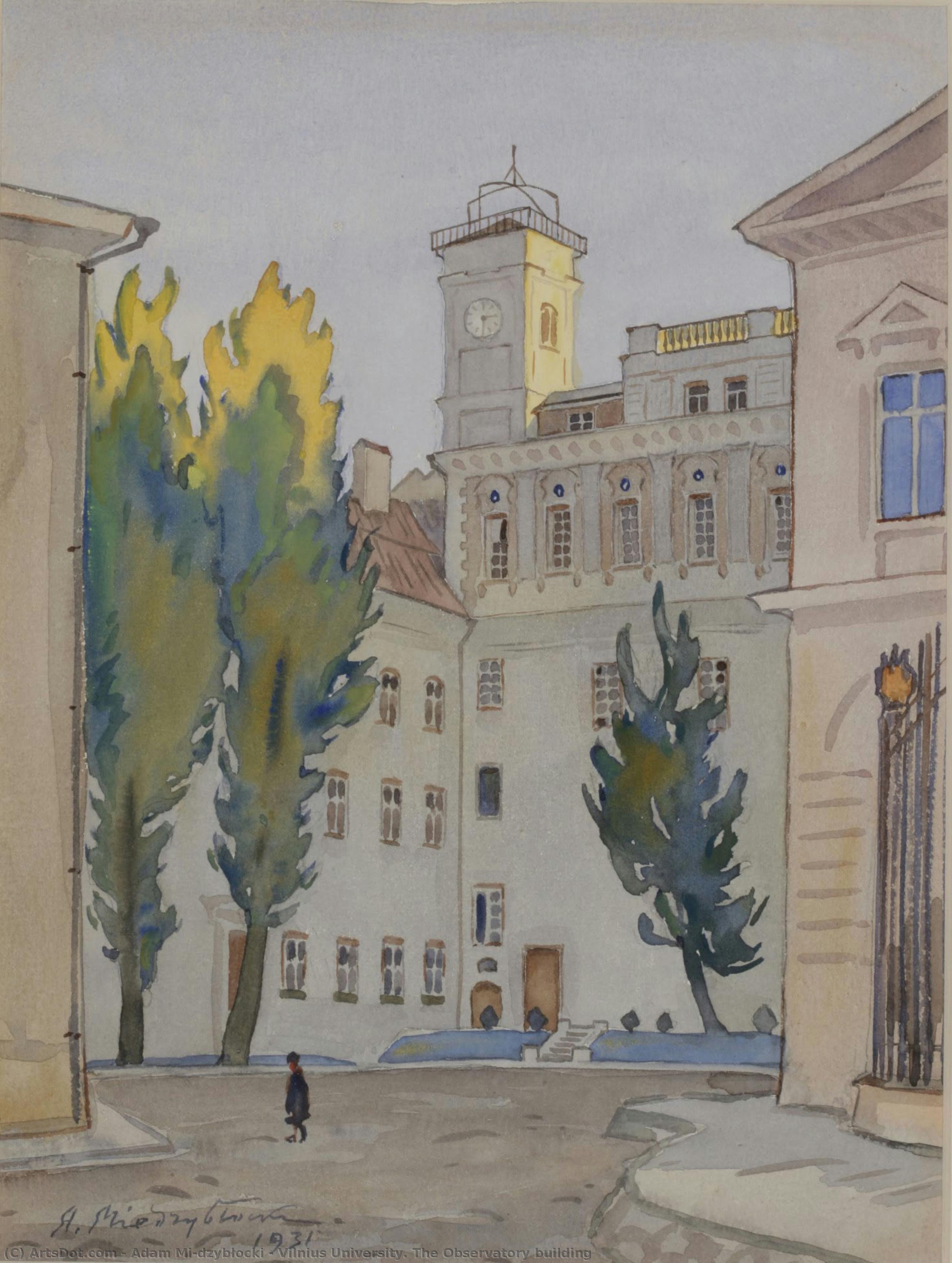
StatsVilnius University. The Observatory building
 1931
1931 28.0 x 21.0 cm
 Lithuanian Art Fund
 詳細を見る
詳細を見る
手描き油彩複製画
当社のアーティストが、お客様のご希望のサイズと額縁に合わせて、キャンバスに手描きで制作する油彩画です。 ( Switch to Print Switch to Digital Image)




































作品のオリジナル比率に合わせた、当店の規定サイズからお選びください。

特定のフレームやスペースに合わせて、ご希望のサイズをご入力いただけます。選択されたサイズが元の画像の比率と異なる場合、アートワークをトリミングするか、手描きで要素を追加して絵画を拡張いたします。デジタルモックアップ を制作し、制作開始前にご確認(承認)をいただきます。
画面上のプレビューは、実際のトリミングや拡張を正確に反映しているものではありません。最終的な構図は、モックアップによってのみ正確にご確認いただけます。
カスタムサイズもご利用いただけますが、元の比率を維持するためには、あらかじめ用意されたリストからサイズを選択することをお勧めいたします。
ご注文後、ArtsDot.com チームより詳細な指示をお送りするとともに、仕上がりイメージ(モックアップ)をご提供いたします。


 ガラスオプションは、110cm未満のサイズでのみご利用いただけます。

Vilnius University. The Observatory building
複製技法
複製画のサイズ
-


合計金額
$ 263
関連作品









アーティストの略歴
Sonia Delaunay: A Pioneer of Color and Form
Sonia Delaunay, born Sarah Elievna Shtern in 1885 in Odesa (now Ukraine), was a truly revolutionary figure in the early 20th-century art world. Her journey from a young girl orphaned in Russia to a celebrated artist deeply intertwined with the vibrant heart of Paris is a testament to her resilience, artistic vision, and unwavering commitment to exploring the expressive potential of color and geometric abstraction. Initially trained in St. Petersburg and Germany, Delaunay’s relocation to France marked a pivotal moment, immersing her within the burgeoning avant-garde circles that would shape her distinctive style. Her life was not simply about painting; it encompassed design, fashion, textiles, and stage production – all interwoven with her artistic explorations.Early Life and Influences: A Russian Foundation
Delaunay’s childhood in Odesa provided a rich cultural backdrop, though marked by tragedy. Orphaned at five, she was raised by relatives who instilled in her a love of art and culture. Her upbringing exposed her to diverse artistic traditions, including the influence of Russian folk art and the burgeoning movements of Neo-Impressionism and Symbolism. This early exposure laid the groundwork for her later experimentation with color and form. Notably, her family’s connections facilitated travel throughout Europe, exposing her to museums and galleries in Italy, France, and Germany – experiences that profoundly shaped her artistic sensibilities. The seeds of her future approach were sown during these formative years, hinting at a desire to break free from traditional representational art and embrace a more dynamic and expressive language.The Orphism Movement: A Symphony of Color
Delaunay’s most significant contribution to the art world lies in her co-founding of Orphism, alongside her husband Robert Delaunay, in 1912. This movement, named after the Greek word for “beauty,” represented a radical departure from established artistic conventions. Rejecting the muted tones and naturalistic depictions prevalent at the time, Orphism championed the use of pure, unmixed colors – vibrant reds, yellows, blues, and greens – applied in bold, geometric patterns. Inspired by Matisse’s Fauvist movement, Delaunay sought to create paintings that evoked emotions through color alone, stripping away representational elements to focus on the purely sensory experience of seeing. Robert's influence was crucial; he encouraged her to explore abstraction fully, pushing beyond mere decorative patterns and into a realm of pure visual expression.Beyond Painting: Design, Fashion, and Textiles
Delaunay’s artistic vision extended far beyond the canvas. She recognized the potential for color and geometric design in various fields, including fashion, textiles, and interior decoration. Her innovative textile designs, characterized by bold patterns and vibrant hues, became immensely popular during the 1920s and 30s, adorning furniture, wallpaper, and clothing. This foray into applied arts demonstrated her ability to translate abstract principles into tangible objects, further solidifying her reputation as a pioneering designer. Her work for the Aeronautics pavilion at the 1937 Paris International Exhibition – vast panels of colored relief – showcased her mastery of scale and her commitment to creating immersive visual experiences.Legacy and Recognition
Sonia Delaunay’s impact on 20th-century art is undeniable. She was a key figure in the development of abstract art, particularly Orphism, and her influence can be seen in subsequent movements such as Constructivism and Bauhaus design. Her pioneering use of color and geometric abstraction paved the way for later artists to explore new ways of representing space and form. Remarkably, she became the first living female artist to have a retrospective exhibition at the Louvre in 1964, a testament to her enduring legacy. Her work continues to be celebrated for its boldness, innovation, and emotional resonance, solidifying her place as one of the most important artists of the modern era. She died in 1979, leaving behind a vibrant body of work that continues to inspire and captivate audiences today.
adam międzybłocki
1885 - 1956 , Poland
基本情報
- Artistic Movement Or Style: Orphism, Abstract Art
- Artists Or Movements Influenced By This Artist:
- Robert Delaunay
- Cubism
- Artists Who Influenced This Artist:
- Neo-Impressionism
- Cézanne
- Date Of Birth: November 14, 1885
- Date Of Death: December 5, 1979
- Full Name: Sonia Delaunay
- Nationality: Russian, French
- Notable Artworks:
- Endless Rhythm
- The Eiffel Tower
- Saint-Séverin
- Place Of Birth: Odesa, Ukraine