

 プレビュー
プレビュー
 シェアする
シェアする シェアする
シェアする
 詳細を見る
詳細を見る

 ダウンロード
 似ている作品
 X線調査
X線調査 スライドショー
 統計情報
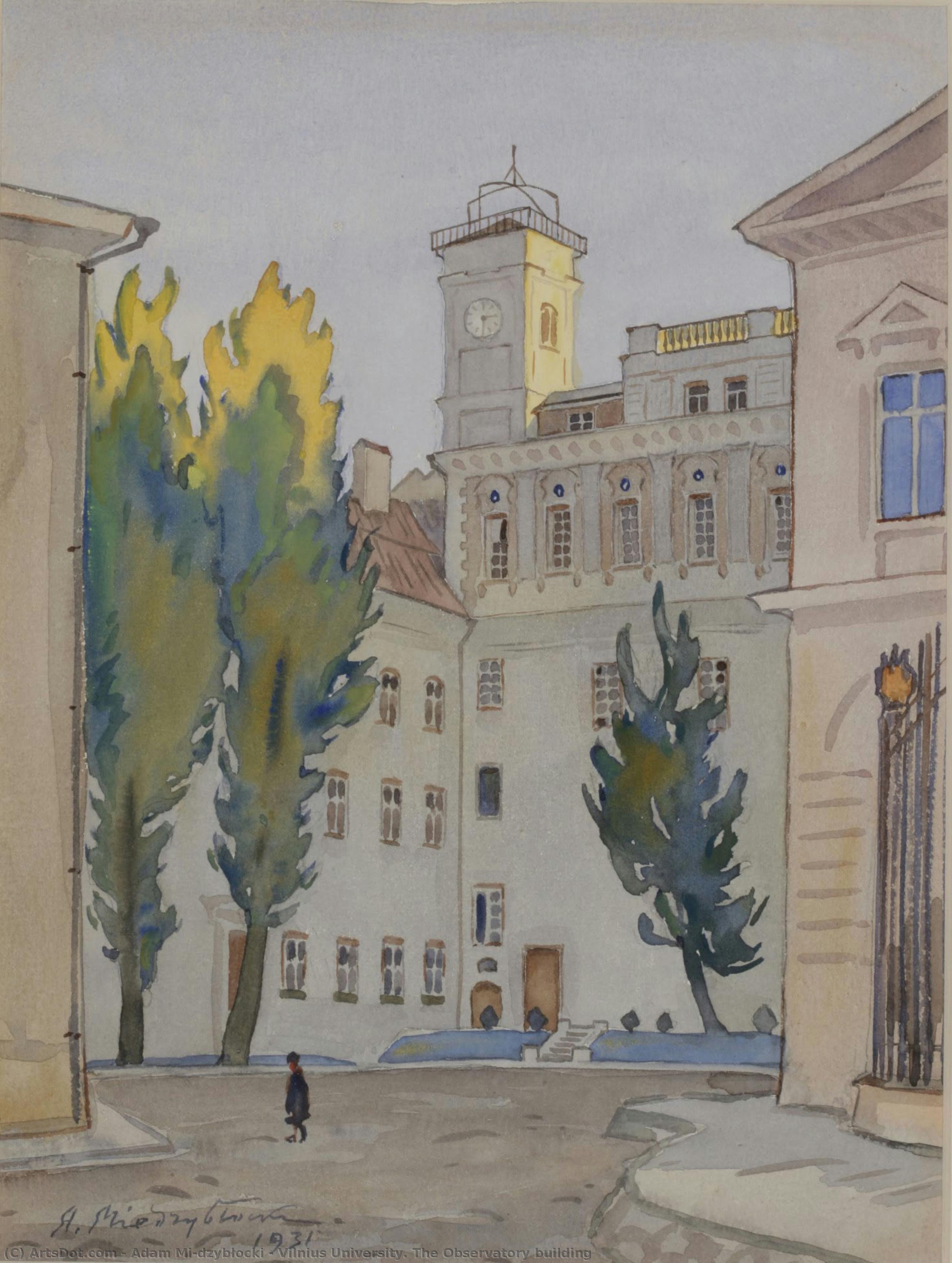
統計情報Vilnius University. The Observatory building
 1931
1931 28.0 x 21.0 cm
 Lithuanian Art Fund
 詳細を見る
詳細を見る
オンラインプレビューをはるかに凌ぐ、高解像度で鮮明なデジタル画像をご購入いただけます。
各ファイルは、社内の専門家が高度なツールと熟練した手作業によるレタッチを用いて、細心の注意を払って準備されています。すべての画像において、卓越した鮮明度、正確な色彩再現性、そして繊細なディテールを保証いたします。
最終ファイルは、プロフェッショナルな編集・印刷環境ですぐにご利用いただけるよう最適化された状態で、72時間以内にメールにてお届けいたします。これは、一流のデザインスタジオ、出版社、ギャラリーから信頼されているものと同等の品質です。
デジタルアート
個人での鑑賞、印刷、クリエイティブなプロジェクト用に、高解像度ファイルをダウンロードできます。 ( プリント版に切り替え 手描きの絵画を購入)
デジタル画像のご注文に付随する特典
高品質なデジタル画像配信を、確かな品質で。
ArtsDot.com を選ぶことは、単に画像を手に入れることではありません。それは、プロの手によって精密に仕上げられ、満足保証が付いた高品質なデジタルアートワークを受け取ることを意味します。ご注文いただいた際に自動的に付随する内容は、以下の通りです:

メールですぐにお届け
ご注文から72時間以内に、高解像度のデジタル画像ファイルがメールでお手元に届きます。すぐにそのままご利用いただけます。

AI技術で最適化されたデジタルファイル
お客様の作品は、高度なAIツールと専門家による手作業の編集を組み合わせてプロフェッショナルに最適化されており、細部のディテール、鮮明さ、そして正確な色再現性を最大限に引き出しています。

一生涯無料の再送サービス
ファイルを誤って削除したり、紛失してしまったりしましたか?ご安心ください。いつでも無料で再送いたします。

輸入手数料は一切かかりません
関税や手数料、配送料を気にすることなく、お気に入りのアートワークをすぐにお楽しみいただけます。デジタルダウンロードは常に免税です。

色彩再現の保証
プロ仕様のツールとカラーマネジメント技術を用いることで、デジタル画像が元の色を最大限に忠実に再現することを保証いたします。

100日間満足保証
ご購入いただいたデジタル画像にご満足いただけない場合は、100日以内であれば、理由を問わず修正または100%の返金対応をさせていただきます。

100% 返金保証
ご満足いただけない場合は、デジタルファイルを受け取ってから100日以内であれば、理由を問わず全額返金いたします。

まとめ買い割引
3枚購入で10%OFF - 5枚購入で15%OFF - 10枚以上購入で20%OFF。クリエイティブなプロジェクト、ギャラリー、エージェンシーに最適です。
関連作品









作家の略歴
Sonia Delaunay: A Pioneer of Color and Form
Sonia Delaunay, born Sarah Elievna Shtern in 1885 in Odesa (now Ukraine), was a truly revolutionary figure in the early 20th-century art world. Her journey from a young girl orphaned in Russia to a celebrated artist deeply intertwined with the vibrant heart of Paris is a testament to her resilience, artistic vision, and unwavering commitment to exploring the expressive potential of color and geometric abstraction. Initially trained in St. Petersburg and Germany, Delaunay’s relocation to France marked a pivotal moment, immersing her within the burgeoning avant-garde circles that would shape her distinctive style. Her life was not simply about painting; it encompassed design, fashion, textiles, and stage production – all interwoven with her artistic explorations.Early Life and Influences: A Russian Foundation
Delaunay’s childhood in Odesa provided a rich cultural backdrop, though marked by tragedy. Orphaned at five, she was raised by relatives who instilled in her a love of art and culture. Her upbringing exposed her to diverse artistic traditions, including the influence of Russian folk art and the burgeoning movements of Neo-Impressionism and Symbolism. This early exposure laid the groundwork for her later experimentation with color and form. Notably, her family’s connections facilitated travel throughout Europe, exposing her to museums and galleries in Italy, France, and Germany – experiences that profoundly shaped her artistic sensibilities. The seeds of her future approach were sown during these formative years, hinting at a desire to break free from traditional representational art and embrace a more dynamic and expressive language.The Orphism Movement: A Symphony of Color
Delaunay’s most significant contribution to the art world lies in her co-founding of Orphism, alongside her husband Robert Delaunay, in 1912. This movement, named after the Greek word for “beauty,” represented a radical departure from established artistic conventions. Rejecting the muted tones and naturalistic depictions prevalent at the time, Orphism championed the use of pure, unmixed colors – vibrant reds, yellows, blues, and greens – applied in bold, geometric patterns. Inspired by Matisse’s Fauvist movement, Delaunay sought to create paintings that evoked emotions through color alone, stripping away representational elements to focus on the purely sensory experience of seeing. Robert's influence was crucial; he encouraged her to explore abstraction fully, pushing beyond mere decorative patterns and into a realm of pure visual expression.Beyond Painting: Design, Fashion, and Textiles
Delaunay’s artistic vision extended far beyond the canvas. She recognized the potential for color and geometric design in various fields, including fashion, textiles, and interior decoration. Her innovative textile designs, characterized by bold patterns and vibrant hues, became immensely popular during the 1920s and 30s, adorning furniture, wallpaper, and clothing. This foray into applied arts demonstrated her ability to translate abstract principles into tangible objects, further solidifying her reputation as a pioneering designer. Her work for the Aeronautics pavilion at the 1937 Paris International Exhibition – vast panels of colored relief – showcased her mastery of scale and her commitment to creating immersive visual experiences.Legacy and Recognition
Sonia Delaunay’s impact on 20th-century art is undeniable. She was a key figure in the development of abstract art, particularly Orphism, and her influence can be seen in subsequent movements such as Constructivism and Bauhaus design. Her pioneering use of color and geometric abstraction paved the way for later artists to explore new ways of representing space and form. Remarkably, she became the first living female artist to have a retrospective exhibition at the Louvre in 1964, a testament to her enduring legacy. Her work continues to be celebrated for its boldness, innovation, and emotional resonance, solidifying her place as one of the most important artists of the modern era. She died in 1979, leaving behind a vibrant body of work that continues to inspire and captivate audiences today.
adam międzybłocki
1885 - 1956 , Poland
プロフィール概要
- Artistic Movement Or Style: Orphism, Abstract Art
- Artists Or Movements Influenced By This Artist:
- Robert Delaunay
- Cubism
- Artists Who Influenced This Artist:
- Neo-Impressionism
- Cézanne
- Date Of Birth: November 14, 1885
- Date Of Death: December 5, 1979
- Full Name: Sonia Delaunay
- Nationality: Russian, French
- Notable Artworks:
- Endless Rhythm
- The Eiffel Tower
- Saint-Séverin
- Place Of Birth: Odesa, Ukraine