

 プレビュー
プレビュー
 プリントを購入
 シェアする
シェアする シェアする
シェアする
 詳細を見る
詳細を見る

 ダウンロード
 似ている作品
 X線調査
X線調査 スライドショー
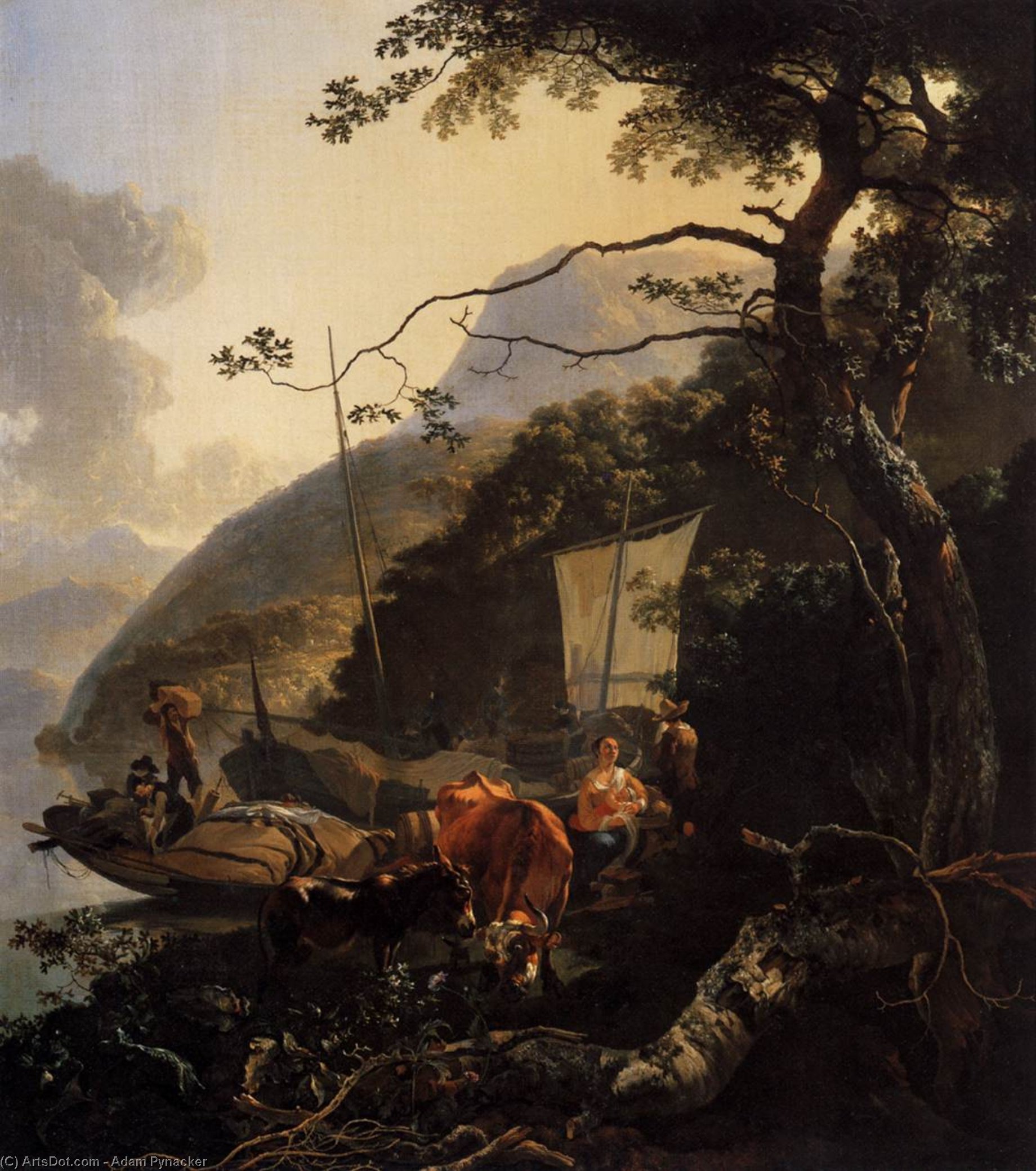
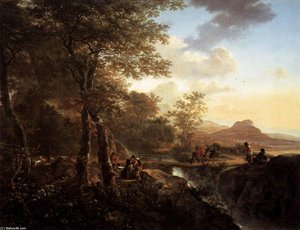
Boatmen Moored on the Shore of an Italian Lake
 Oil On Canvas
- WallArt
- Dutch Golden Age
 1668
1668- Early Modern
 98.0 x 86.0 cm
 国立美術館 (Rijksmuseum)
 詳細を見る
詳細を見る
オンラインプレビューをはるかに凌ぐ、高解像度で鮮明なデジタル画像をご購入いただけます。
各ファイルは、社内の専門家が高度なツールと熟練した手作業によるレタッチを用いて、細心の注意を払って準備されています。すべての画像において、卓越した鮮明度、正確な色彩再現性、そして繊細なディテールを保証いたします。
最終ファイルは、プロフェッショナルな編集・印刷環境ですぐにご利用いただけるよう最適化された状態で、72時間以内にメールにてお届けいたします。これは、一流のデザインスタジオ、出版社、ギャラリーから信頼されているものと同等の品質です。
デジタル画像のご注文に付随する特典
高品質なデジタル画像配信を、確かな品質で。
ArtsDot.com を選ぶことは、単に画像を手に入れることではありません。それは、プロの手によって精密に仕上げられ、満足保証が付いた高品質なデジタルアートワークを受け取ることを意味します。ご注文いただいた際に自動的に付随する内容は、以下の通りです:

メールですぐにお届け
ご注文から72時間以内に、高解像度のデジタル画像ファイルがメールでお手元に届きます。すぐにそのままご利用いただけます。

AI技術で最適化されたデジタルファイル
お客様の作品は、高度なAIツールと専門家による手作業の編集を組み合わせてプロフェッショナルに最適化されており、細部のディテール、鮮明さ、そして正確な色再現性を最大限に引き出しています。

一生涯無料の再送サービス
ファイルを誤って削除したり、紛失してしまったりしましたか?ご安心ください。いつでも無料で再送いたします。

輸入手数料は一切かかりません
関税や手数料、配送料を気にすることなく、お気に入りのアートワークをすぐにお楽しみいただけます。デジタルダウンロードは常に免税です。

色彩再現の保証
プロ仕様のツールとカラーマネジメント技術を用いることで、デジタル画像が元の色を最大限に忠実に再現することを保証いたします。

60日間満足保証
ご購入いただいたデジタル画像にご満足いただけない場合は、60日以内であれば、修正または100%の返金(理由を問う必要はありません)をさせていただきます。

100% 返金保証
ご満足いただけない場合は、デジタルファイルを受け取ってから60日以内であれば、理由を問わず全額返金いたします。

まとめ買い割引
3枚購入で10%OFF - 5枚購入で15%OFF - 10枚以上購入で20%OFF。クリエイティブなプロジェクト、ギャラリー、エージェンシーに最適です。
A Golden Afternoon on an Italian Shore
In the quietude of Adam Pynacker’s 1668 masterpiece, Boatmen Moored on the Shore of an Italian Lake, time seems to suspend itself within a golden, atmospheric haze. As a prominent figure of the Dutch Golden Age, Pynacker possessed a rare ability to marry the meticulous precision of his Netherlandish roots with the luminous, idealized warmth he encountered during his transformative years in Italy. This particular work serves as a breathtaking window into a world of profound serenity, where the rugged majesty of distant mountains meets the gentle rhythm of lakeside life. The viewer is not merely observing a landscape; they are invited to step into a moment of absolute stillness, where the soft light of a departing sun kisses the water and breathes life into the verdant shoreline.
The composition is a masterclass in classical balance, utilizing a subtle pyramidal structure that guides the eye from the intimate details of the foreground toward the ethereal peaks in the distance. Pynacker employs dark, textured tree trunks to frame the scene, creating a natural vignette that pulls the observer into the heart of the vista. Within this frame, the artist captures a delicate tapestry of life: figures resting by the water's edge, boats moored in quiet repose, and even the humble presence of grazing livestock. There is a rhythmic harmony in how the white bark of a birch tree catches the light, mirroring the soft reflections dancing upon the lake’s surface, creating a visual dialogue between the earth and the sky.
Technique and the Mastery of Light
To behold this painting is to witness the pinnacle of tonal modulation. Pynacker utilized oil on canvas mounted on panel, a choice that allowed him to achieve extraordinary depth and a luminous, pearlescent quality in his highlights. His brushwork, though precise, possesses an incredible softness that mimics the diffusion of light through a humid, Mediterranean atmosphere. This technique creates what art historians call "atmospheric perspective," where the clarity of the foreground gradually dissolves into the hazy, blue-tinted silhouettes of the far-off mountains, lending the canvas an immense sense of scale and infinite space.
The palette is dominated by warm, golden ochres and deep, earthy greens, punctuated by the brilliant, fleeting highlights that suggest a sun low on the horizon. This careful management of light does more than just illuminate the scene; it dictates the emotional temperature of the work. The long, stretching shadows cast across the grassy banks evoke a sense of nostalgia and peace, making the painting feel like a cherished memory of a summer afternoon. For the collector or interior designer, this piece offers a sophisticated anchor for a room, providing a sense of calm grandeur that complements both classical and contemporary settings.
Symbolism and Lasting Emotional Resonance
Beyond its topographical beauty, there is an enduring mystery woven into the fabric of Pynicker’s landscape. Some scholars have noted the presence of specific animals—an ox and an ass—alongside a woman and child, suggesting that the scene might subtly allude to the biblical narrative of the Flight into Egypt. Whether this religious subtext was intended or if the painting is purely a celebration of pastoral tranquility remains a subject of delightful debate. This ambiguity adds a layer of intellectual depth to the work, rewarding repeated viewings with new layers of meaning.
Ultimately, Boatmen Moored on the Shore of an Italian Lake is an invitation to mindfulness. In an era of constant motion, Pynacker’s vision offers a sanctuary of stillness. The painting captures the "breath" of the atmosphere, making the viewer feel the coolness of the lake breeze and the warmth of the sun-drenched grass. It is a work that does not demand attention through drama, but rather earns it through grace, making it an exquisite choice for those seeking to infuse their living spaces with a sense of timeless elegance and restorative peace.
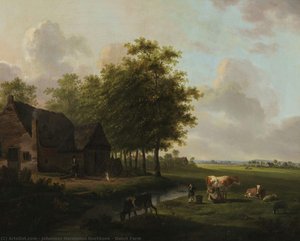
関連作品

作家の略歴
The Master of Serene Horizons: The Life and Legacy of Adam Pynacker
In the grand tapestry of the Dutch Golden Age, where the dramatic shadows of Rembrandt and the luminous domesticity of Vermeer often command the spotlight, there exists a more tranquil thread woven by Adam Pynacker. Born in Schiedam in 1622, the son of a prominent wine merchant, Pynacker’s early life was steeped in the industrious yet culturally rich atmosphere of the Netherlands. While his roots were firmly planted in Dutch soil, his artistic soul was destined for much broader horizons. His work serves as a window into an era that sought to find the divine within the natural world, capturing not just the topography of the earth, but the very breath of the atmosphere itself.
The true metamorphosis of Pynacker’s style occurred during his transformative journey to Italy around 1658. For three formative years, he wandered through the sun-drenched landscapes of Rome and Florence, an experience that fundamentally altered his visual vocabulary. This period of immersion allowed him to absorb the essence of the Italianate landscape tradition, a movement characterized by an idealized, golden light and a sense of classical harmony. Upon his return to the Netherlands, he did not merely replicate the scenes of his travels; instead, he synthesized the rugged realism of his homeland with the warm, atmospheric perspective of the Mediterranean, creating a unique aesthetic that felt both intimately familiar and romantically distant.
A Symphony of Light and Atmosphere
Pynacker’s technical mastery is most evident in his ability to manipulate light to evoke profound emotional responses. He was a painter of transitions—of the soft glow of dawn breaking over a riverbank and the hazy, diffused warmth of a late afternoon sun. His compositions often feature winding waterways, much like his celebrated Barges on a River, where the water acts as a mirror for the sky, blurring the line between earth and ether. This mastery of atmospheric perspective allowed him to create immense depth within a single frame, guiding the viewer's eye through layers of verdant foliage, distant mountains, and soft, billowing clouds.
His artistic lineage is clearly visible in his kinship with other luminaries of the era. One can trace the influence of his style through several key connections:
- Jan Both: The shared pursuit of warm, Italianate light and golden-hued landscapes.
- Nicolaes Berchem: A mutual interest in the integration of small, lively figures within vast, sweeping vistas.
- Johannes Baptiste Weenix: The shared dedication to capturing the textured, organic beauty of the natural world.
Beyond individual canvases, Pynacker achieved a rare level of prestige through his ability to decorate entire interiors. He possessed the rare talent for transforming architectural spaces into immersive visual experiences, painting murals that extended the boundaries of a room into infinite, peaceful landscapes. This practice reflected the sophisticated tastes of 17th-century patrons who desired environments of contemplation and quiet grandeur.
Historical Significance and Enduring Grace
Though his life was relatively short, ending in 1673, Pynacker’s impact on the landscape genre remains indelible. He stood as a guardian of classical ideals during a period of rapid artistic change, a steadfastness that earned him both contemporary respect and historical note. While some might view his commitment to tradition as a refusal to evolve, art historians often see it as a profound dedication to the pursuit of timeless beauty. His works do not shout with the violence of battle or the intensity of religious martyrdom; instead, they whisper of the eternal peace found in a quiet woodland or a slow-moving river.
Today, Pynacker’s legacy lives on in the museums and collections that house his masterpieces, such as The Hermitage. His ability to capture the tranquil landscape continues to resonate with modern viewers, offering a much-needed respite from the chaos of the contemporary world. Through his brush, we are reminded that there is a profound, enduring majesty in the stillness of nature, and that the most powerful emotions are often found in the softest light.
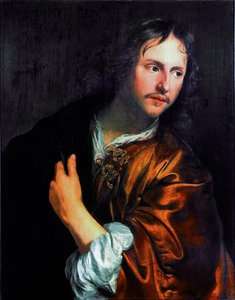
Adam Pynacker
1622 - 1673 , Netherlands
プロフィール概要
- Artistic Movement Or Style: Italianate landscape
- Artists Or Movements Influenced By This Artist: ['Romantic Landscape']
- Artists Who Influenced This Artist:
- Jan Both
- Nicolaes Berchem
- Jan Asselyn
- Date Of Birth: 1622
- Date Of Death: 1673
- Full Name: Adam Christiaensz Pynacker
- Nationality: Dutch
- Notable Artworks:
- Barges on a River
- Landscape with a Goatherd
- Landscape with a Winding Roadway
- Place Of Birth: Schiedam, Netherlands

