

 プレビュー
プレビュー
 プリントを購入
 シェアする
シェアする シェアする
シェアする
 詳細を見る
詳細を見る

 ダウンロード
 似ている作品
 X線調査
X線調査 スライドショー
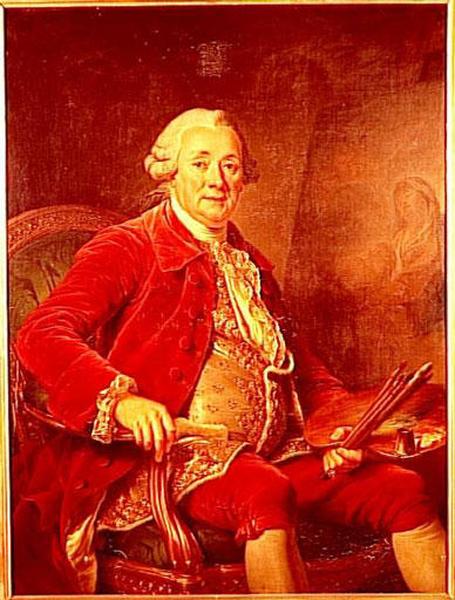
CHARLES AMEDEE PHILIPPE VAN LOO (1719 1795)

 詳細を見る
詳細を見る




































作品のオリジナル比率に合わせた、当店の規定サイズからお選びください。

特定のフレームやスペースに合わせて、ご希望のサイズをご入力いただけます。選択されたサイズが元の画像の比率と異なる場合、アートワークをトリミングするか、手描きで要素を追加して絵画を拡張いたします。デジタルモックアップ を制作し、制作開始前にご確認(承認)をいただきます。
画面上のプレビューは、実際のトリミングや拡張を正確に反映しているものではありません。最終的な構図は、モックアップによってのみ正確にご確認いただけます。
カスタムサイズもご利用いただけますが、元の比率を維持するためには、あらかじめ用意されたリストからサイズを選択することをお勧めいたします。
ご注文後、ArtsDot.com チームより詳細な指示をお送りするとともに、仕上がりイメージ(モックアップ)をご提供いたします。


 ガラスオプションは、110cm未満のサイズでのみご利用いただけます。

CHARLES AMEDEE PHILIPPE VAN LOO (1719 1795)
複製技法
複製画のサイズ
-


合計金額
$ 263
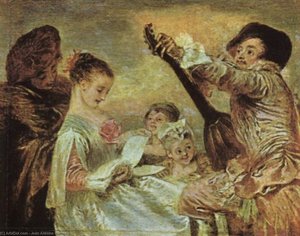
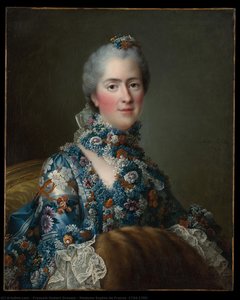
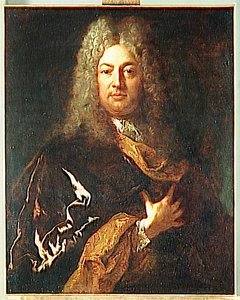
関連作品
アーティストの略歴
Adélaïde Labille-Guiard: A Pioneer of Female Artistic Agency
Adélaïde Labille-Guiard (1749–1803) stands as a remarkable figure in the history of French art, not merely for her exquisite portraits but also for her courageous challenge to the restrictive conventions that governed women’s roles within the artistic world. Born in Paris on April 11th, 1749, into a family of haberdashers, Labille-Guiard's path to becoming a celebrated miniaturist and portrait painter was anything but straightforward—it required navigating a landscape where formal training for women was scarce and societal expectations heavily limited their opportunities. Her early life reveals a dedication to artistic pursuits, initially studying under the guidance of François-Élie Vincent, a skilled miniature painter, and later receiving instruction from Quentin de la Tour, a master known for his pastel work. This foundational training laid the groundwork for her distinctive style, characterized by its delicate brushwork, nuanced rendering of fabrics, and an uncanny ability to capture the psychological depth of her subjects.Early Career and Academic Recognition
Labille-Guiard’s rise within the Parisian art scene was marked by both triumph and persistent obstacles. She quickly gained recognition for her miniature portraits, exhibiting her work at the Académie de Saint-Luc in 1767, a significant milestone for any young artist, particularly one of her gender. Despite this initial success, she faced considerable resistance from the established male artists who dominated the Academy. The prevailing belief that women were inherently incapable of mastering complex artistic techniques and lacked the intellectual rigor required for serious painting created formidable barriers to advancement. However, Labille-Guiard’s talent and determination refused to be suppressed. She persisted in her studies, honing her skills and steadily building a clientele. A pivotal moment arrived in 1783 when she was admitted to the Académie Royale de Peinture et de Sculpture—a watershed achievement that marked her as one of the first women to receive full academic recognition within the prestigious institution. This admission, however, came with restrictions, including limitations on her studio space and a requirement to primarily focus on portraiture.A Studio for Women: Innovation and Advocacy
Labille-Guiard’s most enduring legacy lies in her pioneering efforts to establish a studio specifically for female artists. Recognizing the systemic disadvantages faced by aspiring women painters, she secured permission from the Académie in 1783 to open her own workshop, providing training and mentorship to young women who sought to pursue their artistic ambitions. This bold move was revolutionary—it challenged the established hierarchy of the art world and offered a rare opportunity for female artists to learn alongside their male counterparts. Her studio became a hub of creativity and collaboration, fostering a supportive environment where women could develop their skills and gain recognition for their work. She actively encouraged her students to embrace diverse subjects and techniques, moving beyond traditional portraiture to explore landscapes and historical scenes. This commitment to inclusivity cemented her reputation as a champion of female artistic agency.Notable Works and Artistic Style
Labille-Guiard’s oeuvre is characterized by a refined elegance and psychological insight. Her portraits are not merely representations of likeness; they capture the essence of her subjects, revealing their personalities, emotions, and social standing. She was particularly adept at portraying women, skillfully rendering the textures of fabrics, the nuances of expression, and the subtle details that defined their individual identities. Among her most celebrated works is *Self-Portrait with Two Pupils* (1785), a masterful composition that not only showcases her artistic skill but also serves as a powerful statement about her commitment to fostering female artistic talent. The painting depicts Labille-Guiard seated at her easel, instructing two young women in the art of portraiture—a visual embodiment of her advocacy for equal opportunities within the art world. Other notable works include portraits of prominent figures such as Madame Adélaïde and Victoire, the elder sisters of Louis XVI, and numerous studies of drapery, reflecting her technical expertise and keen eye for detail.Legacy and Historical Significance
Adélaïde Labille-Guiard’s life and career represent a significant chapter in the history of women artists. She defied societal expectations, navigated institutional barriers, and ultimately paved the way for future generations of female painters. Her establishment of a studio for women was a groundbreaking act of advocacy that challenged the prevailing prejudices against female artistic talent. While her work may not have received the same level of recognition during her lifetime as it does today, her legacy endures as a testament to her courage, skill, and unwavering commitment to equality in the art world. She remains an inspiring figure—a pioneer who demonstrated that talent knows no gender and that artistic excellence can flourish regardless of societal constraints. Her story continues to resonate with artists and art enthusiasts alike, reminding us of the importance of challenging conventions and advocating for inclusivity within the realm of creativity.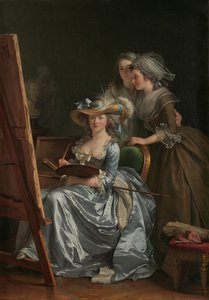
adélaïde labille-guiard des vertus
1749 - 1803 , France
基本情報
- Artistic Movement Or Style: Rococo to Neoclassicism
- Artists Or Movements Influenced By This Artist: ['Rachel Ruysch']
- Artists Who Influenced This Artist:
- François-Élie Vincent
- Quentin de la Tour
- Date Of Birth: 11 April 1749
- Date Of Death: 24 April 1803
- Full Name: Adélaïde Labille-Guiard des Vertus
- Nationality: French
- Notable Artworks:
- Self-Portrait with Two Pupils
- Portrait of Madame Guiard
- Place Of Birth: Paris, France
関連記事
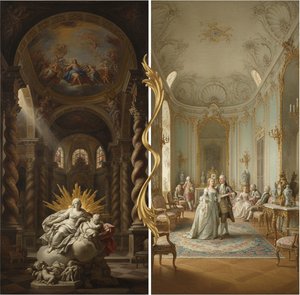
From Grandeur to Grace: Exploring the Evolution of Baroque & Rococo Art
Explore the captivating evolution from Baroque's drama to Rococo's grace! Discover key artists, characteristics & lasting influence of these art movements with expert insights at ArtsDot.

The Rococo Aesthetic: Opulence, Rebellion & the Pursuit of Pleasure in 18th-Century Art
Explore the opulent world of Rococo art! Discover its origins, key artists like Watteau & Boucher, and lasting influence on design. Expert insights for collectors & enthusiasts.
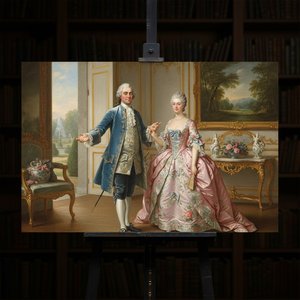
Charles-André van Loo: A Study in Rococo Portraiture & the French Court's Artistic Dynamics
Explore the elegant world of Charles-André van Loo, a master of Rococo portraiture at the French court. Discover his life, techniques, and enduring influence on 18th-century art. Hand-painted reproductions available.

華麗なるロココ:芸術史を彩る10大傑作の世界
華麗なるロココ美術の世界へ。バロックから生まれた優雅な芸術、その10大傑作を徹底解説!ブーシェ、フロマンなど巨匠たちの技と物語を紐解き、お部屋を彩るアートを見つけよう。ArtsDot.comで至高の美術館品質レプリカとインテリアアイデアを発見。
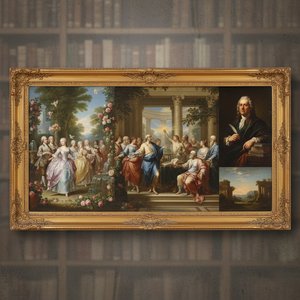
Illuminating the Enlightenment: A Comprehensive Exploration of 18th-Century Painting
Explore the captivating world of 18th-century painting! Discover Rococo's playful elegance & Neoclassicism’s Enlightenment ideals with expert insights into Fragonard, David, and more. A comprehensive guide for art enthusiasts.

