 プレビュー
プレビュー
 プリントを購入
 シェアする
シェアする シェアする
シェアする
 詳細を見る
詳細を見る

 ダウンロード
 似ている作品
 X線調査
X線調査 スライドショー
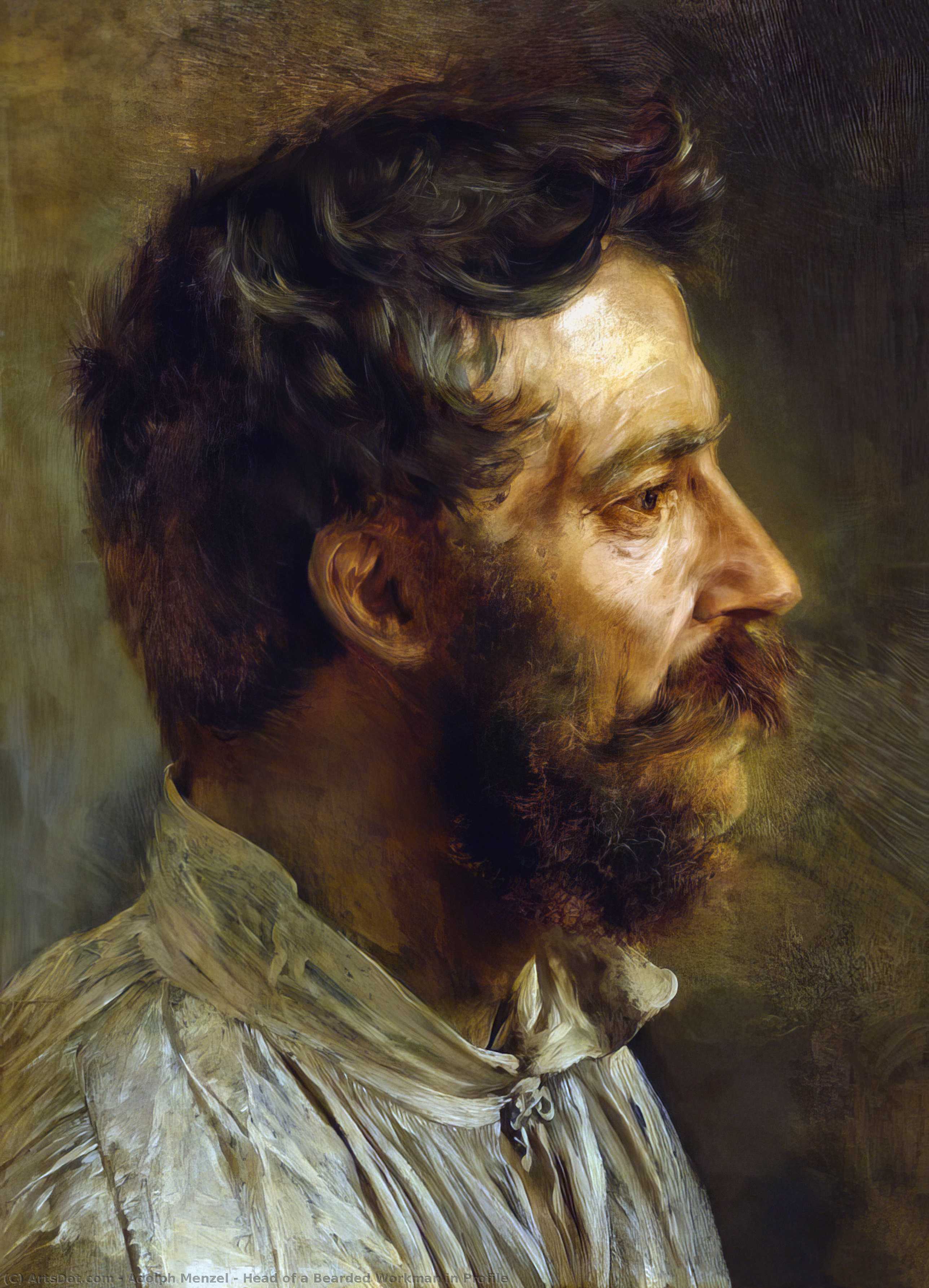
Head of a Bearded Workman in Profile

 詳細を見る
詳細を見る
オンラインプレビューをはるかに凌ぐ、高解像度で鮮明なデジタル画像をご購入いただけます。
各ファイルは、社内の専門家が高度なツールと熟練した手作業によるレタッチを用いて、細心の注意を払って準備されています。すべての画像において、卓越した鮮明度、正確な色彩再現性、そして繊細なディテールを保証いたします。
最終ファイルは、プロフェッショナルな編集・印刷環境ですぐにご利用いただけるよう最適化された状態で、72時間以内にメールにてお届けいたします。これは、一流のデザインスタジオ、出版社、ギャラリーから信頼されているものと同等の品質です。
デジタル画像のご注文に付随する特典
高品質なデジタル画像配信を、確かな品質で。
ArtsDot.com を選ぶことは、単に画像を手に入れることではありません。それは、プロの手によって精密に仕上げられ、満足保証が付いた高品質なデジタルアートワークを受け取ることを意味します。ご注文いただいた際に自動的に付随する内容は、以下の通りです:

メールですぐにお届け
ご注文から72時間以内に、高解像度のデジタル画像ファイルがメールでお手元に届きます。すぐにそのままご利用いただけます。

AI技術で最適化されたデジタルファイル
お客様の作品は、高度なAIツールと専門家による手作業の編集を組み合わせてプロフェッショナルに最適化されており、細部のディテール、鮮明さ、そして正確な色再現性を最大限に引き出しています。

一生涯無料の再送サービス
ファイルを誤って削除したり、紛失してしまったりしましたか?ご安心ください。いつでも無料で再送いたします。

輸入手数料は一切かかりません
関税や手数料、配送料を気にすることなく、お気に入りのアートワークをすぐにお楽しみいただけます。デジタルダウンロードは常に免税です。

色彩再現の保証
プロ仕様のツールとカラーマネジメント技術を用いることで、デジタル画像が元の色を最大限に忠実に再現することを保証いたします。

60日間満足保証
ご購入いただいたデジタル画像にご満足いただけない場合は、60日以内であれば、修正または100%の返金(理由を問う必要はありません)をさせていただきます。

100% 返金保証
ご満足いただけない場合は、デジタルファイルを受け取ってから60日以内であれば、理由を問わず全額返金いたします。

まとめ買い割引
3枚購入で10%OFF - 5枚購入で15%OFF - 10枚以上購入で20%OFF。クリエイティブなプロジェクト、ギャラリー、エージェンシーに最適です。
関連作品

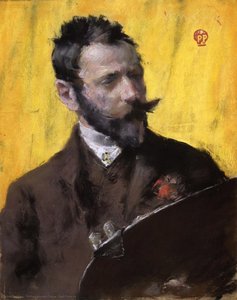
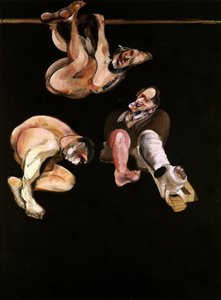
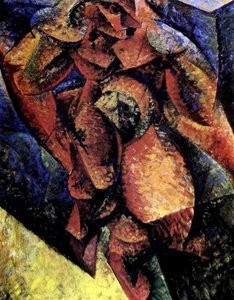
作家の略歴
A Life Immersed in Prussian Reality: The World of Adolph Menzel
Adolph Menzel, born on December 30, 1815, in Düsseldorf, Germany, was not merely a painter; he was a visual chronicler of his time, an artist whose work became inextricably linked with the spirit – and often, the anxieties – of 19th-century Prussia. His father, Wilhelm Menzel, a renowned calligrapher and art educator, instilled in him a rigorous academic foundation from a young age, but it was the burgeoning industrial landscape and the social currents swirling around Berlin that truly shaped his artistic vision. Unlike many artists who sought escape in idealized landscapes or mythological narratives, Menzel turned his gaze inward, focusing on the everyday lives of ordinary people and the monumental shifts occurring within Prussian society. He died in 1905 in Berlin, leaving behind a legacy as one of Germany’s most important Realist painters.Early Training and the Rise of Historical Realism
Menzel's early artistic development was marked by a meticulous attention to detail, honed through his father’s instruction and further refined during studies with Carl Joseph Begas at the Düsseldorf Academy. However, he quickly grew restless within the confines of academic tradition. A pivotal moment came in 1835 when he traveled to Italy – a customary pilgrimage for aspiring artists – but found himself largely unimpressed by the classical grandeur that captivated his peers. Instead, he was drawn to the raw energy and immediacy of everyday life, sketching scenes of bustling markets, humble workshops, and the working classes. This nascent interest in Realism solidified upon his move to Berlin in 1840, where he became associated with a circle of intellectuals and artists who challenged conventional artistic norms. His early works, such as *The Potato Eaters* (1836) and scenes from Frederick the Great’s court, already demonstrated a remarkable ability to capture both historical accuracy and psychological depth. He wasn't simply recreating events; he was attempting to understand – and portray – the human experience within them.Chronicler of an Era: Menzel’s Major Works
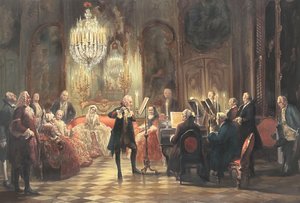
Menzel’s career reached its zenith in the latter half of the 19th century with a series of monumental historical paintings that cemented his reputation as Prussia's foremost artist. *The Flute Concert* (1872), perhaps his most famous work, is a masterpiece of Realist observation, depicting a private musical gathering within a bourgeois home. The painting’s power lies not in grand gestures or dramatic narratives but in the subtle interplay of light and shadow, the nuanced expressions of the figures, and the palpable sense of intimacy. Similarly, *Frederick the Great Playing the Flute in Sanssouci* (1853) eschews romanticized depictions of the Prussian king, presenting him as a contemplative figure immersed in his music. His work on the series *History of German Art*, commissioned by Kaiser Wilhelm I, further showcased his dedication to historical accuracy and meticulous research. Beyond these large-scale canvases, Menzel produced an astonishing volume of drawings, watercolors, and prints – often serving as studies for larger compositions but also standing as compelling works in their own right. These smaller pieces offer a fascinating glimpse into his artistic process and his unwavering commitment to capturing the details of everyday life.Influences and Artistic Development
While Menzel is firmly associated with Realism, his work was not devoid of influence. He admired the Dutch Masters – particularly Rembrandt and Vermeer – for their mastery of light and shadow and their ability to imbue ordinary scenes with psychological depth. The burgeoning field of photography also played a role in shaping his artistic vision, encouraging him to capture fleeting moments with unprecedented accuracy. However, Menzel was not simply imitating these influences; he synthesized them into a uniquely personal style characterized by its meticulous detail, psychological insight, and unwavering commitment to portraying the realities of Prussian society. His work evolved over time, becoming increasingly complex and nuanced as he grappled with the social and political changes unfolding around him. He moved from early Romantic tendencies towards an almost scientific objectivity in his later works, yet always retained a deep empathy for his subjects.Legacy and Historical Significance
Adolph Menzel’s impact on German art is profound. He elevated Realism to new heights, demonstrating its potential to capture not only historical events but also the complexities of human experience. His work served as a powerful commentary on Prussian society – celebrating its achievements while simultaneously acknowledging its inequalities and anxieties. He was appointed professor at the Academy of Arts in Berlin in 1873, though he often clashed with the institution’s conservative norms.- His influence extended beyond painting, inspiring generations of artists to embrace Realism and social commentary.
- Menzel's meticulous documentation of Prussian life provides invaluable insights into the period for historians and art scholars alike.
- He remains a celebrated figure in German cultural history, his works continuing to captivate audiences with their beauty, accuracy, and psychological depth.