

 プレビュー
プレビュー
 プリントを購入
 シェアする
シェアする シェアする
シェアする
 詳細を見る
詳細を見る

 ダウンロード
 似ている作品
 X線調査
X線調査 スライドショー
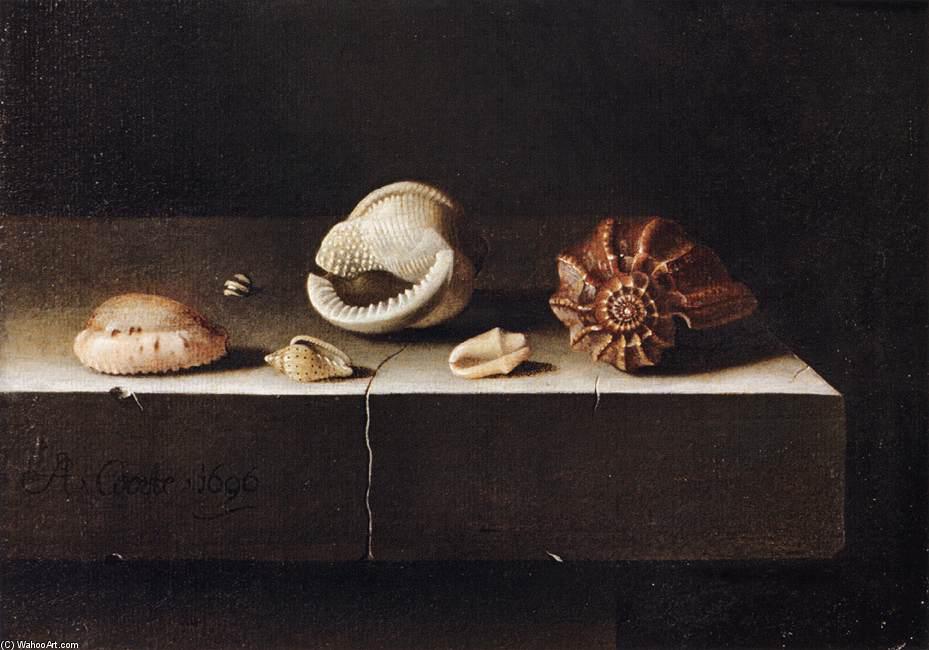
Five Shells on a Slab of Stone
 Oil On Canvas
- WallArt
- Dutch Golden Age
 1696
1696 15.0 x 22.0 cm
 ルーブル美術館
 詳細を見る
詳細を見る




P118B $10

P118H $10

P118W $10

P438Z $10

P508JH $12

P508YH $12

P805H $10

P805Z $10

P919BZ $10

P919G $10

P919XJ $10

P959ZH $10

P968JZ $12

W106C $8

W218G $10

W218JH $8

W218Y $10

W307PJ $10

W316G $10

W316PJ $8

W316Y $10

W398PJ $8

W4111J $10

W500HY $15

W500JH $15

W692G $12

W849H $8

W940BG $15

W953PJ $8




作品のオリジナル比率に合わせた、当店の規定サイズからお選びください。

特定のフレームやスペースに合わせて、ご希望のサイズをご入力いただけます。選択されたサイズが元の画像の比率と異なる場合、アートワークをトリミングするか、手描きで要素を追加して絵画を拡張いたします。デジタルモックアップ を制作し、制作開始前にご確認(承認)をいただきます。
画面上のプレビューは、実際のトリミングや拡張を正確に反映しているものではありません。最終的な構図は、モックアップによってのみ正確にご確認いただけます。
カスタムサイズもご利用いただけますが、元の比率を維持するためには、あらかじめ用意されたリストからサイズを選択することをお勧めいたします。
ご注文後、ArtsDot.com チームより詳細な指示をお送りするとともに、仕上がりイメージ(モックアップ)をご提供いたします。


 ガラスオプションは、110cm未満のサイズでのみご利用いただけます。

Five Shells on a Slab of Stone
複製技法
複製画のサイズ
-


合計金額
$ 263
作品解説
A Rediscovered Master of Dutch Still Life: Adriaen Coorte and “Five Shells on a Slab of Stone”
The name Adriaen Coorte lingered in the shadows of art history for centuries, a testament to the serendipitous nature of rediscovery. Unlike his contemporaries—Rembrandt, Vermeer, Rubens—Coorte eschewed fame and grandeur, dedicating himself instead to a singular pursuit: capturing the quiet beauty of commonplace objects with unparalleled precision and sensitivity. His legacy was almost entirely forgotten until recent scholarship unearthed evidence of his existence, prompting renewed fascination with this elusive artist and his remarkable oeuvre. “Five Shells on a Slab of Stone,” painted in 1696, exemplifies Coorte’s distinctive approach—a deceptively simple composition that speaks volumes about the artistic ideals of the Dutch Golden Age.The Painter's Craftsmanship: Technique and Style
Coorte’s style is undeniably rooted in the traditions of Hondecoeter, his mentor, yet he possessed a singular vision that distinguished him from others of his time. He practiced meticulous observation, painstakingly rendering textures—the smooth coolness of stone juxtaposed against the delicate sheen of seashells—with astonishing realism. Coorte employed oil paint on wood, utilizing layering techniques to build up tonal gradations and create luminous effects. The artist’s masterful manipulation of light is particularly noteworthy; it casts subtle shadows that accentuate the contours of each shell, imbuing the scene with a palpable sense of atmosphere. This careful attention to detail reflects the broader artistic ethos of the period—a commitment to portraying the natural world with accuracy and conveying profound emotional resonance.A Window into Dutch Baroque Aesthetics: Historical Context
“Five Shells on a Slab of Stone” emerged during the height of the Dutch Baroque, a stylistic movement characterized by dramatic contrasts of light and dark, opulent ornamentation, and an emphasis on illusionistic painting. The baroque aesthetic sought to evoke emotion and grandeur, mirroring the influence of Roman Catholicism and reflecting the burgeoning confidence of the Dutch Republic as a maritime power. Still life paintings like Coorte’s served not merely as decorative objects but also as vehicles for philosophical contemplation—a reflection on mortality, beauty, and the passage of time. The painting's placement within the Louvre underscores its significance as an exemplar of artistic excellence and intellectual curiosity.Symbolism Beneath the Surface: Interpreting the Imagery
Beyond its technical brilliance lies a rich tapestry of symbolism. The five seashells themselves are not merely decorative elements; they represent concepts of abundance, fertility, and contemplation. Each shell—the large clam with its pearl, the nautilus spiral, the scallop valve, and the closed shells—holds individual significance, inviting viewers to consider themes of creation, growth, and stillness. The dark background serves as a counterpoint to the luminous shells, emphasizing their beauty against an implied void – a visual metaphor for the fragility of existence and the importance of appreciating fleeting moments of splendor.Emotional Resonance: Capturing Tranquility and Reflection
Ultimately, “Five Shells on a Slab of Stone” transcends its formal qualities to convey a profound sense of tranquility and introspection. Coorte’s masterful depiction of light and texture invites viewers into a meditative space—a quiet contemplation of the natural world and its inherent beauty. The painting's understated elegance speaks to a deeper yearning for simplicity and harmony, resonating with collectors and interior designers alike who seek pieces that inspire serenity and elevate their surroundings. It stands as a poignant reminder that true artistic achievement lies not in ostentation but in capturing the essence of human experience—a feat accomplished flawlessly by this rediscovered master of Dutch still life.関連作品



アーティストの略歴
アドリアン・クールテ:再発見されたオランダ静物画の巨匠
アドリアン・クールテという名は、何世紀にもわたって美術史の記録からほとんど姿を消していました。しかし、彼が体現するのは、17世紀オランダ絵画の世界における、魅力的で感動的な「再発見」の物語です。1665年頃にオランダのミデルブルクで生まれ、悲劇的に1707年以降に亡くなったクールテの生涯は、ある種の謎に包まれており、この点が皮肉にも彼の永続的な魅力を高めています。彼は黄金時代の華やかな人物ではありませんし、壮大なサロンや王室のコレクションを飾る作品を生み出したわけでもありません。それどころか、クールテは非常に親密で細部にまでこだわった静物画というジャンルにおいて、最後の実践者の一人として独自の地位を築き上げました。それは、光、質感、そして日常のささやかな美しさに対する深い瞑想を提供する、控えめな配置群でした。
クールテの芸術的な道のりは、1680年頃にアムステルダムでメルキオール・ド・ホンデコーターの指導のもと始まりました。鳥の緻密な描写や、同じ主題の複数のバリエーションを描くという体系的な反復へのアプローチで名高いホンデコーターは、クールテに観察に対する規律ある眼差しと、注意深く構築された構図を創り出す才能を植え付けたようです。しかし、クールテの軌跡はすぐに彼の故郷ミデルブルクへと戻り、そこで工房を設け、1683年頃から作品に署名し始めます。この帰還は、師のより華美なアプローチとは一線を画す、ほとんど質素な簡潔さによって特徴づけられる、明確に個人的なスタイルへの転換点となりました。
ミニマリストの巨匠の様式
クールテの絵画は、その目覚ましい抑制と静かな優雅さにおいて即座に識別できます。同時代の多くの画家たちが好んだ、エキゾチックな果物や銀器、豪華な布地で溢れかえるような贅沢な静物画とは異なり、クールテの作品群は驚くほど引き算された印象を与えます。彼の構図は通常、ささやかな日用品の小さな集まりを特徴としていました。それは、荒削りな石板の上に置かれた単一の桃やアプリコットかもしれませんし、貝殻が散らばった様子かもしれません。あるいは、暗くほとんど通り抜けられないような背景に対峙する数本のアスパラガスの房かもしれません。食器類も同様に素朴で、豪華な銀器ではなくシンプルな陶器が用いられ、素材そのものが持つ本質的な美しさを強調しています。この意図的なミニマリズムは貧困から生まれたものではなく、むしろ注意深い観察と光の巧みな操作を通じて、一つ一つの物体の本質を捉えようとするクールテの強い集中力を反映していたのです。
クールテの絵画における照明は特に注目に値します。彼はしばしば目に見えない単一の光源を用い、光と影の劇的なコントラストを生み出し、主題の質感やフォルムを際立たせています。暗い背景は、それぞれの物体が持つ繊細なディテールを孤立させ、強調する役割を果たし、鑑賞者の視線を色彩や形の微妙な変化へと導きます。この技法とクールテの緻密な観察眼が組み合わさることで、あたかも鑑賞者が家庭内の小さな、注意深く配置された静物画を覗き込んでいるかのような、驚くべき即時性と親密さを備えた絵画が誕生したのです。
影響と遺産
クールテの様式は疑いなく独自のものですが、彼が師であるホンデコーターや、それ以前の世代のオランダの静物画家たちからも影響を受けていたことは明らかです。ホンデコーターの作品に見られる反復への体系的なアプローチ――鳥のポーズを注意深く複製すること――は、クールテ自身の構図における基礎的な要素と見なすことができます。しかし、クールテの絵画には、同時代の多くの画家たちのより装飾的な様式とは一線を画す、ある種の質素さと直接性も備わっています。彼は特に、ピーター・ピーテルスツ・コンパニオンのような古い巨匠たちの作品に惹かれていたようで、その簡潔な配置と光と影への強調は、クールテ自身のアプローチを予見していたかのようです。
彼の才能と献身にもかかわらず、クールテは2世紀以上にわたりミデルブルクの外ではほとんど知られていませんでした。20世紀半ばになって初めて、美術史家のローレンス・J・ボルが彼の作品の擁護者となり、彼の絵画を丹念に目録化し、1977年に包括的なモノグラフを出版しました。この再発見はクールテの芸術に対する新たな関心を呼び起こし、アムステルダムの国立美術館やワシントンD.C.のナショナル・ギャラリーといった権威ある美術館での展覧会へと繋がりました。今日、アドリアン・クールテは、静かな観察と控えめな美しさという尽きることのない力に対する証として、オランダ黄金時代において最も重要でありながらも悲劇的に見過ごされてきた人物の一人と認められています。
注目すべき作品
- 石の台座上のいちごのボウル、1696年:クールテ様式の典型的な例であり、シンプルな石板の上に配置された熟したイチゴが展示されています。
- 題名なし(AQRD9W):作家特有のミニマリストなアプローチを示す無名の作品です。
- 石の棚上の桃とアプリコット、1665年~1707年:暗い背景を背にした果物の繊細な配置は、クールテの光と影の熟練度を際立たせています。
- アドリアン・クールテ風:彼のスタイルに触発された様々な作家による作品群です。
歴史的意義
アドリアン・クールテの重要性は、壮大な物語や革命的な技法にあるのではなく、むしろ特定の美学に対する揺るぎない献身にあります。彼は、富と贅沢の華やかな展示によって特徴づけられることが多かったオランダ黄金時代の主流な傾向に対するアンチテーゼを体現しています。クールテの絵画は、シンプルさ、観察、そして日常の物体に対する静かな思索を重んじる、異なる感性の一端を垣間見せてくれます。彼の再発見は、真の芸術的価値が壮大なジェスチャーの中だけでなく、注意深く観察された静物画の微妙なニュアンスの中にも存在し得ることを思い出させてくれるものであり、控えめな美しさという尽きることのない力への証なのです。
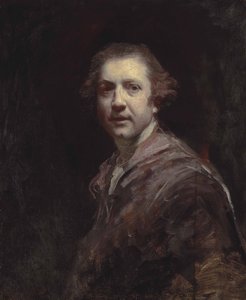
アドリアン・クルト
1665 - 1707 , オランダ
基本情報
- Artistic Movement Or Style: オランダ黄金時代、静物画
- Artists Or Movements Influenced By This Artist: ['バロック']
- Artists Who Influenced This Artist: ['メルキオール・ホンデコーター']
- Date Of Birth: 1665年、ミデルブルク
- Date Of Death: 1707年
- Full Name: アドリアエン・クーрте
- Nationality: オランダ人
- Notable Artworks:
- イチゴのボウル
- 桃とアプリコットの棚
- 3つの桃の石
- Place Of Birth: ミデルブルク、オランダ
関連記事

黄金世紀の巨匠たち:バロック絵画が彩る10選|ArtsDot
オランダ黄金時代の10大傑作を紐解く!レンブラント、フェルメール…バロック絵画の魅力と時代背景を深く探求。ArtsDotで、至高のアートコレクションと空間演出のヒントを見つけよう。高品質なアートプリントで、お部屋を華やかに。

Golden Age Reflections: Dutch Baroque Painting & Cultural Innovation
Explore the Dutch Golden Age of painting! Discover key artists like Vermeer & ter Borch, their innovative techniques, and the rich cultural context behind these Baroque masterpieces. Learn about collecting & appreciating this iconic art period.

Dutch Baroque Masters: 10 Paintings That Shaped an Era | ArtsDot
Journey through the Golden Age with our guide to the Top 10 Dutch Baroque masterpieces! Explore iconic paintings by Rembrandt, Vermeer & Frans Hals. Find museum-quality art reproductions and elevate your home decor at ArtsDot.com.

Illuminating Innovation: Exploring the Dutch Golden Age of Painting
Explore the Dutch Golden Age of painting with ArtsDot. Discover Rembrandt, Vermeer & other Masters. Learn about key characteristics, iconic artworks, and lasting influence. Expert insights for collectors & enthusiasts.
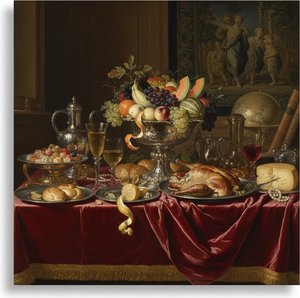
Abraham Hendricksz van Beyeren: Pioneering Dutch Still Life & the Banquet Tradition
Explore the captivating world of Dutch Golden Age still life with Abraham van Beyeren. Discover his innovative techniques, symbolic banquet scenes & lasting influence on art history. Learn about collecting these masterpieces.

