

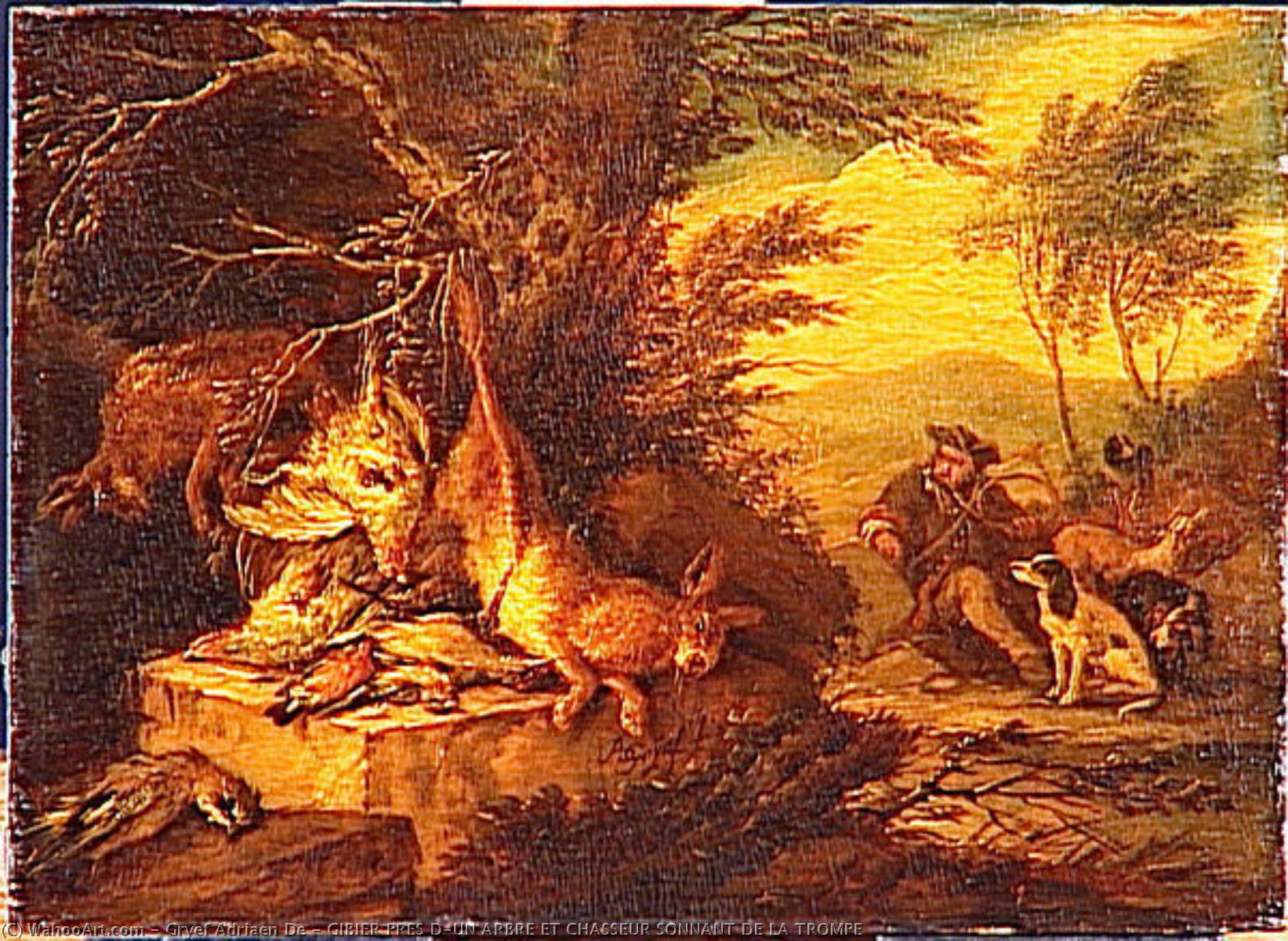
 プレビュー
プレビュー
 シェアする
シェアする シェアする
シェアする
 詳細を見る
詳細を見る

 ダウンロード
 似ている作品
 X線調査
X線調査 スライドショー
GIBIER PRES D'UN ARBRE ET CHASSEUR SONNANT DE LA TROMPE


 詳細を見る
詳細を見る
ジークレー/アートプリント
迅速な制作と多彩な仕上げオプションを備えた、ミュージアムクオリティのジークレーまたはキャンバスプリント。 ( 手描きの絵画を購入 画像を購入)




































作品のオリジナル比率に合わせた、当店の規定サイズからお選びください。

特定のフレームやスペースに合わせて、ご自身でサイズを指定することも可能です。選択されたサイズが元の画像の比率と一致しない場合、作品をトリミングするか、鏡面反射または単色での塗りつぶしによって画像を拡張いたします。制作を開始する前に、ご確認用のデジタルモックアップをお送りいたします。
画面上のプレビューには、実際のトリミングや拡張は反映されませんのでご注意ください。最終的な構図を正確に確認できるのは、モックアップのみとなります。
カスタムサイズも承っておりますが、元の比率を維持するためには、あらかじめ用意されたリストからサイズを選択することをお勧めいたします。


 ガラスオプションは、110cm未満のサイズでのみご利用いただけます。

GIBIER PRES D'UN ARBRE ET CHASSEUR SONNANT DE LA TROMPE
ジークレー/アートプリント
複製画のサイズ
-


合計金額
$ 62
関連作品
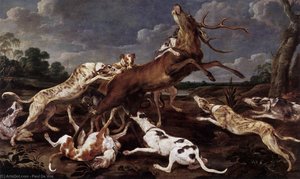
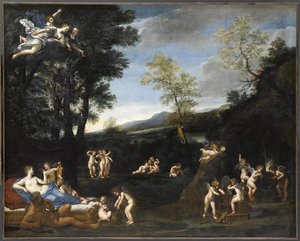
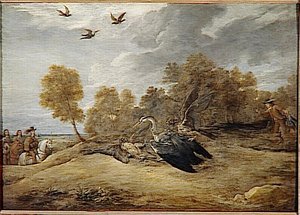
アーティストの略歴
Adriaen de Gryef: A Flemish Master of the Seventeenth Century
Adriaen de Gryef (1657 – 1722), a name perhaps less familiar than some of his contemporaries, nevertheless stands as a significant figure in the rich tapestry of Flemish art during the Baroque period. Born in Leiden and later establishing himself in Antwerp and Brussels, De Gryef’s legacy rests primarily on his dynamic and meticulously rendered hunting scenes, captivating still lifes, and detailed depictions of everyday life within 17th-century Belgium. His work offers a rare glimpse into a world of aristocratic pursuits, rural landscapes, and the burgeoning appreciation for naturalism that characterized the era.
Early Life and Artistic Training
Little is definitively known about De Gryef’s early life, though it's established he was the son of Jacques de Claeuw, a painter who himself had connections to the renowned court painter Jacob van Sandt. This familial link undoubtedly provided an initial foundation for his artistic development. While precise details regarding his formal training remain elusive, it is believed that De Gryef honed his skills within the Guild of St. Luke in Ghent and later achieved membership in the Antwerp guild in 1700. These affiliations were crucial, providing him with a structured environment for learning, exhibiting, and establishing professional connections – vital steps for any aspiring artist seeking recognition.
A World of Hunting and Leisure
De Gryef’s most celebrated works depict scenes of the hunt. These are not simply depictions of sport; they are carefully constructed narratives brimming with symbolism and social commentary. His compositions frequently showcase aristocratic hunters pursuing game through diverse landscapes – from dense forests to open fields, often incorporating elements of religious allegory or moral instruction. The dramatic use of light and shadow, a hallmark of Baroque painting, is particularly evident in these scenes, creating a sense of immediacy and dynamism. Consider “Chasse à l’Ours” (The Bear Hunt), where the figures are rendered with remarkable detail, capturing both the physical exertion of the hunt and the inherent danger of nature. The animals themselves—deer, boar, bear—are depicted with an almost unsettling realism, reflecting a growing interest in scientific observation during this period.
Still Lifes: A Celebration of Abundance
Beyond his hunting scenes, De Gryef produced a series of still lifes that reveal a different facet of his artistic talent. These compositions are characterized by an astonishing level of detail – from the textures of fruit and fabrics to the reflections in pewter vessels. “Still Life In A Garden” exemplifies this meticulous approach, presenting a lavish display of seasonal produce, flowers, and domestic objects arranged within a richly decorated setting. The arrangement isn’t merely decorative; it speaks to themes of wealth, prosperity, and the bounty of nature – common subjects in Dutch Golden Age art. These still lifes demonstrate De Gryef's ability to capture not just the appearance but also the essence of his subject matter.
Legacy and Historical Significance
Adriaen de Gryef’s work represents a crucial link between the more formal, court-oriented painting styles of earlier generations and the emerging naturalism that would define much of 18th-century art. His detailed depictions of hunting scenes and still lifes offer valuable insights into the social customs, economic realities, and artistic sensibilities of 17th-century Belgium. While he may not be as widely recognized as some of his contemporaries – such as Peter Paul Rubens or Jan van Goyen – De Gryef’s contributions to Flemish art history are undeniable. His paintings continue to be appreciated for their technical skill, dramatic compositions, and evocative portrayal of a bygone era. His works can be found in collections like the Accademia Carrara in Bergamo, offering a tangible connection to this talented artist.
adriaen de gryef
1670 - 1715 , Belgium
基本情報
- Artistic Movement Or Style: Baroque
- Artists Or Movements Influenced By This Artist: ['None specified']
- Artists Who Influenced This Artist: ['Jacques de Claeuw']
- Date Of Birth: 1670
- Date Of Death: 1715
- Full Name: Adriaen de Gryef
- Nationality: Flemish
- Notable Artworks:
- GIBIER PRES D'UN ARBRE
- CHASSE A L'OURS
- Still Life In A Garden
- Place Of Birth: Antwerp, Belgium
関連記事

ゴヤ傑作25選:スペインの魂を揺さぶる、深遠な芸術の世界 | ArtsDot
ゴヤ傑作25選:ロマン主義を代表するスペインの巨匠、フランシスコ・デ・ゴヤの世界へ。黒衣の女からマハまで、魂を揺さぶる絵画の物語と技法を紐解きます。ArtsDotで高品質なアートレプリカを見つけ、インテリアに深みと風格を。今すぐコレクションをご覧ください。
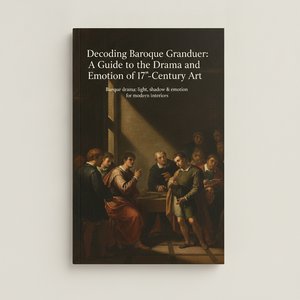
Decoding Baroque Grandeur: A Guide to the Drama and Emotion of 17th-Century Art
Explore the breathtaking drama of 17th-century Baroque art. Our expert guide decodes the use of chiaroscuro, emotional intensity, and historical grandeur to help you appreciate and curate timeless masterpieces for your collection.

About Us
Discover our story! We bring world-class art into your life through expert curation, personalized creations, and free previews. Trusted by individuals and businesses since 2000.

Baroque Classicism: Reconciling Drama & Order in 17th-Century Art
Explore the captivating world of Baroque Classicism! Discover its history, key artists like Caravaggio & Rubens, and defining characteristics. Expert insights & high-quality reproductions at ArtsDot.

バロック美術を極めた至宝:時代を彩る10大名作の世界
バロック美術の華!カラヴァッジョ、ベルニーニら巨匠が創り上げた10大名作を徹底解剖。ドラマチックな色彩と豪華絢爛の世界観に触れ、至宝のアートプリントで空間を彩ろう。ArtsDot.comで美術館品質の複製と洗練されたインテリアを見つけましょう!

