

 プレビュー
プレビュー
 プリントを購入
 シェアする
シェアする シェアする
シェアする
 詳細を見る
詳細を見る

 ダウンロード
 似ている作品
 X線調査
X線調査 スライドショー
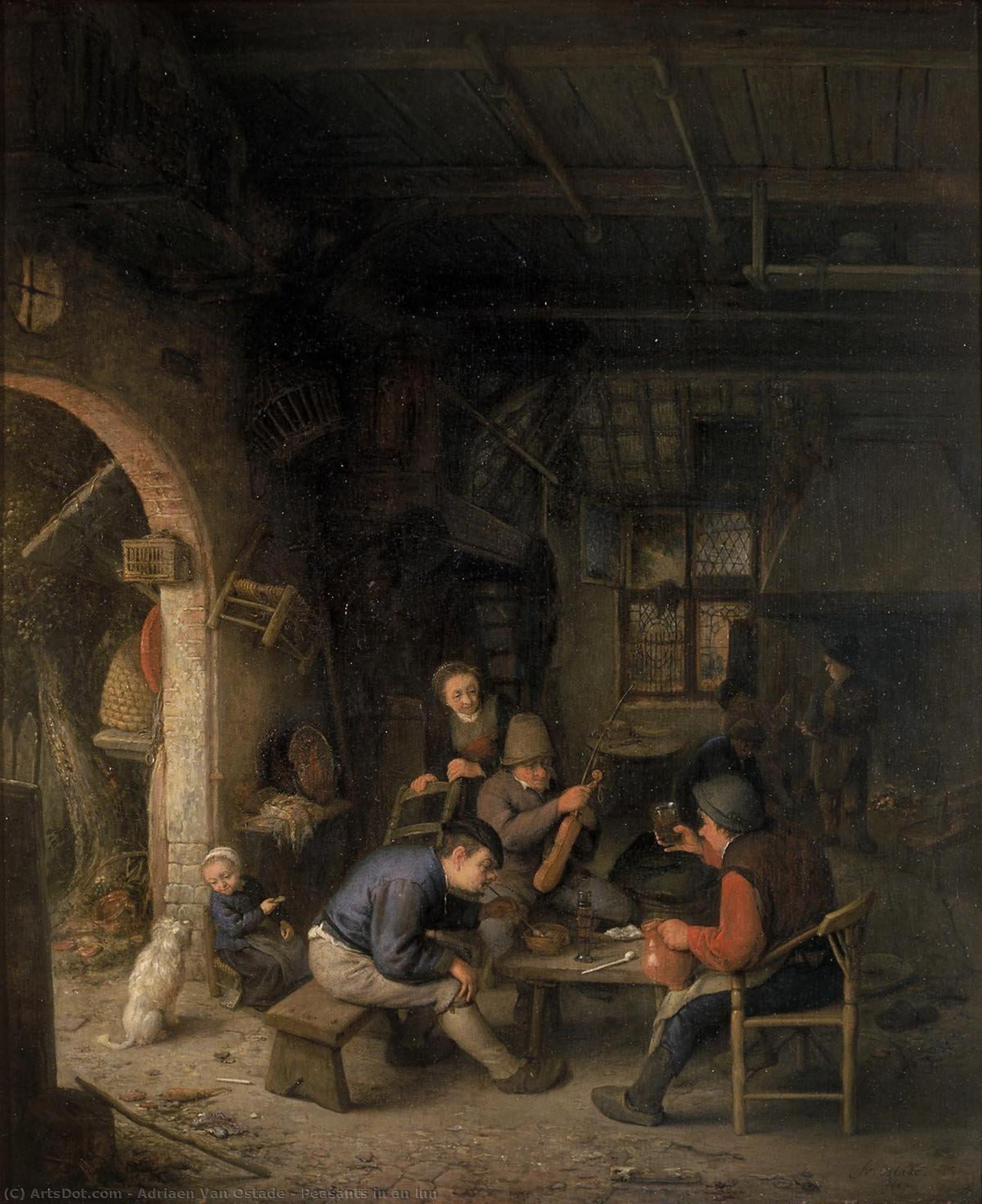
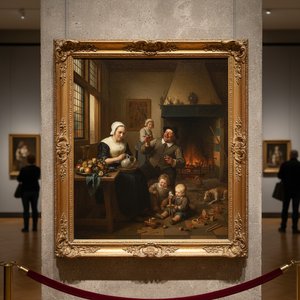
Peasants in an Inn
 Acrylic On Canvas
- WallArt
- Baroque Genre Painting
 1662
1662 48.0 x 39.0 cm
 モウリツハウイス
 詳細を見る
詳細を見る




P118B $10

P118H $10

P118W $10

P438Z $10

P508JH $12

P508YH $12

P805H $10

P805Z $10

P919BZ $10

P919G $10

P919XJ $10

P959ZH $10

P968JZ $12

W106C $8

W218G $10

W218JH $8

W218Y $10

W307PJ $10

W316G $10

W316PJ $8

W316Y $10

W398PJ $8

W4111J $10

W500HY $15

W500JH $15

W692G $12

W849H $8

W940BG $15

W953PJ $8




作品のオリジナル比率に合わせた、当店の規定サイズからお選びください。

特定のフレームやスペースに合わせて、ご希望のサイズをご入力いただけます。選択されたサイズが元の画像の比率と異なる場合、アートワークをトリミングするか、手描きで要素を追加して絵画を拡張いたします。デジタルモックアップ を制作し、制作開始前にご確認(承認)をいただきます。
画面上のプレビューは、実際のトリミングや拡張を正確に反映しているものではありません。最終的な構図は、モックアップによってのみ正確にご確認いただけます。
カスタムサイズもご利用いただけますが、元の比率を維持するためには、あらかじめ用意されたリストからサイズを選択することをお勧めいたします。
ご注文後、ArtsDot.com チームより詳細な指示をお送りするとともに、仕上がりイメージ(モックアップ)をご提供いたします。


 ガラスオプションは、110cm未満のサイズでのみご利用いただけます。

Peasants in an Inn
複製技法
複製画のサイズ
-


合計金額
$ 263
作品解説
A Snapshot of Dutch Rural Life: Adriaen van Ostade’s “Peasants in an Inn”
The painting "Peasants in an Inn," completed in 1662 by Adriaen van Ostade, stands as a quintessential example of Baroque genre painting—a movement that prioritized realism and psychological insight into everyday life over idealized grandeur. More than just a depiction of a tavern scene, it’s a carefully crafted tableau capturing the complexities of rural Dutch society during the Golden Age.The Scene: Detail and Observation
Ostade's masterful technique is immediately apparent upon viewing this artwork. He eschewed Hals’s looser brushstrokes for a meticulous approach, applying paint with precision to render textures—the worn wooden table, the rough fabric of clothing, even the subtle sheen on pewter mugs—with remarkable accuracy. The composition itself is deceptively simple: several figures occupy a dimly lit room, engaged in conversation and consuming food. A dog rests at their feet, adding an element of domestic tranquility amidst the bustle of activity. Ostade’s eye for detail isn't merely decorative; it serves to immerse the viewer in the palpable atmosphere of the inn—the smells of roasting meat, the murmur of voices, the warmth emanating from flickering candlelight.Baroque Style and Psychological Depth
The Baroque period (roughly 1600-1750) was characterized by dramatic contrasts – light and dark, opulent ornamentation alongside restrained restraint – mirroring the turbulent religious and political landscape of Europe at the time. Ostade’s work embodies these stylistic tendencies, utilizing chiaroscuro—the skillful manipulation of light to sculpt forms—to heighten emotional impact. Notice how the shadows envelop certain characters, conveying a sense of melancholy or introspection. This isn't simply portraying people; it’s delving into their inner lives, exploring themes of poverty, camaraderie, and the quiet dignity of ordinary existence.Historical Context: Pieter II Stuyvesant’s Amsterdam
“Peasants in an Inn” was created during the reign of Pieter II Stuyvesant, Governor-General of New Netherland (later New York), marking a period of significant economic prosperity for Amsterdam and its surrounding region. The Dutch Republic experienced a flourishing trade with Asia and Europe, fueling urbanization and creating a burgeoning middle class. Ostade’s depiction reflects this social reality—a scene from the lives of common folk who contributed to the nation's wealth and cultural dynamism. It speaks to a broader concern within Baroque art – capturing not just what people *looked* like but how they *felt*.Symbolism: Beyond Surface Appearance
The inclusion of objects like the dog, the cup, and the book adds layers of symbolic meaning. The dog represents loyalty and companionship—values central to rural life—while the cup symbolizes hospitality and shared sustenance. The book hints at intellectual pursuits amidst the physicality of daily routines, suggesting that even in humble surroundings, individuals strive for enlightenment and understanding. Ostade’s subtle gestures convey a profound appreciation for human experience, elevating a commonplace scene into something emotionally resonant.Emotional Impact: A Moment Frozen in Time
Ultimately, “Peasants in an Inn” succeeds in capturing the essence of human connection—the quiet comfort found in shared companionship and the dignity inherent in facing life’s challenges with resilience. Ostade's painting invites contemplation on themes of social responsibility and the beauty of simplicity. It remains a powerful reminder that art can illuminate aspects of human existence often overlooked by grand narratives, offering instead a glimpse into the heart of Dutch rural culture during its golden age.関連作品

アーティストの略歴
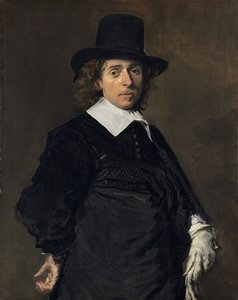
アドリアーン・ファン・オスターデ:オランダ風俗画に刻まれた生涯
幼少期と修業の道
- 誕生:1610年、オランダ、ハールレムにて。
- ファン・オスターデは芸術家の一族に生まれました。父ヤン・ファン・オスターデはタペストリー織りであり、この豊かな芸術的環境が、彼の幼少期における視覚芸術への情熱を育んだことは間違いありません。
- 初期の修行:彼と弟のイサック・ヤンスス・ファン・オスターデは、当初、躍動感あふれる肖像画や風俗画で知られるオランダ黄金時代の巨匠、フランス・ハルスに師事しました。
- しかし、ハルスの下での時間は比較的短いものでした。彼らはやがて師のスタイルから独自の道を歩み始め、自分たちにしか描けない独自の絵画的アプローチを確立していったのです。
芸術的発展と独自の様式
- 初期の作品(1630年代):ファン・オスターデの初期作品は、しばしばハルスの自由な筆致を模倣していましたが、次第にその技法を洗練させていきました。
- 彼はやがて「風俗画」へと焦点を移します。それは、農民や労働者階級の人々が織りなす、ありのままの日常を描き出す試みでした。
- 独自のスタイル:彼の様式は、緻密な細部へのこだわり、光と影の繊細な操り(キアロスクーロ)、そして主題に対する写実的な描写にその真髄があります。
- 衣服の質感や小道具、周囲の環境を巧みに捉えることで、作品の中に圧倒的なリアリティと真正性を吹き込みました。
- 画題:酒場での一場面、村の市、農民の室内風景など、日常の断片が彼の主要なテーマとなりました。
主要な傑作と功績
- 「お祈り」(1660年頃):クリーブランド美術館に収蔵されているこの作品は、彼の最高傑作の一つとされています。慎ましやかな主題の中にさえ、尊厳と詩的な美しさを見出す彼の卓越した才能が凝縮されています。
- 「笑う農民」(1634年):アムステルダムのクレマー・コレクションに眠る、小さくも心を捉えて離さない作品です。表情豊かな顔立ちや身振りを描き出す、彼の類まれな技術が光っています。
- 酒場の情景:ファン・オスターデは数多くの酒場風景を描き、17世紀のオランダの人々の社交生活を現代に伝えています。酒を酌み交わし、煙を燻らせ、音楽に興じる賑やかな集いの様子が、鮮やかに描き出されています。
- 風景画:風俗画の大家として知られる一方で、彼は風景画も手がけました。そこには素朴な田園風景と、日々の営みに勤しむ人々の姿が描かれています。
影響と遺産
- フランス・ハルスの影響:ハルスの下での初期修行は、オランダ絵画の技法と風俗的な題材を学ぶための揺るぎない基礎となりました。
- デヴィッド・テニエール2世との比較:美術史家はしばしば、ファン・オスターデの作品を、もう一人の著名な風俗画家デヴィッド・テニエール2世と比較します。しかし、両者の作品には地域的な差異が反映されており、テニエールがブラバントを描いたのに対し、ファン・オスターデはホラントの情景に集中していました。
- 後世の芸術家への影響:自然主義と日常生活を重視した彼の姿勢は、後の印象派や写実主義といった芸術運動への道筋をつけました。また、光と影への鋭い洞察は、バロック絵画にも大きな影響を与えました。
- 歴史的重要路:彼はオランダ黄金時代を代表する重要人物であり、17世紀のオランダ社会の生活様式や習俗を知るための貴重な窓となっています。
晩年と終焉
- ギルドへの入会:1634年、ファン・オスターデはハールレムの聖ルカ・ギルドの一員となりました。これは、彼がプロの芸術家として公に認められたことを意味しています。
- 続く成功:彼はキャリアを通じて絶え間ない成功を収め、裕福なパトロンから依頼を受け、尊敬される画家としての地位を確立しました。
- 没年:アドリアーン・ファン・オスターデは1685年、ハールレムにてその生涯を閉じました。彼の作品は、その写実性、魅力、そして歴史的な価値ゆえに、今なお世界中の人々を魅了し続けています。
アドリアーン・ファン・オスターデ
1610 - 1685 , オランダ
基本情報
- Movement: オランダ黄金時代絵画
- Name: アドリアーン・ファン・オスターデ
- Nationality: オランダ
関連記事

Dutch Baroque Masters: 10 Paintings That Shaped an Era | ArtsDot
Journey through the Golden Age with our guide to the Top 10 Dutch Baroque masterpieces! Explore iconic paintings by Rembrandt, Vermeer & Frans Hals. Find museum-quality art reproductions and elevate your home decor at ArtsDot.com.

Golden Age Reflections: Dutch Baroque Painting & Cultural Innovation
Explore the Dutch Golden Age of painting! Discover key artists like Vermeer & ter Borch, their innovative techniques, and the rich cultural context behind these Baroque masterpieces. Learn about collecting & appreciating this iconic art period.

バロックのドラマ:現代のインテリアに壮麗さと情感を取り込む
バロック様式の歴史、絵画、家具の魅力をご紹介。ArtsDotでは、高品質な油絵複製やカスタムポートレートをご提供し、現代のインテリアに壮麗さと情感を取り入れます。アートコンサルテーションも承ります。
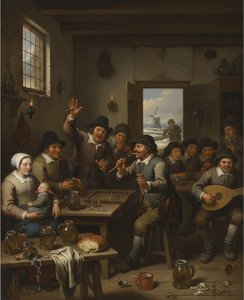
Adriaen Brouwer: Capturing Dutch Life & Social Commentary Through Genre Painting
Explore the captivating world of Adriaen Brouwer, a master of Dutch Golden Age genre painting. Discover his vivid depictions of peasant life, social commentary, and lasting influence on art history. Learn more at ArtsDot.
Genre Painting: A Window into Daily Life & Societal Values of the Dutch Golden Age
Explore the captivating world of Dutch Golden Age genre painting! Discover realistic depictions of daily life, masterful artists like Ostade & Metsu, and hidden symbolism. Learn about this influential art movement with ArtsDot.

