

 プレビュー
プレビュー
 プリントを購入
 シェアする
シェアする シェアする
シェアする
 詳細を見る
詳細を見る

 ダウンロード
 似ている作品
 X線調査
X線調査 スライドショー
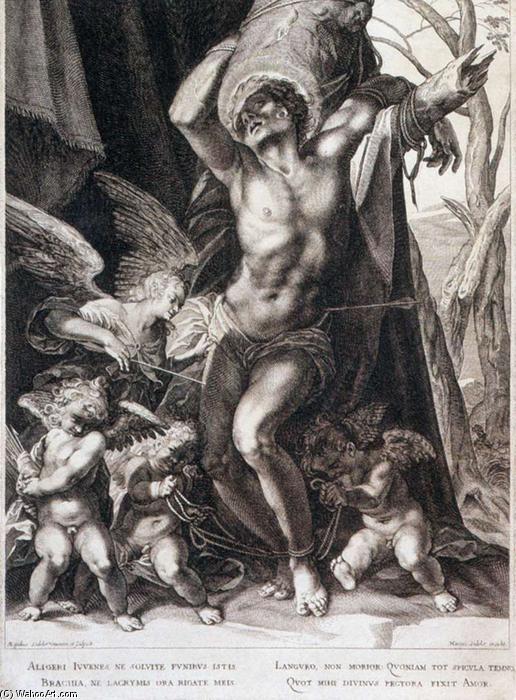
The Martyrdom of St Sebastian


 詳細を見る
詳細を見る
オンラインプレビューをはるかに凌ぐ、高解像度で鮮明なデジタル画像をご購入いただけます。
各ファイルは、社内の専門家が高度なツールと熟練した手作業によるレタッチを用いて、細心の注意を払って準備されています。すべての画像において、卓越した鮮明度、正確な色彩再現性、そして繊細なディテールを保証いたします。
最終ファイルは、プロフェッショナルな編集・印刷環境ですぐにご利用いただけるよう最適化された状態で、72時間以内にメールにてお届けいたします。これは、一流のデザインスタジオ、出版社、ギャラリーから信頼されているものと同等の品質です。
デジタル画像のご注文に付随する特典
高品質なデジタル画像配信を、確かな品質で。
ArtsDot.com を選ぶことは、単に画像を手に入れることではありません。それは、プロの手によって精密に仕上げられ、満足保証が付いた高品質なデジタルアートワークを受け取ることを意味します。ご注文いただいた際に自動的に付随する内容は、以下の通りです:

メールですぐにお届け
ご注文から72時間以内に、高解像度のデジタル画像ファイルがメールでお手元に届きます。すぐにそのままご利用いただけます。

AI技術で最適化されたデジタルファイル
お客様の作品は、高度なAIツールと専門家による手作業の編集を組み合わせてプロフェッショナルに最適化されており、細部のディテール、鮮明さ、そして正確な色再現性を最大限に引き出しています。

一生涯無料の再送サービス
ファイルを誤って削除したり、紛失してしまったりしましたか?ご安心ください。いつでも無料で再送いたします。

輸入手数料は一切かかりません
関税や手数料、配送料を気にすることなく、お気に入りのアートワークをすぐにお楽しみいただけます。デジタルダウンロードは常に免税です。

色彩再現の保証
プロ仕様のツールとカラーマネジメント技術を用いることで、デジタル画像が元の色を最大限に忠実に再現することを保証いたします。

60日間満足保証
ご購入いただいたデジタル画像にご満足いただけない場合は、60日以内であれば、修正または100%の返金(理由を問う必要はありません)をさせていただきます。

100% 返金保証
ご満足いただけない場合は、デジタルファイルを受け取ってから60日以内であれば、理由を問わず全額返金いたします。

まとめ買い割引
3枚購入で10%OFF - 5枚購入で15%OFF - 10枚以上購入で20%OFF。クリエイティブなプロジェクト、ギャラリー、エージェンシーに最適です。
作品の詳細
A Study in Suffering and Divine Grace
To gaze upon Aegidius Sadeler II's etching of The Martyrdom of St Sebastian is to enter a realm where profound spiritual narrative meets breathtaking technical mastery. This work does not merely depict an event; it captures the very essence of enduring faith under duress. Saint Sebastian, bound and pierced by arrows, becomes a poignant figure of human vulnerability juxtaposed against the eternal promise of salvation. The composition immediately draws the eye to his suffering form, yet this pain is framed by the gentle, concerned presence of surrounding putti, whose wings seem to whisper secrets of divine intervention. It is a scene steeped in Baroque drama, rendered with an almost unbearable intimacy.
The Artistry of Line: Etching as Narrative
What elevates this piece beyond mere illustration is Sadeler's unparalleled command of the etching medium. The entire emotional weight and visual texture are carried by the meticulous dance of line. Observe how the artist employs hatching—those delicate, parallel scratches—and cross-hatching, where lines intersect to build shadow. These techniques allow him to sculpt light and dark across the monochromatic surface, giving skin a palpable sheen and casting deep, dramatic shadows that enhance the sense of theatrical lighting. The precision required to achieve such tonal variation using only an etching needle speaks volumes about Sadeler’s virtuosity as a master reproducer, channeling the detailed realism characteristic of Northern Renaissance printmaking.
Symbolism Woven into Shadow
The symbolism within this martyrdom is rich and multi-layered. The arrows are not simply weapons; they are potent symbols of sacrifice, purification, and the trials inherent in devotion. Meanwhile, the surrounding cherubs act as celestial witnesses, embodying innocence and divine observation. Sadeler masterfully balances the raw physicality of Sebastian’s suffering—evident in his taut musculature—with the ethereal quality suggested by the drapery and the background landscape. This tension between earthly pain and heavenly grace is the core emotional resonance that has captivated viewers for centuries.
A Touch of Baroque Drama for Your Space
For those seeking to infuse a space with intellectual depth and historical gravitas, this reproduction offers an unparalleled focal point. While its subject matter is deeply religious, its aesthetic qualities—the dramatic chiaroscuro achieved through line work, the classical composition, and the sheer technical brilliance—allow it to transcend purely devotional art. Imagine this etching gracing a library or a formal drawing-room; it speaks of cultivated taste, an appreciation for historical craftsmanship, and a quiet contemplation of enduring human spirit. It is a piece that demands close looking, rewarding the owner with layers of artistic discovery.
関連作品
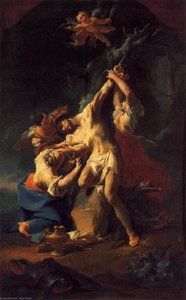
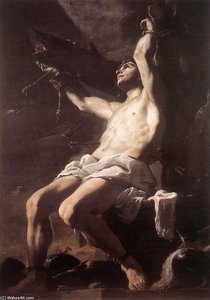
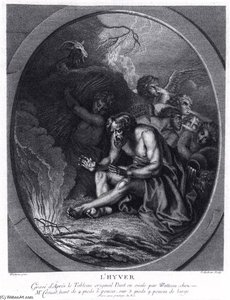
作家の略歴
The Master of the Burin: The Life and Legacy of Aegidius Sadeler II
In the vibrant, swirling currents of the late Renaissance and early Baroque periods, few artists possessed the ability to translate the monumental grandeur of painting into the intimate, precise language of printmaking as masterfully as Aegidius Sadeler II. Born in 1570 within the illustrious artistic dynasty of Antwerp, Sadeler was destined for a life steeped in the fine arts. As a member of the famed Sadeler family of engravers and print dealers, his very lineage was woven into the fabric of European visual culture. His early training under his uncle, Jan I, provided him with a rigorous foundation in the exacting techniques of the Antwerp Guild of St. Luke, instilling in him a discipline that would later allow him to capture the most delicate nuances of light and shadow through the sharp tip of a burin.
The trajectory of Sadeler’s career was as much a journey across Europe as it was an evolution of style. His wanderings took him through the intellectual hubs of Munich, Rome, and Naples, exposing him to the diverse aesthetic currents of the continent. This cosmopolitan upbringing allowed him to absorb the sophisticated elegance of Italian Mannerism and the robust realism of the Northern traditions. By the time he settled in Prague in 1597, he had become a versatile virtuoso, capable of navigating the complex visual vocabulary required by the most demanding patrons of the age.
At the Heart of the Imperial Court
The zenith of Sadeler’s professional life was undoubtedly his appointment as the court engraver to Rudolf II, the Holy Roman Emperor. The court in Prague was a glittering epicenter of Mannerist innovation, a place where art, alchemy, and intellect converged. Within this rarefied atmosphere, Sadeler found his greatest inspiration and his most significant subjects. He did not merely record the images of his era; he acted as a vital conduit for their dissemination. Through his meticulous reproductions, the masterpieces housed in the Emperor's private collections were liberated from the confines of palace walls and shared with the wider European intelligentsia.
His collaboration with the leading lights of the Mannerist movement was profound. Sadeler possessed a rare ability to translate the fluid, often elongated forms of Bartholomeus Spranger and the whimsical, transformative imagery of Giuseppe Arcimboldo into the monochromatic medium of engraving. His work after the sculptures of Giambologna and Adriaen de Vries demonstrated an uncanny ability to render the tactile quality of bronze and marble through nothing more than black ink and white paper. This period of his life was marked by a relentless pursuit of technical perfection, where every line served to heighten the theatricality and emotional depth characteristic of the era.
A Lasting Impression on Art History
The significance of Aegidius Sadeler II extends far beyond the individual prints he produced. He was a pivotal figure in the democratization of high art, playing a crucial role in the creation of a shared European visual language. By reproducing the works of masters like Albrecht Dürer and Raphael, he helped sustain the prestige of these Renaissance icons long after their original eras had passed. His engravings served as both a tribute to the past and a blueprint for the future, influencing generations of artists who looked to his prints for compositional guidance and technical inspiration.
Even today, when we examine his portraits or his dramatic religious scenes, such as his poignant etchings of The Martyrdom of St. Sebastian, we are struck by a sense of profound permanence. His work captures the tension between the physical and the spiritual, the human and the divine, with a clarity that remains undiminished by time. Through his mastery of the engraver's craft, Sadeler ensured that the fleeting brilliance of the Prague court would be etched into the enduring memory of art history.
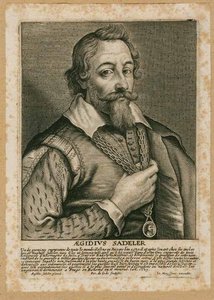
aegidius ii sadeler
1570 - 1629 , Belgium
プロフィール概要
- Artistic Movement Or Style: Mannerism
- Artists Or Movements Influenced By This Artist: ['Rudolf II']
- Artists Who Influenced This Artist: ['Albrecht Dürer']
- Date Of Birth: Antwerp, Belgium (1570)
- Date Of Death: 1629
- Full Name: Aegidius Sadeler II
- Nationality: Flemish
- Notable Artworks:
- The Interior of the Vladislav Hall, Prague
- Venus Receiving Gifts
- Place Of Birth: Antwerp

