

 プレビュー
プレビュー
 プリントを購入
 シェアする
シェアする シェアする
シェアする
 詳細を見る
詳細を見る

 ダウンロード
 似ている作品
 X線調査
X線調査 スライドショー
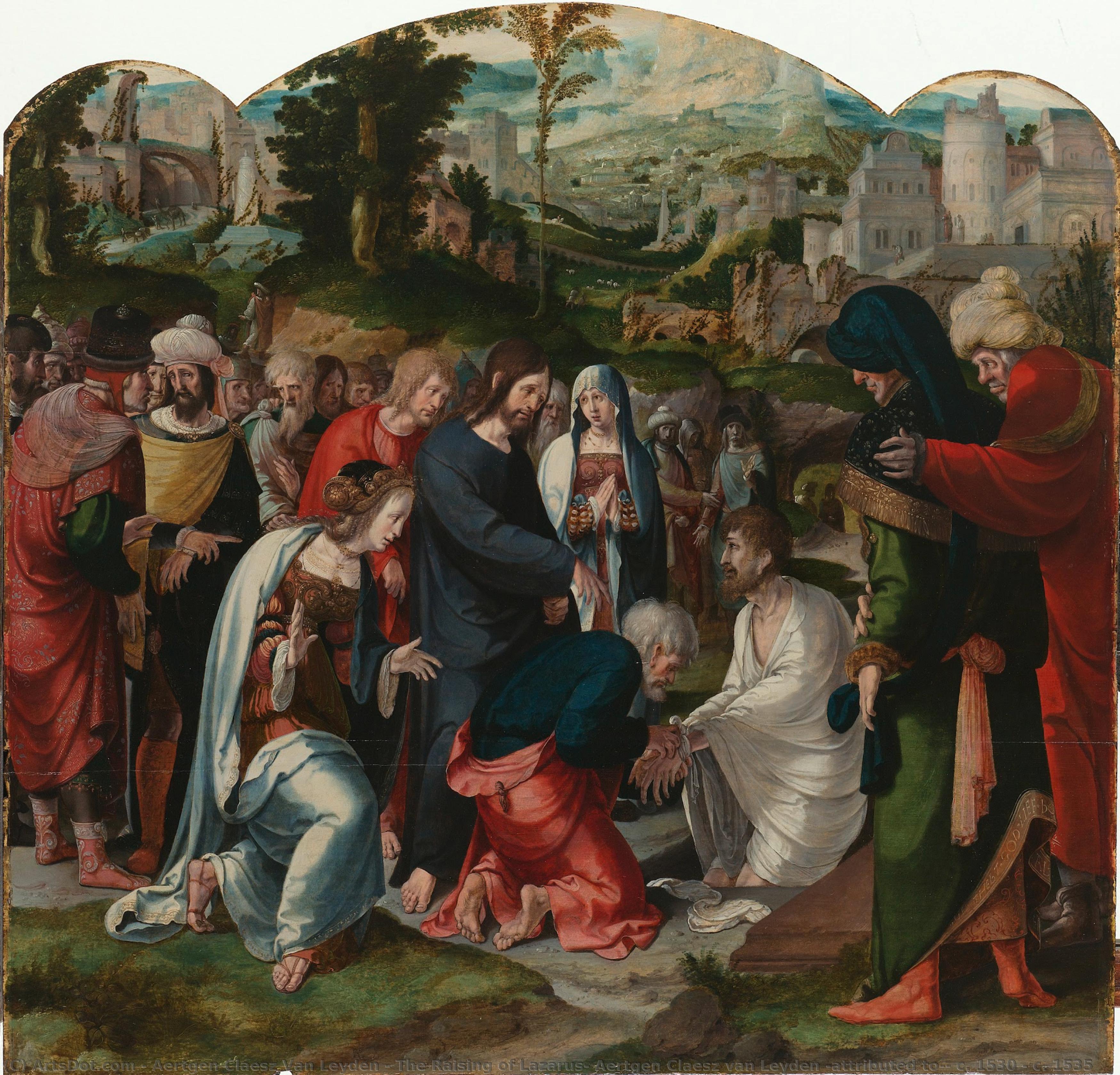
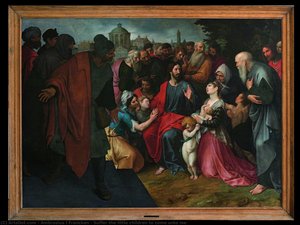
The Raising of Lazarus, Aertgen Claesz van Leyden (attributed to), c. 1530 - c. 1535
 Early Netherlandish
 1535
1535 76.0 x 79.0 cm
 詳細を見る
詳細を見る
オンラインプレビューをはるかに凌ぐ、高解像度で鮮明なデジタル画像をご購入いただけます。
各ファイルは、社内の専門家が高度なツールと熟練した手作業によるレタッチを用いて、細心の注意を払って準備されています。すべての画像において、卓越した鮮明度、正確な色彩再現性、そして繊細なディテールを保証いたします。
最終ファイルは、プロフェッショナルな編集・印刷環境ですぐにご利用いただけるよう最適化された状態で、72時間以内にメールにてお届けいたします。これは、一流のデザインスタジオ、出版社、ギャラリーから信頼されているものと同等の品質です。
デジタル画像のご注文に付随する特典
高品質なデジタル画像配信を、確かな品質で。
ArtsDot.com を選ぶことは、単に画像を手に入れることではありません。それは、プロの手によって精密に仕上げられ、満足保証が付いた高品質なデジタルアートワークを受け取ることを意味します。ご注文いただいた際に自動的に付随する内容は、以下の通りです:

メールですぐにお届け
ご注文から72時間以内に、高解像度のデジタル画像ファイルがメールでお手元に届きます。すぐにそのままご利用いただけます。

AI技術で最適化されたデジタルファイル
お客様の作品は、高度なAIツールと専門家による手作業の編集を組み合わせてプロフェッショナルに最適化されており、細部のディテール、鮮明さ、そして正確な色再現性を最大限に引き出しています。

一生涯無料の再送サービス
ファイルを誤って削除したり、紛失してしまったりしましたか?ご安心ください。いつでも無料で再送いたします。

輸入手数料は一切かかりません
関税や手数料、配送料を気にすることなく、お気に入りのアートワークをすぐにお楽しみいただけます。デジタルダウンロードは常に免税です。

色彩再現の保証
プロ仕様のツールとカラーマネジメント技術を用いることで、デジタル画像が元の色を最大限に忠実に再現することを保証いたします。

60日間満足保証
ご購入いただいたデジタル画像にご満足いただけない場合は、60日以内であれば、修正または100%の返金(理由を問う必要はありません)をさせていただきます。

100% 返金保証
ご満足いただけない場合は、デジタルファイルを受け取ってから60日以内であれば、理由を問わず全額返金いたします。

まとめ買い割引
3枚購入で10%OFF - 5枚購入で15%OFF - 10枚以上購入で20%OFF。クリエイティブなプロジェクト、ギャラリー、エージェンシーに最適です。
関連作品
作家の略歴
Aertgen Claesz van Leyden: A Master of Subtle Detail in the Dutch Renaissance
Aertgen Claesz van Leyden (c. 1498 – c. 1564), a name perhaps less familiar than those of his contemporaries, stands as a quietly significant figure within the rich tapestry of early Netherlandish painting. Born and primarily active in Leiden, Netherlands, he carved out a distinctive artistic identity characterized by an exquisite attention to detail, a profound understanding of religious iconography, and a masterful command of oil paint—qualities that secured him a place among the esteemed Leiden Masters.
Van Leyden’s early life remains somewhat shrouded in mystery. Records suggest he was the son of a Leiden fuller, a profession indicating a family rooted in textile production. This humble background contrasts sharply with the refined artistry he would later develop. His formal artistic training began under the tutelage of Cornelis Engebrechtsz., a prominent Leiden painter known for his meticulous realism and detailed depictions of religious scenes. Engebrechtsz.’s influence is readily apparent in Aertgen’s initial works, characterized by a similar emphasis on precise rendering and a restrained palette. However, it was not merely imitation; Van Leyden quickly developed his own unique style, subtly diverging from his mentor's approach.
The Development of a Distinctive Style
Van Leyden’s artistic journey reveals a fascinating evolution, influenced by a diverse range of masters and contemporary trends. Early works demonstrate a clear debt to Engebrechtsz., particularly in the meticulous rendering of drapery and the careful observation of natural forms. Yet, as he matured, Van Leyden absorbed elements from Jan van Scorel, renowned for his luminous colors and atmospheric effects, and even the more dramatic style of Maarten van Heemskerck, a master of narrative painting. This eclectic blend resulted in a highly individualistic approach—one that is both technically accomplished and emotionally resonant.
Crucially, Van Leyden’s style wasn't simply a synthesis of influences; he possessed a remarkable ability to distill these elements into a cohesive and deeply personal vision. His paintings are distinguished by their subtle gradations of tone, their delicate modeling, and their almost photographic realism—a hallmark of the Leiden school. He frequently employed a limited palette, favoring muted earth tones and rich jewel colors, creating a sense of quiet solemnity and spiritual depth.
Religious Themes and Iconographic Significance
Van Leyden’s oeuvre is overwhelmingly devoted to religious subjects, reflecting the prevailing artistic climate of the 16th century. He produced numerous altarpieces, panel paintings, and devotional images—each imbued with profound symbolic meaning. His depictions of biblical scenes, such as *The Raising of Lazarus* (attributed to him), are not merely illustrations but carefully constructed narratives designed to convey theological truths. The artist’s meticulous attention to detail extends beyond mere representation; he meticulously incorporates symbolism into every element of the composition—from the gestures and expressions of the figures to the arrangement of objects within the scene.
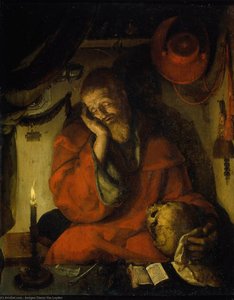
Notable works include *St. Jerome in his Study*, a poignant portrayal of the hermit contemplating scripture, and depictions of *The Last Judgment*. His *Calling of St. Anthony* is particularly noteworthy for its intimate portrayal of the saint’s conversion—a moment of profound spiritual awakening rendered with remarkable sensitivity.
Legacy and Historical Context
Despite his considerable talent and prolific output, Van Leyden's name has often been overshadowed by that of his more famous brother, Lucas van Leyden. This is partly due to the challenges inherent in attributing paintings to individual artists within the Leiden school—a group characterized by a high degree of stylistic similarity. However, recent scholarship has increasingly recognized Aertgen’s unique contribution to Netherlandish art.
Van Leyden's work reflects the broader cultural and artistic currents of the 16th century—the rise of humanism, the rediscovery of classical antiquity, and the burgeoning interest in religious imagery. His paintings offer a valuable window into the spiritual and intellectual life of Renaissance Europe, demonstrating the power of art to both illuminate and inspire.
His legacy endures through his meticulously crafted works, which continue to be admired for their technical brilliance, emotional depth, and profound symbolic significance. Aertgen Claesz van Leyden remains a testament to the quiet artistry and enduring influence of a master painter who deserves greater recognition within the history of art.
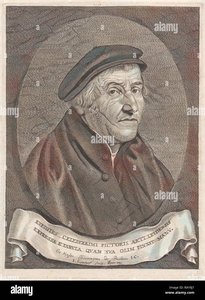
aertgen claesz van leyden
1498 - 1564 , Netherlands
プロフィール概要
- Artistic Movement Or Style: Early Netherlandish
- Artists Or Movements Influenced By This Artist:
- Jan van Scorel
- Maarten van Heemskerck
- Artists Who Influenced This Artist: ['Cornelis Engebrechtsz']
- Date Of Birth: c. 1498
- Date Of Death: c. 1564
- Full Name: Aertgen Claesz van Leyden
- Nationality: Dutch
- Notable Artworks:
- The Raising of Lazarus
- St Jerome
- Place Of Birth: Leiden, Netherlands

