 プレビュー
プレビュー
 シェアする
シェアする シェアする
シェアする
 詳細を見る
詳細を見る

 ダウンロード
 似ている作品
 X線調査
X線調査 スライドショー
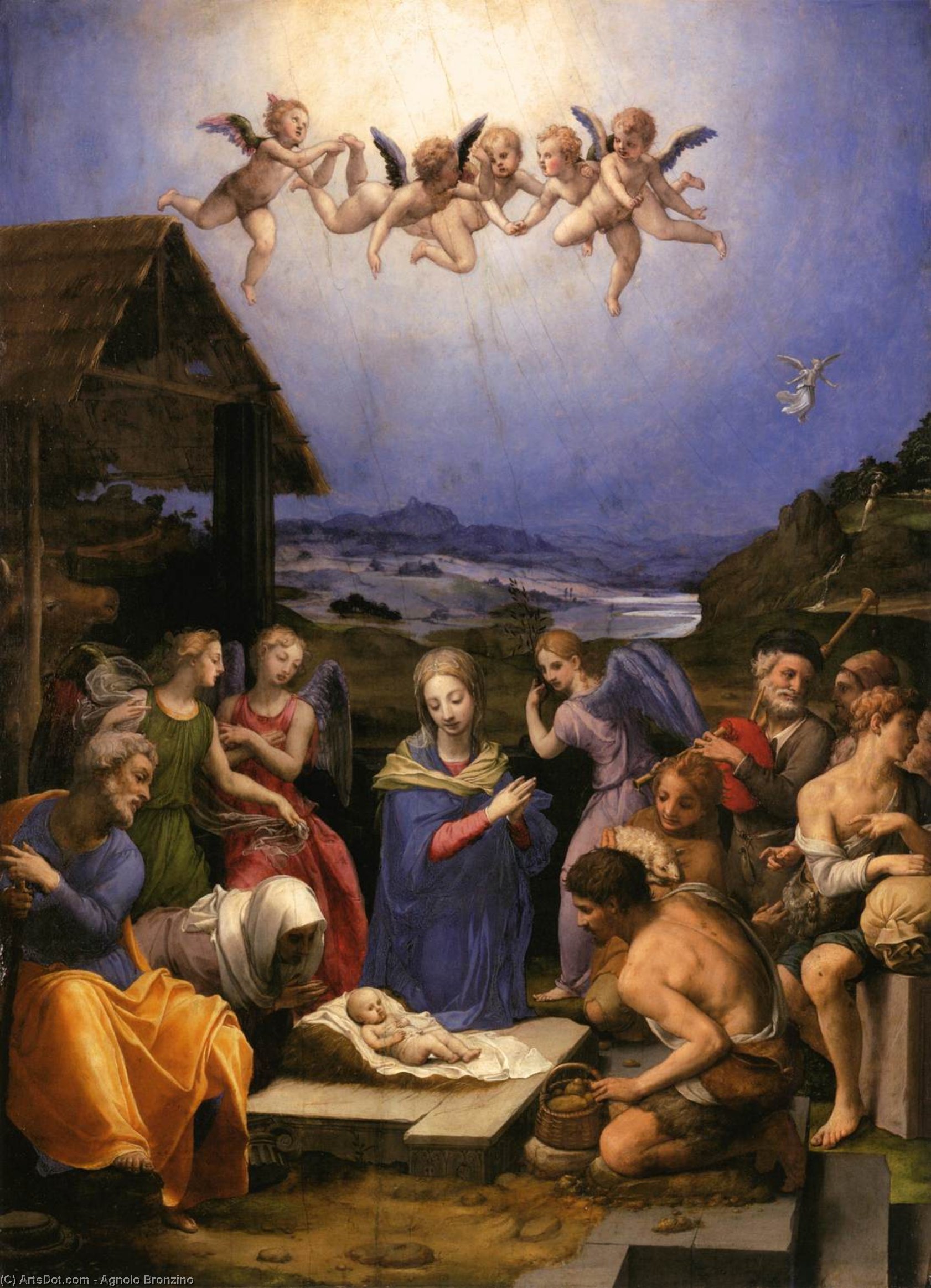
Adoration of the Shepherds
 Oil On Canvas
- WallArt
- Baroque
 1539
1539 65.0 x 47.0 cm
 Szépművészeti Múzeum
 詳細を見る
詳細を見る
ジークレー/アートプリント
迅速な制作と多彩な仕上げオプションを備えた、ミュージアムクオリティのジークレーまたはキャンバスプリント。 ( 手描きの絵画を購入 画像を購入)




P118B $10

P118H $10

P118W $10

P438Z $10

P508JH $12

P508YH $12

P805H $10

P805Z $10

P919BZ $10

P919G $10

P919XJ $10

P959ZH $10

P968JZ $12

W106C $8

W218G $10

W218JH $8

W218Y $10

W307PJ $10

W316G $10

W316PJ $8

W316Y $10

W398PJ $8

W4111J $10

W500HY $15

W500JH $15

W692G $12

W849H $8

W940BG $15

W953PJ $8




作品のオリジナル比率に合わせた、当店の規定サイズからお選びください。

特定のフレームやスペースに合わせて、ご自身でサイズを指定することも可能です。選択されたサイズが元の画像の比率と一致しない場合、作品をトリミングするか、鏡面反射または単色での塗りつぶしによって画像を拡張いたします。制作を開始する前に、ご確認用のデジタルモックアップをお送りいたします。
画面上のプレビューには、実際のトリミングや拡張は反映されませんのでご注意ください。最終的な構図を正確に確認できるのは、モックアップのみとなります。
カスタムサイズも承っておりますが、元の比率を維持するためには、あらかじめ用意されたリストからサイズを選択することをお勧めいたします。


 ガラスオプションは、110cm未満のサイズでのみご利用いただけます。

Adoration of the Shepherds
ジークレー/アートプリント
複製画のサイズ
-


合計金額
$ 62
A Moment Frozen in Time: The Profound Elegance of Bronzino’s “Adoration of the Shepherds”
Agnolo Bronzino's "Adoration of the Shepherds," painted in 1539, isn’t merely a depiction of a biblical scene; it’s a meticulously crafted distillation of Renaissance ideals – a testament to refined beauty, restrained emotion, and the subtle power of courtly portraiture. This small yet remarkably detailed work offers a glimpse into the world of Florence's Medici family, revealing not just religious devotion but also an astute understanding of status, grace, and the carefully constructed image of authority. The painting’s quiet dignity belies a complex layering of symbolism and artistic influence, making it a captivating subject for both art historians and those seeking to infuse their spaces with timeless elegance.

The Anatomy of a Mannerist Masterpiece
Bronzino, a key figure in the Florentine Mannerist movement, rejected the exuberant emotionalism of his predecessor Pontormo, instead favoring a cool, controlled elegance. “Adoration of the Shepherds” exemplifies this approach perfectly. The composition is remarkably balanced, with Mary and the infant Jesus positioned centrally within a carefully orchestrated group. Notice how Bronzino employs elongated figures – a hallmark of Mannerism – creating an almost sculpted effect that emphasizes form over naturalistic representation. The faces are serene, devoid of overt emotion; their gazes fixed on the divine event unfolding before them. The use of subtle color variations—the rich reds and blues of the garments against the darker background—further enhances the painting’s sense of depth and sophistication.
Technically, Bronzino's mastery is evident in his meticulous rendering of textures – the folds of fabric, the sheen of Mary’s robes, the rough texture of the manger. He achieved this through a technique known as “stiacciato,” where he applied thin layers of paint to create subtle tonal variations and a sense of three-dimensionality. The painting's surface is remarkably smooth, almost polished, reflecting Bronzino’s dedication to achieving an illusion of perfection.
A Courtly Scene: Symbolism and Medici Influence
Beyond its religious subject matter, “Adoration of the Shepherds” offers a window into the world of Florentine court life. The figures depicted are not simply shepherds; they represent members of the elite – wealthy merchants, noblemen, and perhaps even representatives of other powerful families who were patrons of the Medici court. The inclusion of angels, rendered with an almost ethereal quality, underscores the divine sanction of the Medici’s rule. The painting itself was likely commissioned by Filippo de' Medici, a cousin of Cosimo I, highlighting its role as a symbol of family prestige and piety.
Furthermore, the scene subtly references classical mythology. The composition echoes depictions of the adoration of the Magi, suggesting a deliberate connection between Christian and pagan traditions – a common strategy employed by Renaissance artists to elevate their subject matter and appeal to a broader audience. The presence of Joseph, depicted as a humble carpenter, reinforces the theme of divine grace manifesting in everyday life.
Echoes Through Time: A Legacy of Elegance
“Adoration of the Shepherds” remains a powerful example of Renaissance artistry and a testament to Bronzino’s unique vision. Its quiet grandeur, refined detail, and subtle symbolism continue to captivate viewers centuries after its creation. Reproductions of this masterpiece offer an opportunity to bring a touch of Florentine elegance into any setting – a reminder of the enduring power of beauty, faith, and the skillful hand of a true artistic master. The painting’s influence can be seen in countless subsequent works, solidifying Bronzino's place as one of the most important figures in Italian art history.
関連作品
アーティストの略歴
フィレンツェの巨匠、抑制された優雅さ
アニョーロ・ディ・コシモ、通称ブロンズィーノは、1503年にルネサンス美術の中心地であったフィレンツェに生まれました。天才が溢れる時代において、彼は肉屋の息子として生まれながらも、卓越した才能によって同時代の最も求められる肖像画家の一人となり、マニエリスムを代表する人物へと成長しました。彼の初期の修行はラファエッリーノ・デル・ガルボのもとで始まりましたが、ジャコポ・ダ・ポントルモとの出会いがブロンズィーノの芸術的感性を真に開花させました。ポントルモの革新的な様式を取り入れながらも、彼は独自の個性を確立しました。それは、教師の感情的な表現とは対照的に、抑制された落ち着きと洗練された細部を特徴とするものでした。この初期の時期には、アンドレア・デル・サルトの研究も影響を与え、ミケランジェロやレオナルド・ダ・ヴィンチの遺産に触れる機会を得ました。これらの基礎的な影響は、彼の成熟した様式に微妙に浸透していきました。若いブロンズィーノは、単なる肉体的な類似性だけでなく、初期の作品においても一定の心理的深みを捉える能力を示しました。メディチ宮廷での台頭
ブロンズィーノのキャリアは、トスカーナ公コジモ1世・デ・メディチの後援によって劇的に上昇しました。1539年にコジモとエレオノーラ・ディ・トレドの結婚を祝う壮大な装飾に貢献した後、この関係は彼の生涯の大部分において公式宮廷画家としての地位を確固たるものにしました。彼は揺るぎない献身と卓越した技術をもってその役割を果たしました。この時期に生まれた肖像画は単なる似顔絵ではありません。それらは権力、地位、そして王朝的野心の慎重に構築された声明なのです。コジモ自身やエレオノーラも頻繁な被写体となり、貴族的な aloofness(よそよそしさ)と磨き上げられた優雅さを漂わせる絵画として永遠に記録されました。これらの作品は単なる肉体的類似性を捉えるだけでなく、メディチ家の権威を永続的に象徴するものを創造することを目指していました。ブロンズィーノの才能は肖像画にとどまりませんでした。彼はエレオノーラに捧げられた礼拝堂の装飾も任され、20年以上にわたるプロジェクトを通して、フレスコ画家としての彼の多才さを示しました。これらの作品に見られる細部へのこだわりと洗練された技術は、ブロンズィーノをフィレンツェ宮廷における卓越した芸術家として確立し、世代を超えて権力の視覚的言語を形作りました。マニエリスムの優雅さ
ブロンズィーノの芸術様式は、典型的なマニエリスムです。これは16世紀半ばにイタリアで隆盛した運動であり、自然主義と調和のとれたバランスを重視するルネサンス後期に対する反動として生まれました。彼は細長い形態、様式化されたポーズ、そしてしばしば冷淡な感情性を採用しました。彼の人物はめったに自発的な瞬間に捉えられません。それらは慎重に配置され、ほとんど彫刻のように静止しているように見えます。ヴィーナス、キューピッド、愚か者と時間(1544-45年頃)はおそらく彼のもっとも有名な寓意的作品であり、このアプローチを例証しています。この絵画は複雑な象徴のタペストリーであり、複数の解釈を誘いながら同時に謎めいた距離感を保っています。彼の肖像画はその細部への徹底的な注意で知られています。布地の質感、宝石の輝き、微妙な表情の変化など、すべてがエナメル質の精度をもって表現されています。この表面の洗練と知的複雑さへの献身は、ブロンズィーノの作品を同時代の作品から区別します。彼は単に現実を複製することに関心はなく、技巧と様式的なコントロールを通してそれを高めようとしました。遺産と永続的な影響
画家としての多作な活動に加え、ブロンズィーノはフィレンツェの芸術コミュニティにおいても重要な役割を果たしました。彼は1563年に芸術の研究を促進し、芸術的卓越性を育むことを目的としたアカデミア・デッレ・アルティ・デル・ディセーニョ(Accademia delle Arti del Disegno)の創設メンバーの一人でした。彼の影響はフィレンツェを超え、世代を超えてヨーロッパ全土の宮廷肖像画に影響を与えました。彼が提唱した冷たい優雅さと洗練された技術は、貴族的な表現の代名詞となりました。彼の様式は、より感情的または自然主義的なアプローチを優先する時代には一時的に人気を失いましたが、ブロンズィーノの作品は近年評価を高めています。学者は現在、彼の芸術に内在する知的深さと様式的な革新性を認識しています。彼は1572年にフィレンツェで亡くなり、最も重要なマニエリスム画家の一人としての遺産を残しました。抑制された優雅さの巨匠であり、彼の肖像画は今日でも何世紀にもわたって観客を魅了し続けています。権力と地位の本質を捉える能力は、芸術史における彼の永続的な地位を確固たるものにしています。- 生誕地: イタリア、フィレンツェ、1503年
- 没年月日: イタリア、フィレンツェ、1572年
- 主要な運動: マニエリスム
- 代表作: *ヴィーナス、キューピッド、愚か者と時間*、コジモ1世・デ・メディチとエレオノーラ・ディ・トレドの肖像画
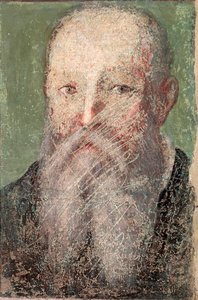
アニョーロ・ブロンズィーノ
1503 - 1572 , イタリア
基本情報
- Artistic Movement Or Style: マニエリスム様式
- Artists Or Movements Influenced By This Artist: ヨーロッパ宮廷肖像画
- Artists Who Influenced This Artist:
- ポントルモ
- ミケランジェロ
- レオナルド・ダ・ヴィンチ
- Date Of Birth: 1503年11月17日
- Date Of Death: 1572年11月23日
- Full Name: アニョーロ・ディ・コシモ
- Nationality: イタリア人
- Notable Artworks (List Of Titles):
- ウェヌスとキューピッド
- ウゴリーノ・マルテッリ
- 聖家族
- Place Of Birth (City And Country): イタリア、フィレンツェ
関連記事

バロック美術を極めた至宝:時代を彩る10大名作の世界
バロック美術の華!カラヴァッジョ、ベルニーニら巨匠が創り上げた10大名作を徹底解剖。ドラマチックな色彩と豪華絢爛の世界観に触れ、至宝のアートプリントで空間を彩ろう。ArtsDot.comで美術館品質の複製と洗練されたインテリアを見つけましょう!

The Dramatic Flourish: Exploring the Baroque Movement's Enduring Legacy in Art History
Explore the dramatic world of Baroque art! Discover iconic artists like Caravaggio & Rubens, defining techniques, and its lasting impact on art history. Expert insights for collectors & enthusiasts at ArtsDot.

The Visceral Stage: Exploring Dramatic Narratives & Emotional Intensity in Baroque Art
Explore the dramatic world of Baroque art! Discover iconic masters like Caravaggio & Rembrandt, their techniques, and the movement's lasting impact. Expert insights for collectors & enthusiasts at ArtsDot.

Theatricality & Triumph: Baroque Drama in Painting & Sculpture
Explore the dramatic world of Baroque art! Discover its history, defining characteristics, & lasting influence on painting & sculpture. Expert insights into Caravaggio, Zurbarán, and Bernini – plus high-quality reproductions at ArtsDot.
Baroque Painting's Greatest Hits: 10 Masterpieces for Your Home | ArtsDot
Journey through Baroque painting's glory! Explore 10 masterpieces by Caravaggio, Rembrandt & Vermeer. Discover dramatic lighting, rich colors & timeless stories. Find museum-quality art reproductions for your home at ArtsDot.com.