

![Palácio Imperial De Petrópolis [imperial Palace At Petrópolis] — Agostinho José Da Mota](/media/artworks/images-full/d1/cb/d1cb31a31a6885de7ab5f8a8dce40b50.jpg)
 プレビュー
プレビュー
 プリントを購入
 シェアする
シェアする シェアする
シェアする
 詳細を見る
詳細を見る

 ダウンロード
 似ている作品
 X線調査
X線調査 スライドショー
Palácio Imperial de Petrópolis [Imperial Palace at Petrópolis]
 Oil
Oil- WallArt
- Landscape Realism
 1855
1855- 19th Century
 78.0 x 109.0 cm
 Pinacoteca do Estado de São Paulo
 詳細を見る
詳細を見る
オンラインプレビューをはるかに凌ぐ、高解像度で鮮明なデジタル画像をご購入いただけます。
各ファイルは、社内の専門家が高度なツールと熟練した手作業によるレタッチを用いて、細心の注意を払って準備されています。すべての画像において、卓越した鮮明度、正確な色彩再現性、そして繊細なディテールを保証いたします。
最終ファイルは、プロフェッショナルな編集・印刷環境ですぐにご利用いただけるよう最適化された状態で、72時間以内にメールにてお届けいたします。これは、一流のデザインスタジオ、出版社、ギャラリーから信頼されているものと同等の品質です。
デジタル画像のご注文に付随する特典
高品質なデジタル画像配信を、確かな品質で。
ArtsDot.com を選ぶことは、単に画像を手に入れることではありません。それは、プロの手によって精密に仕上げられ、満足保証が付いた高品質なデジタルアートワークを受け取ることを意味します。ご注文いただいた際に自動的に付随する内容は、以下の通りです:

メールですぐにお届け
ご注文から72時間以内に、高解像度のデジタル画像ファイルがメールでお手元に届きます。すぐにそのままご利用いただけます。

AI技術で最適化されたデジタルファイル
お客様の作品は、高度なAIツールと専門家による手作業の編集を組み合わせてプロフェッショナルに最適化されており、細部のディテール、鮮明さ、そして正確な色再現性を最大限に引き出しています。

一生涯無料の再送サービス
ファイルを誤って削除したり、紛失してしまったりしましたか?ご安心ください。いつでも無料で再送いたします。

輸入手数料は一切かかりません
関税や手数料、配送料を気にすることなく、お気に入りのアートワークをすぐにお楽しみいただけます。デジタルダウンロードは常に免税です。

色彩再現の保証
プロ仕様のツールとカラーマネジメント技術を用いることで、デジタル画像が元の色を最大限に忠実に再現することを保証いたします。

60日間満足保証
ご購入いただいたデジタル画像にご満足いただけない場合は、60日以内であれば、修正または100%の返金(理由を問う必要はありません)をさせていただきます。

100% 返金保証
ご満足いただけない場合は、デジタルファイルを受け取ってから60日以内であれば、理由を問わず全額返金いたします。

まとめ買い割引
3枚購入で10%OFF - 5枚購入で15%OFF - 10枚以上購入で20%OFF。クリエイティブなプロジェクト、ギャラリー、エージェンシーに最適です。
A Window into Imperial Brazil
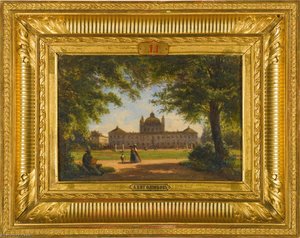
In the serene landscape of 1855, Agostinho José da Mota captures more than just a geographical location; he preserves a moment of profound tranquility within the heart of the Brazilian Empire. Palácio Imperial de Petrópolis [Imperial Palace at Petrópolis] serves as a breathtaking window into a bygone era, where the grandeur of architecture meets the untamed beauty of the natural world. The painting presents a picturesque view of a town nestled against a backdrop of majestic mountains, their peaks reaching toward a clear, azure sky. This composition does not merely document a site; it invites the viewer to wander through a landscape where the air feels crisp and the atmosphere remains untouched by the frantic pace of modernity.
The scene is anchored by the presence of the Imperial Palace, a structure that stands with quiet dignity among the surrounding buildings. Through Mota’s masterful eye, the architecture becomes part of the organic rhythm of the land. Trees are scattered thoughtfully throughout the canvas, providing a lush, verdant frame that guides the eye from the detailed foliage in the foreground to the hazy, atmospheric distance. This careful arrangement creates a sense of depth and immersion, making the viewer feel as though they are standing on a hillside, looking out over a peaceful valley where nature and civilization exist in perfect, harmonious balance.
Mastery of Light and Academic Elegance
The technique displayed in this work is a testament to Mota’s prestigious training under the guidance of Jean-Achille Benouville in Rome. Having absorbed the nuances of European landscape traditions, Mota brought a sophisticated understanding of atmospheric perspective back to Brazil. In this piece, one can observe how the light plays across the different planes of the painting—brightening the foreground elements while allowing the distant mountains to soften into gentle blues and greties. This technique creates a palpable sense of air and space, a hallmark of the 19th-century academic style that seeks to replicate the true essence of light.
For the discerning collector or interior designer, this reproduction offers an unparalleled opportunity to introduce a sense of historical prestige and calm into a living space. The color palette, dominated by serene blues, earthy greens, and the warm tones of the town's architecture, is inherently soothing. It possesses a timeless quality that complements both classical and contemporary decor, acting as a focal point that sparks conversation and evokes a feeling of nostalgic wanderlust. To hang this piece is to bring a fragment of Brazil’s imperial soul into one's home, offering a daily respite of beauty and historical reflection.
関連作品



作家の略歴
Agostinho José da Mota: Life and Legacy
Early Life and Education
Agostinho José da Mota, a prominent Brazilian painter and educator, was born on June 18, 1824, in Rio de Janeiro. From an early age, he demonstrated a strong inclination towards art, leading him to enroll at the Imperial Academy of Fine Arts in 1837. His natural talent and dedication quickly became apparent, setting the stage for a distinguished artistic career.
Artistic Development and Influences
Da Mota’s academic training provided him with a solid foundation in traditional techniques. In 1850, he was awarded a prestigious travel prize, enabling him to study in Europe. From 1851 to 1855, he resided in Rome, where he received guidance from the renowned French landscape painter Jean-Achille Benouville. This mentorship profoundly influenced his artistic style, particularly his approach to light, composition, and atmospheric perspective.
Career and Notable Works
Upon returning to Brazil in 1859, Da Mota began teaching at the Imperial Academy of Fine Arts, eventually heading the departments of drawing and landscape painting. He became a highly respected instructor, shaping the next generation of Brazilian artists. His own artistic output spanned various genres, but he is particularly celebrated for his still lifes and landscapes.
- A fábrica do Barão de Capanema (1862): A detailed depiction of an industrial scene, showcasing Da Mota’s skill in rendering complex compositions.
- Flores (c. 1873): Exemplifies his mastery of still life painting, capturing the delicate beauty and vibrant colors of flowers.
- Papaya and watermelon : A beautiful example of his still life work.
- Palácio Imperial de Petrópolis : Showcases his landscape skills.
Achievements and Recognition
Throughout his career, Da Mota received numerous accolades for his artistic contributions. He earned a gold medal at the General Exhibition of Fine Arts in 1852, followed by the Order of the Rose in 1868 and the Order of Christ in 1871. His students included several artists who would later achieve prominence, such as Modesto Brocos, Henrique Bernardelli, Pedro Peres, Firmino Monteiro, and José Maria de Medeiros.
Historical Significance and Legacy
Da Mota is recognized as a pioneer of outdoor painting (plein air) in Brazil, predating Georg Grimm, who often receives credit for this innovation. He embraced the practice of painting directly from nature, capturing the fleeting effects of light and atmosphere. Despite facing financial difficulties later in life – even resorting to painting advertising hoardings to make ends meet – his artistic legacy endures. His work represents a significant chapter in the development of Brazilian Romanticism and continues to inspire artists today.
Later Life and Death
Agostinho José da Mota passed away on August 21, 1878, in Rio de Janeiro. His life story serves as a testament to his dedication to art, even amidst personal challenges. He left behind a rich body of work that continues to be admired for its technical skill, aesthetic beauty, and historical importance.
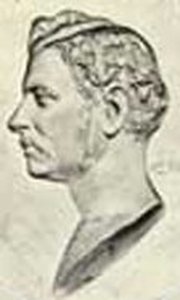
agostinho josé da mota
1824 - 1878 , Brazil
プロフィール概要
- Birth Date: 1824-06-18
- Birth Place: Rio de Janeiro, Brazil
- Death Date: 1878
- Influenced:
- Modesto Brocos
- Henrique Bernardelli
- Pedro Peres
- Firmino Monteiro
- José Maria de Medeiros
- Influenced By: Jean-Achille Benouville
- Movement: Brazilian Romanticism
- Name: Agostinho José da Mota
- Nationality: Brazilian
- Notable Works:
- A fábrica do Barão de Capanema
- Flores
- Papaya and watermelon
- Palácio Imperial de Petrópolis

