

 プレビュー
プレビュー
 プリントを購入
 シェアする
シェアする シェアする
シェアする
 詳細を見る
詳細を見る

 ダウンロード
 似ている作品
 X線調査
X線調査 スライドショー
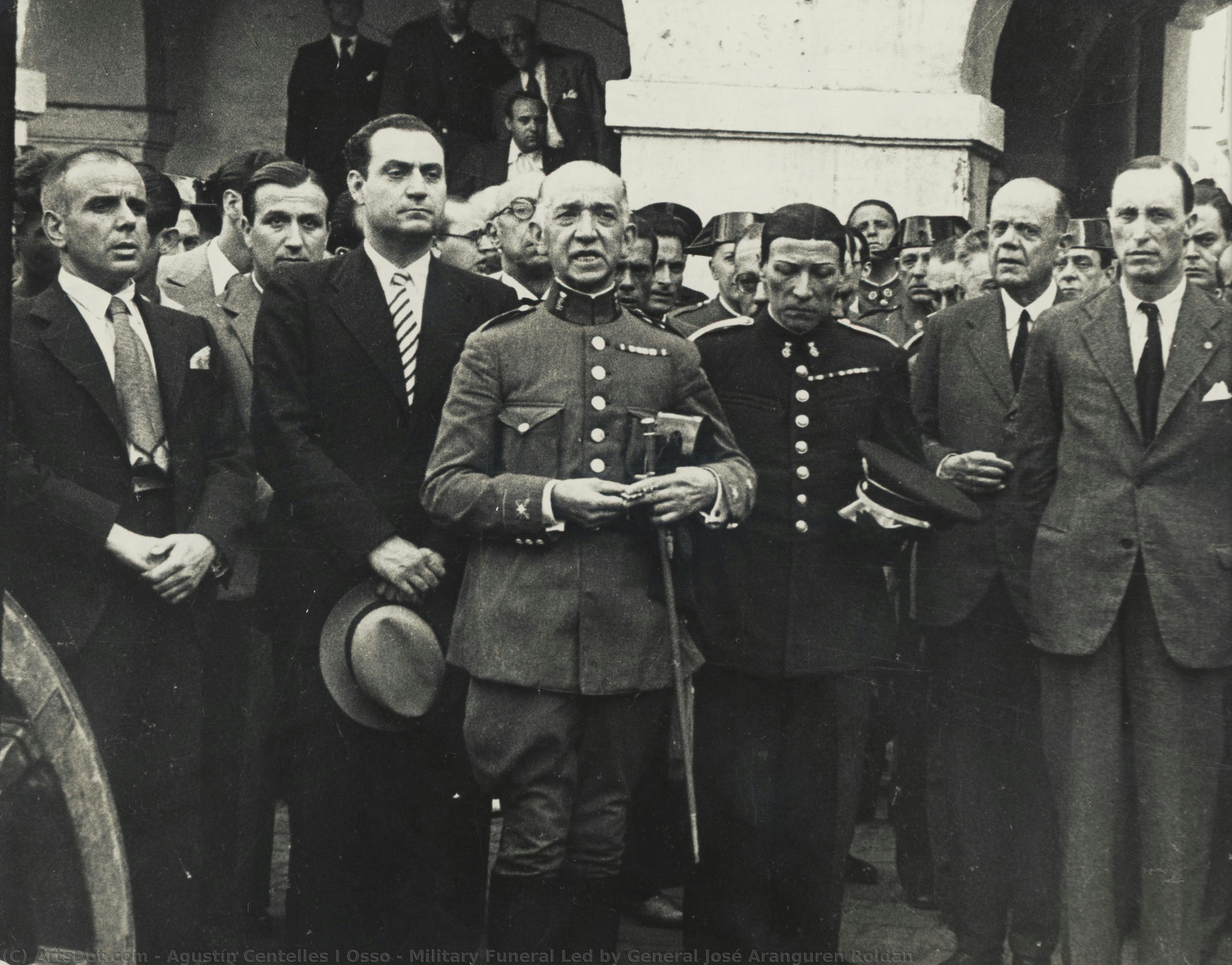
Military Funeral Led by General José Aranguren Roldán


 詳細を見る
詳細を見る
オンラインプレビューをはるかに凌ぐ、高解像度で鮮明なデジタル画像をご購入いただけます。
各ファイルは、社内の専門家が高度なツールと熟練した手作業によるレタッチを用いて、細心の注意を払って準備されています。すべての画像において、卓越した鮮明度、正確な色彩再現性、そして繊細なディテールを保証いたします。
最終ファイルは、プロフェッショナルな編集・印刷環境ですぐにご利用いただけるよう最適化された状態で、72時間以内にメールにてお届けいたします。これは、一流のデザインスタジオ、出版社、ギャラリーから信頼されているものと同等の品質です。
デジタル画像のご注文に付随する特典
高品質なデジタル画像配信を、確かな品質で。
ArtsDot.com を選ぶことは、単に画像を手に入れることではありません。それは、プロの手によって精密に仕上げられ、満足保証が付いた高品質なデジタルアートワークを受け取ることを意味します。ご注文いただいた際に自動的に付随する内容は、以下の通りです:

メールですぐにお届け
ご注文から72時間以内に、高解像度のデジタル画像ファイルがメールでお手元に届きます。すぐにそのままご利用いただけます。

AI技術で最適化されたデジタルファイル
お客様の作品は、高度なAIツールと専門家による手作業の編集を組み合わせてプロフェッショナルに最適化されており、細部のディテール、鮮明さ、そして正確な色再現性を最大限に引き出しています。

一生涯無料の再送サービス
ファイルを誤って削除したり、紛失してしまったりしましたか?ご安心ください。いつでも無料で再送いたします。

輸入手数料は一切かかりません
関税や手数料、配送料を気にすることなく、お気に入りのアートワークをすぐにお楽しみいただけます。デジタルダウンロードは常に免税です。

色彩再現の保証
プロ仕様のツールとカラーマネジメント技術を用いることで、デジタル画像が元の色を最大限に忠実に再現することを保証いたします。

60日間満足保証
ご購入いただいたデジタル画像にご満足いただけない場合は、60日以内であれば、修正または100%の返金(理由を問う必要はありません)をさせていただきます。

100% 返金保証
ご満足いただけない場合は、デジタルファイルを受け取ってから60日以内であれば、理由を問わず全額返金いたします。

まとめ買い割引
3枚購入で10%OFF - 5枚購入で15%OFF - 10枚以上購入で20%OFF。クリエイティブなプロジェクト、ギャラリー、エージェンシーに最適です。
関連作品









作家の略歴
A Pioneer of Witness: The Life and Legacy of Agustín Centelles
Agustín Centelles i Ossó, born in Valencia, Spain, in 1909, emerged as a pivotal figure in the nascent field of European photojournalism—a chronicler whose lens captured not merely images, but the raw, unvarnished truth of a nation fractured by conflict and exile. Often hailed as “the Spanish Robert Capa,” this comparison speaks to Centelles’s direct, unflinching style and his dedication to documenting life on the front lines, yet it only begins to scratch the surface of a career marked by both artistic brilliance and profound human empathy. His early life saw a relocation to Barcelona with his family, where he embarked upon an apprenticeship in 1924 at Ramón de Baños’s photographic studio, laying the foundation for his technical mastery in portraiture. This formal training was soon complemented by a growing fascination with the possibilities of the miniature Leica camera—a revolutionary tool that allowed him unprecedented mobility and immediacy in capturing unfolding events.The Spanish Civil War: A Visual Testament
Centelles's name is inextricably linked to the Spanish Civil War (1936-1939). As one of the first photojournalists on the scene following the fascist uprising, he relentlessly pursued the story, eschewing the cumbersome equipment of his contemporaries for the agility afforded by his Leica. He wasn’t simply *reporting* the war; he was immersed in it, documenting the formation of militias, the arduous journeys to the front lines, and the brutal realities of battles like Teruel. In 1937, Centelles assumed a critical role as head of the Photographic Services Unit of the Eastern Army, later commissioned by the Department for Information, working alongside figures like Jaume Miravitlles, Salvador Pujol, and Pere Català i Roca. His photographs from this period are not grand narratives of heroism or political ideology; they are intimate glimpses into the lives of ordinary people caught in extraordinary circumstances—a mother’s grief, a soldier’s exhaustion, the quiet determination of those defending their ideals. This commitment to portraying the human cost of conflict set his work apart and established him as a uniquely powerful voice during this tumultuous era.Exile and Endurance: Documenting Life Within the Camps
The fall of Barcelona in 1939 forced Centelles into exile, a fate shared by countless Republicans fleeing Franco’s regime. This displacement did not halt his photographic endeavors; instead, it led him to document another harrowing chapter of human suffering—life within the French internment camps at Argelès-sur-Mer and Bram. These photographs are perhaps among his most poignant work, revealing the squalor, desperation, and resilience of refugees stripped of their homes and dignity. Within these confines, Centelles, alongside Salvador Pujol, secretly established a clandestine photographic laboratory, preserving images that would otherwise have been lost to history. He slept with his suitcase containing the negatives clutched close, safeguarding not just his work but also the stories of those he photographed. This act of preservation speaks volumes about his unwavering commitment to bearing witness and ensuring that these experiences were not forgotten.Rediscovery and Lasting Impact
For decades following the war, Centelles’s work remained largely hidden from public view, a casualty of political repression and exile. It wasn't until 1976, when his sons unearthed a cache of over 4,000 negatives concealed in Carcassonne, that his legacy began to be fully recognized. The subsequent exhibition *Imatges d’un reporter* (Images of a Reporter) in 1978 marked a turning point, bringing his powerful photographs to a wider audience and solidifying his place as a pioneer of modern photojournalism. The eventual sale of his archive to the Spanish Ministry of Culture in 2009—despite competing offers from other institutions—ensured that his work would be preserved for future generations. Today, Centelles’s images serve as a vital historical record, offering invaluable insights into the complexities of the Spanish Civil War and the human consequences of political conflict. His influence extends beyond the realm of photography; he remains an enduring symbol of courage, empathy, and the power of visual storytelling to shape our understanding of the past.- Key Influences: Ramón de Baños (early training), Josep Badosa (artistic development), Robert Capa (comparative figure in photojournalism).
- Major Achievements: Pioneering Spanish photojournalism, documenting the Spanish Civil War and French internment camps, establishing a clandestine photographic laboratory during exile.
- Historical Significance: Centelles’s work provides an invaluable visual record of a pivotal period in Spanish history, offering insights into the human cost of conflict and the resilience of those affected by political upheaval. His photographs continue to be studied and exhibited worldwide, serving as a powerful reminder of the importance of bearing witness.
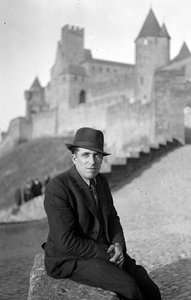
agustín centelles i osso
1909 - 1985 , Spain
プロフィール概要
- Artistic Movement Or Style: Photojournalism
- Date Of Birth: 1909
- Date Of Death: 1985
- Full Name: Agustín Centelles i Ossó
- Nationality: Spanish
- Notable Artworks:
- Images of Spanish Civil War
- French internment camps photos
- Place Of Birth: Valencia, Spain

